English
 Türkçe


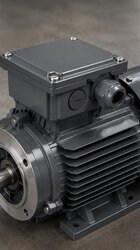
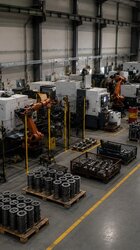
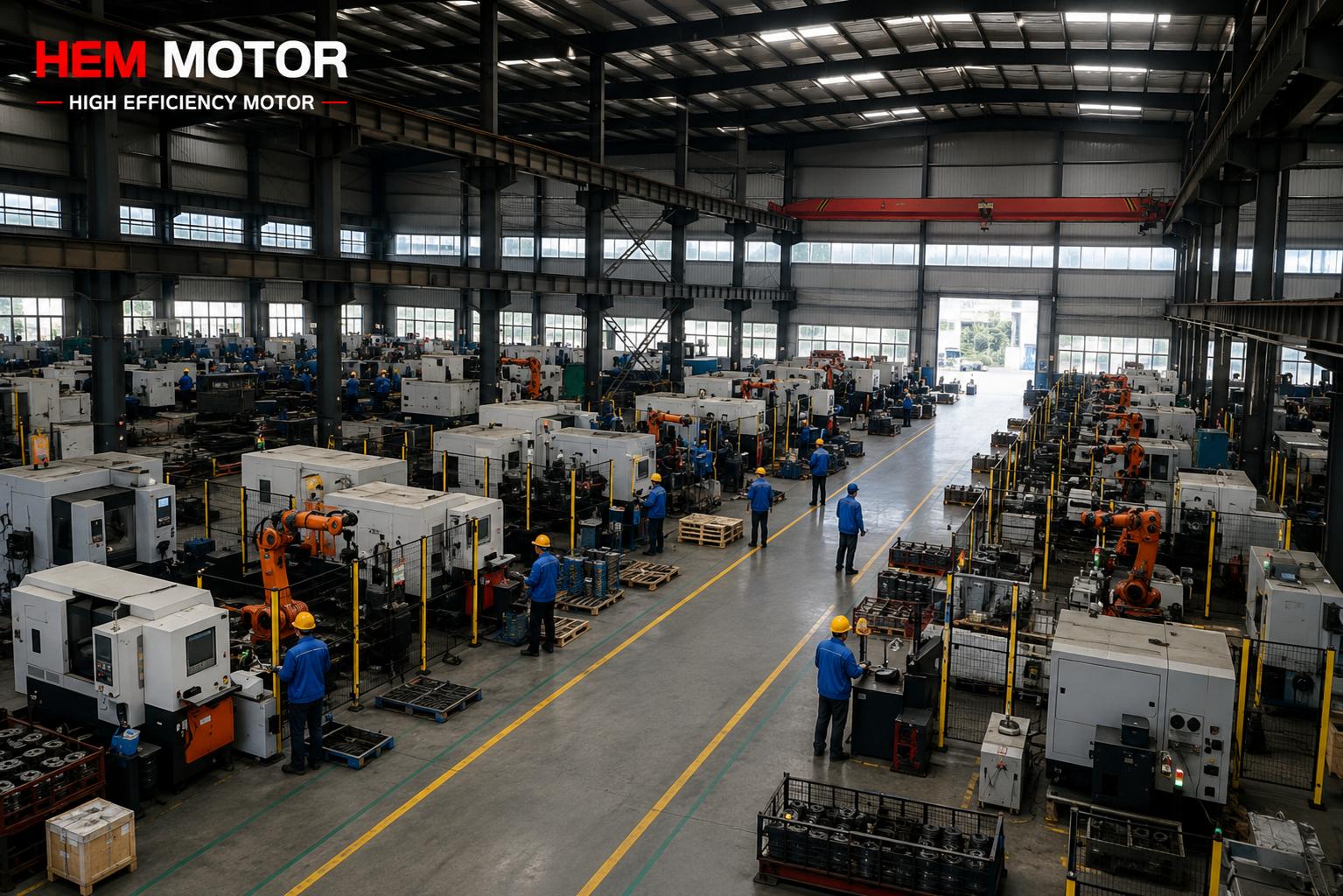

Cosmetics and cleaning products factories require a unique balance in terms of electric motor selection: on one side heavy drives demanding high torque such as mixers and homogenizers, on the other side sensitive and continuously operating units such as the filling line, and on top of that hygiene and explosive-atmosphere safety. In the production of cream, shampoo, detergent, liquid soap, perfume and disinfectant, motors operate both in a harsh chemical environment and in hygiene conditions comparable to food. Wrong motor selection means, beyond production downtime, product contamination and occupational safety risk. This guide gathers all the questions that businesses establishing or renewing the line of a cosmetics and cleaning products factory ask about mixer, filling, stainless/hygiene and ATEX motor selection into a single article. HEM Motor, a company that has been manufacturing electric motors since 1979, supplies motors suited to the needs of this sector, cast-iron bodied, in IE3 and IE4 efficiency classes and with various protection options from strong stocks.
Motor Groups in a Cosmetics and Cleaning Factory
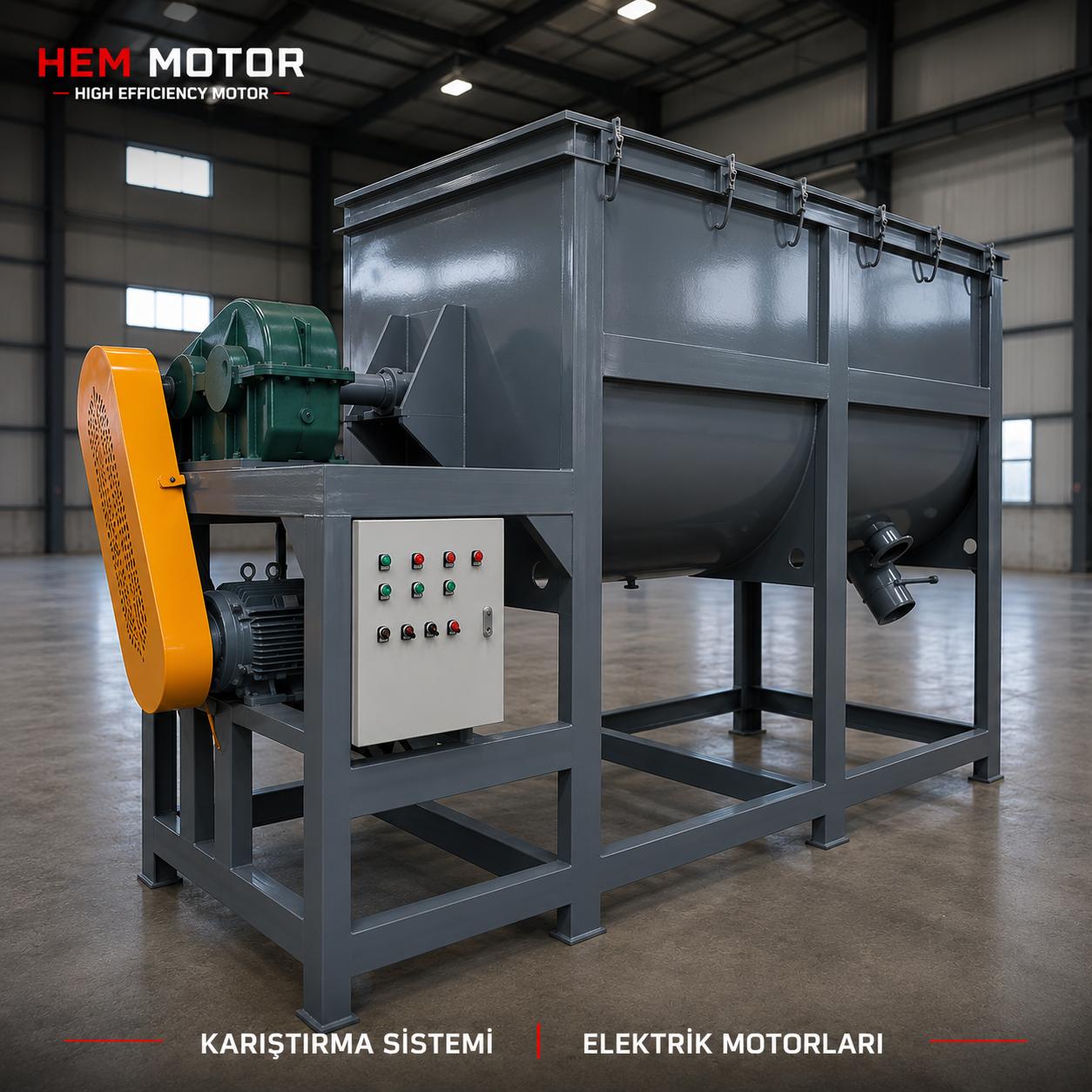
In these factories, the motor need is divided into distinct groups according to the different stages of production. The first is the mixing and homogenization group: heavy drives demanding high torque that mix viscous products such as cream, gel, detergent and liquid soap. The second is the filling and packaging group: sensitive, continuously operating drives such as filling pumps, conveyor belts, capping and labelling units. The third is the auxiliary plant group: pumps, fans, aspiration and hot water/steam systems. Each group requires different power, speed and protection. You can find a similar hygiene and mixing approach in our sibling articles on motor selection in chemical, pharma and detergent factories and food factory electric motors: hygiene.
Mixer and Homogenizer Motors: High Torque
The heart of cosmetics production is the mixing and homogenization tank. Viscous products such as cream, lotion, toothpaste or thick detergent require high torque and low speed; therefore mixer motors are often used combined with a gearbox. Homogenizers, on the contrary, operate at high speed to turn the product into a fine emulsion. In mixer drive, the motor must be able to carry the load that rises as the product consistency increases and must be suitable for continuous operation (S1). For gearbox selection for low output speed, the decision of geared motor vs separate motor + reducer becomes important. The torque class of the motor is also important for viscous mixing requiring high starting torque; our article on torque classes (Design N/H) and starting torque explains this. You can review the mixer gearbox options on our helical worm gear reducers product page.
Filling Line Motors: Sensitive and Continuous Operation
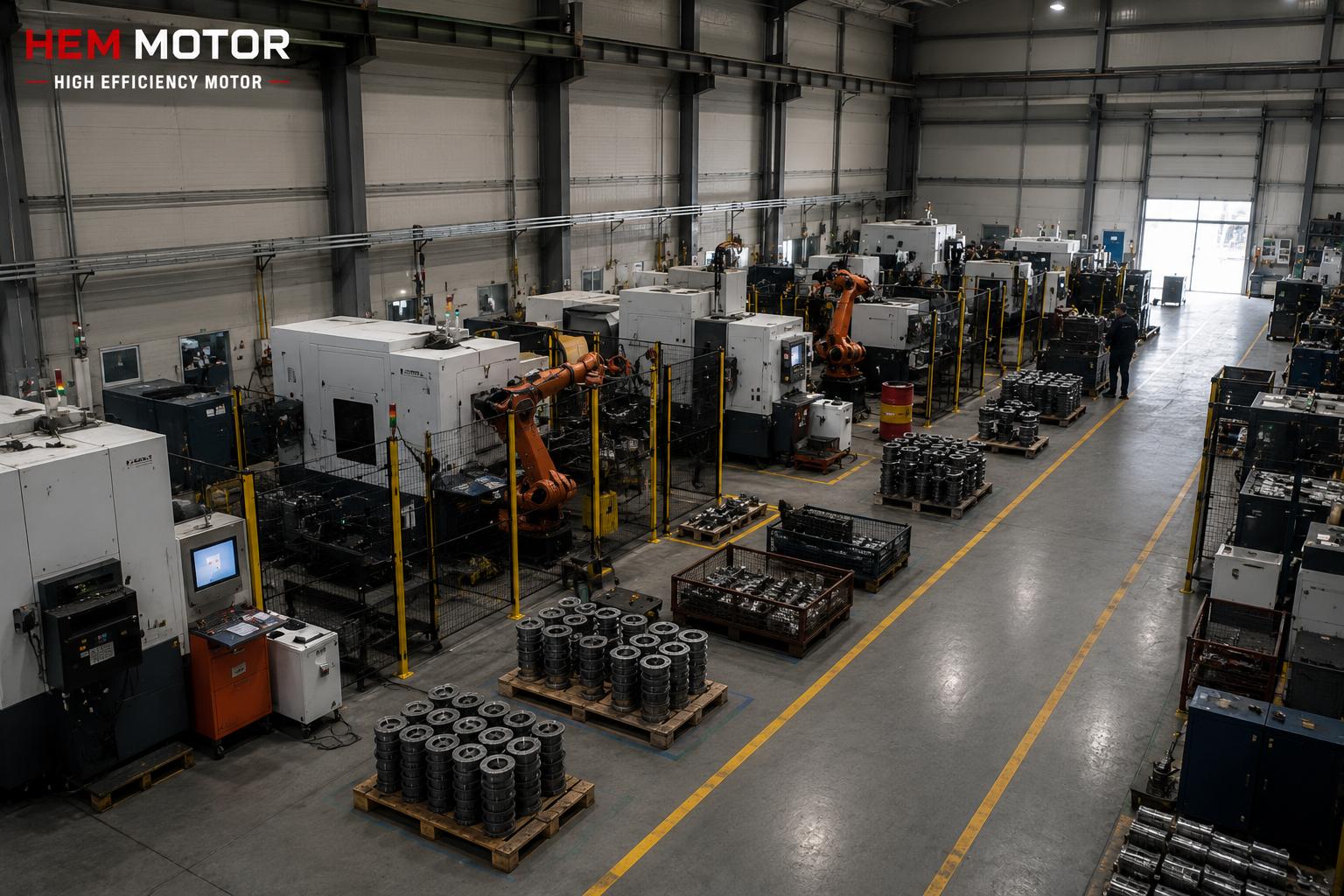
The filling line is the section that determines the production speed of the cosmetics and cleaning factory. Filling pumps, transport conveyors, capping and labelling units are generally driven by small and medium power but continuously and precisely operating motors. Downtime on this line means direct production loss; therefore the reliability of conveyor motors is critical. When a conveyor motor fails, our article on conveyor belt motor emergency replacement and swap guides you for fast replacement. Because small and medium power motors are common on the filling line, correct flange and mounting selection is also important; you can review B5 and B14 flange selection in our article on B5 flanged or B14 flanged and on our electric motor mounting types product page. You can find sectoral details for the motor needs in packaging machines in our industrial motor articles.
Stainless, Hygiene and IP Protection
Because cosmetics and cleaning products are products that contact the skin and human health, the production environment is regularly washed and disinfected. Therefore the motors must be resistant to water, detergent and chemical cleaning. In filling and mixing areas, at least IP65 protection class is recommended for motors exposed to pressurized water and disinfectant; this class provides full protection against dust ingress and resistance to low-pressure water jets. Our article on IP55, IP65 and IP66 protection class selection explains what the IP protection class means and which is required in which case. Our article on dairy, meat and beverage plant hygiene also exemplifies the hygienic environment, washing and IP protection approach. In areas with corrosion risk, having the motor body with protective surfaces such as cataphoresis coating extends its life; our article on painting and cataphoresis coating addresses this subject.
ATEX and Explosive Atmosphere: Alcohol, Solvent and Perfume
The most critical safety issue of cosmetics and cleaning production is the explosive-atmosphere risk. Perfume, cologne, disinfectant and some cleaning products contain a high proportion of alcohol or volatile solvent; the vapor of these substances can form an explosive mixture with air. Using a standard motor in these areas is a serious fire and explosion risk. In alcohol filling, solvent mixing and perfume production areas, an ATEX (exproof) motor suitable for the explosive zone class of the environment must be used. Our article on when an exproof (ATEX) motor is required explains in detail when an ATEX motor is mandatory and its correct selection. You can review the difference between exproof and standard motors and the correct selection according to the environment in our article on exproof vs standard asynchronous motor. In auxiliary areas outside the explosive zone, standard high-protection motors may be sufficient; the zone classification is the basis of this decision.
Efficiency, Regulation and Operating Cost
Cosmetics and cleaning factories are facilities where many small and medium power motors operate continuously; this makes the total energy consumption significant. IE3 and IE4 efficiency class motors reduce this consumption and lower the operating cost. In Turkish and EU regulations there is an IE3 requirement in certain power ranges; to choose the correct class, review our article on the IE3 and IE4 efficiency mandate regulation. To see the payback period of the efficient motor investment concretely, our article on the total cost of ownership (TCO) calculation provides guidance. You can review our efficient and IE3 motors on our high-efficiency electric motors and IE3 electric motors product pages. In variable-load applications such as pumps and fans, use together with a frequency drive provides additional savings; our article on high-efficiency motor and frequency drive explains this.
Correct Ordering and Supply Plan
In a cosmetics and cleaning factory, the motor order must be planned on a machine basis: which power, speed, mounting type, IP protection and explosive zone requirement exist on which machine must be listed from the start. If you are replacing an existing motor, sharing the nameplate data completely prevents wrong delivery; our article on one-to-one matching with nameplate data describes this process. Our article on information to provide when requesting a quote summarizes the information you need to give when requesting a quote. If you are buying many motors across the facility, you can evaluate the cost advantage of bulk purchase in our article on ways to reduce cost in wholesale purchase. In continuously operating facilities, keeping a spare motor for critical drives reduces downtime risk; our article on the critical spare motor list helps with this planning.
Auxiliary Plant: Pump, Fan and Aspiration Motors
In cosmetics and cleaning factories, beyond the production line, the auxiliary plant motors that keep the facility running are also important. Pumps for raw material and product transfer, hot water and steam systems, ventilation and aspiration fans operate continuously. In areas where solvent and alcohol vapor accumulates, aspiration is critical for both hygiene and safety; the motors of these fans may require ATEX depending on the explosive zone status of the environment. For correct power selection of pump and fan motors, our article on required kW for pump, fan and conveyor provides guidance. For motor selection according to flow and head in liquid transfer pumps, our article on centrifugal pump motor selection is useful. For aspiration and dust/vapor exhaust fans, our article on aspirator and fan motor selection helps determine the right product.
Gearbox and Output Speed in Mixer Drive
The most common need in mixer motors is to reduce the high speed of the motor to the low mixing speed the product requires. This is provided by a motor + gearbox combination. For example, a motor rotating at 1400 rpm reduces to approximately 46 rpm output speed with a worm gear reducer of 1/30 reduction ratio; this is a suitable speed for mixing a thick cream. The reduction ratio is selected according to the volume of the tank, the viscosity of the product and the desired mixing speed. To determine the correct gearbox type, our articles on bevel helical vs worm gear and, in terms of efficiency, efficient motor + gearbox combination provide guidance. The motor is connected to the mixer gearbox with a B5 or B14 flange suitable for the IEC connection dimension; you can review the worm gear reducer options on our worm gear reducers product page.
Frequently Asked Questions
Which motor is required in perfume and alcohol-based product production?
Areas where perfume, cologne, disinfectant and products containing alcohol/solvent are produced carry an explosive-atmosphere risk; in these areas an ATEX (exproof) motor suitable for the explosive zone class of the environment must be used. A standard motor creates a fire and explosion risk in these areas. If you share the zone classification, we determine the appropriate ATEX motor together.
Which IP protection is required in the filling and washing area?
In filling, mixing and regularly washed areas, at least IP65 protection is recommended for motors exposed to pressurized water and disinfectant. This class provides full protection against dust ingress and resistance to water jets. We recommend the appropriate protection class according to the washing intensity of the environment.
How many revolutions should the mixer motor have?
Because tanks mixing viscous products require low speed and high torque, the mixer motor is generally reduced to a low output speed by combining it with a gearbox. Homogenizers, on the other hand, operate at high speed. We determine the speed and torque need together with the product consistency and tank volume.
Get a Quote
Let us determine together the correct power, speed, IP protection and ATEX selection for the mixer, homogenizer, filling line and auxiliary plant motors of your cosmetics and cleaning products factory. Contact us with the machine list, application and explosive zone data; let us present the stock status, the right solution and a clear lead time. Phone: +90 (532) 345 49 86 · You can also create a quotation request via our contact page.