English
 Türkçe

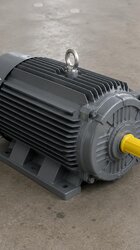
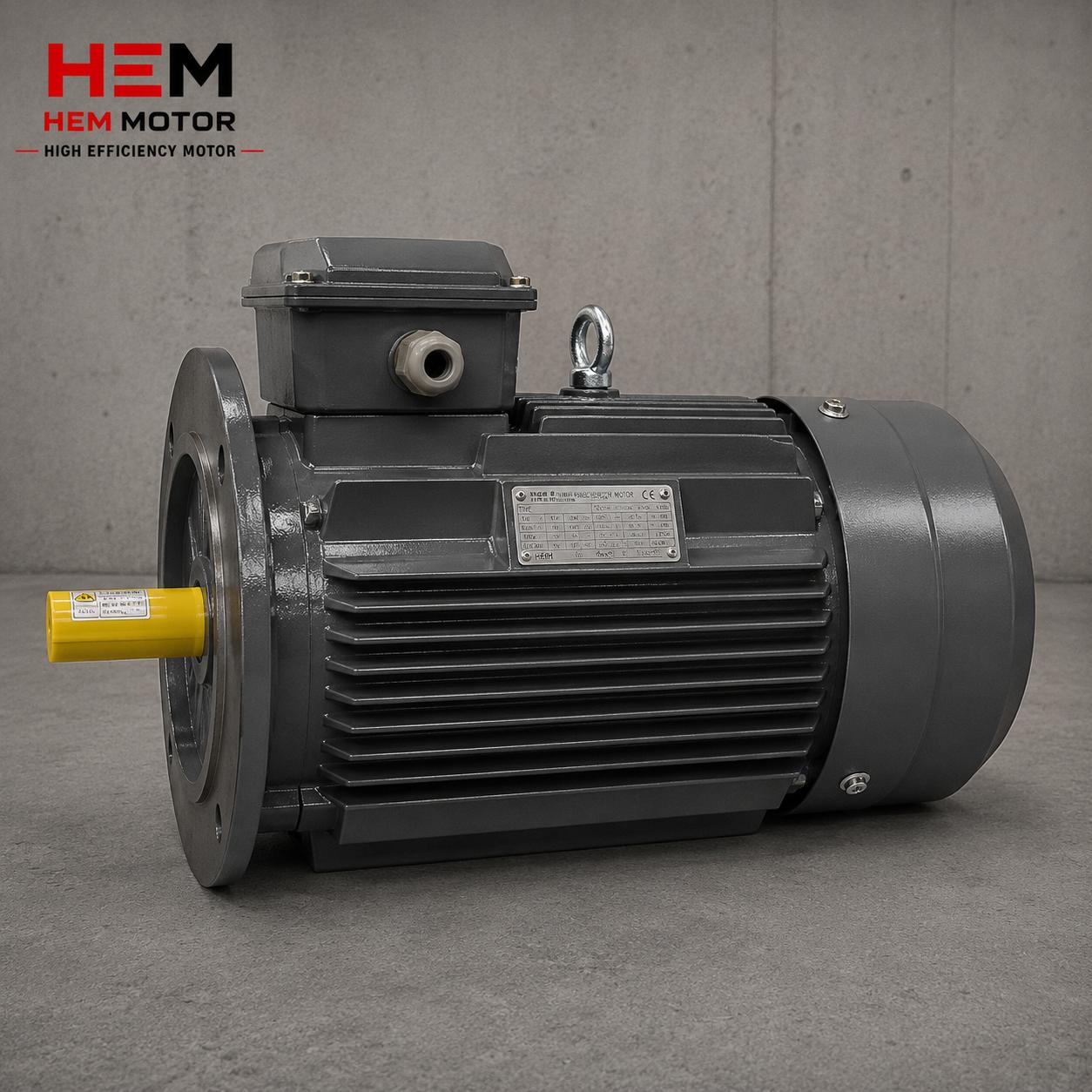

The first step in buying the right motor for an application is correctly calculating the required power (kW). A motor selected too small is constantly strained at overload and fails prematurely; a motor selected too large means unnecessary investment and low-efficiency operation. Pumps, fans and conveyors are the three applications most frequently driven by a motor in industry, and the power calculation for each is based on different logic. As HEM Motor, with our identity as both manufacturer and supplier, we determine the real power need of your application and recommend the most suitable three-phase motor and efficiency class for it. This guide addresses determining the required kW in pumps, fans and conveyors; the service factor margin and the right motor selection from a purchasing perspective.
The Basic Logic of Motor Power Calculation
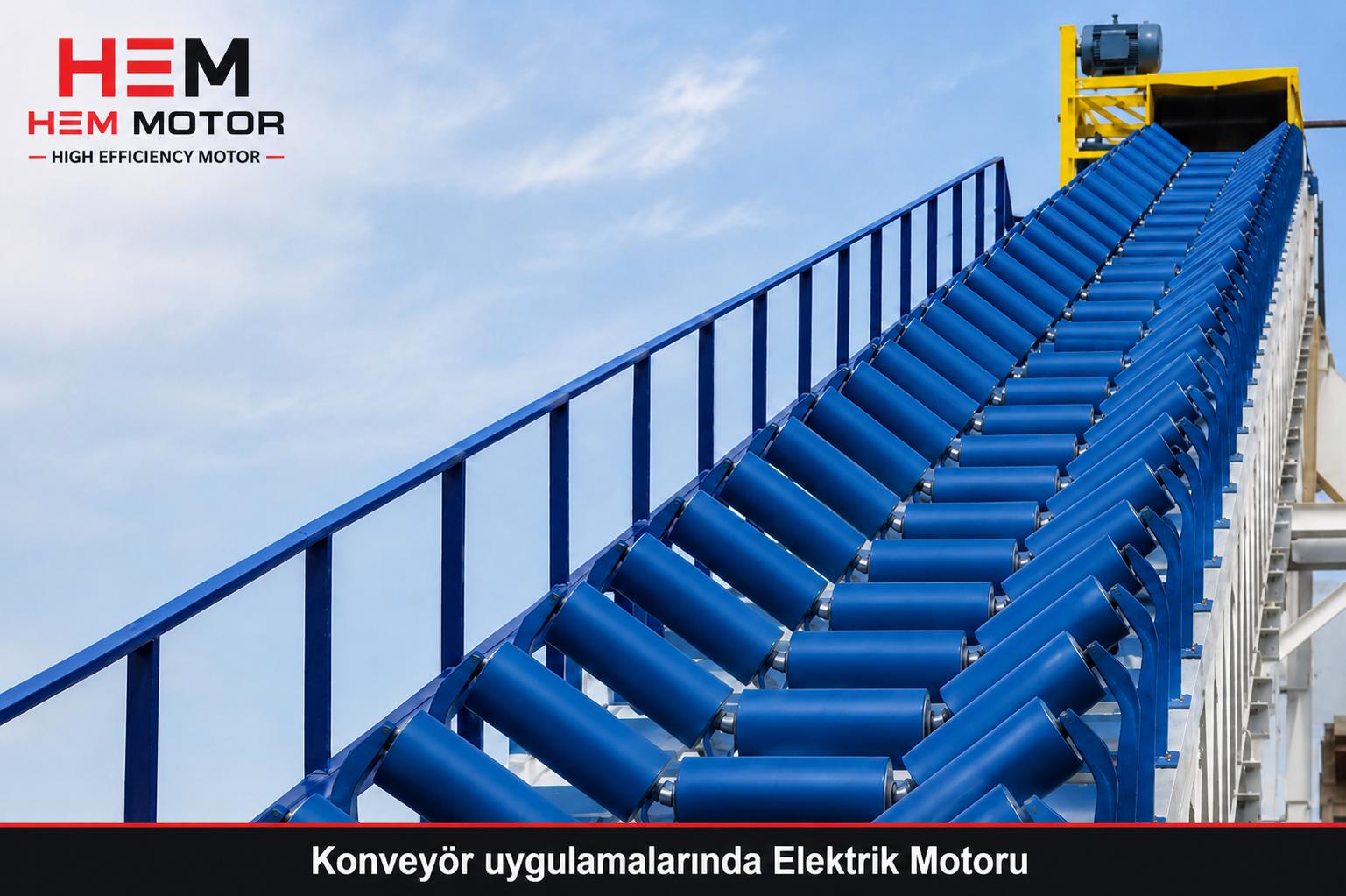
In every application, motor power is determined to meet the power of the mechanical work done. The system efficiency is added to the calculated theoretical (hydraulic or mechanical) power, and the real motor power is found. That is, the motor must be powerful enough not just to do the work, but to do that work while also covering the losses in the system. The value resulting at the end of the calculation is rounded up to the nearest standard motor power rating.
Clarity on power units is also important; in some pumps and machines power is given as HP (horsepower), in others as kW. We addressed the conversion between the two and using the correct unit when ordering in our HP or kW? understanding and ordering electric motor power correctly article. The wrong unit is a common mistake that leads to ordering the wrong motor.
Power Calculation in a Pump: Flow and Head
The power required in a pump depends on two basic values: flow rate (the amount of water moved per unit time) and head (the total height/pressure to which the water is lifted). The larger these two values, the higher the required hydraulic power. Adding pump and motor efficiency to the hydraulic power gives the real motor power.
The important point is this: when buying a pump, the real flow and head values at your operating point matter, not the pump's maximum values. We explained in detail how to make this calculation with flow-head matching in centrifugal pumps in our centrifugal pump motor selection: flow, head and power matching article, and in deep well pumps in our deep well pump motor selection guide article. The correct speed selection for a pump motor should also be considered together with power; 2-pole (2900 rpm) is preferred for high pressure and 4-pole (1450 rpm) for balanced applications.
Power Calculation in a Fan: Flow and Pressure
The power required in a fan and blower is determined by the air flow moved and the pressure (static pressure) the fan creates. A logic similar to that in pumps applies: the higher the air flow and pressure, the more the required power increases. The real motor power is found by also accounting for fan efficiency.
One point to watch in fans is that the operating point can change depending on the duct resistance; therefore the operating point data on the fan manufacturer's curve is important. We addressed fan motor selection in aspirator and dust-collection systems in our fan motor selection in aspirator and dust-collection systems article, and fan motor supply in HVAC projects in our fan motor supply in HVAC projects article. Since fans often run at variable load, use together with a frequency drive provides energy savings.
Power Calculation in a Conveyor: Load and Speed
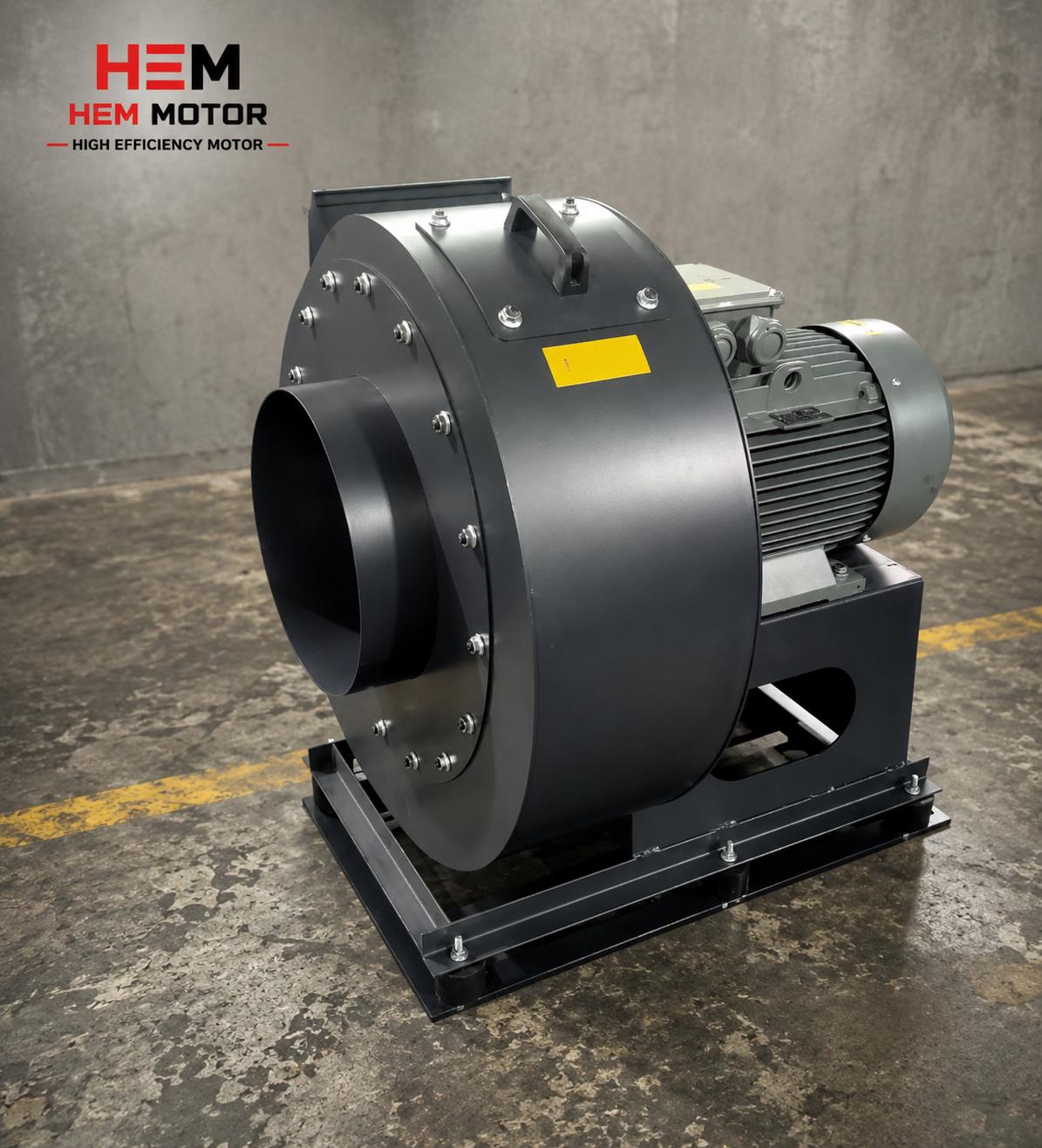
The power required in conveyor (belt) drive depends on the load carried (material weight and friction) and the belt speed. In a horizontal conveyor, power is mainly spent overcoming friction, while in an inclined conveyor, additional power is needed to carry the load upward. As load and speed increase, the required motor power grows.
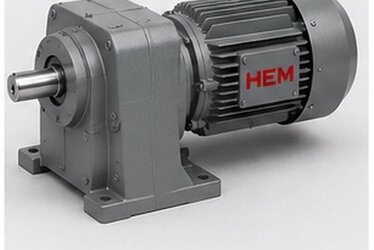
Conveyor motors often work with a reducer, because belt speed is much lower than motor speed. Therefore the motor power calculation in a conveyor should be considered together with reducer selection. We addressed the exact-replacement checklist for emergency replacement of a conveyor belt motor in our when a conveyor belt motor fails: emergency replacement and exact swap article. We compared whether to prefer a geared motor or a separate motor + reducer in our geared motor or separate motor + reducer? article. To set the reducer output speed, you can examine our worm gear reducers and helical worm gear reducers options.
Service Factor Margin: Why Is It Important?
Selecting the smallest motor directly for the power found by calculation can be risky. In real conditions, factors such as sudden load increases, voltage fluctuation and temperature can strain the motor slightly more than calculated. Therefore adding a reasonable margin (service factor margin) to the calculated power prevents the motor from constantly running at its limit and extends its life.
However, this margin should not be exaggerated, because oversizing also brings low efficiency and unnecessary cost. The correct approach is to add a reasonable margin and select the nearest standard rating. We addressed the role of the service factor and overload capacity in selection in our service factor and overload capacity in IE3 motors article, and at what load ratio it is most efficient to run a motor in our at what load should you run a motor? efficiency, power margin and correct sizing article.
The Most Common Mistakes in Power Calculation
Correct power calculation is the most critical step in purchasing; however, there are some frequently repeated mistakes in the field. Knowing them prevents buying the wrong motor:
- Calculating with the maximum value: Using the pump's or fan's maximum flow/pressure value from the catalog leads to selecting a motor larger than needed. What matters is the real value at your operating point.
- Forgetting efficiency: Calculating only the theoretical (hydraulic/mechanical) power without adding pump, fan and motor efficiency shows the power lower than it is, and the motor is strained.
- Neglecting the incline: Carrying the load upward in a conveyor requires additional power; making a horizontal calculation without accounting for the incline causes the motor to be inadequate.
- Unit confusion: Confusing HP with kW or converting flow units incorrectly leads to a completely wrong power.
- Ignoring starting torque: Conveyors that start loaded and some pumps require high starting torque; looking only at the continuous operating power is not enough.
Most of these mistakes can be prevented by correctly gathering the real data of the application. We compiled the most common general mistakes when buying a motor in our 7 most common mistakes when buying an electric motor article. We addressed the importance of the torque class in applications that start loaded in our asynchronous motor torque classes (Design N/H) and starting torque article.
Power Margin in Generator-Powered Systems
Motor power calculation is as critical in a system that will run on the grid as in systems to be fed by a generator; in fact, in generator-powered systems it requires even more attention due to the start-up current. A directly started motor draws several times its rated current at start-up; if the generator cannot handle this sudden load, the motor cannot start. Therefore, in pump, fan or conveyor motors that will run with a generator, the generator must be selected significantly larger than the motor power. We explained in detail how many kVA of generator handles how many kW of motor in our how many kVA generator handles how many kW motor? article. Accounting for where and how the motor will be fed while making the power calculation ensures a trouble-free commissioning in the field.
From Calculation to the Right Motor: Consider the Efficiency Class Too
After determining the required kW, which efficiency class you select at that power also matters. Since pumps, fans and conveyors usually run long hours, preferring a high IE3/IE4 motor provides tangible savings on the annual energy bill. Considering the correct power and the correct efficiency class together is the key to real savings.
Our IE3 electric motor and IE4 electric motor options are offered in a wide power range from 0.25 kW to 355 kW and with 1000/1500/3000 rpm speed options. If speed control is needed in variable-load pump and fan applications, we explained setting the motor with a pulley-belt ratio in our motor speed and pulley-belt speed adjustment article. You can examine all high-efficiency electric motors and mounting types on our products page, and all our guides on power and speed options in our power and speed options section.
Frequently Asked Questions
Should I buy a motor one rating larger than calculated?
Generally no. The correct approach is to add a reasonable service factor margin to the real power need and select the nearest standard rating. Buying one or two ratings larger out of a "just in case" mindset causes the motor to run at low load and lowers efficiency and power factor. If you are planning a load increase in the future, it is better to state this from the start; we then make the calculation accordingly. But unnecessary oversizing is a common mistake that increases both the initial investment and the operating cost.
If the power is written on the pump/fan label, is a calculation still needed?
When renewing an existing pump or fan, the power value on the label is often enough to find the right motor; exact matching from the label is the safest way. But if you are setting up a new system or the operating conditions have changed (flow, pressure, load increased), a calculation is needed. Also, the power on the label may be the pump's maximum value; your real need at your operating point may be lower. If you are not sure, share your application with us; let us determine the correct power together.
What should I do if I cannot make the calculation myself?
There is no need to worry. It is enough to share basic data such as flow and head for a pump, air flow and pressure for a fan, and load carried and belt speed for a conveyor. With this information, we determine the required kW and the suitable motor. Often we can even reach the right motor from the existing machine's brand-model or label information. Our goal is to supply a motor suited exactly to your need, neither too small and strained nor too large and inefficient.
Get a Quote
Let us determine the required kW and the right motor for your pump, fan or conveyor application together. Share your basic data such as flow, head, pressure, load and speed; we will recommend a three-phase motor that is both correctly sized and high-efficiency. For an immediate quote, reach us through our contact page or call our line at +90 (532) 345 49 86. HEM Motor supplies the most suitable motor for your business with a correct power calculation.