English
 Türkçe

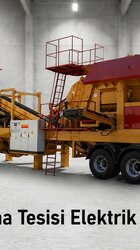
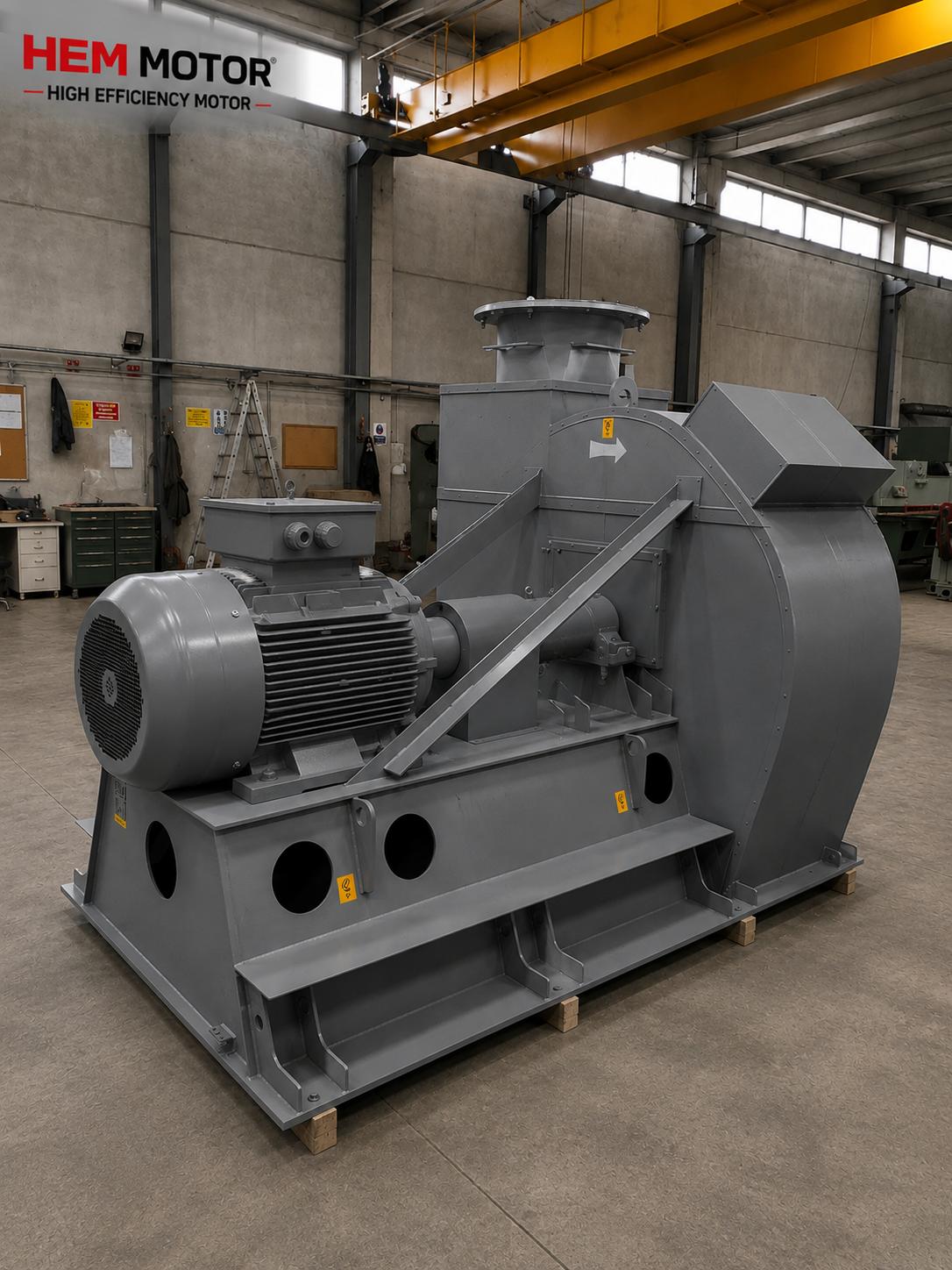

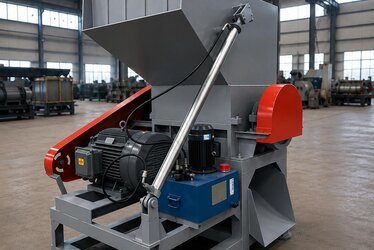
Among the equipment that feeds material flow in mining and crushing plants, the apron (plate/chain) feeder stands out. Positioned in front of the crusher, beneath the bunker or at the quarry outlet, this feeder carries heavy block ore to the crusher at a slow and steady speed. The motor that drives the apron feeder handles one of the toughest loads in the whole plant: overcoming the inertia and friction resistance of tons of material dropped on it, keeping speed steady under impact load and producing high torque at low speed. In this guide we cover apron (chain) feeder drive motor selection in terms of high starting torque, impact-load durability, gear reducer, starting and dust protection, based on real mining conditions. This article addresses a completely different application from the vibratory feeder motor, namely apron/chain mechanical drive.
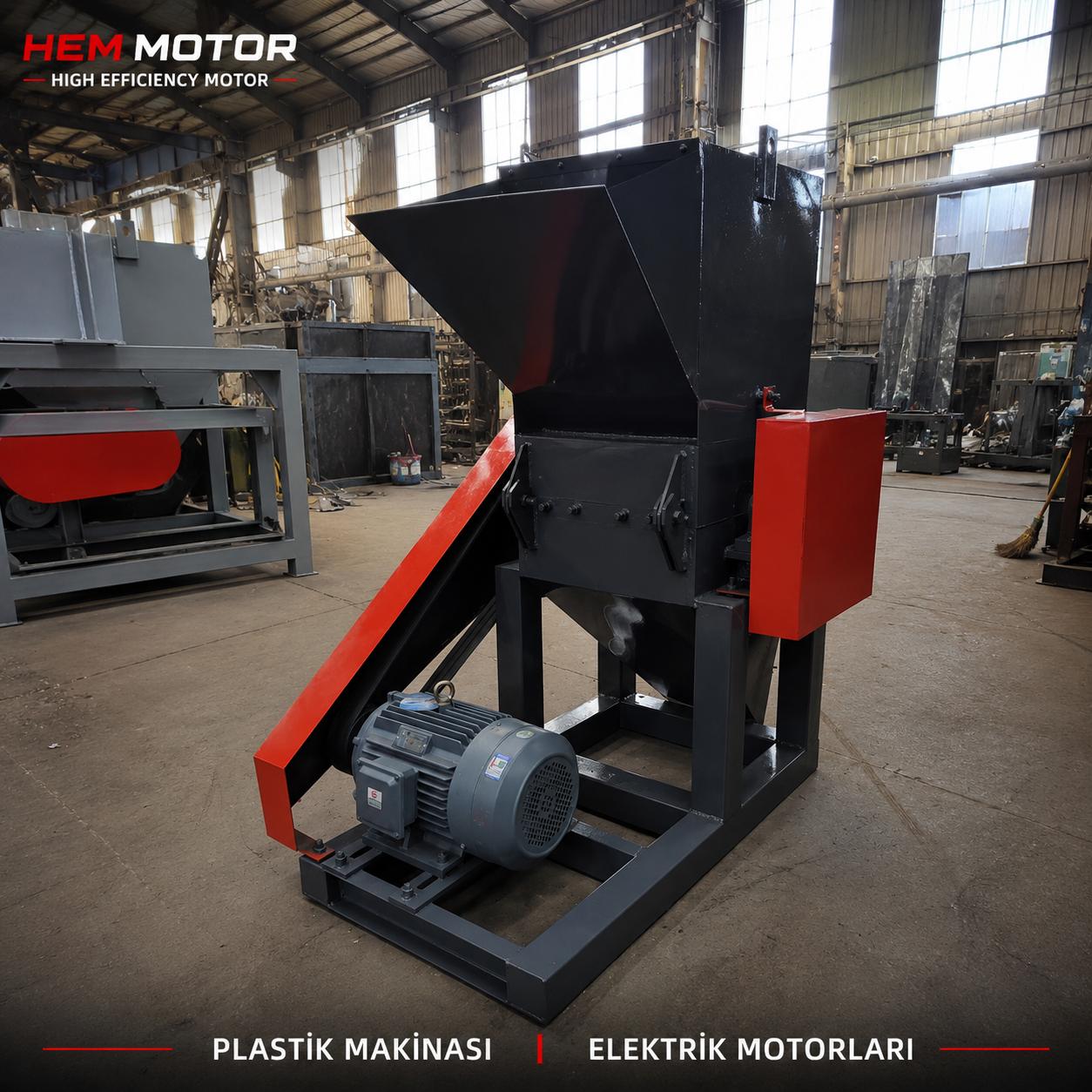
What Is an Apron Feeder and Why Is the Motor So Stressed?
An apron feeder is a heavy-duty conveyor made of overlapping steel plates (the apron) moving on a chain system. It is usually placed in front of a jaw crusher; it delivers large block material dumped into the bunker to the crusher at a controlled speed. Its difference from a classic rubber-belt conveyor is that it withstands the impact, weight and abrasion of very large and sharp blocks. For this reason the apron feeder turns very slowly but demands very high torque.
The main reason for the motor's stress is the load profile. Ton-scale blocks dropping from the bunker onto the feeder create sudden impact loads. When the feeder is stopped it stays loaded, and on restart the motor must free a statically loaded system from standstill. Therefore an apron feeder motor needs both high rated torque and a very high starting (breakaway) torque. You can find the basis of the torque-speed relationship in our asynchronous motor speed-torque (M-n) curve and breakdown torque article.
Difference Between Apron Feeder and Vibratory Feeder
The apron feeder physically carries material with chain-plate mechanics and is driven by a rotating electric motor. The vibratory feeder advances material by vibration and uses a special vibration motor with unbalanced weights. The two applications are fundamentally different in motor type and selection criteria. We cover the vibratory feeder side separately in our crusher feeder and bunker vibration motor selection article; the subject here is chain/plate drive with a rotating motor.
High Starting Torque and Geared Low Speed
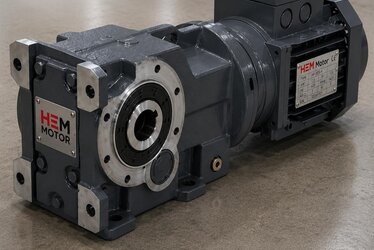
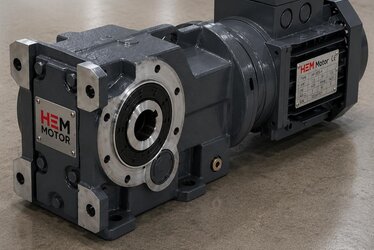
Apron feeders typically move at very low speeds, a few metres per minute. To reach this speed, the 1500 rpm motor speed is reduced by a high-ratio reducer. The reducer lowers the output speed while multiplying the output torque; so a relatively small motor can be chosen while a very high torque is obtained at the reducer output. Bevel-helical reducers are common in apron drives requiring high torque and a 90-degree output.
When selecting motor power, base it on the drive power given by the feeder manufacturer and add a power margin for impact and continuous heavy duty. For the right power-speed combination, our motor power calculation and low-speed (high-pole) motors articles form the basis. For reducer selection and matching, K series bevel-helical or worm gear and geared motor versus separate motor plus reducer guide you. For IEC compatibility in matching a motor to the reducer, the which motor fits a worm gear and NMRV reducer guide helps.
Torque Design Class and Service Factor
In this application that needs high starting torque, the motor's torque design class matters; Design N or H is chosen according to the load. The asynchronous motor torque design classes (N/H) and starting torque article clarifies this choice. You can find the importance of the service factor, which provides extra power margin for heavy duty, in IE3 motor service factor and overload capacity. To assess starting torque against the load in direct-on-line starting, IE3 motor rated torque and starting torque (DOL) is a practical resource.
Durability Under Impact Load: Flywheel, Inertia and Body Rigidity
The most critical load on the apron feeder is impact. Large blocks falling from the bunker create both mechanical shock and a sudden load increase. These impacts reflect back onto the motor and reducer. Using the system inertia and flywheel effect correctly under impact load extends motor and gear life. You can find the basis of this subject in our impact-load motor selection: flywheel, inertia and crusher drive article.
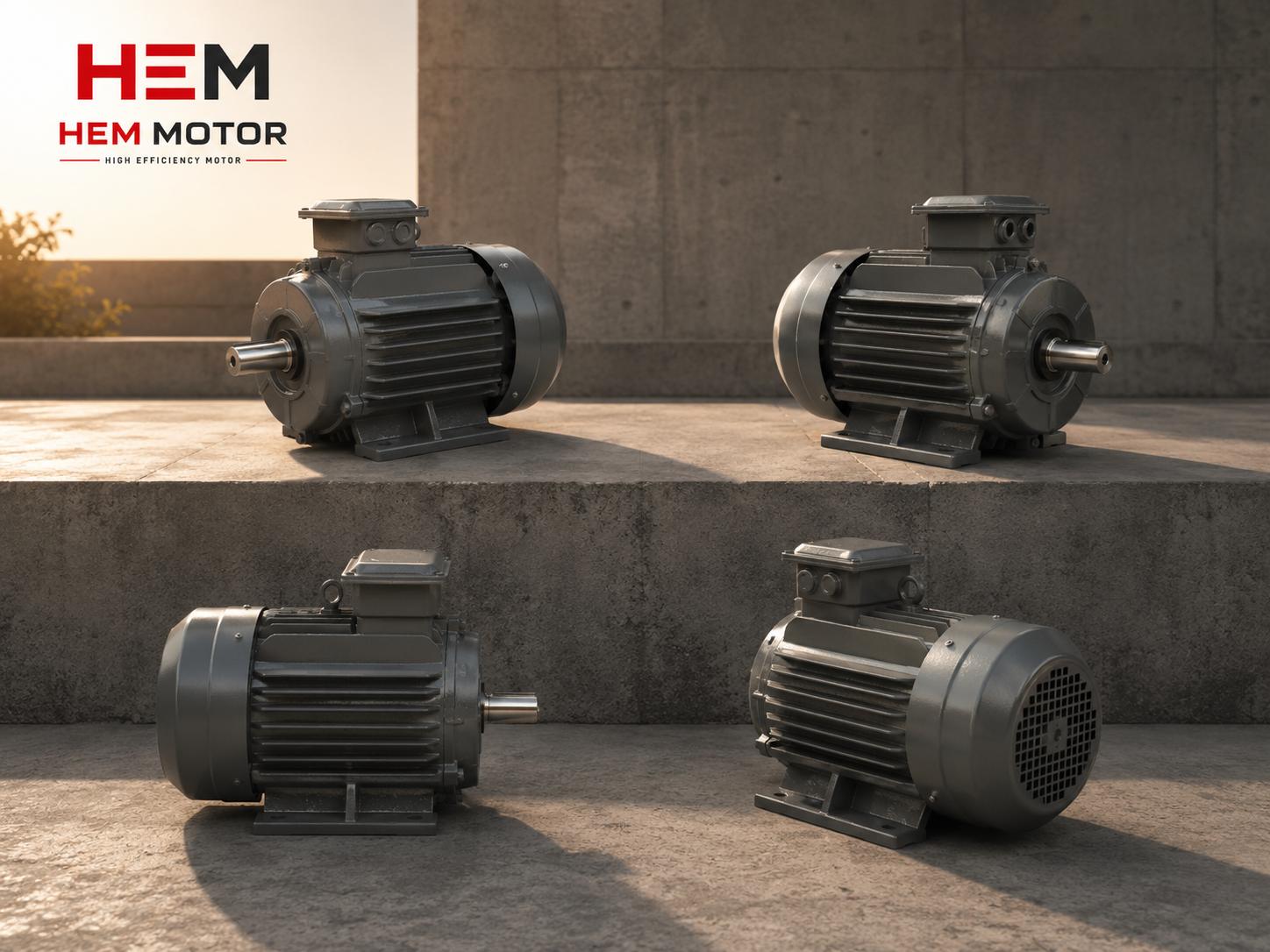
For the body material, cast iron is the natural choice for impact and vibration loads. A cast iron body damps mechanical shock and preserves body rigidity. The cast iron body motor impact strength and body rigidity article explains why cast iron is preferred under heavy impact load. Since high torque transmission on the shaft and key side is also critical, cast iron motor shaft material and steel grade (C45/alloy) and cast iron motor shaft diameter, key and coupling ensure correct mechanical matching.
Starting: Soft Start and Current Limiting
Because starting a loaded apron feeder requires high inertia and high torque, the motor draws a large starting current. To limit this current and protect the mechanical chain, soft starters or star-delta starting are preferred. The articles starting AC asynchronous motors: star-delta or soft starter and starting a crusher motor detail this decision. You can find the source of starting current and the methods to reduce it in asynchronous motor starting current: LRA. At very high power and inertia a liquid resistance starter is also an option; the liquid resistance starter (LRS) and slip-ring motor on large crushers article addresses this solution.
IP65 Dust Protection and Site Durability
The apron feeder works in one of the dustiest and most aggressive areas of the plant, in front of the crusher. Constantly rising fine dust can clog the motor's cooling fins and stress its sealing. Therefore at least IP65, where possible IP66, protection is preferred on apron drive motors. For protection class selection, the electric motor IP protection class selection: IP55, IP65, IP66 and specifically crusher motor dust sealing and IP65/IP66 protection articles are references. For overall site dust, moisture and impact protection, review stone quarry and mine site motor protection. For the effect of dirt build-up on cooling fins on efficiency, the cast iron motor cooling fins and dirt build-up article is important.
Bearing Life, Maintenance and Downtime Cost
Impact and dust are the two factors that stress bearing life the most. The right grease type and lubrication interval are the basis of planned maintenance on the apron motor. The crusher and mill motor bearing life: shock, dust and lubrication and electric motor bearing greasing articles help you plan this maintenance. Since the whole plant can stop when the apron feeder stops, reducing failure and downtime cost is critical; the reducing motor failure and downtime cost in a crusher plant and critical spare motor list articles guide a redundancy plan. For other feeder and belt motors in the crushing-screening line, the screen, feeder and belt drive in a crushing-screening plant article is complementary.
Drive Arrangement: Direct Coupled, Chain-Sprocket and V-Belt
On an apron feeder, the motor-reducer unit can transmit power to the feeder drive shaft in different ways. The most common solution is the arrangement where the reducer output is connected to the feeder shaft with a chain-sprocket; this provides high torque transmission and mounting flexibility. In some applications the reducer is coupled directly to the shaft. V-belt-pulley drive is less preferred in very high-torque and impact applications such as the apron, because belt slip and tension management are difficult. You can find the limits and correct selection of belt-pulley drive in the V-belt-pulley drive in crushers and breakers article. In the connection between motor and machine, correct coupling selection and shaft alignment directly affect gear and bearing life; we cover this in the flexible or rigid coupling article.
Whatever the drive arrangement, the apron feeder runs at very low output speed. In some special applications requiring gearless direct drive, high-pole, low-speed motors can be considered; you can review this option in the low-speed (high-pole) motors article. But the great majority of apron feeders use a geared drive because of the high torque need.
Cooling, Continuous Full Load and Heating Management
The apron feeder motor runs continuously and usually close to full load in front of the crusher. Heavy dust clogs the motor's fan cover and cooling fins, weakening cooling, which raises the winding temperature. Heating management is critical on mining motors running continuously at full load. We cover this in the crusher plant motor cooling and overheating article. Adding a PT100 or thermistor to monitor winding temperature is recommended on critical apron motors; the motor winding temperature monitoring: PT100 and PTC thermistor article details this monitoring. You can find the effect of heating class and temperature rise on life in the asynchronous motor heating class and temperature rise article.
The apron feeder is mostly a continuously running rather than frequently start-stopped equipment; therefore S1 continuous duty is taken as the basis. But in some plants the feed is stopped and started on demand; in that case attention must be paid to the starts-per-hour limit. For duty type selection, the electric motor duty type (S1-S6) selection and for the effect of frequent starting on heating, the asynchronous motor starts-per-hour limit articles are guides.
Frequently Asked Questions
Why does an apron feeder motor need high starting torque?
When the apron feeder is stopped it stays loaded. On restart the motor must set in motion a stationary system full of heavy load. This requires a very high starting (breakaway) torque. Therefore a geared drive and a suitable torque design class are chosen.
Are apron feeder and vibratory feeder motors the same?
No. The apron feeder is driven by a standard rotating motor (usually geared) that turns the chain-plate mechanism. The vibratory feeder uses a special vibration motor with unbalanced weights. Motor type and selection criteria differ.
Which IP protection is needed on an apron drive motor?
Because of the intense fine dust in front of the crusher, at least IP65 and where possible IP66 is recommended. A cast iron body provides extra durability for impact load and vibration.
Get a Quote
For your mine and crusher apron (chain) feeder drive motors we offer IE3/IE4 motor options with high starting torque, geared low-speed solutions, IP65/IP66 dust protection and cast iron bodies. Share the feeder manufacturer's drive power, output speed and load profile; let us determine the right motor, reducer, starter and protection package together. For a fast quote reach us through our contact page or call +90 (532) 345 49 86. Browse our product range from our home page and from our crusher and stone crushing plant motor selection article.
Purchasing and Selection Checklist
1) Determine the feeder manufacturer's drive power and required output speed. 2) Assess the bunker load and impact profile, then add a power margin. 3) Choose reducer type and ratio for high starting torque. 4) Verify the Design N/H torque class and service factor against the load. 5) Request at least IP65, preferably IP66 protection class. 6) Confirm a cast iron body, strong shaft and key dimension. 7) Decide the starting method (soft starter/star-delta, LRS if needed). 8) Add thermal and phase protection equipment. 9) Plan bearing grease type and lubrication interval according to impact-dust conditions. 10) Set the spare motor stock for the apron feeder according to downtime cost.