English
 Türkçe

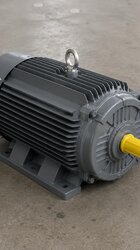
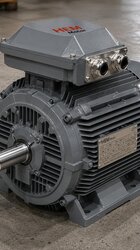
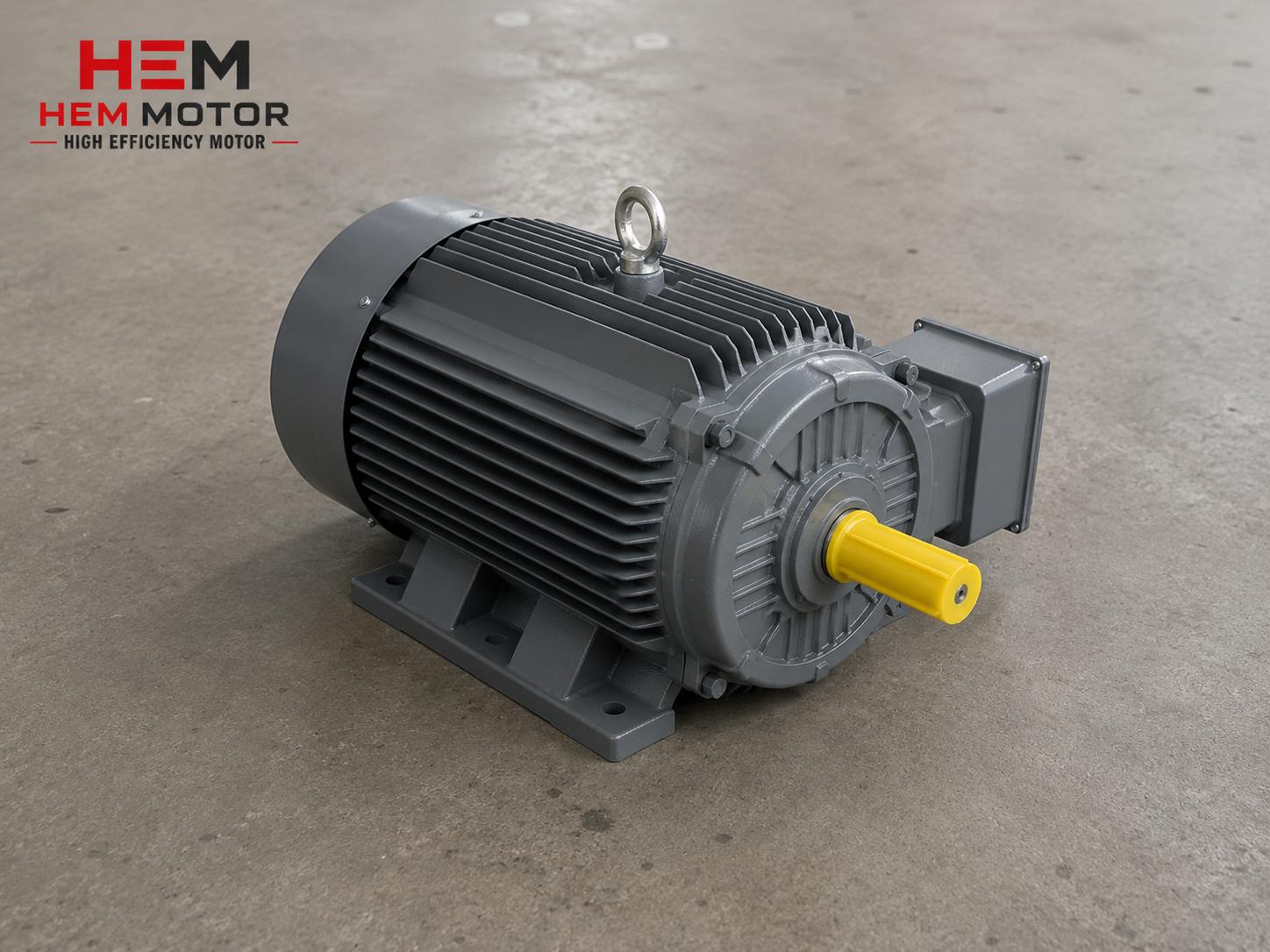

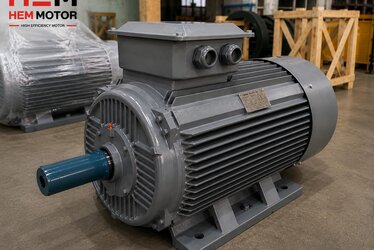
When you start an asynchronous motor for the first time, the motor draws, for a brief moment, a current far above the rated current. This high initial current is called the starting current or, by its technical name, LRA (Locked Rotor Amps). This phenomenon directly affects many decisions from motor selection to installation design; because the fuse, breaker and cable are chosen according to this high current. In this guide we cover what LRA is, why it rises to 6-8 times the rated current, and by which methods it is reduced and matched to the application.
What Is LRA? Locked Rotor Current
LRA (locked rotor current) is the current the motor draws from the grid while it is fully at standstill, that is, before the rotor has begun to turn. The moment voltage is first applied to the motor, the rotor is stationary, and in this state the motor behaves like the short-circuited secondary winding of a transformer. As a result, a very high current flows. This current is typically 6 to 8 times the rated current (In) that the motor draws in normal operation.
As the motor begins to turn and reaches its speed, this current drops rapidly and falls to the rated current level. So LRA is a current specific only to the starting moment, brief but very high. Managing this short moment well is critical for the health of both the motor and the installation.
Why Is the Starting Current So High?
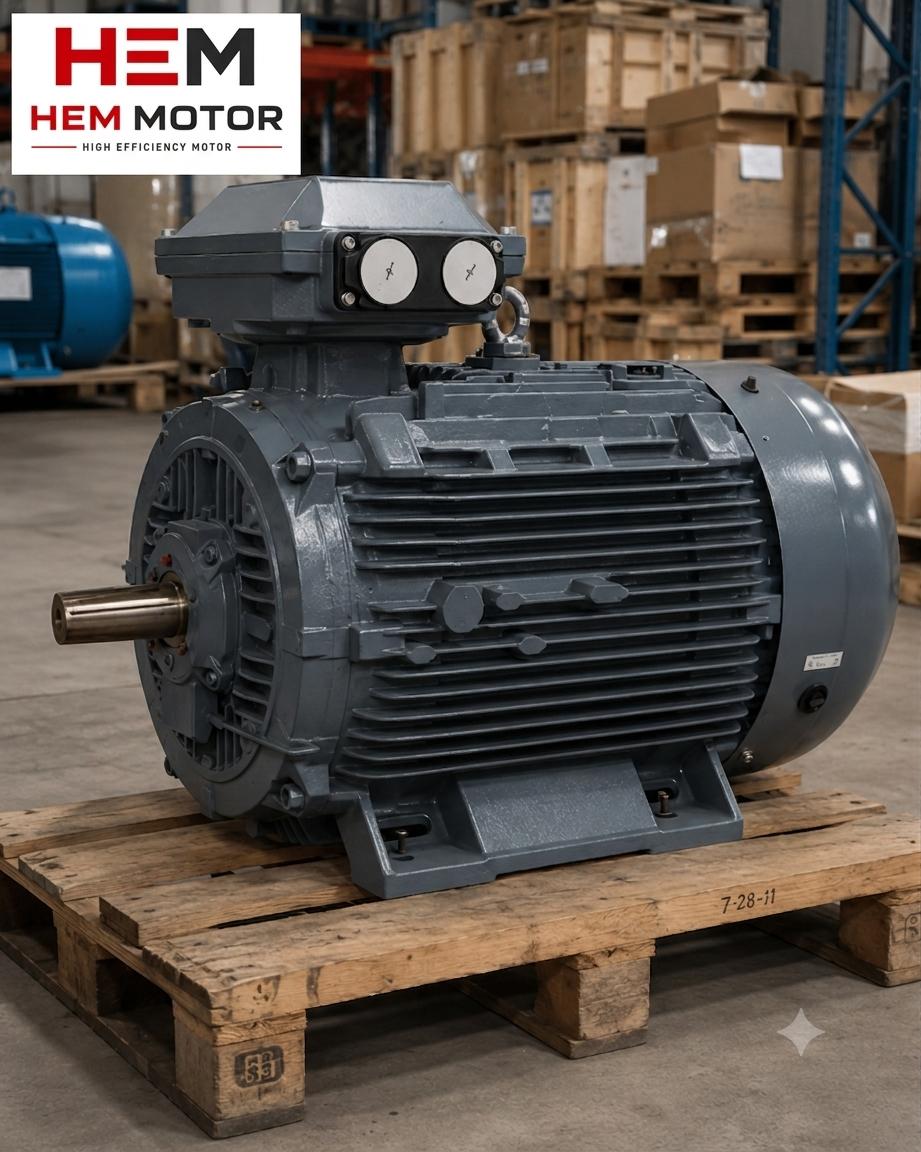
The height of the starting current arises from the operating principle of the asynchronous motor. While the motor is at standstill, the relative speed (slip) between the rotor and the rotating magnetic field is at its highest value; in this state the current induced in the rotor, and therefore the current drawn from the stator, is also very high. As the rotor accelerates and approaches the rotating field, the slip decreases and the drawn current falls.
This physical fact has practical consequences:
- The grid is stressed: The high starting current stresses the grid, even if briefly, and can cause a voltage drop.
- Nearby loads are affected: Other devices connected to the same line may feel a voltage dip at the moment of starting.
- Mechanical shock: The sudden high torque shakes transmission parts such as belts, couplings and gears.
That is why the starting current is not just a technical detail; it is a fundamental parameter that determines installation design and protection element selection. For the right motor and solution, take a look at the electric motor prices page.
How Does the Starting Current Affect Fuse, Breaker and Cable Selection?
The high starting current directly affects the selection of the elements used to protect and feed the motor:
- Fuse selection: The fuse must not mistake the high current at start for a fault and blow, yet must quickly cut the circuit in a real short circuit. That is why time-delay (gG/aM type) fuses are used in motor applications.
- Breaker selection: The motor protection breaker must be set to withstand the starting current but protect against overload and short circuit.
- Cable cross-section: The cable is selected to safely carry the continuous rated current; but the starting current is also taken into account in the voltage drop calculation.
When these selections are not made correctly, either the fuse blows at every start or the protection is inadequate. That is why the LRA value is data that must be known at the start of installation design.
How Is the Starting Current Reduced? Starting Methods
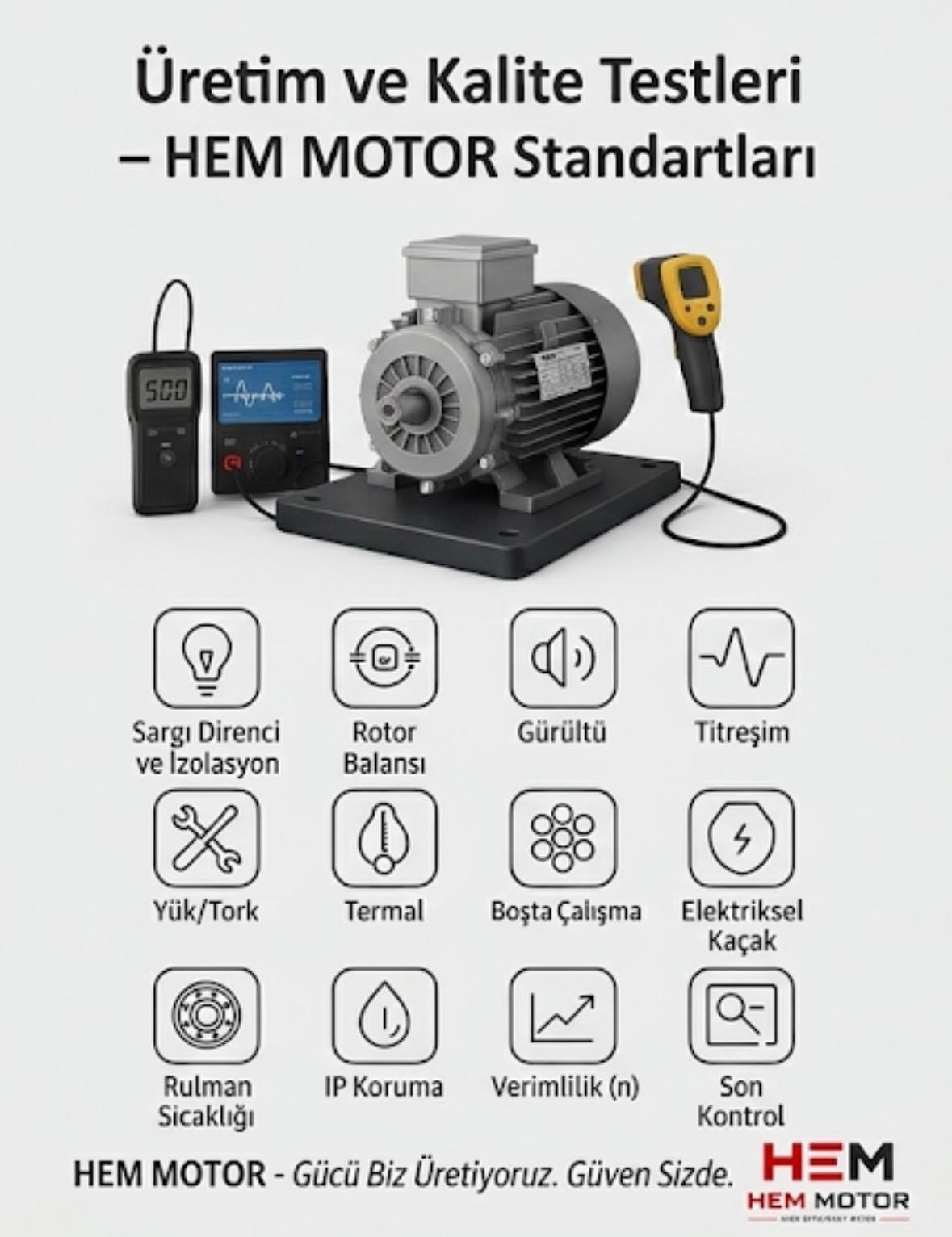
The problems created by the high starting current can be managed with the right starting method. Depending on the application there are four basic methods:
- DOL (direct-on-line): The motor is connected directly to the grid; the simplest and cheapest method. The starting current is at its full value (6-8 In); preferred at small powers and where the grid is suitable.
- Star-delta: The motor first starts in star with low voltage, then switches to delta. It reduces the starting current to about one third; suitable for applications that start unloaded or lightly loaded.
- Soft starter: Softens the starting current and mechanical shock by gradually raising the voltage; adjustable and flexible.
- VFD (frequency inverter): Both limits the starting current and provides speed control and energy savings; the most advanced solution.
The right method is chosen by the application's load character, grid capacity and budget. Whatever the method, the goal is to bring the starting current down to a level suited to the application and the grid.
The Right Motor and Starting Solution With Manufacturer Assurance
The starting current is a parameter that must be considered together with motor selection; because the motor's nameplate values, starting method and protection elements are interrelated. HEM Motor offers motors with the right rated current and starting characteristics, with starting recommendations suited to the application, with strong stock and manufacturer assurance. Providing the right motor together with the right solution guarantees both installation safety and trouble-free starting. For a solution and quote suited to your needs, review the electric motor prices page.
Frequently Asked Questions
What exactly is LRA?
LRA (locked rotor current) is the current the motor draws from the grid while at standstill, that is, before the rotor has begun to turn. This current is typically 6-8 times the motor's rated current and drops rapidly as the motor reaches its speed.
How does the starting current affect the installation?
The high starting current stresses the grid and directly affects fuse, breaker and cable selection. The fuse is selected as a time-delay type, the protection breaker is set, and this current is taken into account in the cable voltage drop calculation.
How is the starting current reduced?
It is reduced with DOL, star-delta, soft starter and VFD methods. DOL is the simplest but has the highest current; star-delta reduces the current to one third; soft starter and VFD provide gradual, adjustable control. The method is chosen by the application.