English
 Türkçe

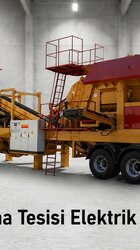
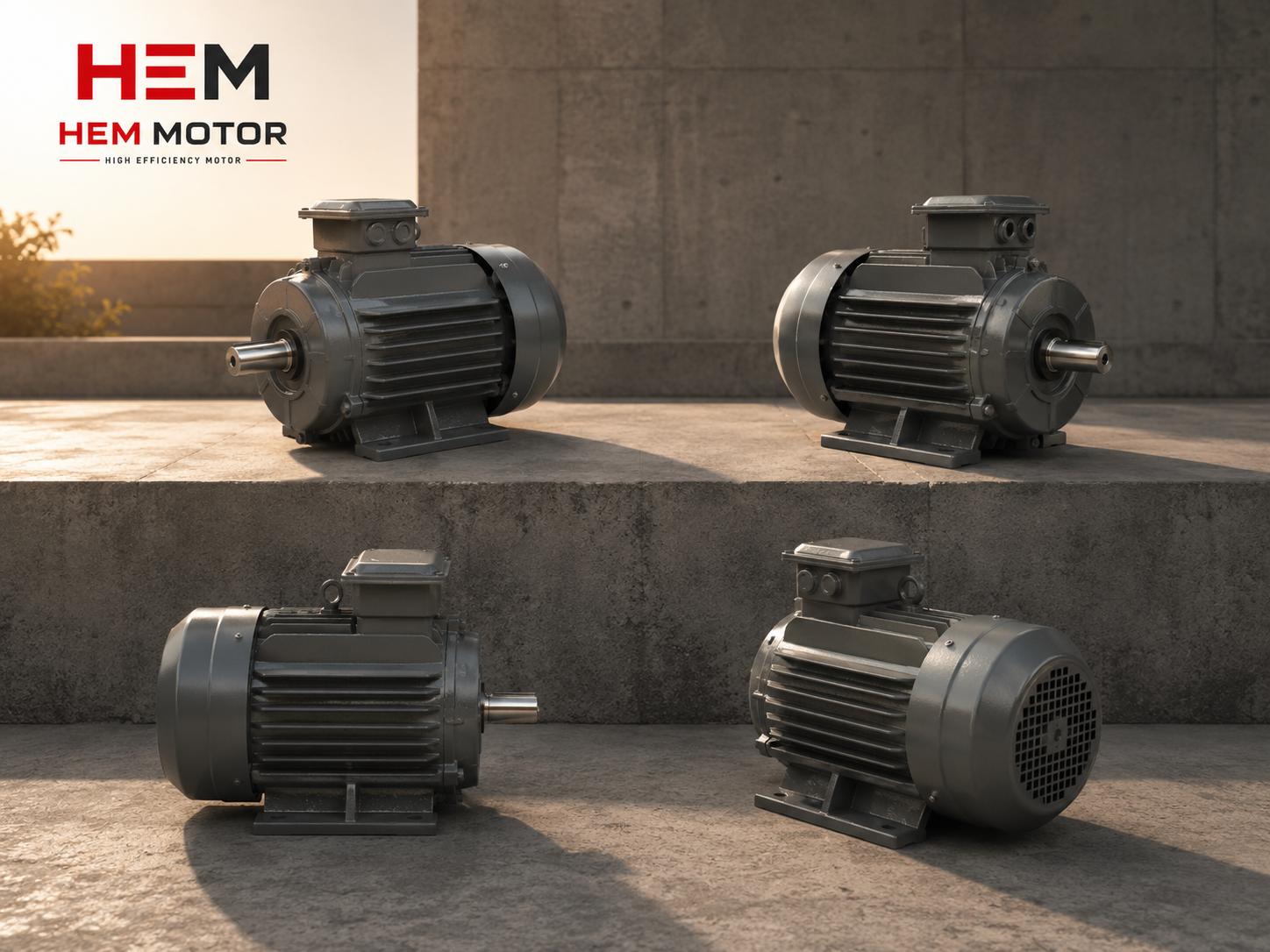

In crusher and stone-crushing plants there is a motor group as critical as the main crusher yet often overlooked: the vibration motors used in vibrating feeders, under-bunker feeding units and vibrating screens. These motors produce controlled vibration to feed material steadily from the bunker to the crusher and to separate it by grain size on screens. They work entirely differently from a standard drive motor; thanks to the unbalanced (eccentric) weights inside them, they create centrifugal force, and this force vibrates the feeder or screen. A wrongly selected vibration motor disrupts material flow, feeds the crusher unevenly and lowers screening efficiency. As both a manufacturer and supplier, HEM Motor supplies stone crushing-screening plant motors built to withstand heavy dust, impact and continuous vibration. In this article we cover vibration motor selection, centrifugal force adjustment, IP66 dust protection and correct supply from a commercial buyer's perspective.
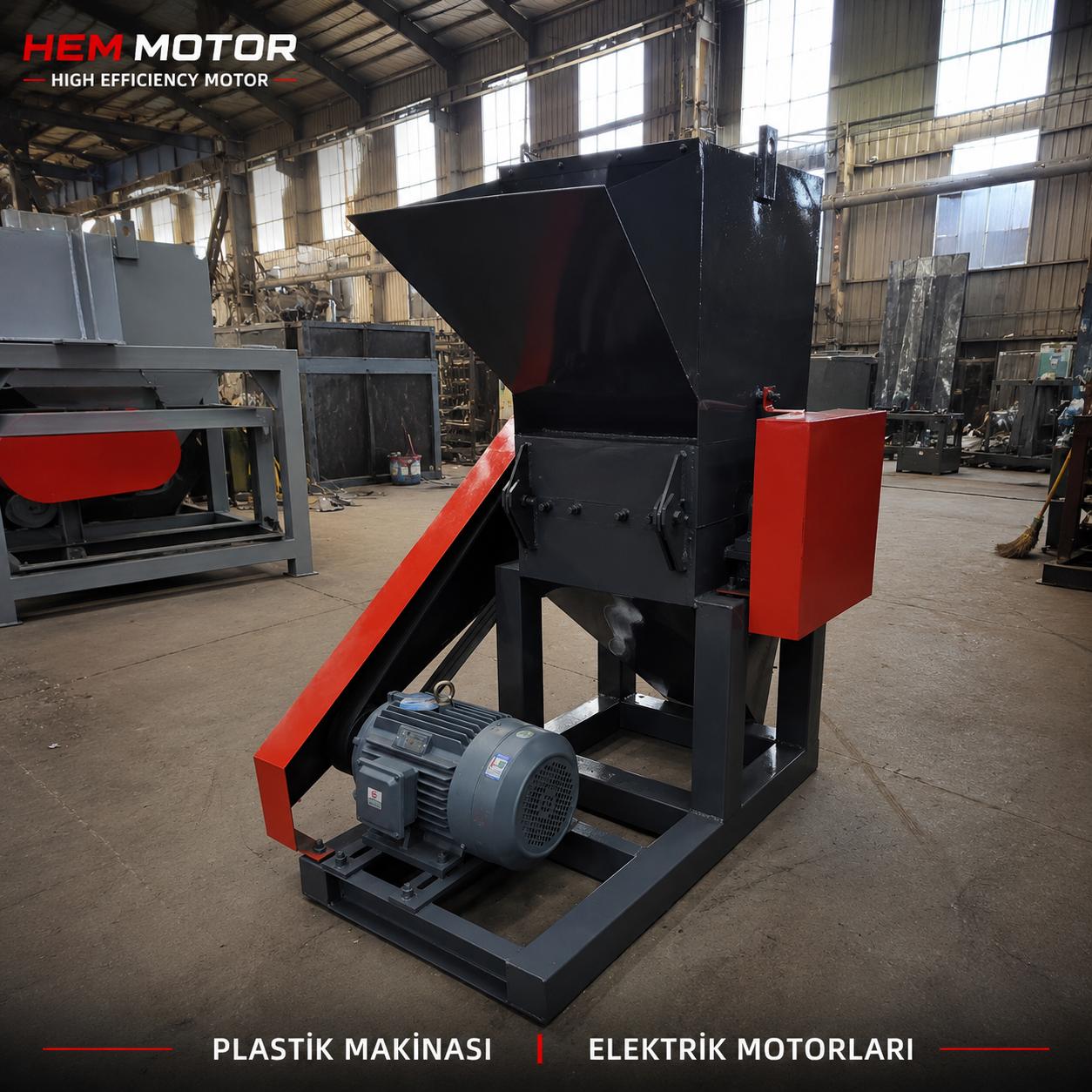
How Does a Vibration Motor Work?
Although a vibration motor resembles a standard asynchronous motor, it differs through adjustable unbalanced weights (eccentric flanges) mounted on the shaft ends. When the motor turns, these weights produce centrifugal force; this force vibrates the feeder tray or screen body to which the motor is attached, with a back-and-forth or circular motion. This vibration is used to feed material smoothly from the bunker to the crusher, or to pass it across the screen separated by grain size.
The important difference is this: while a normal motor rotates a load connected to its shaft, a vibration motor vibrates a mass together with its own body. Therefore the bearings of a vibration motor must be reinforced to carry continuous radial vibration load. We also emphasized the importance of these motors beyond the main crusher in our screen, feeder and belt drive in crushing-screening plants article; vibrating feeders and screens are the most critical application area of these motors.
Centrifugal Force Adjustment and Weight Setting
The most practical feature of a vibration motor is that its produced vibration force is adjustable. By changing the angle of the unbalanced weights at the shaft ends, the centrifugal force (usually expressed in kN) is increased or decreased. More force means stronger vibration and faster material flow; however, excessive force fatigues the feeder body and connections. The correct setting balances the feed rate to the material type and crusher capacity. At the ordering stage, the required centrifugal force (kN) and speed should be determined according to the values given by the feeder/screen manufacturer.
Vibrating Feeder, Bunker and Screen Applications
Vibration motors serve at several different points in a stone-crushing plant; each demands a different force and speed:
- Under-bunker vibrating feeder: Feeds the material under the bin steadily and prevents bridging (clogging). High centrifugal force is needed.
- Grizzly feeder: Directs coarse material to the crusher while screening out fine soil. Runs under continuous heavy load.
- Vibrating screen: Separates crushed material by grain size. Usually dual-motor units synchronized for balanced vibration are used.
- Bunker anti-clogging: Small vibration motors mounted on silo and bin walls keep the material flowing.
Because each of these motors works under heavy dust and impact, the dust, moisture and impact measures in our stone quarry and mine motor protection article apply here too.
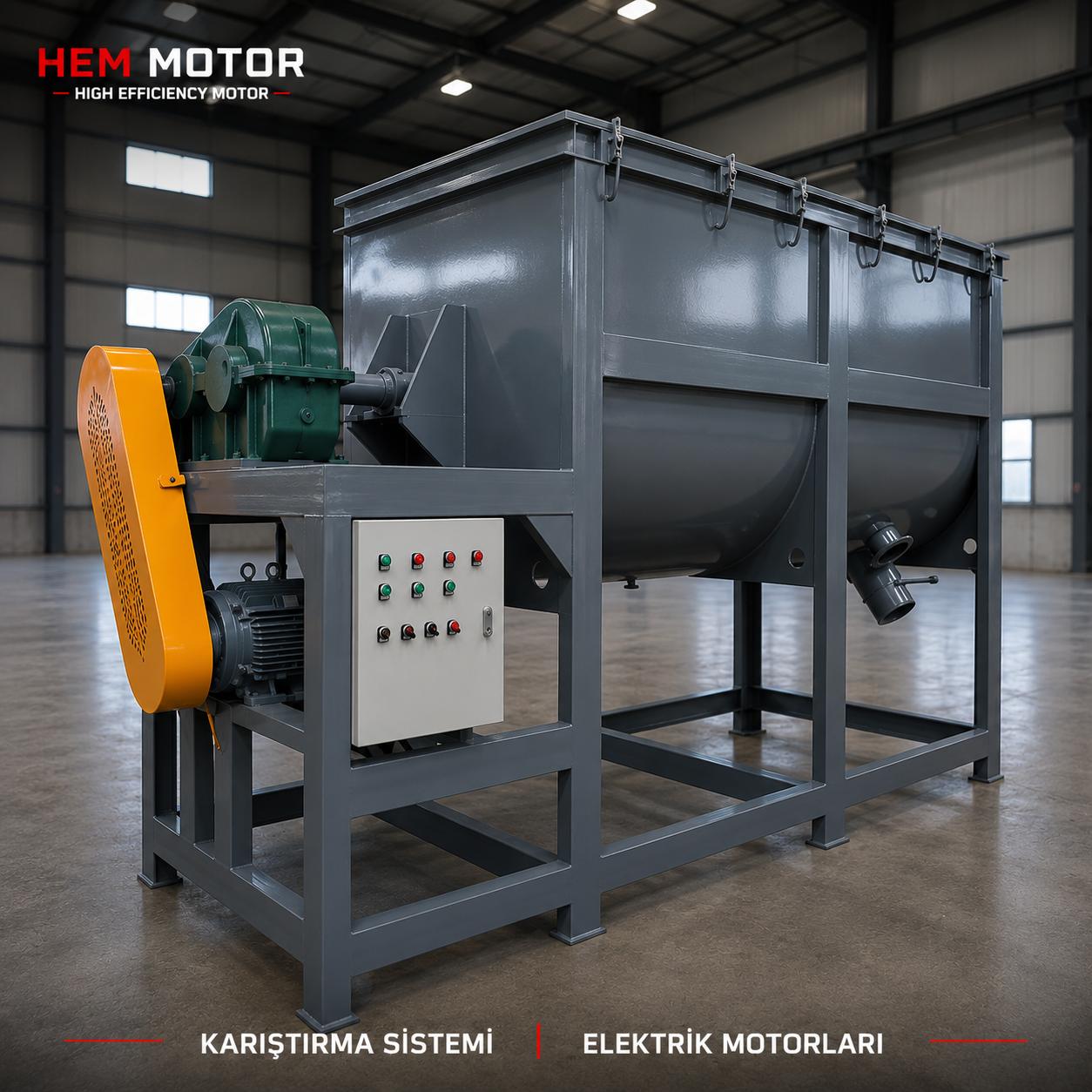
IP66 Dust Sealing: Why Is It Essential?
A stone-crushing plant is the dustiest environment in the sector. The fine stone dust produced during crushing and screening penetrates everywhere. Because the vibration motor constantly vibrates, dust sealing is more critical than for an ordinary motor; vibration accelerates the loosening of gaskets and seals. Therefore, at least IP66 protection should be requested for feeder and screen vibration motors; this class is fully dust-tight and also withstands powerful water jets. Our crusher motor dust sealing and IP65/IP66 protection article, which addresses dust protection together with field measures, also guides vibration motor selection. In addition, strong cataphoresis coating protects the frame in a constantly dusty and humid environment.
Bearings, Durability and Continuous Vibration Life
The most strained part of a vibration motor is the bearings. Working under continuous radial vibration load, these bearings are selected in a far heavier duty class than a standard motor's. A quality vibration motor has a reinforced bearing structure and vibration-resistant winding connections. To reduce the risk of early failure, the motor must be designed by the manufacturer specifically for this application; using a general-purpose motor as a vibration motor leads to fast failure. The cost of a failure in a crusher plant is very high; we covered these losses and the spare strategy in our motor failure and downtime cost in crusher plants article.
Stock and Emergency Replacement Strategy
A stopped bunker feeder or screen halts the entire crushing line. Therefore spares of critical vibration motors should be kept in stock. This is even more critical in mobile and portable plants; the fast-supply approach in our motor supply in mobile crushers and portable crushing plants article also applies to vibration motors. Because HEM Motor produces with standard connection dimensions, it can quickly supply a one-to-one replacement of your failed motor; you can also source the plant-wide high-efficiency electric motors and main crusher drive motors from a single supplier.
Frequently Asked Questions
What is the difference between a vibration motor and a standard motor?
While a standard asynchronous motor rotates a load connected to its shaft, a vibration motor produces centrifugal force with adjustable unbalanced weights at the shaft ends and vibrates the feeder or screen body to which it is attached. A vibration motor's bearings are reinforced to carry continuous radial vibration load. Therefore it is not correct to use a general-purpose motor in a vibration application; a vibration motor specifically designed for this job is required.
How is the vibration force of a vibration motor adjusted?
By changing the angle of the unbalanced weights at the shaft ends of the vibration motor, the produced centrifugal force (kN) is increased or decreased. Higher force provides stronger vibration and faster material flow; however, excessive force fatigues the feeder body and connections. The correct setting balances the feed rate to the material type and crusher capacity. The required force and speed should be selected according to the feeder/screen manufacturer's values.
Which IP protection class is needed for a feeder and screen motor?
Because a stone-crushing plant is the dustiest environment in the sector and the vibration motor constantly vibrates, at least IP66 protection is recommended. IP66 is fully dust-tight and also withstands powerful water jets. Since vibration accelerates the loosening of gaskets and seals, dust sealing is more critical here than for an ordinary motor. In addition, strong cataphoresis coating protects the frame in a constantly dusty, humid site and extends motor life.
Get a Quote
Supply a vibration motor with the right centrifugal force, IP66 protection and heavy-duty rating for your crusher feeder, under-bunker feeding unit or vibrating screen from HEM Motor. Share your required force (kN), speed and application; we will quickly offer a suitable stock delivery or project solution. Call now: +90 (532) 345 49 86 or request a quote from our contact page.