English
 Türkçe

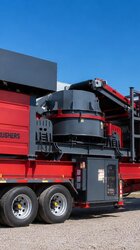
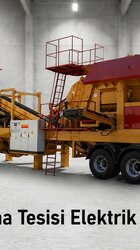


In a crusher plant, the main motor stopping is not just one machine stopping; more often it is the entire production line suddenly falling silent. From the feed belt to the screening unit, from the discharge conveyors to the truck-loading point, the whole chain depends on the main crusher motor. When that motor stops, the material flow is cut, the stockpile area begins to empty, and everyone waiting on site is left idle. This is precisely why, in crusher plants, downtime cost can never be measured by the price of a new motor alone.
The field reality is harsh: the real downtime cost consists of items far larger than the price of a new motor. Lost production tonnage, trucks that have arrived on site but wait because you cannot load them, delivery promises made to customers that can no longer be kept, extra overtime and penalty fees... When all of these add up, the hourly downtime cost often climbs well above the purchase price of the motor. Comparing the cost of a motor with the cost of a stoppage lasting hours, even days, is a calculation that most operators overlook yet which is decisive.
In this article we examine, item by item, the real cost of a motor failure in a crusher plant, and we explain how stocked redundancy for the critical motor and a fast-replacement plan minimize unplanned downtime and the total loss.
What Does Downtime Cost Actually Consist Of?
When a motor fails in a crusher plant, the first figure that appears in the operator's mind is usually the price of the new motor. Yet this is only the visible tip of the iceberg. The real cost is hidden in the invisible items that accumulate throughout the time the motor is down. Seeing these items clearly is the key to understanding why stocked redundancy is not a luxury but a necessity.
- Lost production: In a plant with a capacity of hundreds of tons per hour, every stopped hour means material that cannot be sold. This is the largest and most direct loss.
- Waiting trucks: While trucks that have come to the site for loading wait empty, both transport cost and customer dissatisfaction accumulate.
- Missed delivery promises: Delay in contracted deliveries can lead to penalty fees and, in the long run, loss of business.
- Idle workforce: Operators, belt attendants and field staff continue to be paid even without production.
- Emergency supply premiums: Trying to find a motor "immediately" during an unplanned failure usually brings express shipping and premium costs along with it.
When all these items come together, the hourly downtime cost can easily exceed the price of a new motor within a few hours. That is why the issue is not "how much is the motor?" but "when this motor stops, how much does each hour cost me?"
The Harsh Operating Conditions of Crusher Motors
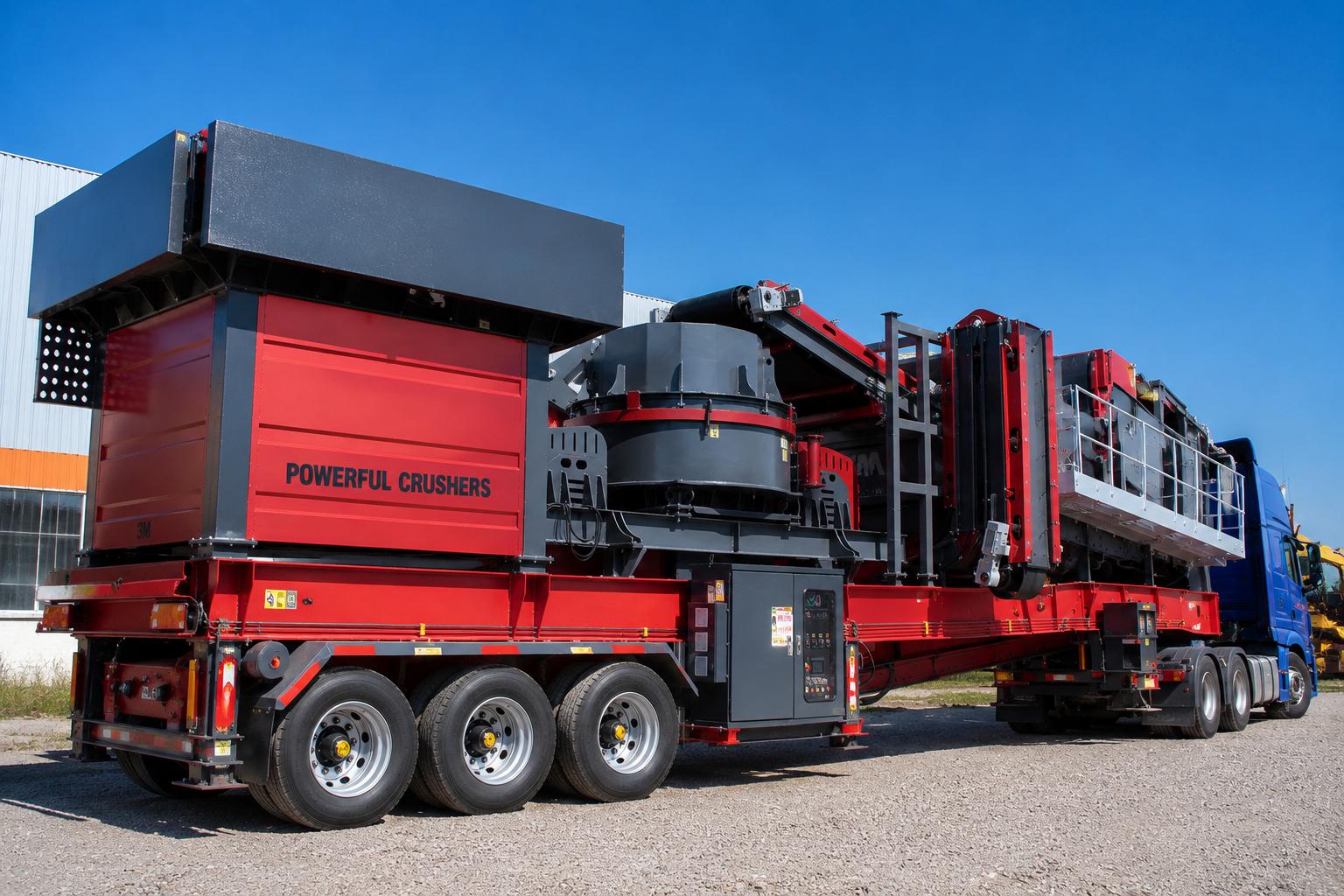
Crusher motors are among the motors exposed to the toughest operating conditions in industry. Understanding why these motors fail is critical both for choosing the right motor and for building the redundancy plan. The main factors that strain the motor in crusher applications are:
High Starting Load and Impact Operation
A crusher has a load profile that constantly changes according to the material entering it. When a large piece of rock enters, the motor momentarily faces a very high torque demand. This impact load rapidly consumes the life of an ordinary motor. That is why heavy-duty electric motors are preferred in crusher applications.
Dust, Vibration and Temperature
In quarries and mine sites, dust is everywhere. This dust blocks the motor's cooling and accelerates wear by seeping into the bearings. Continuous vibration loosens fasteners; high ambient temperature strains the winding insulation. These conditions require motors with a high protection class and a durable frame. On this topic, our content on cast iron frame motors in outdoor use provides detailed information.
Frequent Starting
Crusher motors that are frequently stopped and restarted due to blockages or maintenance heat up with every start. Frequent starting fatigues the motor windings and mechanical components. This is an important factor that increases the probability of failure.
Stocked Redundancy: Turning Unplanned Downtime into Planned Maintenance
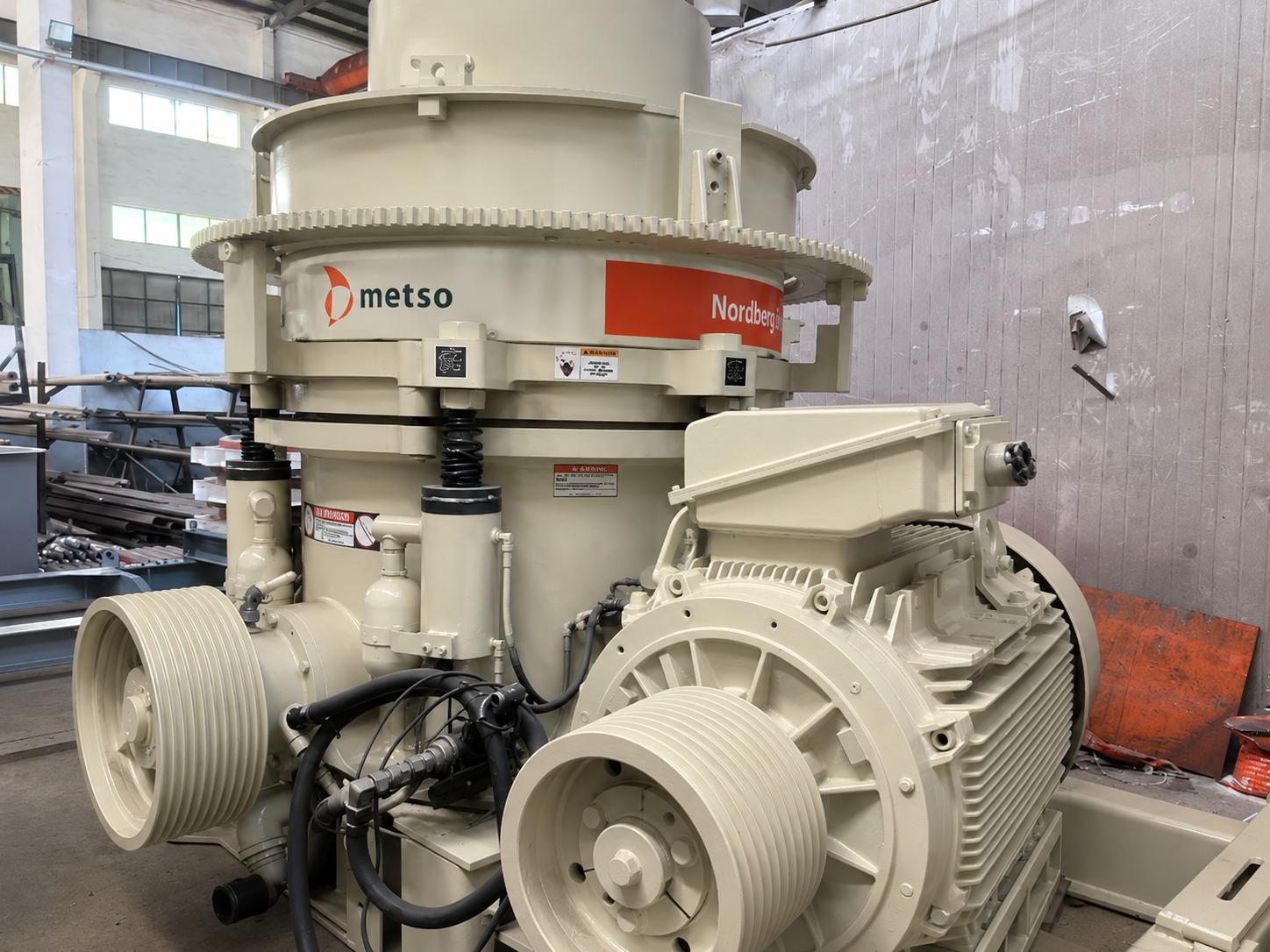
The most effective way to minimize unplanned downtime in a crusher plant is to set up stocked redundancy for the critical motor. The basic logic is simple: a twin of the main crusher motor should be ready and waiting, either as a spare at the plant or in the supplier's stock. This way, instead of waiting for a supply that would take days at the moment of failure, the replacement motor is put into service quickly.
- Spare motor at the plant: For the most critical crushers, keeping an identical motor ready at the plant is the fastest solution. The swap is completed within hours at the moment of failure.
- Ready twin motor in the supplier's stock: Keeping a spare at the plant may not be feasible for every facility. In that case, having a motor of the required power and specification ready in the supplier's stock reduces shipping time from days to hours.
- Pre-recording nameplate data: When the power, speed, mounting type and shaft dimensions of critical motors are recorded in advance, the correct replacement motor is identified instantly at the moment of failure.
Stocked redundancy is essentially turning an unplanned crisis into a planned change. When the motor is ready in advance, the team performs the swap calmly; mistakes such as fitting the wrong motor with a panicked "whatever we can find" approach do not occur. This approach delivers its strongest result when evaluated together with a spare motor stock strategy for critical motors.
Steps of a Fast-Replacement Plan
Keeping a spare motor in stock is not enough on its own; a clear replacement plan that kicks in at the moment of failure is also required. A well-designed plan minimizes downtime:
- A list of critical motors and a pre-determined source of a replacement motor for each.
- The required tools, lifting equipment and personnel ready for the swap.
- Filing of motor nameplate data and mounting dimensions.
- A fast quotation and shipping channel established with the supplier in advance.
- Quick checking of the rotation direction and electrical connections after commissioning.
Thanks to this plan, when the main motor fails the team knows what to procure, from where, and in how much time. Uncertainty disappears and the stoppage turns into a controlled maintenance operation. A crisis that lasts days in an unprepared plant is reduced to a swap measured in hours in a prepared one.
The Right Motor Choice Reduces Failure Frequency
As important as fast replacement is making sure failures happen less in the first place. Choosing the right motor for a crusher application significantly reduces the frequency of unplanned downtime:
- Power and service factor suited to the application; a motor constantly running at its limit fails early.
- A high protection class (IP55 and above) protects the windings against dust and humidity.
- A durable cast iron frame motor choice provides mechanical safety against vibration and impact.
- IE3/IE4 efficient motors offer both energy savings and a lower operating temperature.
A well-chosen, quality motor fails less often; and when it does fail, if there is a ready spare and a clear replacement plan, the downtime is minimized. This two-layered approach — a quality motor and stocked redundancy — is the strategy that reduces total downtime cost most powerfully. Setting up a redundancy plan for your critical motor now, based on current stock availability and electric motor prices, prevents major losses at the first failure.
Looking at It from a Total Cost of Ownership Perspective
Evaluating a crusher motor only by its purchase price is one of the most expensive mistakes. The right perspective is to see the total cost of ownership: purchase price, energy consumption, maintenance expenses and, most importantly, the cost of potential downtime. In this equation, the difference in initial investment for a somewhat higher-quality and correctly chosen motor returns many times over with the first prevented stoppage.
Especially for critical crusher motors, choosing not "the cheapest" but "the one carrying the least downtime risk" is the correct economic decision. Stocked redundancy and a fast-replacement plan are the most concrete tools that lower this total cost. A single major stoppage often wipes out all of the small savings accumulated over years.
Frequently Asked Questions
How is the real downtime cost of a crusher motor failure calculated?
The real downtime cost includes far more than just the price of the new motor. The sales value of the tonnage produced per hour, the transport and waiting cost of idle trucks, the wages of the idle workforce, and items such as penalties and customer loss from missed deadlines are all added up. This total gives the cost per hour and usually climbs well above the price of the motor. For this reason, the calculation should be made with the question "how much does each stopped hour cost me?" rather than "how much is the motor?"
Is keeping a spare motor at the plant necessary for every crusher facility?
For the most critical crushers, keeping an identical spare motor at the plant is the fastest solution, but it is not mandatory for every facility. As an alternative, having a motor of the required power and specification ready in the supplier's stock reduces shipping time from days to hours. What matters is that the replacement source for the critical motor is determined in advance and its nameplate data is on record.
How much does a fast-replacement plan shorten downtime?
A well-designed fast-replacement plan turns unplanned downtime into a controlled maintenance operation. If the spare motor is ready, the tools and lifting equipment are identified, the nameplate data is filed and the supply channel is set up in advance, the swap can often be completed within hours. A stoppage that could last days in an unprepared plant is reduced to hours with this plan, dramatically lowering the total loss.