English
 Türkçe

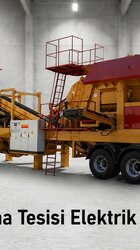
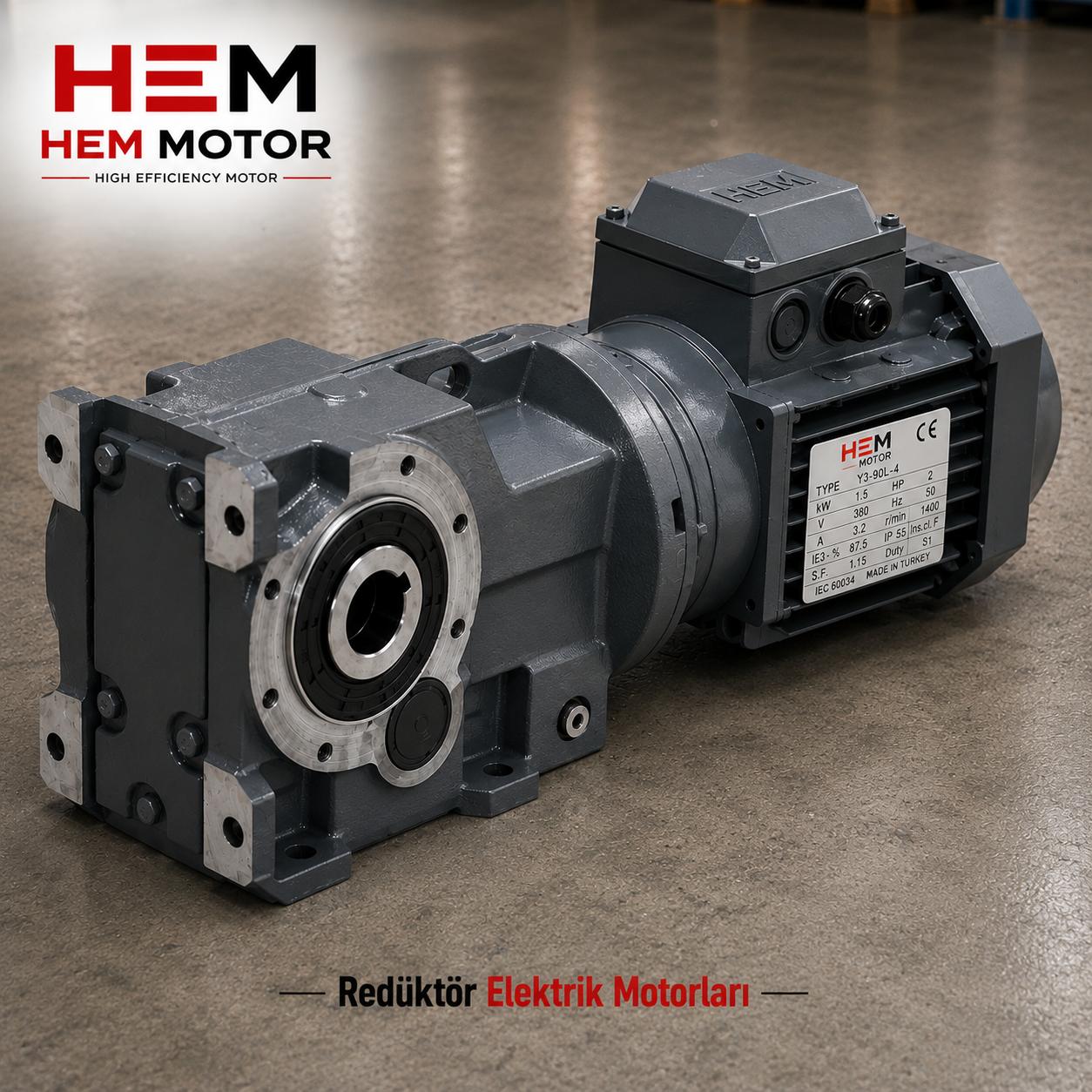

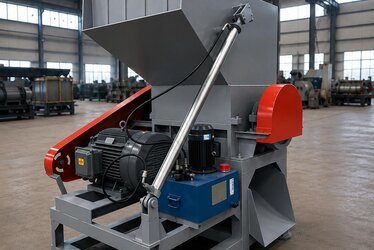
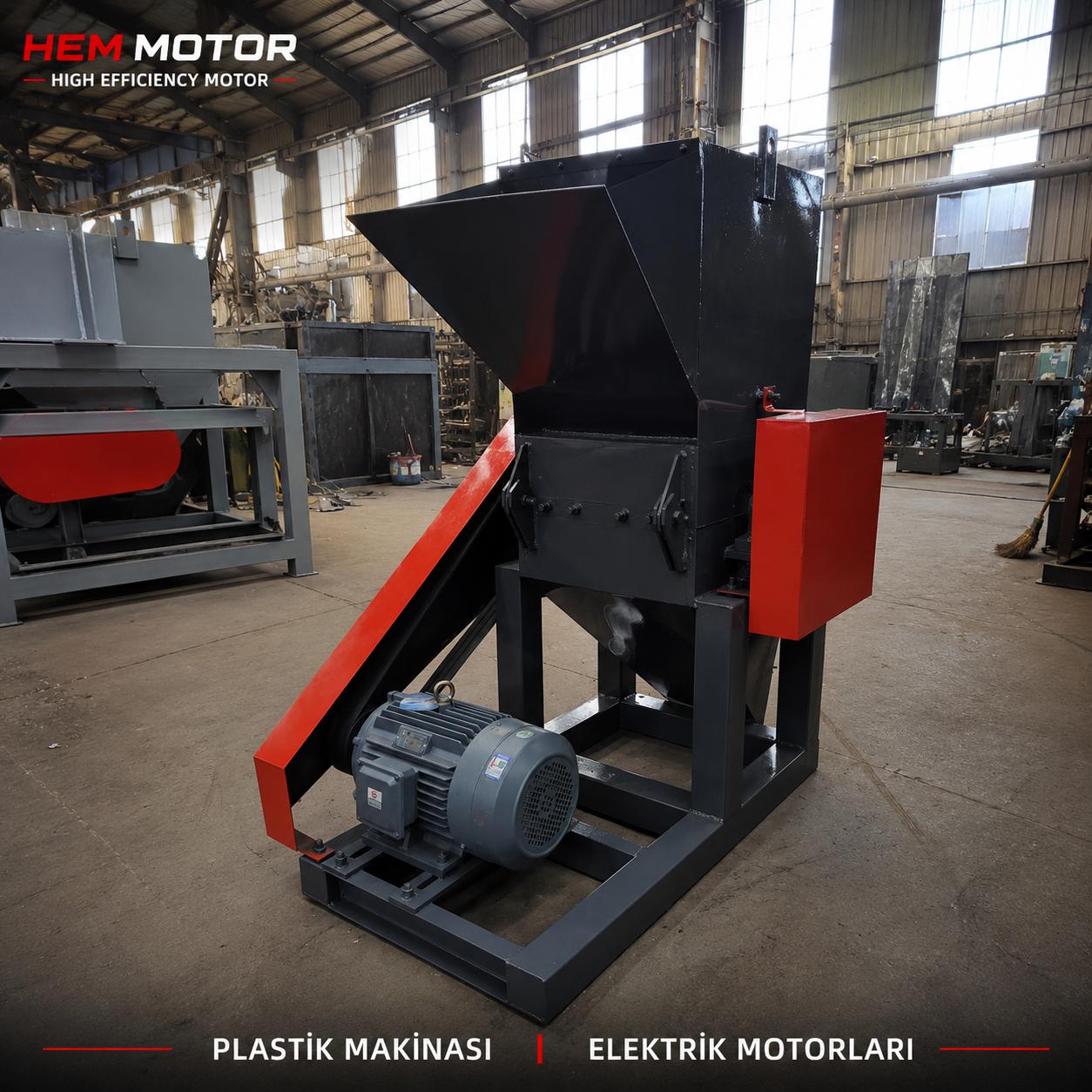
If the bearings in your crusher, jaw crusher, impact crusher or mill motor fail far earlier than you expect, the motor stops frequently and every stop hits your output, the problem is usually not in the motor itself but in the shock, dust and lubrication conditions the motor is exposed to. Stone crushing and grinding applications carry some of the toughest loads an electric motor can face: sudden shock loads, continuous vibration, heavy abrasive dust and high ambient temperature. At HEM Motor, we have gathered the factors that determine bearing life, dust sealing and the right lubrication regime for the cast iron body IE3 and IE4 motors we ship from stock for crusher and mill applications into a single buyer's guide. The goal is to help you choose a long-lasting motor right the first time, one that lowers your plant's downtime cost.
The Importance of the Bearing in a Crusher and Mill Motor
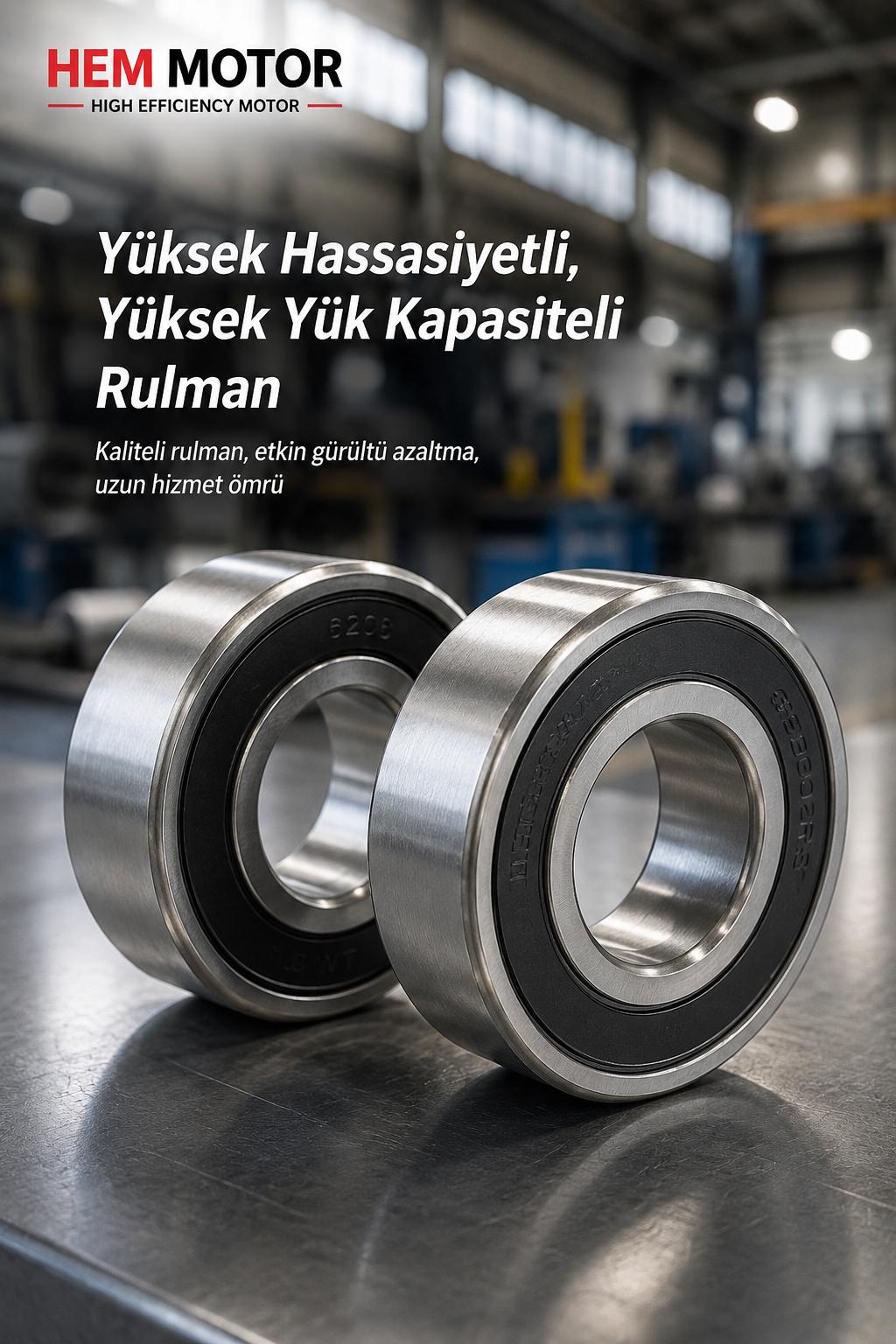
The bearing is the mechanical part that carries the rotating shaft of the motor and provides the rotation with the least friction. Even if the electrical parts of a motor are sound, the motor stops when the bearing fails. In crusher and mill applications, the bearing works under far harsher conditions than in a standard industrial motor: the shocks formed at the moment of crushing are transmitted through the shaft to the bearing, continuous vibration fatigues the bearing's internal structure, and the abrasive dust in the air enters the bearing when sealing weakens and breaks down the grease film. The combination of these three factors makes the bearing the most critical wear point of the motor.
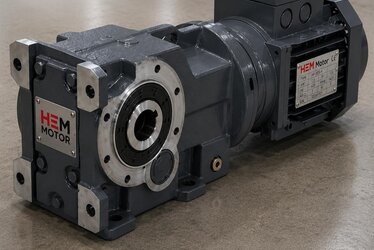
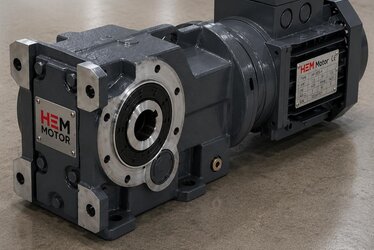
Our stone crushing and screening plant motors are offered with a cast iron body, a reinforced bearing arrangement, IP55 protection and class F insulation across a 0.55 kW to 355 kW power range. The high mechanical strength of the cast iron body keeps the body from cracking in shock-loaded and vibrating environments; the reinforced bearing arrangement is chosen to carry the shock load. For body and connection options, see our electric motor mounting types page.
How Shock Load Affects the Bearing
When stone enters between the jaws or rotor of a crusher, a sudden resistance forms; this resistance reflects back to the motor as a shock. Shock load creates instantaneous high contact pressures between the bearing balls and rings and, over time, starts micro-cracks on the surface. For this reason, bearing selection in a crusher motor must be made not only by speed and power but also by shock-load capacity. The flywheel and inertia also play an important role in managing shock load; we covered this in detail in our motor selection under impact load, flywheel and inertia article. The right torque class choice also determines starting and shock capacity; our torque classes and starting torque article guides you here.
Dust Sealing: The Bearing's First Enemy
The dust in a stone crushing and grinding environment is not just dirt suspended in the air but an abrasive material at the microscopic level. This dust enters the bearing clearance when the seal and sealing at the motor's shaft end weaken, and mixes with the grease to form an abrasive paste. This paste scrapes the bearing surfaces and dramatically shortens life. For this reason, dust sealing is the number one factor determining bearing life in crusher and mill motors.
There are several ways to strengthen sealing: a high-quality oil seal, an additional labyrinth seal and a higher IP protection class. In applications with very fine, dense dust, requesting IP65 or IP66 protection may be appropriate. We covered dust sealing and high IP protection in a crusher motor in detail in our crusher motor dust sealing and IP65/IP66 article. For the general logic of the IP protection class, see our IP protection class selection article, and for general motor protection in a quarry and mine site, see our stone quarry and mine site motor protection content.
Oil Seal and Sealing Inspection
The oil seal is the first line of defense for the motor's sealing. A seal that hardens or wears over time both lets dust in from outside and allows the grease inside to leak out. Seeing grease leakage around the seal during a regular inspection is an early sign that the sealing has weakened. For protecting the sealing, our cast iron motor oil seal and sealing article is a detailed resource.
Correct Lubrication: Grease Type and Interval
The second determinant of bearing life is lubrication. Grease forms a thin film between the bearing surfaces and prevents metal-to-metal contact. The wrong grease type, insufficient quantity or too long a lubrication interval all break down this film and lead to early bearing fatigue. In crusher and mill applications, high temperature and vibration break down the consistency of the grease faster; for this reason, grease types resistant to high temperature and suited to vibration are preferred in these applications.
In large, continuously running motors, a re-greasable (with grease nipple) bearing arrangement is a significant advantage; it allows the grease to be renewed during maintenance and provides for the discharge of used grease. The lubrication interval is determined by the motor's power, speed and operating temperature; the interval shortens in motors running at high speed and in hot environments. To track lubrication as part of a general maintenance plan, our electric motor maintenance and periodic check schedule article offers a framework. Our asynchronous motor bearing type and life article clarifies the bearing type and life decision.
Vibration Monitoring and Early Warning
Bearing failure rarely comes suddenly; it usually gives signs first as increased vibration, then a change in sound and finally overheating. Catching these signs early is the most effective way to prevent an unplanned stop with planned maintenance. Regular vibration and temperature monitoring shows, with data, which motor to take into maintenance and when. For temperature monitoring solutions, see our motor winding temperature monitoring article, and for cooling and overheating in a crusher plant, our crusher motor cooling and overheating article.
Vibration, Inertia and Mechanical Balancing
Crushers and mills are vibrating machines by nature. The forces created during crushing and grinding constantly shake both the machine body and the drive motor. This vibration acts at once on the motor's foot mountings, body and bearings. A loosening bolt, an unbalanced pulley or a misaligned coupling multiplies the vibration; increased vibration in turn fatigues the bearing and seal quickly. For this reason, not only the selection of the motor but also its installation and alignment in the field directly determine bearing life.
Whether the motor is connected to the machine by belt-and-pulley or directly by coupling also affects vibration behavior. In belt-and-pulley systems, pulley weight and belt tension create a side load on the shaft; this side load stresses the bearing when not calculated correctly. For ordering the shaft diameter, key and coupling match correctly, our cast iron motor shaft diameter, key and coupling article guides you. For plants that want to adjust motor speed with belt-and-pulley, our motor speed and pulley-belt speed adjustment article explains the right power-speed combination.
Starting and Soft Start
Crusher and mill motors often move high-inertia loads, which requires high current and high torque at startup. Direct-on-line starting is suitable at small powers but strains the grid and creates mechanical shock in large motors. A soft starter or star-delta starting reduces the starting current and mechanical shock, protecting both the grid and the bearing. For crusher motor starting options, our crusher motor starting article compares soft starter, star-delta and direct-on-line starting. The right torque behavior under high inertia and shock load determines the strain at startup and reflects on bearing life.
The Right Motor Choice That Reduces Downtime Cost
When a motor fails in a crusher and mill plant, the cost is not just the price of replacing that motor; the real cost is the production loss during the time the line is stopped. For this reason, the right approach in these applications is to choose not the cheapest motor but the longest-lasting and most reliable one. A reinforced bearing, a solid cast iron body, a high protection class and the right torque class are the basic quality signs of these motors. For strategies to reduce motor failure and downtime cost, our motor failure and downtime cost in a crusher plant article is a directly relevant resource.
Keeping a spare for critical motors is the most effective way to shorten downtime; we covered which power ratings should be kept in stock in our critical spare motor list article. For the right efficiency class choice, you can review our IE4 electric motor and IE3 electric motor product pages, and review all options in our high efficiency electric motors category. Our electric motor selection for a crusher and stone crushing plant article explains the right power and speed choice step by step.
Frequently Asked Questions
Why do bearings fail so often in a crusher motor?
Because the crusher motor is exposed to three tough factors at once: the shock loads at the moment of crushing, continuous vibration and abrasive dust. Shock and vibration fatigue the internal structure of the bearing; the dust that enters when sealing weakens breaks down the grease film. When these three factors combine, the bearing fatigues far earlier than in a standard application. The right bearing choice, strong sealing and regular lubrication slow this process.
Which grease type and interval are suitable for a crusher motor?
A grease resistant to high temperature and vibration, with a suitable consistency, should be preferred. The lubrication interval varies with the motor's power, speed and operating temperature; the interval shortens in motors running at high speed and in hot environments. In large motors, a re-greasable bearing arrangement allows the grease to be renewed during maintenance. We can determine the right grease and interval together, based on the motor's operating conditions.
What can I do to extend bearing life?
Three basic measures clearly extend bearing life: choosing a motor with a reinforced bearing suited to shock load, strengthening dust sealing with a high protection class and a solid seal, and lubricating regularly with the right grease. When you add regular vibration and temperature monitoring to these, you prevent the bulk of unplanned stops.
Get a Quote
Let us select the right long-lasting motor resistant to shock load and dust for your crusher, breaker or mill plant together, and define power, speed, protection class and bearing arrangement to your need. Reach us through our contact page or call now: +90 (532) 345 49 86. At HEM Motor, we are by your side with fast quotes and delivery from stock.