English
 Türkçe


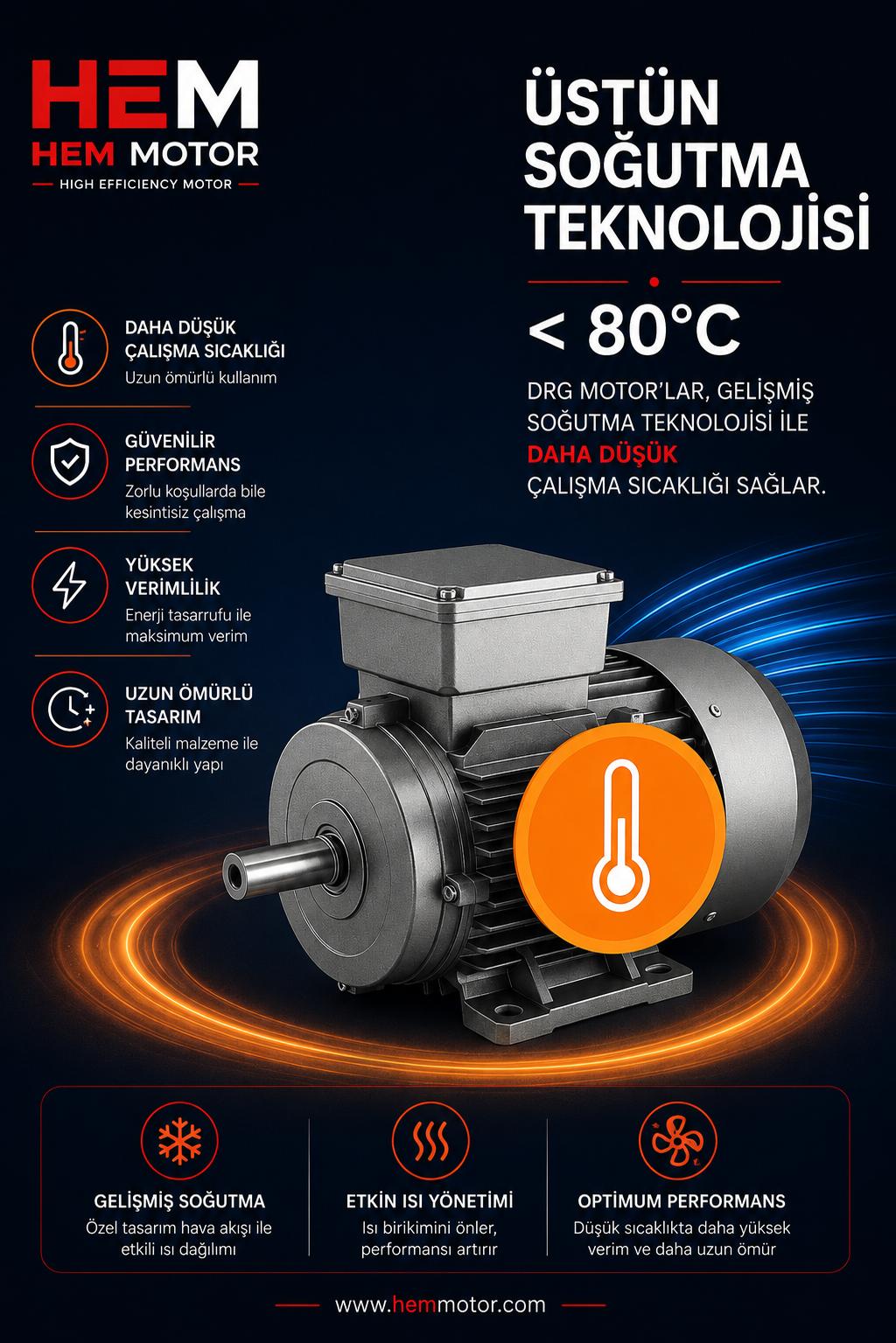

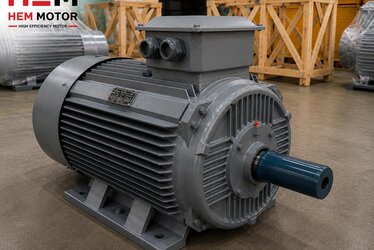
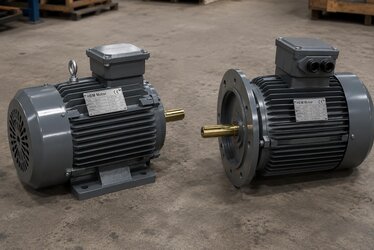
When selecting a motor for a machine operating under heavy shock loads such as a crusher, press or mill, the most frequently debated topic is the frame material. The reason cast iron motors are accepted as almost standard in such applications is often misunderstood: it is not just that they “look more robust”. The real difference is the mechanical superiority cast iron offers in vibration damping, frame rigidity and impact strength. In this article we address why cast iron motors are preferred under heavy and shock loads and how they differ from aluminium frames along the rigidity and impact axis. This content focuses specifically on rigidity and impact strength, not corrosion or weight.
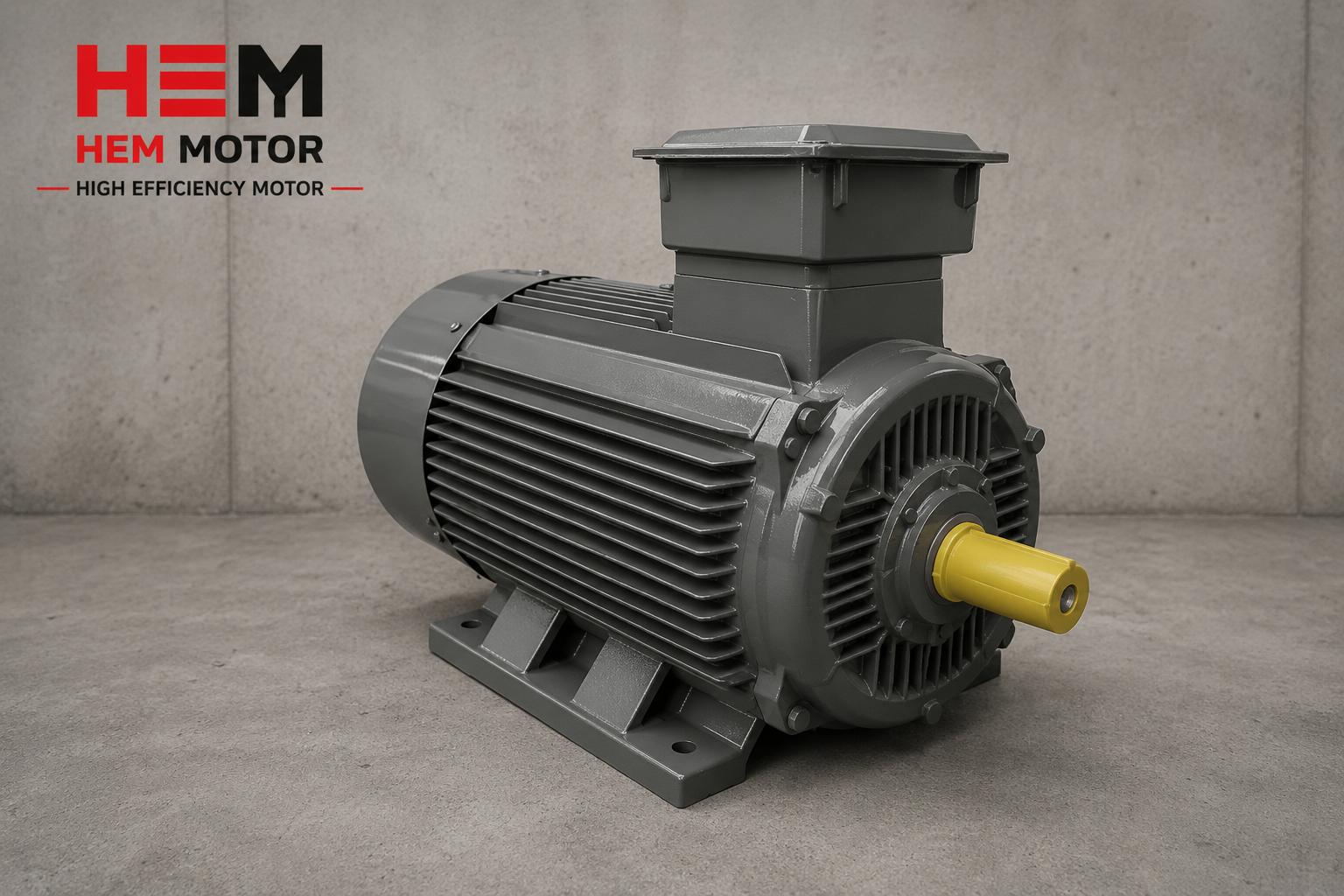
Why Does the Frame Material Determine Mechanical Performance?
In an electric motor the frame is not just a shell housing the winding and rotor; it is also a load-bearing structure that carries the bearing seats, keeps the shaft aligned and resists the forces created by the machine. For this reason the hardness, mass and damping capacity of the frame material directly determine the motor’s behaviour under shock load.
Cast iron is a material from the cast-iron family and, thanks to the graphite structure within it, has a high capacity to absorb (damp) vibration energy. At the same time its high mass and rigid structure make it harder for the motor frame to flex and resonate under impact. We also addressed the general advantages of the cast iron frame in our Cast Iron or Aluminium Frame? article; here we deepen the topic along the impact and rigidity axis.
What Is Rigidity and Why Does It Matter?
Rigidity expresses how little a structure deforms under force. A high-rigidity frame keeps the shaft and bearing seats aligned under sudden forces from the machine; a low-rigidity frame flexes at the micro level, leading to misalignment of the shaft, increased bearing loads and growing vibration. Under shock load, this difference directly affects the motor’s lifespan.
Vibration Damping: The Quiet Advantage of Cast Iron
Shock load is reflected to the motor as periodic or sudden vibration. The impact a jaw crusher applies on each revolution, each stroke of a press or the material impacts inside a mill come back to the motor as recoil. The internal structure of cast iron absorbs this vibration energy, reducing both noise and structural fatigue.
Low vibration is a matter of lifespan, not just comfort: as vibration decreases, the mechanical stress on the bearings, shaft and winding also decreases. We examined the effect of vibration and balance on quality in our Vibration and Balance in Electric Motors (ISO 10816/20816) article, and low-noise motor selection in our Noise and Vibration in Electric Motors article.
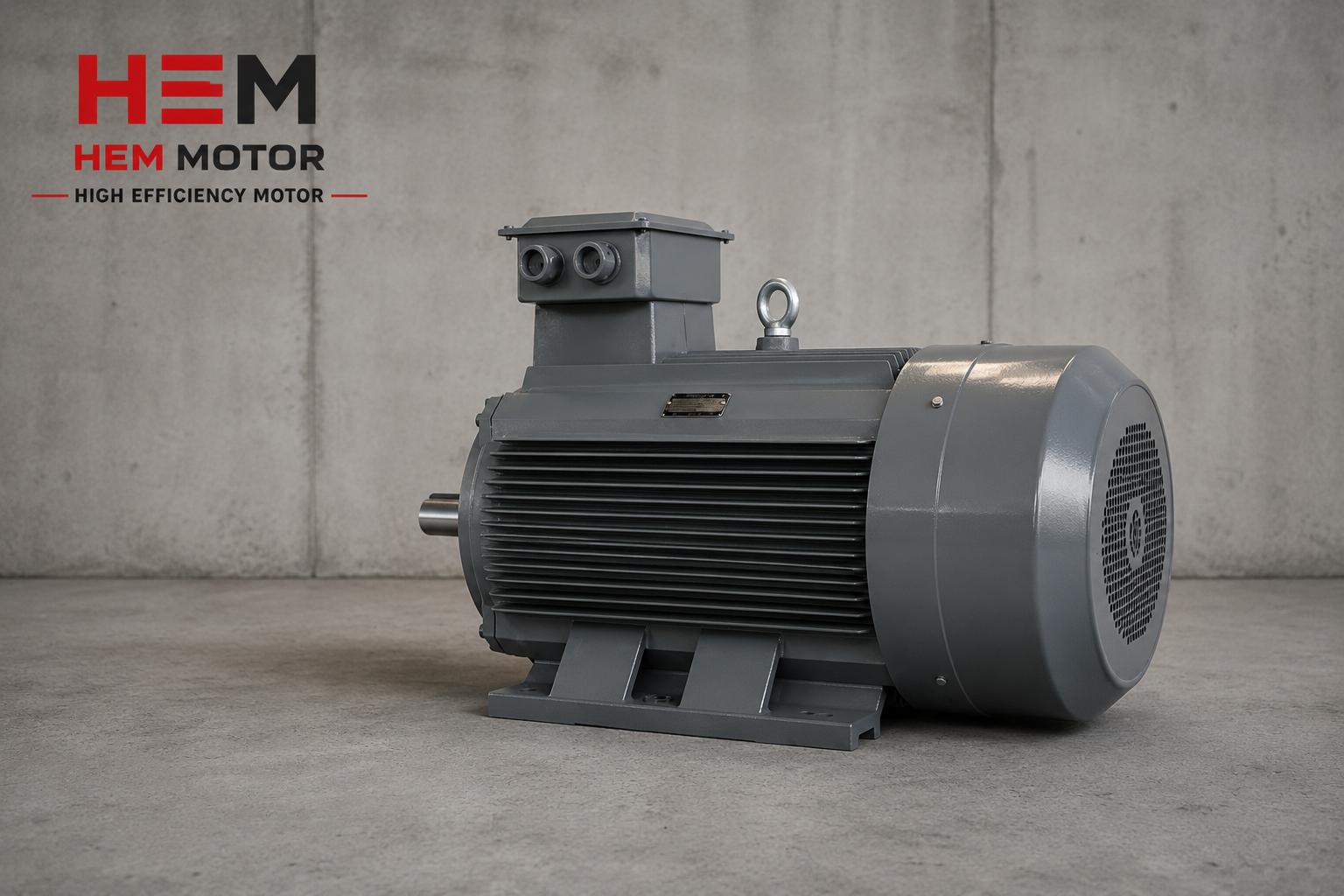
Impact Strength and Mechanical Protection (IK)
Impact strength expresses the resistance a motor shows against external mechanical impacts (falling material, knocks, flying stone) and is generally associated with the IK protection concept. Thanks to its high hardness, the cast iron frame is markedly more resistant to cracking and permanent deformation under such impacts. In environments such as quarries, mines and crushing-screening plants, this property is critically important.
We addressed protecting the motor against dust, moisture and impact in field conditions in our Motor Protection in Quarries and Mine Sites article. We examined the flywheel and inertia effect under shock load in our Motor Selection Under Shock Load: Flywheel, Inertia and Crusher Drive article.
Heavy and Shock Load Applications
The rigidity and impact advantage of the cast iron frame shows itself directly in the following applications:
- Crushers and breakers: there is continuous shock load in jaw, impact and cone crushers. We explained correct kW selection in our Crusher Motor kW Selection article.
- Presses and plastic crushing: sudden load spikes stress the frame. Our Motor Selection in Plastic Injection and Crushing Machines article explains the load profile.
- Mills: the material impacts inside produce vibration. Our Mine and Ore Mill Motors article addresses the high torque need.
- Mining: heavy duty conditions demand a rigid frame. Our Cement Factory Electric Motors article covers mill and fan drives.
- Crusher feeders and bunkers: vibration motors are under constant vibration; you can look at our feeder and bunker vibration motor article.
Cast Iron vs Aluminium: A Comparison Along the Rigidity and Impact Axis
Aluminium frame motors are light, compact and economical at small powers; they are ideal for gearbox inputs and light applications. However, when it comes to rigidity and impact strength, cast iron stands out:
- Rigidity: cast iron offers higher mass and hardness in the same frame, deforming less under impact.
- Vibration damping: the graphite-bearing internal structure of cast iron absorbs vibration better than aluminium.
- Impact (IK) strength: cast iron is more resistant to cracking against knocks and falling material.
- Bearing-seat stability: a rigid frame keeps the bearing seats aligned, extending bearing life.
We addressed bearing and seat life in cast iron motors in our Bearing and Seat Life in Cast Iron Motors article, and the topic of frame sizes and weight in our Cast Iron Motor Frame Sizes (IEC 56-355) article. For shaft, key and coupling compatibility, see our Shaft Diameter, Key and Coupling in Cast Iron Motors article. Our Cast Iron or Aluminium Frame? article summarises the general material choice.
Other Factors That Extend Motor Life Under Shock Load
A rigid frame alone is not enough; a holistic approach is needed to extend life under shock load:
- Correct kW and service factor: leave a power margin to absorb sudden load spikes.
- Suitable bearing and lubrication: we explained the effect of impact, dust and lubrication on bearing life in our Bearing Life in Crusher and Mill Motors article.
- Correct starting: a soft start is important under high inertia and shock load; see our crusher motor starting article.
- Cooling and overheating control: for continuous full-load operation our motor cooling and overheating article guides you.
- Dust sealing: for high IP protection our dust sealing and IP65/IP66 article is useful.
Frequently Asked Questions
Why is a cast iron frame better than aluminium under shock load?
Because cast iron offers a more rigid structure with higher mass and hardness; it deforms less under impact and absorbs vibration energy better thanks to its graphite-bearing internal structure. This preserves shaft alignment, reduces bearing loads and delays structural fatigue. Under heavy shock loads such as crushers, presses and mills, this superiority translates directly into longer life.
Can an aluminium frame motor not be used at all under heavy shock load?
At small powers and in light shock applications an aluminium frame may be suitable; its lightness and compactness are an advantage in places such as gearbox inputs. However, under intense and continuous shock load, as the need for rigidity and vibration damping grows, the cast iron frame is the safer and longer-lasting choice.
Does a cast iron frame eliminate vibration completely?
No; cast iron reduces vibration and absorbs its energy, but balance, correct mounting, suitable starting and a solid foundation are also required. The frame material is an important factor that extends life, but it is not sufficient on its own; a holistic motor selection and mounting approach is needed.
Get a Quote
If you are looking for a rigid and durable cast iron motor for a crusher, press, mill or another heavy shock-load application, our team will determine the motor suited to your load profile and field conditions together with you. Contact us now at +90 (532) 345 49 86 or request a quote via our contact page.
Motor Selection Checklist for Heavy Shock Loads
- Determine the application’s shock profile (periodic/sudden).
- Prioritise the cast iron option for a rigid frame.
- Leave sufficient kW and power margin for sudden load spikes.
- Clarify the suitable bearing type and lubrication plan.
- Evaluate the need for a soft start (soft starter/star-delta).
- Select the IP protection class according to field dust and moisture.
- Check the rigidity of the mounting base and chassis.
- Verify the shaft diameter, key and flange dimensions.
- Query the vibration and balance acceptance values.
- Provide the load type and environment information in full when requesting a quote.