English
 Türkçe

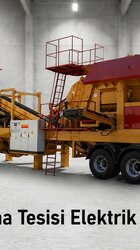
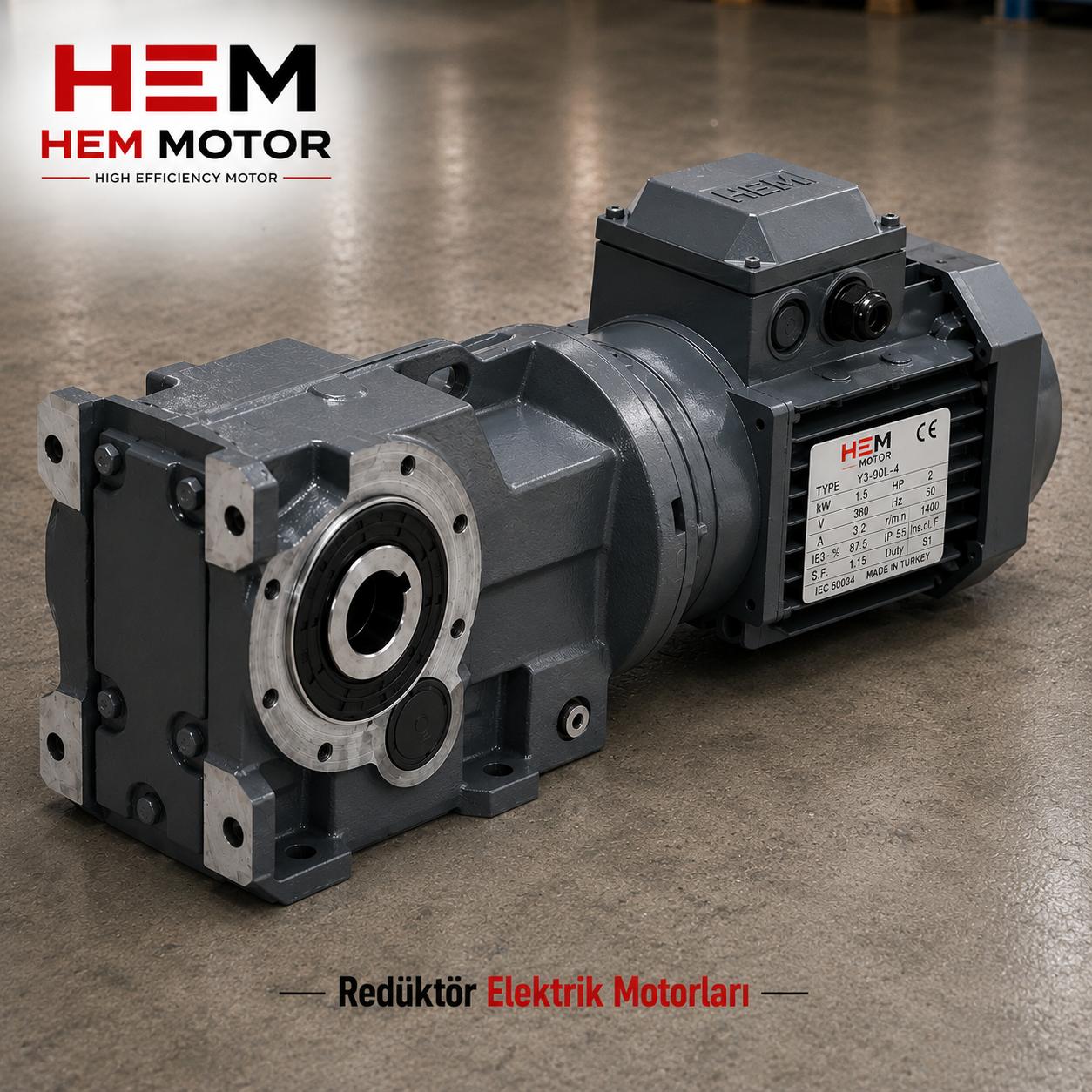

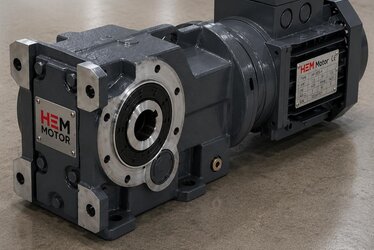
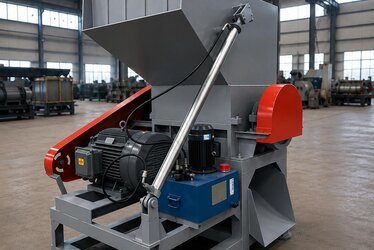
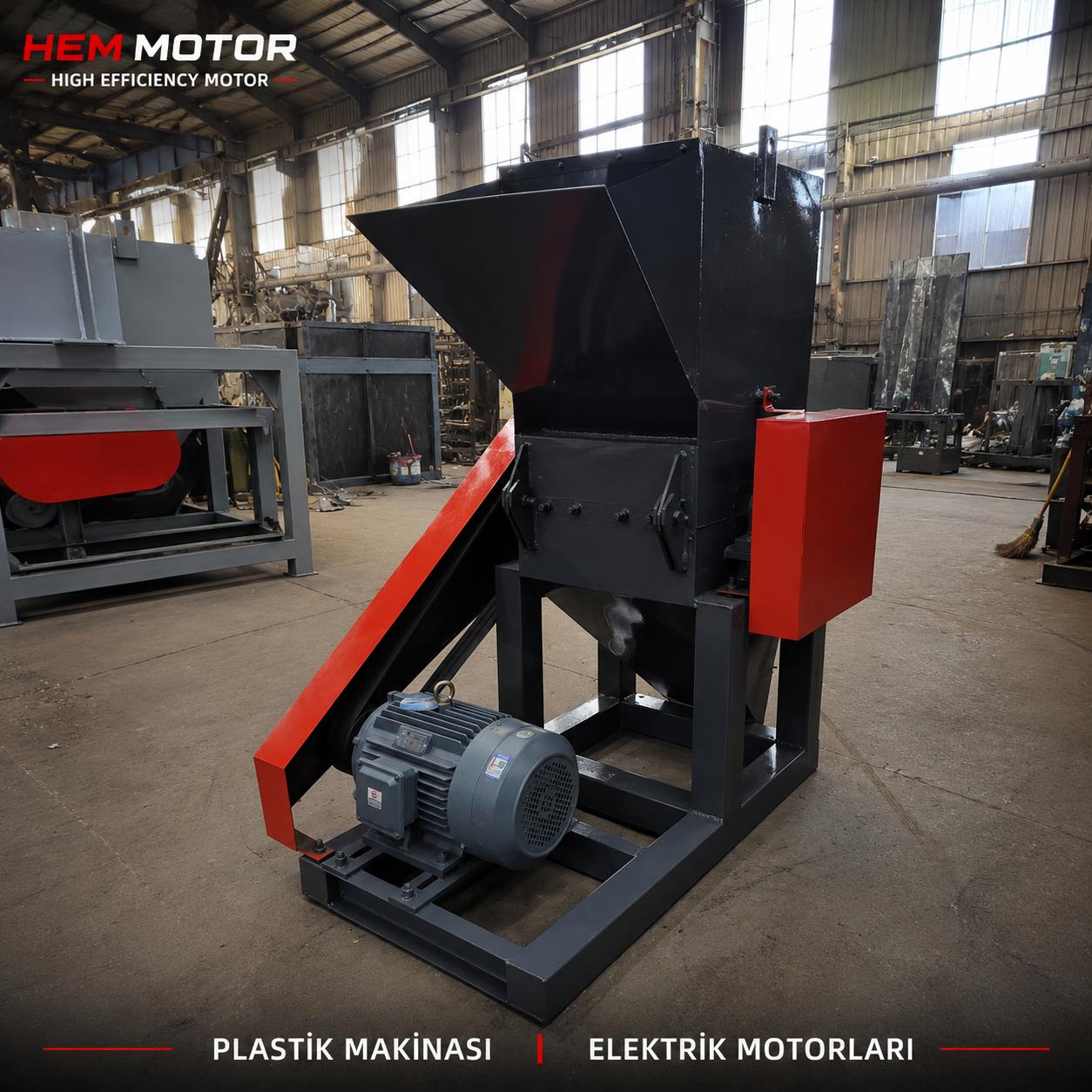
When the main crusher motor stops in a stone crushing plant, the whole line stops; that is why crusher motor kW selection is a commercial decision that directly determines both your production capacity and your downtime cost. Jaw, impact and cone crushers have different load characters; even at the same tonnage, the required motor power and torque vary by crusher type. This guide summarises, from a buyer's point of view, the typical power ranges for each crusher type, why high starting torque is needed, the effect of flywheel and inertia, and what you should send us for fast supply from stock. As HEM Motor, we supply stone crushing and screening plant motors from stock in IE3 and IE4 efficiency classes, with cast iron bodies, IP55 protection and a 0.55 kW-355 kW power range.
Power Range by Crusher Type: Jaw, Impact, Cone
The first step in crusher motor selection is knowing which crusher type you work with and that type's load profile. Motor power is always set according to the crusher manufacturer's drive power recommendation; the ranges below are typical field values and must be confirmed against the machine nameplate before ordering.
Jaw Crusher Motor
Jaw crushers are usually used in the primary crushing stage to crush large block material. The load is impact-prone and variable; therefore the motor on a jaw crusher works together with high starting torque and a strong flywheel effect. The typical power range starts at 30-55 kW on small mobile plants and rises to 90 kW, 110 kW, 132 kW and above on medium-large fixed plants. If you want to examine the impact load character and flywheel-inertia balance of a jaw crusher in detail, our article on motor selection under impact load: flywheel, inertia and crusher drive is a key resource.
Impact Crusher Motor
Impact crushers break material by striking it with a high-speed rotating rotor; they provide high capacity on soft to medium-hard rock. Because the rotor inertia is high, the motor must accelerate a large mass when starting. This means high starting current and long starting time. The typical power range on impact crushers starts at 45-55 kW and reaches 110 kW, 132 kW, 160 kW and above on medium-large plants. The starting method becomes critical here; for the right choice see our article on starting a crusher motor: soft starter, star-delta and direct-on-line.
Cone Crusher Motor
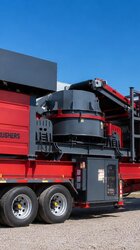
Cone crushers are used in the secondary and tertiary stages for more uniform grain size. The load is more stable but runs continuously at full load; therefore the priority for a cone crusher motor is heat resistance and efficiency in continuous (S1) duty. The typical power range starts at 75 kW and rises to 132 kW, 160 kW, 200 kW and above. Heat management at continuous full load stands out on cone crushers; on this topic our article on motor cooling and overheating in crushing plants provides guidance.
Why High Starting Torque? The Flywheel and Inertia Effect
The most important feature distinguishing crusher motors from general industrial motors is starting torque. A crusher is often started not empty but with material remaining in its body; moreover, in jaw and impact crushers a large flywheel/rotor mass must be accelerated. Therefore:
- The motor's starting torque must comfortably exceed the load's counter-torque; otherwise the motor cannot start or overheats during starting.
- The flywheel absorbs sudden load shocks at the moment of crushing, reducing instantaneous overstress on the motor; this is why the flywheel-inertia balance affects motor selection.
- High starting current can cause voltage drops on the grid and transformer side; this is why the starting method (soft starter / star-delta) must be planned together with the motor.
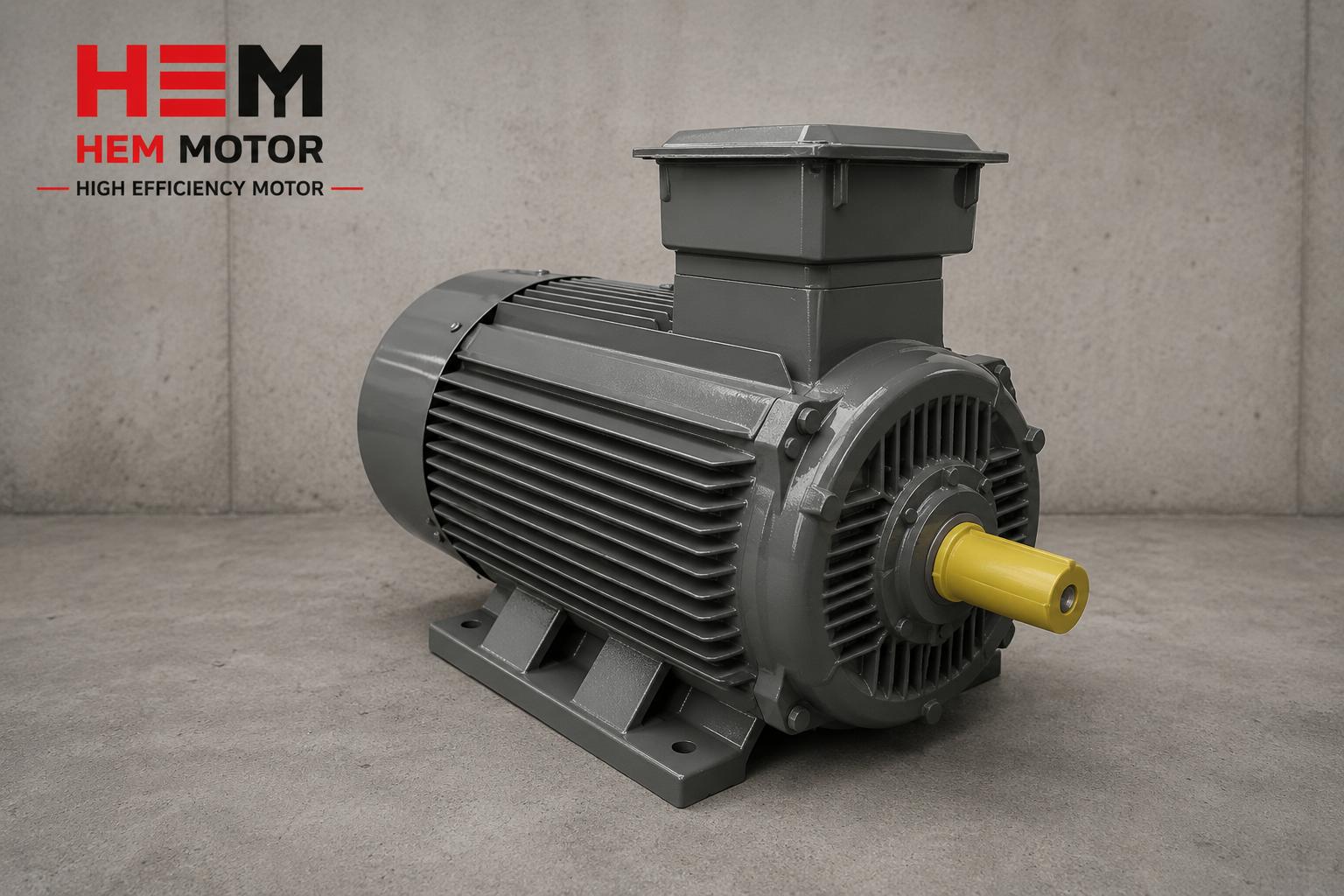
This is why offering motors that produce high torque and withstand heavy-duty conditions in mining and stone crushing applications with a cast iron body matters. We compared the impact and vibration resistance of cast iron bodies in our article on cast iron or aluminium body? environmental conditions in the motor purchase decision.
Stock, Downtime Cost and Fast Supply
In a stone crushing plant, every hour of downtime is a direct production loss. When the main crusher motor fails, instead of waiting for days, keeping a spare motor stock in the most frequently failing powers is the safest approach. Stock delivery in common crusher powers (for example 55, 75, 90, 110, 132, 160 kW) gets your line back up within hours. Our article on critical spare motor list for facilities: which powers should be kept in stock? helps you plan which powers to keep on hand. We collected ways to reduce downtime cost during a failure in our article on crusher plant motor failure and reducing downtime cost.
You can review our crusher product family on the IE4 electric motor and IE3 electric motor pages, reach all stone crushing motors via our crusher and stone crushing motors category, and the whole product range via the HEM Motor homepage. For protection against dust and moisture, our article on dust sealing and IP65/IP66 protection in crusher motors is complementary in field supply.
Frequently Asked Questions
Why does an impact crusher of the same tonnage as my jaw crusher require a different kW?
Because the two crushers work with different load profiles. A jaw crusher breaks material by compression and produces an impact-prone, variable load; an impact crusher breaks material by striking it with a high-speed rotor and requires higher starting capability to accelerate the large rotor inertia. So even at the same tonnage, the required motor power and torque differ by crusher type. The correct kW is always confirmed with the crusher manufacturer's drive power recommendation.
Why is high starting torque so important in a crusher motor?
A crusher is often started while there is still material in its body, and a large flywheel/rotor mass is accelerated. If the motor's starting torque cannot exceed the load's counter-torque, the motor cannot start or overheats during starting. This is why crusher motors are selected with high starting torque and a structure that withstands heavy-duty conditions; the starting method (soft starter or star-delta) is also planned together with the motor.
Which powers should I keep in stock for crusher motors?
Stone crushing plants most often use medium-large powers such as 55, 75, 90, 110, 132 and 160 kW. Listing the powers of the main crusher, feeder and conveyor motors on your line and keeping the few most critical motors in reserve reduces the days-long delivery wait during a failure to hours. We can draw up a facility-specific critical spare list with you.
Get a Quote
Do you need a crusher motor in the right kW for your jaw, impact or cone crusher? Send us the crusher's make-model information and the nameplate values of the existing motor, and we will quickly quote the motor in the right power, speed and mounting type along with stock availability. Call now: +90 (532) 345 49 86 or reach us via our contact page. Let us assess your project for facility-based spare motor stock and fast shipment.