English
 Türkçe


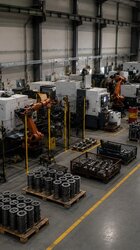
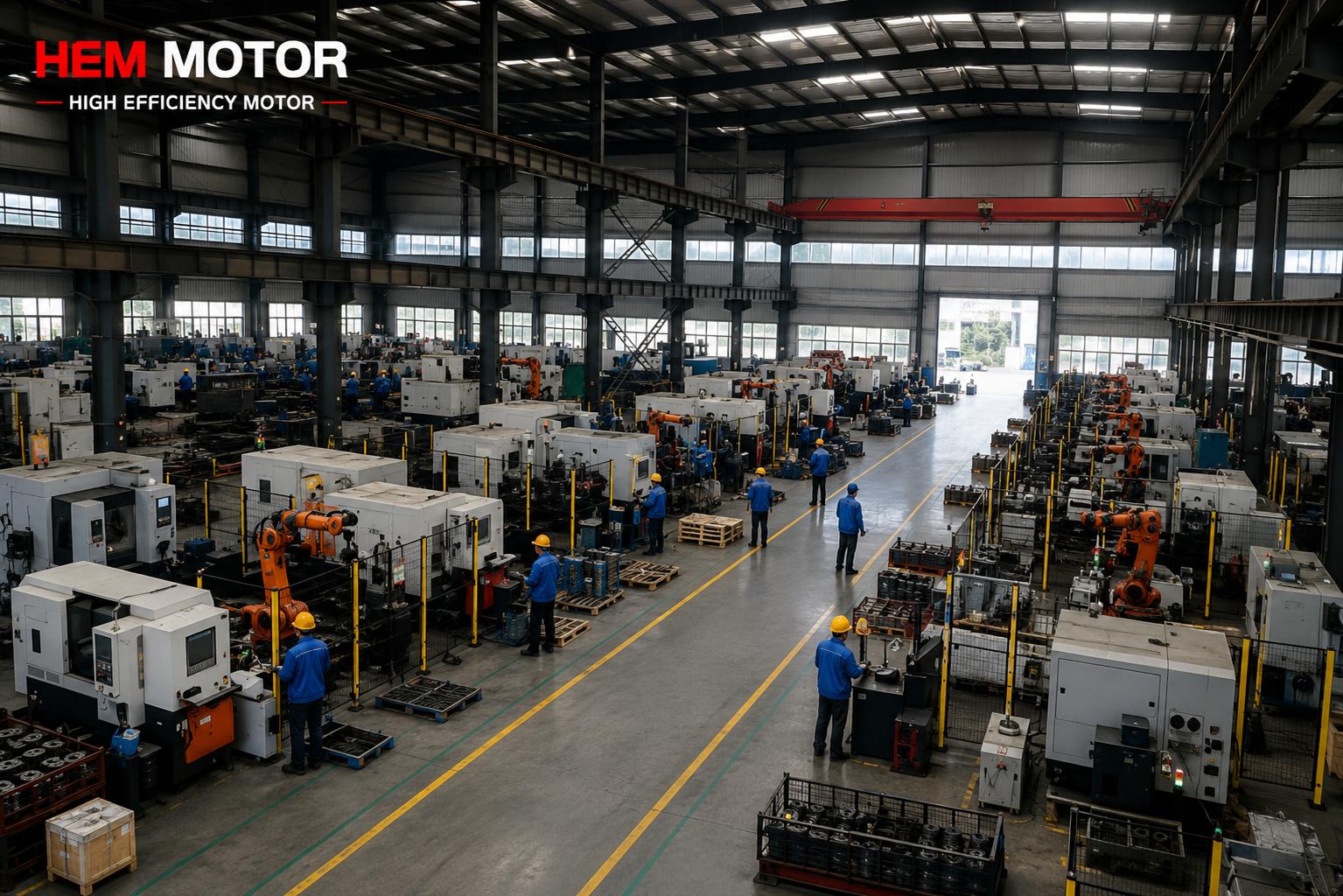

Cotton gins and ginning plants are heavy industrial environments that run day and night during the harvest season, with intense dust and flying lint everywhere. From the gin stand, where seed cotton is separated into lint and seed, to the pneumatic lint conveying fans, and on to the bale press hydraulic units, reliable, high-efficiency and correctly selected electric motors form the heart of the operation. A poorly selected motor means mid-season downtime, lint loss, overheating and, at worst, fire risk. In this article we cover motor selection for the gin stand drive, lint conveying fan, bale press pump and dust collection lines in technical depth, addressing kW sizing, pole/speed, IP protection class, F/H insulation, B3/B5/B35 mounting, cast-iron frame, reducers and VFD. Our aim is to keep your plant season-ready with fast delivery from manufacturer stock and accurate lead times.
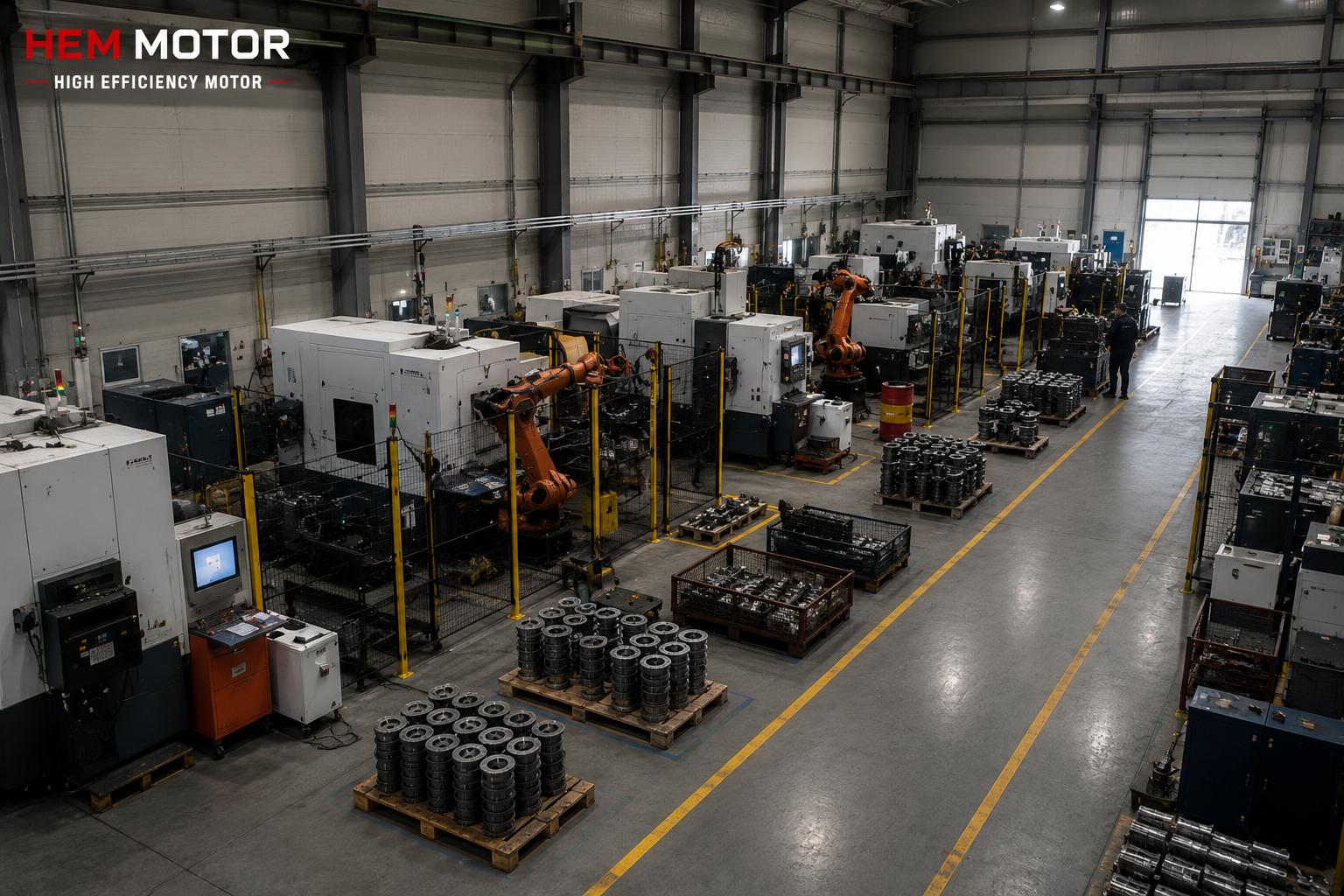
Motor Load and Operating Conditions in a Ginning Plant
Cotton processing is seasonal; the plant runs mostly in S1 continuous duty, in shifts and without interruption throughout the season. Motors must therefore be sized thermally for continuous load. The environment is loaded with fine cotton dust and flying lint; this lint accumulates on the cooling fins, fan cover and around the windings, reducing heat dissipation. In a dusty, lint-laden environment, correct protection and insulation selection directly affects both efficiency and fire safety. The seasonal planning and stock approach in our agricultural machinery motor purchase and season stock plan article applies equally to ginning plants: keeping spare critical motors before the season greatly reduces downtime cost.
Gin Stand Drive Motor
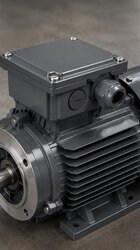
The gin stand is a high-torque machine where seed cotton is separated from lint by a saw or roller system. The drive motor is usually 4-pole (1500 rpm, around 1450 rpm with slip) and ranges from 11 kW to 45 kW depending on machine size; large saw gins can reach 55-75 kW. For high starting torque and smooth torque transmission, cast-iron body, F-class insulated IE3 or IE4 motors are preferred. Reinforced bearings and 100% copper windings are critical to withstand sudden load changes and long running hours. You can review the full range of efficient options on our efficient electric motors page.
Pneumatic Lint Conveying Fan
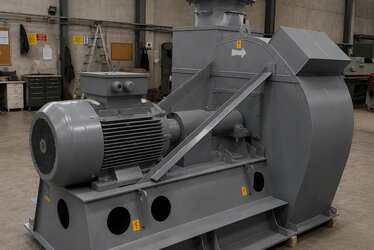
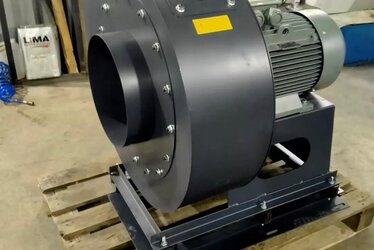
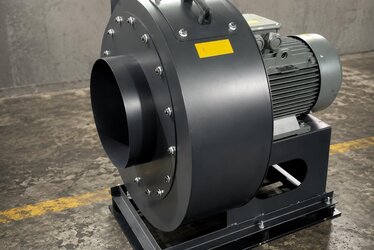
The lint leaving the gin is typically transported to the bale press and storage areas by a pneumatic (air) conveying system. These fans run at high speed; they are mostly driven by 2-pole (3000 rpm, around 2900 rpm with slip) or 4-pole motors and require between 7.5 kW and 30 kW depending on line length. For fan motors, a balanced rotor, low vibration and continuous S1 duty matter. You can find the key points of centrifugal and axial fan motor selection in detail in our centrifugal and axial fan motor selection and supply article. In fans handling lint-laden air, placing the motor on the safe side and fitting sealed protection reduces lint build-up and friction-related heating.
Bale Press Hydraulic Pump Motor
The ginned lint is pressed into high-density bales for shipping. The bale press unit is hydraulically driven, and the motor driving the high-pressure pump can be between 22 kW and 90 kW depending on press capacity. Hydraulic pump motors are mostly selected as 4-pole; due to the repeated load-unload cycle, S6 intermittent duty is also considered in some applications. Under high torque and vibration, a cast-iron body with B5 large flange or B35 foot+flange mounting is ideal for a rigid coupled connection to the pump. For similar press and hydraulically driven applications, our olive oil and oil press plant electric motor supply article is a good reference for understanding press motor selection logic.
IP Protection Class: Dusty and Lint-Laden Environment
The most decisive environmental factor in a ginning plant is dust. While standard IP55 protection is sufficient for most conventional industrial environments, IP56 is recommended on the gin and conveying lines where cotton dust is intense, and IP65 / IP66 in wash-down or very dusty zones. IP55 motors protect against dust ingress, but fine flying lint can clog cooling paths over time; therefore regular cleaning and the correct protection class must be planned together. We explained step by step how to select the protection class by application in our electric motor IP protection class selection article. For dust collection and aspiration lines, our aspirator and dust collection fan motor selection content covers the air-cleaning side of the ginning plant.
Flying Lint and Fire Risk: Enclosure, Sealing and ATEX Consideration
Cotton lint is flammable, and a flying lint cloud carries an ignition risk when it meets a spark or hot surface. Therefore, totally enclosed fan-cooled (TEFC) and sealed motors should be preferred in the gin and conveying zones. Sealing of the terminal box and body prevents lint from reaching the windings. In special zones where dust/lint concentration may reach the explosive atmosphere limit, an Ex-protected (ATEX) motor evaluation may be required; this decision must be based on zone classification and risk analysis. We detailed when an exproof/ATEX motor is mandatory in our exproof ATEX motor when required article. In any case, motors that keep surface temperature low, are not overloaded thanks to derating, and are cleaned regularly minimize fire risk.
Insulation Class: Choosing Between F and H
Ginning plants operate in hot, dusty conditions during summer. Standard F-class insulation is suitable for most motors; however, in applications where ambient temperature is high and cooling is hindered by lint build-up, H-class insulation provides an extra thermal safety margin. Our hot and dusty environment motor insulation class article, which addresses insulation selection specifically for cast-iron body motors, offers guidance here. Insulation class directly determines motor service life and winding safety; the right choice prevents mid-season downtime caused by winding burnout.
Frame Material and Mounting Type: Cast Iron, B3/B5/B35
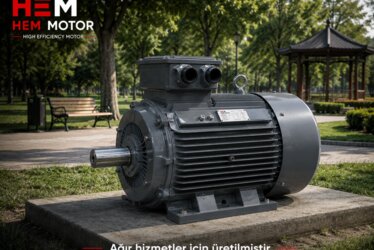
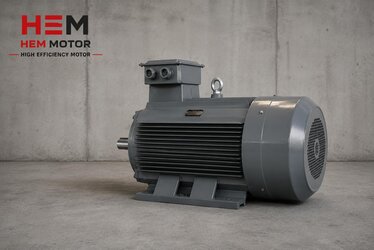
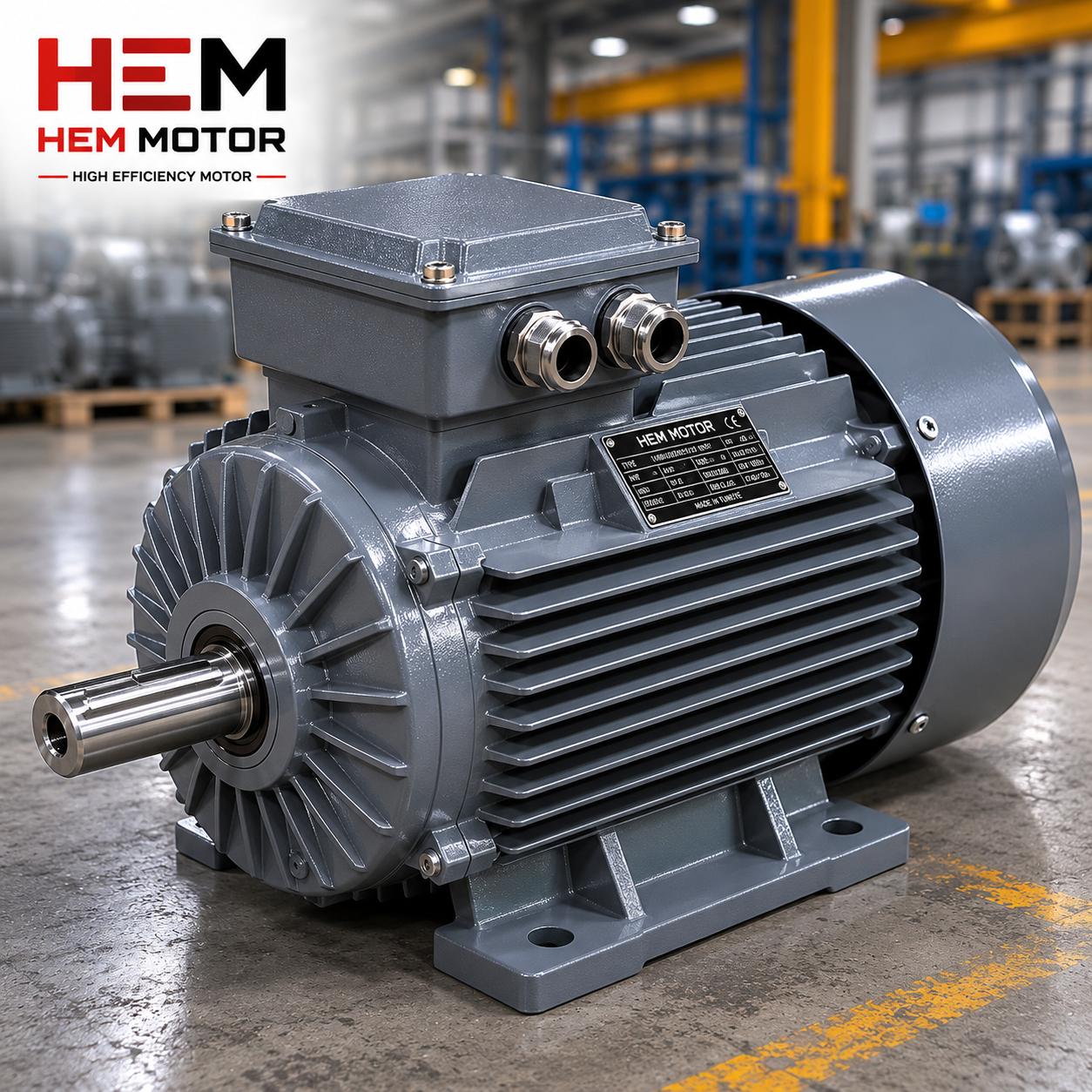
In high-torque, vibrating and heavy-duty applications such as gins, fans and presses, a cast-iron frame is standard. Cast iron is superior to aluminium in mechanical strength, heat dissipation and vibration damping. For small auxiliary drives, an aluminium body can offer a compact solution. The mounting type is determined by the application: B3 for foot-mounted applications, B5 large flange for flanged connection directly to a pump or reducer, and B35 where both foot and flange are needed; B14 and B34 options exist for small-flange connections. The mounting approach in our weaving and knitting textile machine cast-iron motor selection article can also be applied to gin machines. All frame sizes are available from IEC 56 to 355L with the required shaft diameter.
Reducers: Conveyors and Feed Lines
In a ginning plant, seed cotton feed belts, lint conveyors and seed transport systems require low speed and high torque. These lines are driven by geared motors (motor + reducer). Worm gear reducers (ratios from 1/7.5 to 1/100, with self-locking capability) are economical for simple conveyor and dosing applications; you can find all options on our worm gear reducers page. For conveyors requiring high efficiency and a 90-degree right-angle output, helical bevel (K series) reducers are suitable, while helical worm gear reducers are appropriate under continuous high load. The reducer ratio should be calculated according to conveyor speed, transport capacity and shaft torque.
Variable Speed with VFD and Soft Starting
Using a variable frequency drive (VFD) on lint conveying fans and feed belts allows the flow to be matched to processing capacity, meaning both energy savings and smoother lint flow. Motors intended to run on a VFD must have drive-compatible windings and insulation. On large gin and press motors, star-delta or softstarter starting methods are used to limit the high inrush current caused by direct-on-line starting. We compared the selection of these methods in our asynchronous motor star-delta and softstarter article. In plants operating at high altitude or in hot ambient conditions, derating should be applied to keep motor power within a safe limit. When changing between speed and power options, our textile plants motor replacement and speed selection content is a useful guide.
Textile and Agriculture Proximity: Supply Chain
Ginning plants are often concentrated in the same region as spinning and weaving facilities. For motor needs on the textile side, our textile and spinning machinery motor requirement and supply article shares similar engineering logic. For mill applications on the grain and feed side, our feed factory and mill motors selection content also illustrates heavy-duty motor selection. In terms of regional supply, our Denizli and Aegean textile motor supply and Gaziantep and Southeast electric motor supply pages show our fast delivery network to cotton regions.
Ginning Plant Motor Selection Checklist
- Machine to be driven: gin stand, lint conveying fan, bale press pump, feed/conveyor?
- Required power (kW) and duty type (S1 continuous / S6 intermittent) clearly defined?
- Pole/speed selection: 2-pole (fan), 4-pole (gin, pump, conveyor)?
- Efficiency class: is the IE3 / IE4 / IE5 target set?
- IP protection class: IP55 or IP65/IP66 for the dusty environment?
- Insulation class: standard F or H for high temperature?
- Frame: cast iron (heavy duty) selected?
- Mounting type: B3 / B5 / B35 chosen correctly?
- Has totally enclosed (TEFC), sealed or, if needed, ATEX been evaluated for flying lint/fire risk?
- Reducer ratio (1/7.5 - 1/100) calculated for conveyors?
- VFD compatibility and starting (star-delta / softstarter) planned?
- Derating applied for high altitude/hot environment?
- Stock and delivery lead time for critical motors finalized before the season?
To speed up the quotation process, we recommend reviewing our electric motor quote: required information and, for protection devices, our electric motor protection devices purchase articles. You can reach all our product groups from our homepage.
Frequently Asked Questions
How many poles should a gin stand motor have?
The gin stand drive is usually done with 4-pole motors at 1500 rpm (around 1450 rpm with slip). This speed suits smooth torque transmission of the saw/roller system and the high starting torque required. Lint conveying fans, on the other hand, are mostly selected as 2-pole (3000 rpm) for high flow. The correct pole count is determined by the machine's design speed.
What motor precautions should be taken for flying lint fire risk?
Totally enclosed fan-cooled (TEFC) and sealed-body motors should be preferred, terminal box sealing should be ensured, the motor should not be overloaded thanks to derating, and cooling surfaces should be cleaned regularly. In zones where dust/lint concentration reaches the explosive atmosphere limit, an ATEX (Ex-protected) motor should be evaluated. This decision must be based on zone classification and risk analysis.
Which IP protection class is sufficient in a dusty ginning environment?
Standard IP55 protection is sufficient for many applications; however, IP56 is recommended on the gin and conveying lines where cotton dust is intense, and IP65 / IP66 in wash-down or very dusty zones. A higher protection class prevents fine flying lint from reaching the windings and cooling paths, improving both efficiency and safety.
Get a Quote
For your cotton gin and ginning plant, we supply gin stand drive motors, pneumatic lint conveying fans, bale press hydraulic pump motors and conveyor reducers from manufacturer stock with fast delivery and clear lead times. Let us determine the right solution together according to your plant's power, speed, IP, insulation and mounting requirements. Reach us now from our contact page or get a quote on +90 (532) 345 49 86.