English
 Türkçe




In agriculture the calendar cannot wait. In a factory, if a line comes online a day late the production plan shifts but can usually be recovered; in farming, the seasonal window is in nature's hands and the missed window does not open again. When the milking schedule slips, milk yield drops; when an irrigation motor stops mid-season, the crop suffers irreversible water stress; when a drying fan fails at harvest peak, tons of produce risk going mouldy within hours. This is precisely why electric motor buying for agricultural machinery is a strategic decision to be planned calmly before the season, not in a panic after it begins.
Many operations only think about a motor once it has broken. Yet the moment a motor is most likely to fail is exactly when it works hardest and in the toughest conditions, that is, the peak of the season. Starting to hunt for stock at that moment means taking the highest risk at the worst possible time. Moreover, in the countryside during the peak period, finding a spare motor of the right power and speed quickly and getting it to site is often impossible. Pre-season planning reverses this equation: motors are reviewed in a quiet period, critical spares are sourced in advance, and they sit ready on site when the harvest or milking peak arrives.
In this article we examine in detail how to draw up the motor needs of milking, feed-mixing, irrigation and drying equipment, which steps make up pre-season stock planning, and how bulk planning at the cooperative or dealer level improves both cost and supply security.
Why Is the Cost of a Motor Stoppage in Farming So Heavy?
The cost of an agricultural motor stoppage is not measured by the motor's price tag but by the produce lost, the yield reduced and a calendar that never comes back. A year's labour hangs on a shaft that does, or does not, turn at the right moment. Understanding the true cost of downtime therefore shows clearly why pre-season planning is not a luxury but a necessity.
- An irreversible biological calendar: milking, irrigation and harvest are tied to nature's rhythm; a missed day or week never returns.
- Loss of yield and quality: a water-stressed plant, disrupted milking or delayed drying translates directly into lower quality and therefore lower price.
- Cascading damage: the stoppage of a single drying fan can cause all the stored produce to go mouldy, turning into a large harvest loss.
- Access difficulty: finding a fast spare motor in the countryside at peak season and getting it to site often takes days, and during those days production has stopped.
- Energy cost: a wrongly chosen or overloaded motor consumes extra energy across the season and quietly inflates operating expenses.
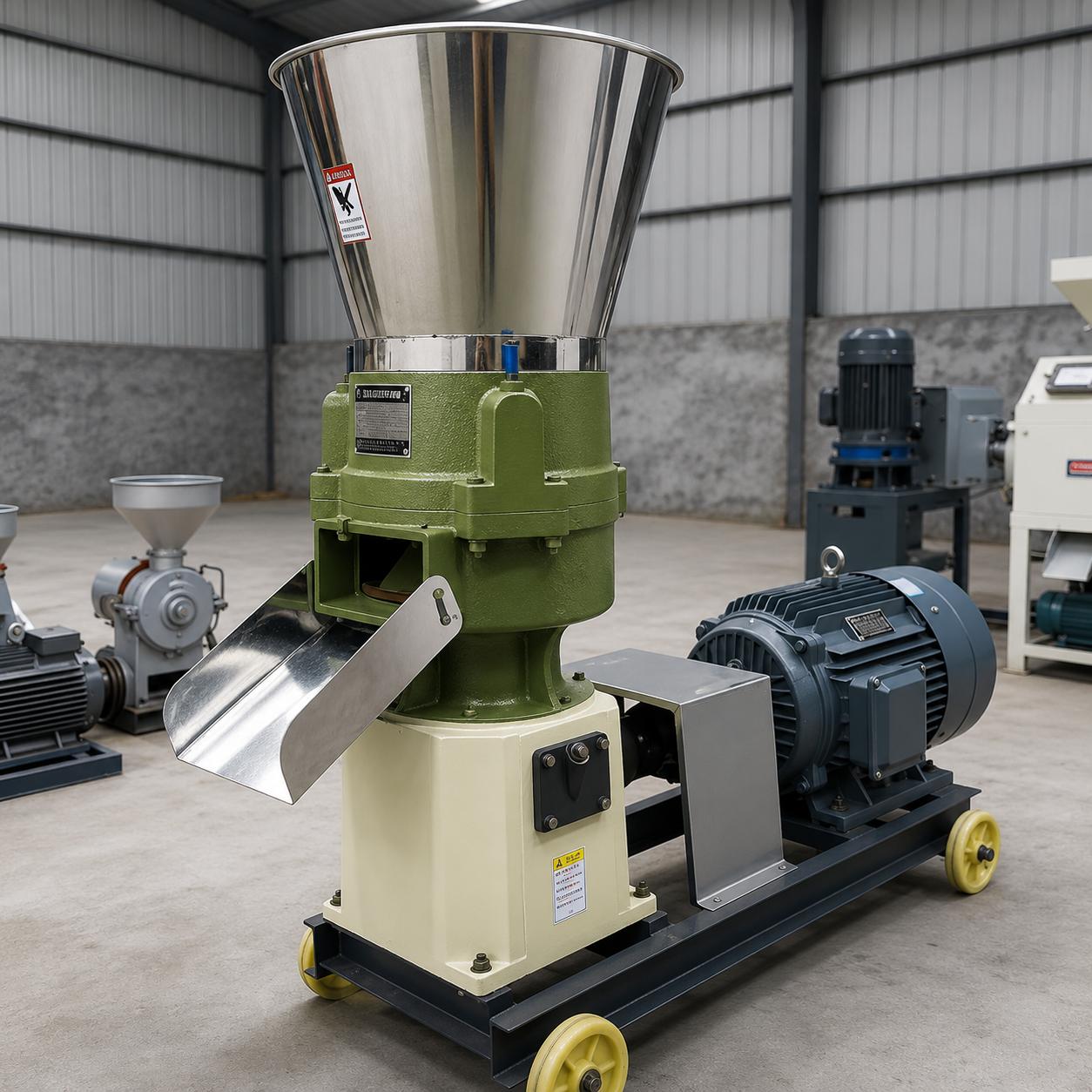
Drawing Up Motor Needs by Equipment
The first step of pre-season planning is to list clearly which equipment needs which type of motor. In farming every piece of equipment has a different load character, and that difference directly determines the right motor choice. Two motors of the same power can perform completely differently under different load profiles.
Milking Systems
Milking vacuum pumps run twice or three times a day, every day, without interruption. Here the priority is continuous-duty endurance and quiet, vibration-free operation. When a milking motor stops, herd comfort and milk yield are affected instantly, and milking cannot be postponed even by an hour. That is why the milking motor sits at the very top of the critical spare list and is an item that must be backed up.
Feed Mixing and Preparation
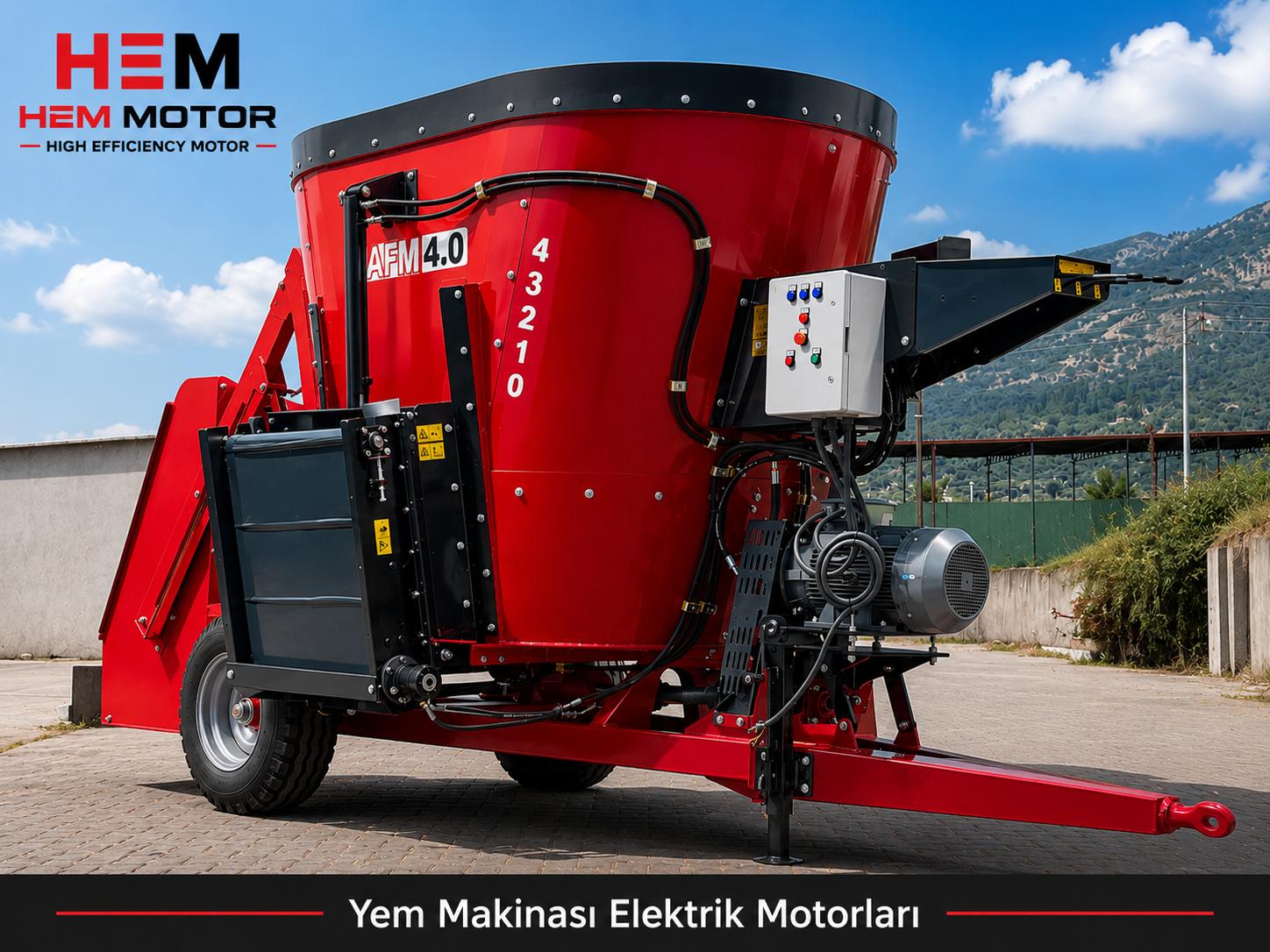
Feed mixers run under impact and variable load; as the density of the mix changes and new material enters the machine, the load on the motor fluctuates. Here the right power margin and high starting torque are decisive. An undersized motor struggles with a dense mix, overheats, repeatedly trips its protection relay and finally drops out mid-season.
Irrigation Pumps
Irrigation motors usually run for long hours at steady load; here energy efficiency feeds directly into operating cost. If the motor turns for hours a day through the irrigation season, the saving an efficient motor provides makes a serious difference across the season. A protection class suited to the field's moisture, dust and outdoor conditions is also essential; otherwise the motor fails early.
Drying and Ventilation Fans
Post-harvest drying fans bring the produce down to a storable moisture level and run continuously at harvest peak. The stoppage of these motors is the most urgent scenario, because damp produce begins to spoil within hours. Drying fan motors are critical items that must be chosen carefully for both continuous-duty endurance and dust resistance, and must always be backed up.
How to Carry Out Pre-Season Stock Planning
Once the equipment list is drawn up, the next step is to turn it into a concrete stock and supply plan. A good pre-season plan consists of a few orderly steps taken in the quiet period, each feeding the next:
- Age and condition inventory: the age, running hours and past failures of all motors on site are recorded; those nearing end of life are flagged.
- Critical spare identification: motors of equipment with no recovery margin (milking, drying) are prioritised and placed on the spare list.
- Early sourcing: critical spares are sourced in the quiet period before the season intensifies, removing the worry of stock hunting and long lead times at peak.
- Compatibility check: the new motor's frame size, shaft diameter, mounting type and speed are chosen to match existing equipment exactly; otherwise even a motor of the right power will not fit.
- Protection class verification: the correct protection class for dust, moisture and outdoor conditions is confirmed before the season.
- Stock level definition: a minimum stock level is set for frequently consumed small-power motors and replenished as it falls.
These steps turn the motor from an item "thought about once it fails" into a planned part of the season. When pinning down the right power and speed range, evaluating equipment-appropriate options through our electric motor solutions suited to agricultural applications is the practical way to match the list to the real needs of the field.
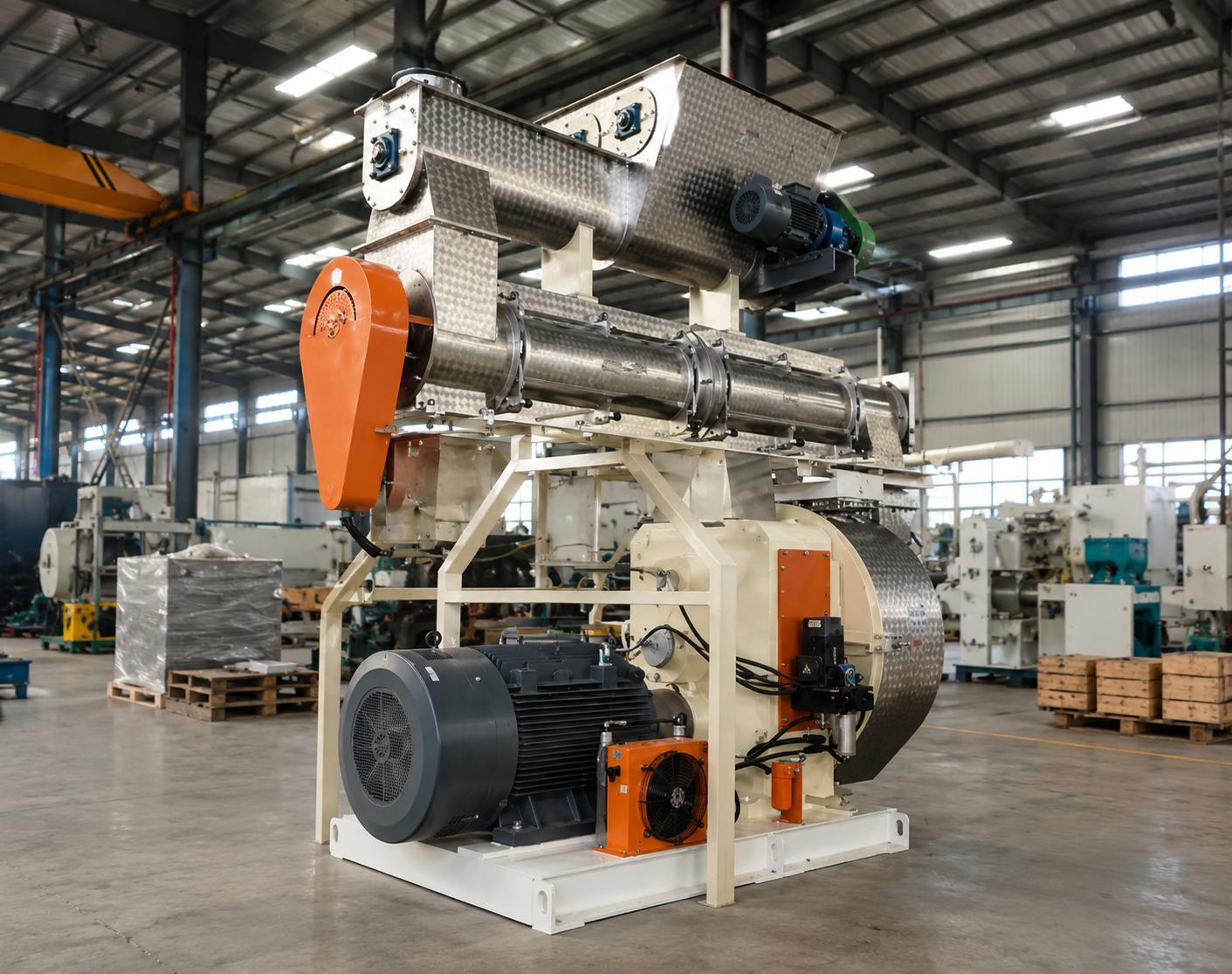
Bulk Planning at the Cooperative and Dealer Level
Holding every critical spare motor on the shelf for a single farm may sometimes not seem economical. This is where bulk planning at the cooperative or dealer level comes in, greatly improving both cost and supply security.
- Shared stock pool: the motor types most used by members in the region are held jointly in the cooperative depot; no single farm has to tie up money on a shelf alone.
- Volume advantage: bulk quantity secures a better quote and delivery priority; small operations also enjoy large-buyer advantages.
- Fast access: a nearby cooperative depot eliminates waiting for a supplier hours away during peak season.
- Standardisation: if equipment in the region is similar, spares for many machines can be covered with few motor types, lowering stock cost.
- Knowledge sharing: joint planning also eases the transfer of experience on correct motor selection and maintenance practice among members.
When carrying out regional bulk planning, referencing our broad motor and reducer range to standardise the motor types held jointly makes it easier to build a smart spare list that covers many machines with few items. Preparing a pre-season stock and supply quote is the soundest way to enter the harvest or milking peak fully ready and with confidence.
Common Mistakes in Pre-Season Planning
Although the logic of pre-season planning looks simple, mistakes repeated in practice can leave the plan ineffective. Being aware of these mistakes is the key to carrying the plan from paper to the field:
- Leaving it to the last minute: hunting for a motor at peak season means facing the highest demand, the longest lead time and the most limited options all at once.
- Looking at power only: when speed, frame size, shaft diameter and protection class are skipped, even a motor of the right power may not fit the equipment.
- Underestimating protection class: in a dusty, humid farm environment a low-protection motor fails early even at the right power.
- Critical equipment without a spare: leaving equipment with no recovery margin, such as milking and drying, without a spare is the most expensive gamble.
- Ignoring energy cost: disregarding efficiency on irrigation motors that run for long hours leads to an expense that grows quietly across the season.
Avoiding these mistakes comes down to a single principle: make the decision in the quiet period, not at the peak. Calm pre-season planning is the most reliable way not to leave a year's labour to the whim of a motor, and over the long run it clearly lowers both cost and risk.
Frequently Asked Questions
When should I start pre-season planning?
The ideal time is the quiet period when equipment runs least, that is, weeks and ideally months before the season intensifies. In this period the age, running hours and failure history of motors can be reviewed comfortably, critical spares can be sourced without rush, and compatibility checks can be carried out. Starting to plan at peak season means wrestling with the highest demand and the longest lead time at once; acting early is therefore always an advantage.
Is holding critical spare motors economical for a small operation?
Keeping every critical spare on the shelf for a single small farm can be costly. Here a shared stock pool at the cooperative or dealer level is the most sensible solution: members in the region hold frequently used motor types in a common depot, so no operation ties up capital alone, yet everyone gains fast-access advantage. Bulk quantity also brings a better quote and delivery priority; small operations benefit from large-buyer power too.
Is the power value alone enough when selecting a motor?
No, power alone is not enough. For the motor to fit the equipment, the speed range, frame size, shaft diameter, mounting type and especially a protection class suited to the farm environment must also be chosen correctly. In dusty, humid conditions a low-protection motor will fail early even at the right power. Confirming all these parameters against the equipment before the season ensures the motor arriving on site commissions smoothly on the first attempt.