English
 Türkçe

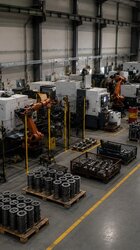
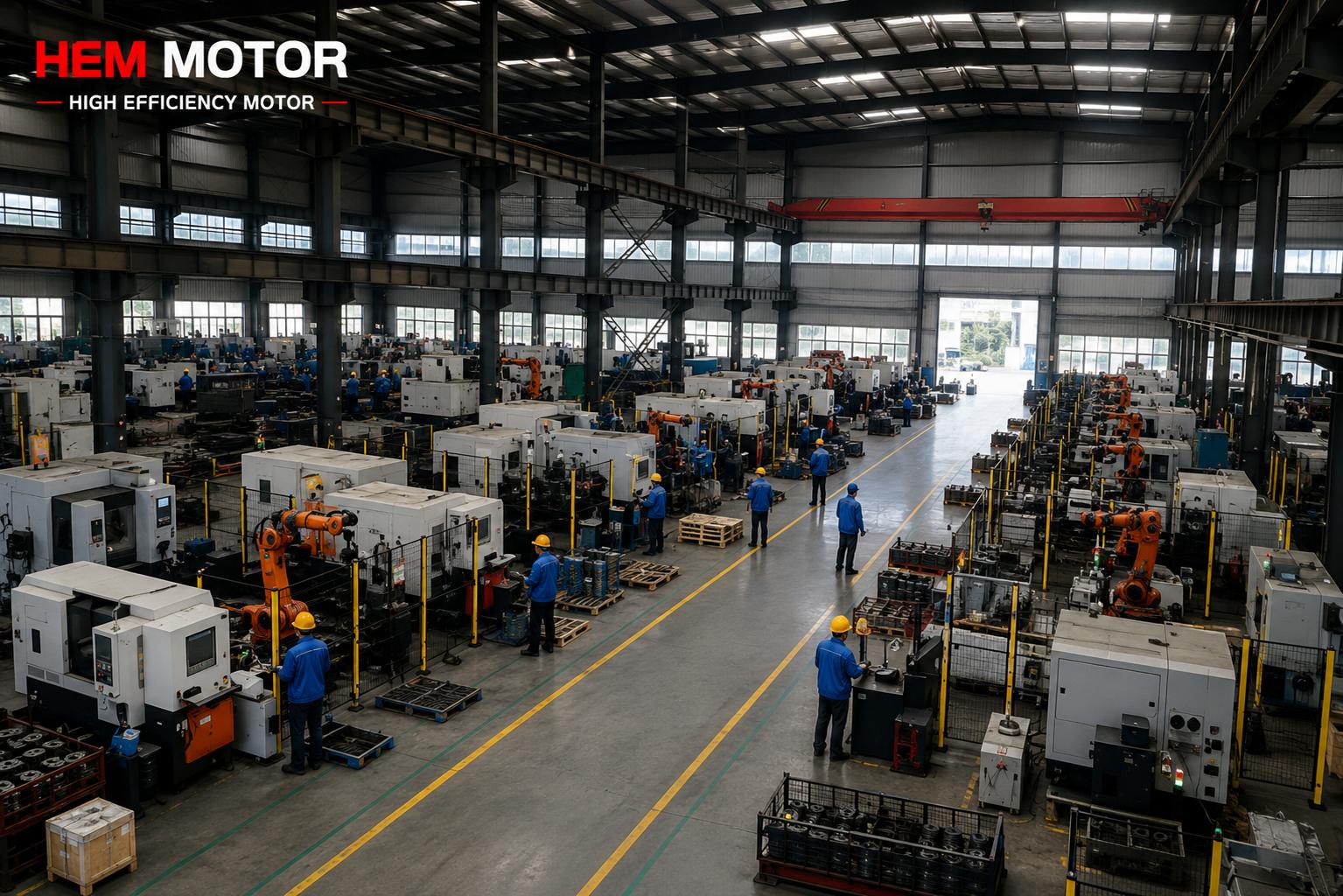

Motor procurement at a textile or spinning mill is less about buying a single motor than about managing a list. From the blowroom line to carding and drawing frames, from roving and ring spinning machines to open-end (OE) rotors, to calender and winding units, every machine demands a different power, a different speed and a different speed precision. A motor at the wrong speed or with insufficient precision increases yarn breakage, causes quality defects and downtime. This article builds a machine-by-machine requirement list for businesses that supply motors to textile and spinning machinery or renew a line: which power and speed range is typical for which machine, where speed precision and vibration come to the fore, which motors can be supplied quickly from stock. The goal is to match the right motor to the right machine and procure it in a single order, without stopping production.
The Three Core Axes of Motor Selection in Textiles
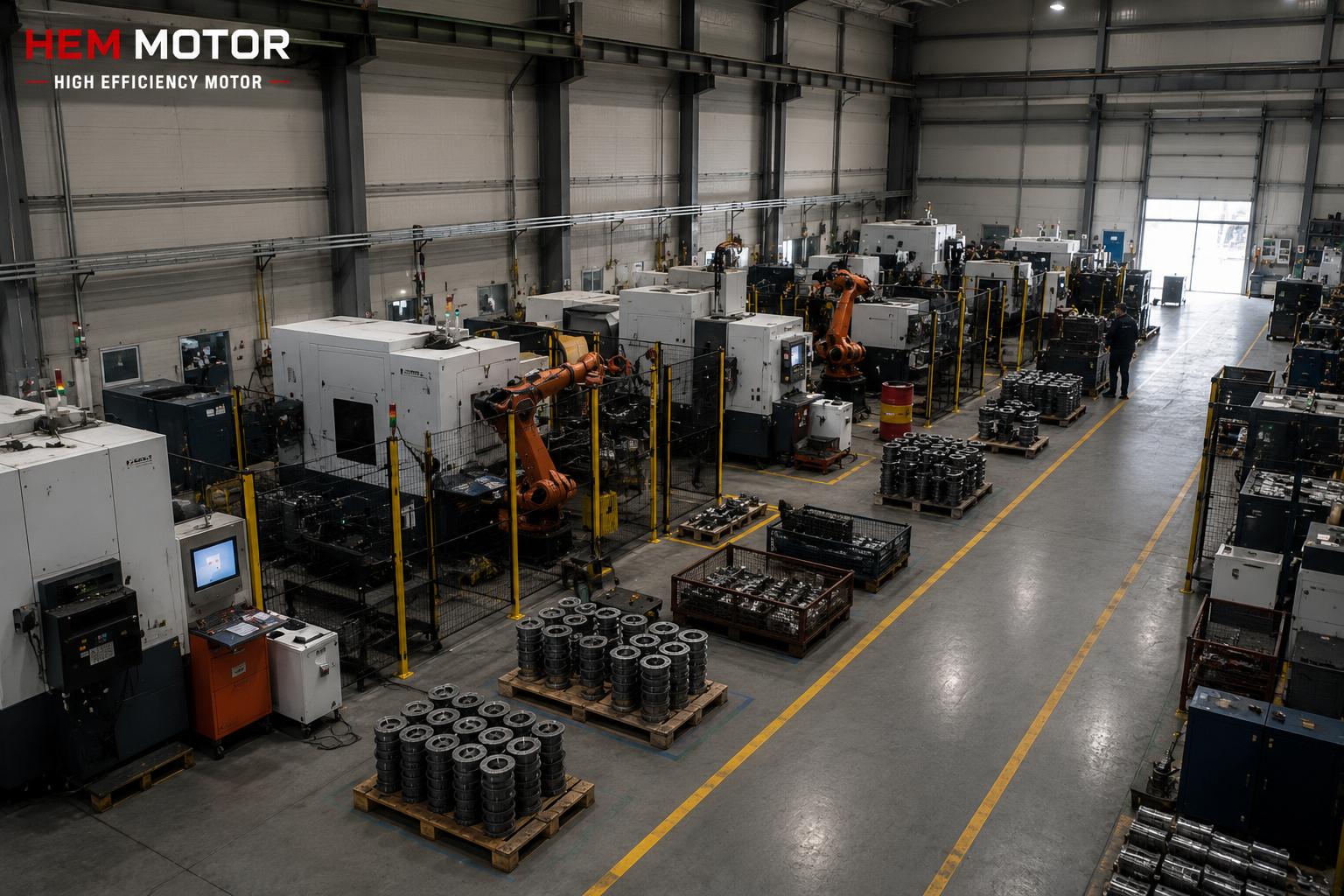
Three axes determine motor selection in spinning and textile machinery. The first is speed precision: yarn tension depends on speed, and small fluctuations in speed increase breakage and quality defects. The second is continuous operation: textile plants mostly run three shifts, in S1 continuous duty; the motor must withstand heating and long-term load. The third is vibration: a low-vibration, balanced motor both preserves yarn quality and extends bearing life.
A fourth practical axis is mechanical compatibility when replacing a motor: the mounting type, frame size, shaft diameter and key dimensions of the new motor must match the machine exactly, otherwise the line stops for hours. That is why motor selection in textiles is not just about kW but the right kW + right speed + low vibration + continuous duty combination. We covered the correct speed selection that reduces yarn breakage when renewing motors at textile plants in detail in our motor renewal at textile plants article; this article turns that into a machine-based supply list.
Why is continuous duty (S1) critical?
Textile lines rarely stop; a ring spinning machine can run uninterrupted for days. That is why the motor duty type should be S1 (continuous operation), with class F insulation and at least IP55 protection. Correct duty type selection directly affects motor life; our duty type (S1-S6) selection article clarifies this topic.
Machine-by-Machine Motor Requirement List
Below we list the typical motor needs for the main machines on a spinning and textile line. Power and speed values vary by machine brand, capacity and line design; for a precise selection it is best to share the machine nameplate and the existing motor information.
Blowroom and feeding
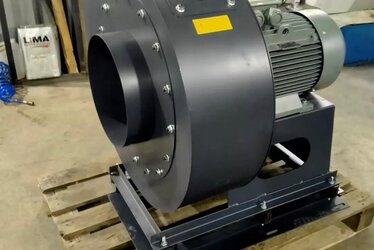
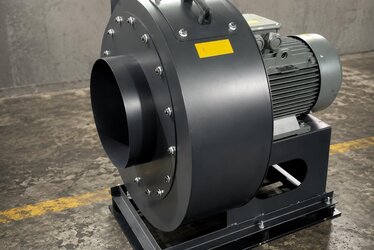
The blowroom line, where cotton is opened and cleaned, contains fans, feed rollers and transport fans. Here, medium-power continuously running IE3/IE4 motors are generally used; speed stability and low vibration are important in fan drives. When selecting fan drive motors, our aspirator and dust collection fan motor selection article is a guide.
Carding and drawing frames
The carding machine parallelises the fibres; the drawing frame combines and thins the slivers. These machines require speed precision in their cylinder drives; a deviation in speed creates fluctuation in sliver count. Low-to-medium power, precise-speed, low-vibration motors are generally preferred. We examined the speed-vibration relationship in our noise and vibration article.
Roving and ring spinning machines
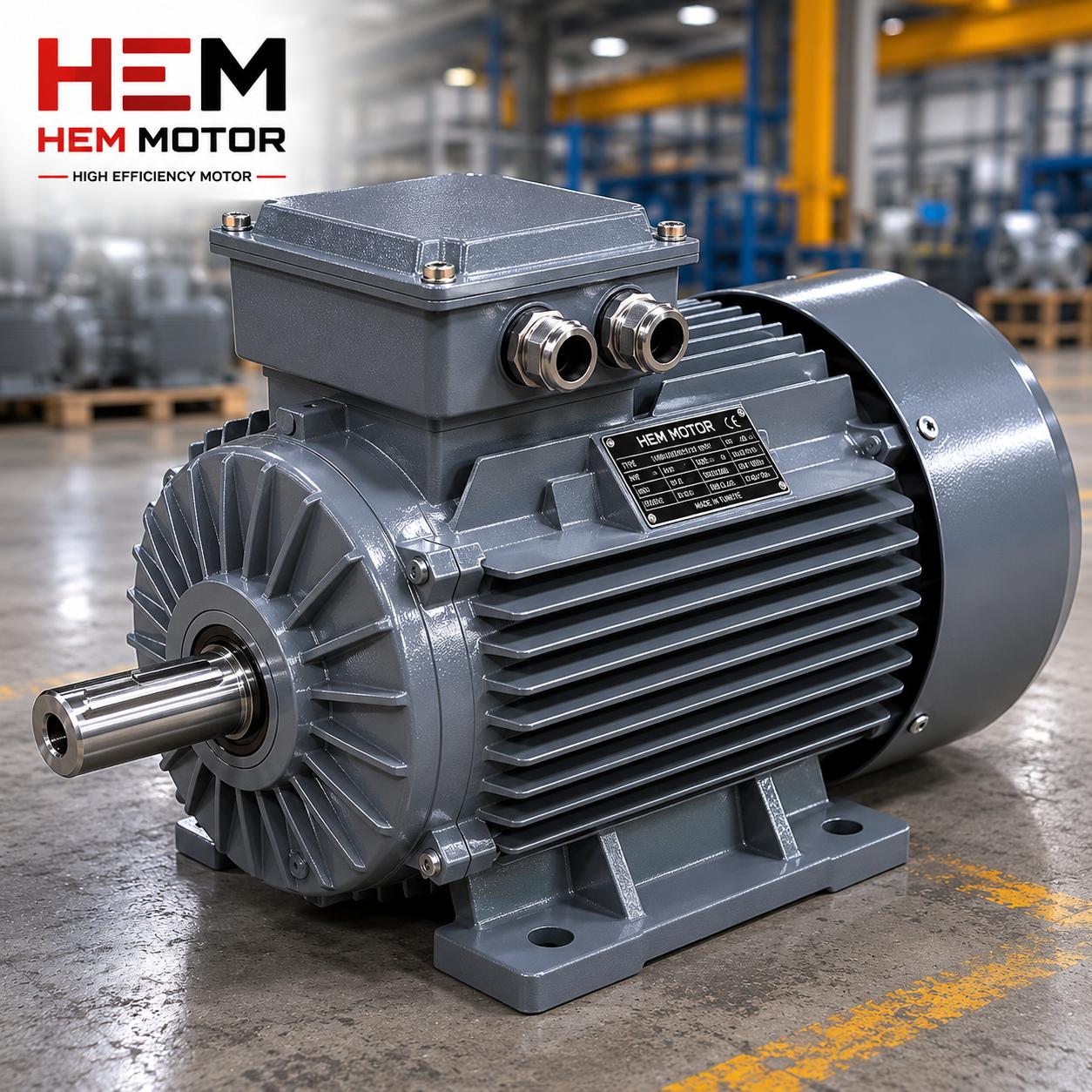
The ring spinning machine is the heart of textiles; spindle speed directly determines yarn tension and the breakage rate. Here speed precision becomes the highest priority. Many modern ring machine main motors are driven by a frequency drive (VFD); this makes start-up and deceleration controlled and allows the spindle speed to be finely adjusted. In a drive application the motor must be drive-compatible and low-vibration; our frequency drive (VFD) with asynchronous motor article explains this matching.
Open-end (OE) rotor spinning
In open-end spinning the rotor turns at very high speed; the main drive and suction fan motors must run continuously and steadily at high speed. Here the vibration value of the motor matters as much as rotor balance. Two-pole (3000 rpm) high-speed motors are common; we compared the effect of pole selection on the application in our 2, 4, 6 pole selection article.
Calender, winding and transfer units
Calender, bobbin winding and transfer units require speed control and even tension; here low-to-medium power motors, with a gearbox when needed, are generally used. In low-speed winding applications a motor + worm gear reducer combination is a practical solution; our worm gear reducers range comes into play at this point.
Dyehouse, finishing and stenter machines
After spinning, weaving, knitting and finishing processes also use motors intensively. Dyehouse mixers, squeeze roller motors, and the fan and transport motors in drying and stenter (tenter-frame drying) machines run continuously and often in a humid, hot environment. In the dyehouse and finishing section, because of humidity and steam, the IP protection class and winding insulation come to the fore; at these points at least IP55, higher protection if needed, and class F/H insulation are recommended. Because the circulation fans in stenter machines run continuously at high temperature, a heat-resistant, well-cooled motor is required. Adding the motor needs of these sections as separate lines to your requirement list lets you manage supply across the whole line from a single source.
Weaving and knitting machines
Weaving looms and circular/flat knitting machines house various auxiliary motors (weft feeding, warp let-off, aspiration) alongside the main drive motor. On the main drive, speed precision and low vibration directly affect fabric quality; a vibrating motor can cause defect marks in the fabric. Many modern weaving and knitting machines run on a drive; in this case the motor's drive compatibility and balanced rotor become important. The auxiliary aspiration motors remove yarn dust and run continuously; these are generally medium-power, continuous-duty fan motors.
Supply and Stock: Managing Without Stopping the Line
In textiles, a single motor failure can stop the entire line. That is why it is wise to keep critical motors as spares in stock while drawing up the machine requirement list. Keeping the most-used power-speed combinations (for example 4-pole 1500 rpm medium-power motors, 2-pole fan motors) as spares shortens downtime. We covered which powers should be kept in stock in our critical spare motor list article.
Information to provide in the quote for machine-based supply
To get the right motor on the first try, providing the following information for each machine line speeds things up: machine name/function, existing motor nameplate (kW, speed, frame, mounting B3/B5/B35, shaft diameter), duty type, whether it runs on a drive, speed-precision requirement and quantity. We explained the importance of reading the nameplate in ordering in our exact nameplate matching article. For supply to facilities in the textile region you can also look at our regional supply articles.
Energy Cost and Efficiency Class in Textiles
Textile plants are high-energy-consuming businesses due to three-shift continuous operation; motors make up a significant part of a spinning mill's electricity bill. We covered managing the motor fleet and replacement schedule at three-shift facilities in our three-shift facilities motor fleet management article. That is why the efficiency class in motor selection is not just a technical preference but a decision that directly affects operating cost. For a continuously running motor, choosing the IE4 efficiency class instead of IE3 pays back the initial cost over time through the energy difference that accumulates throughout the year. The main drive motors and continuously running fan/aspiration motors in particular are the points that save the most when the efficiency class is raised.
When making the efficiency class decision, the motor's annual running hours and load ratio should be taken into account. For a ring spinning main motor that turns 24 hours a day for most of the year, the IE4 investment pays back quickly; on an auxiliary motor that rarely runs the difference is smaller. Making this calculation on a machine basis when planning motor renewal in textiles both lowers energy cost and directs the investment to the right points. In addition, high-efficiency motors generally run at a lower temperature; this extends winding and bearing life, providing an indirect maintenance saving.
Which Motor Range Suits Textiles?
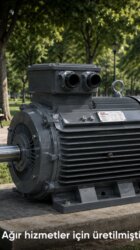
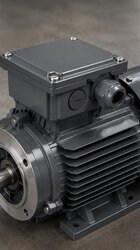
Because continuous operation, low vibration and energy cost come to the fore on textile and spinning lines, high-efficiency cast iron body motors are recommended. Our high-efficiency electric motors range is designed for S1 continuous duty; the IE4 electric motor option lowers energy cost at facilities running three shifts. For standard line motors the IE3 electric motor range is sufficient. You can reach the entire motor and gearbox range from our home page.
Frequently Asked Questions
Which speed (pole) motor should be preferred in textiles?
The answer depends on the machine. In ring and open-end spinning, because high speed is needed on the rotor/spindle side, 2-pole (3000 rpm) motors are common; in carding, drawing, calender and general drives, 4-pole (1500 rpm) is preferred; in low-speed winding/transfer applications a geared solution is used. For a precise selection, if you share your machine requirement list we recommend the right speed for each line.
Is a frequency drive mandatory for speed precision?
For machines that run at constant speed with a wide tension tolerance, a drive is not mandatory. However, on machines such as ring spinning, where speed precision directly determines yarn quality and breakage, frequency-drive (VFD) operation controls start-up and deceleration and provides precise speed. If it will run on a drive, we recommend that the motor be drive-compatible and low-vibration.
Can I procure all line motors in a single order?
Yes. When you share your machine-by-machine requirement list (kW, speed, mounting, quantity), we can plan the entire line as a single supply item; we specify those that can be met from stock as fast and those requiring special configuration with lead times separately. We also recommend spare stock for critical motors. We applied a similar machine-based requirement-list approach in our woodworking workshop motor requirement list article.
Get a Quote
Let us draw up the motor requirement list of your textile and spinning line together. Share the machine names, existing motor nameplates (kW, speed, mounting) and quantities; we will quote the motor with the right power, speed and precision for each machine with stock and lead-time information. You can call us at +90 (532) 345 49 86 or reach us via our contact page.