English
 Türkçe

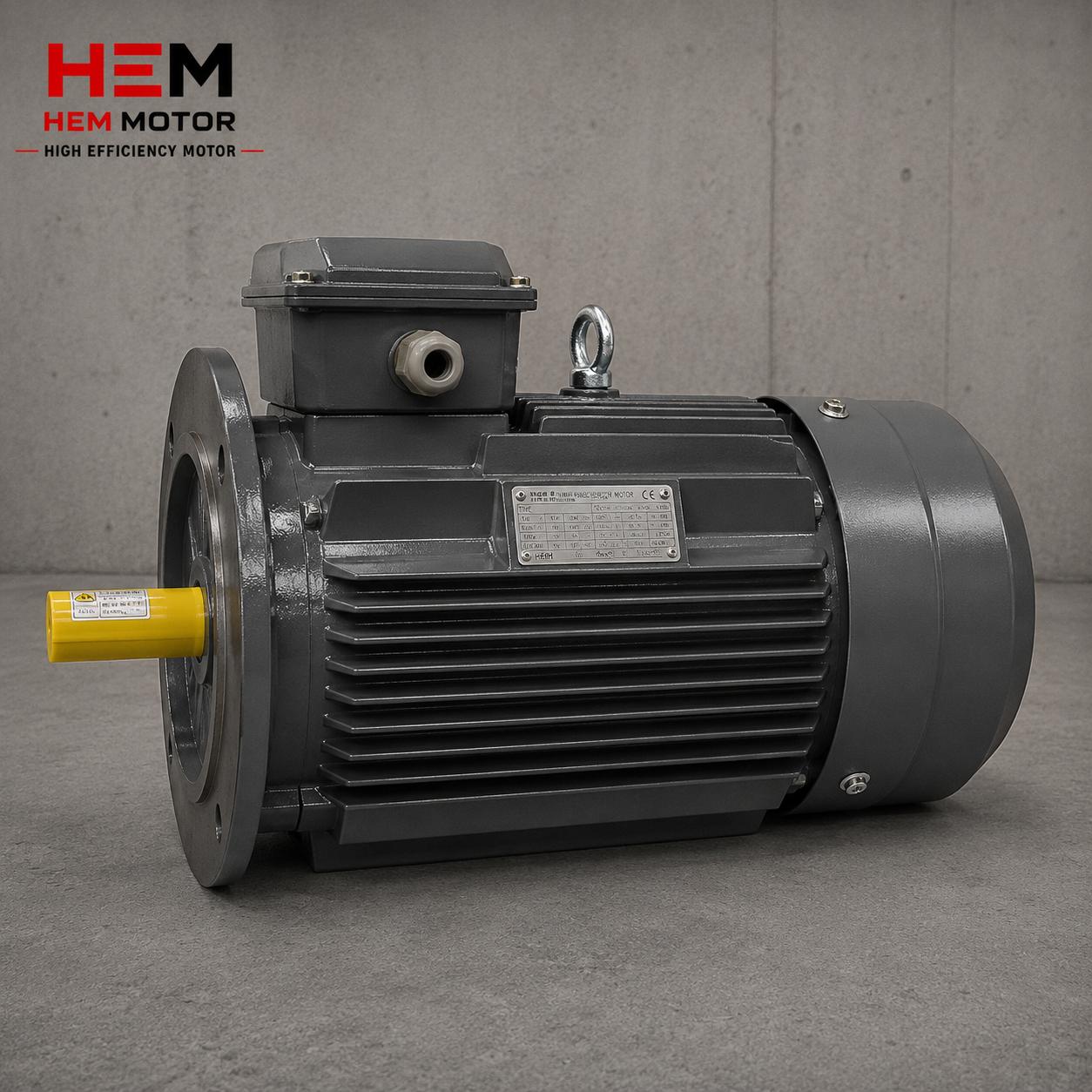

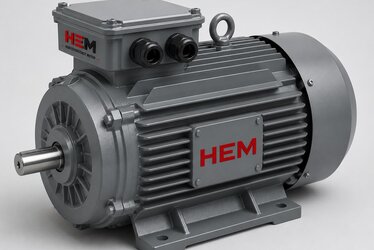
An old asynchronous motor that has been running in your facility for years may still appear to do its job. Yet IE1 or IE2 class motors quietly lose money every operating hour when compared to today's IE5 synchronous reluctance (SynRM) motor and drive packages. Replacing an old motor with an IE5 plus drive, known as a retrofit, lowers the energy bill and improves process control when planned correctly. In this article we cover the field steps of a retrofit decision, mechanical compatibility, adding a panel and drive, expected gains, and payback in conceptual terms. The goal is to clearly show when an IE5 retrofit makes sense and to eliminate the surprises you might face on site.
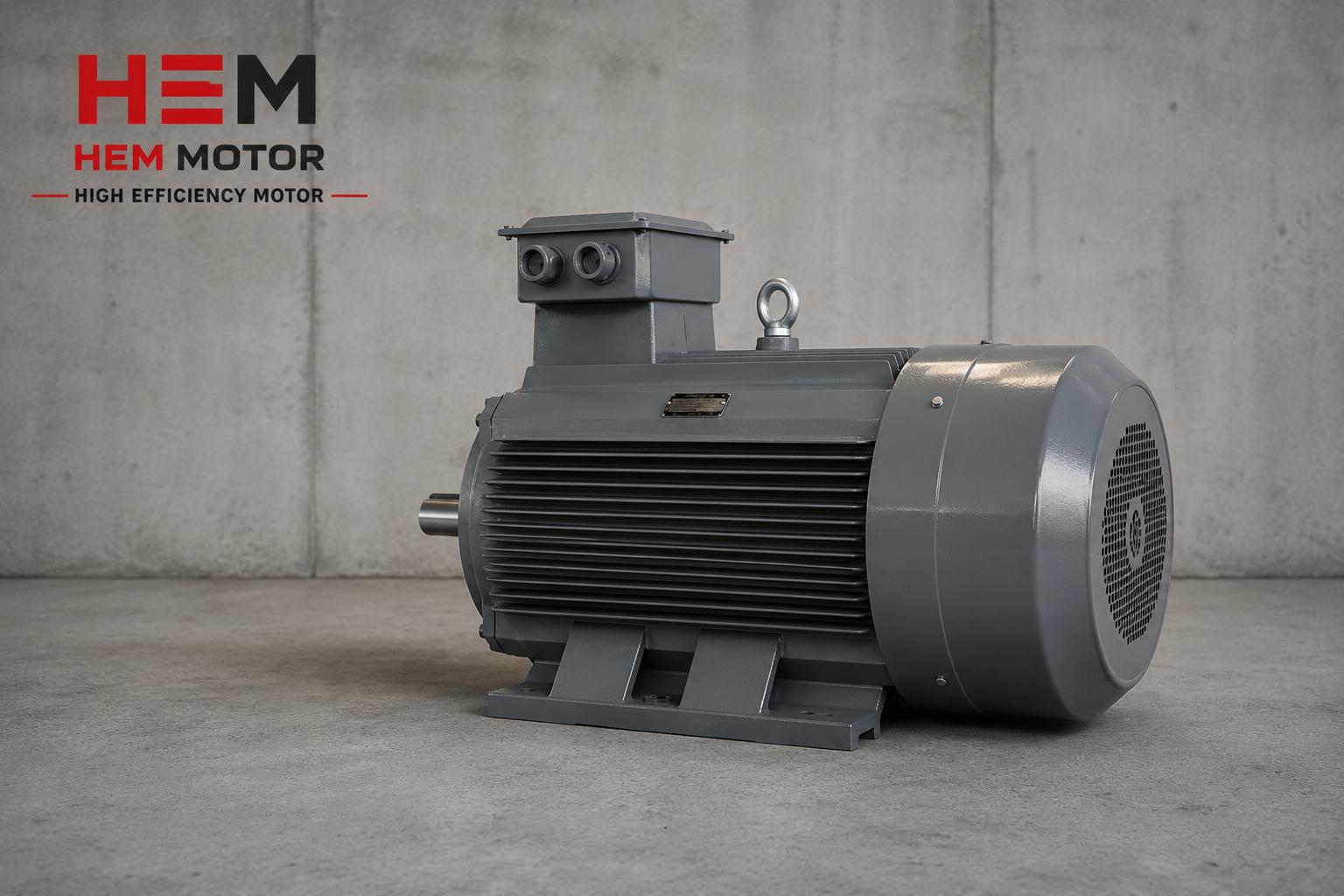
What Is an IE5 Retrofit and Why Does It Come Up?
A retrofit means removing the old motor on an existing machine and installing a more efficient motor plus, when needed, a variable frequency drive (VFD). IE5 synchronous reluctance motors offer high efficiency even at partial load because their rotor has no cage losses; however, they must have a drive to operate correctly. For this reason an IE5 retrofit is essentially a motor plus drive package transition. Our article why an IE5 synchronous reluctance motor cannot run without a drive explains the technical reason for this dependency.
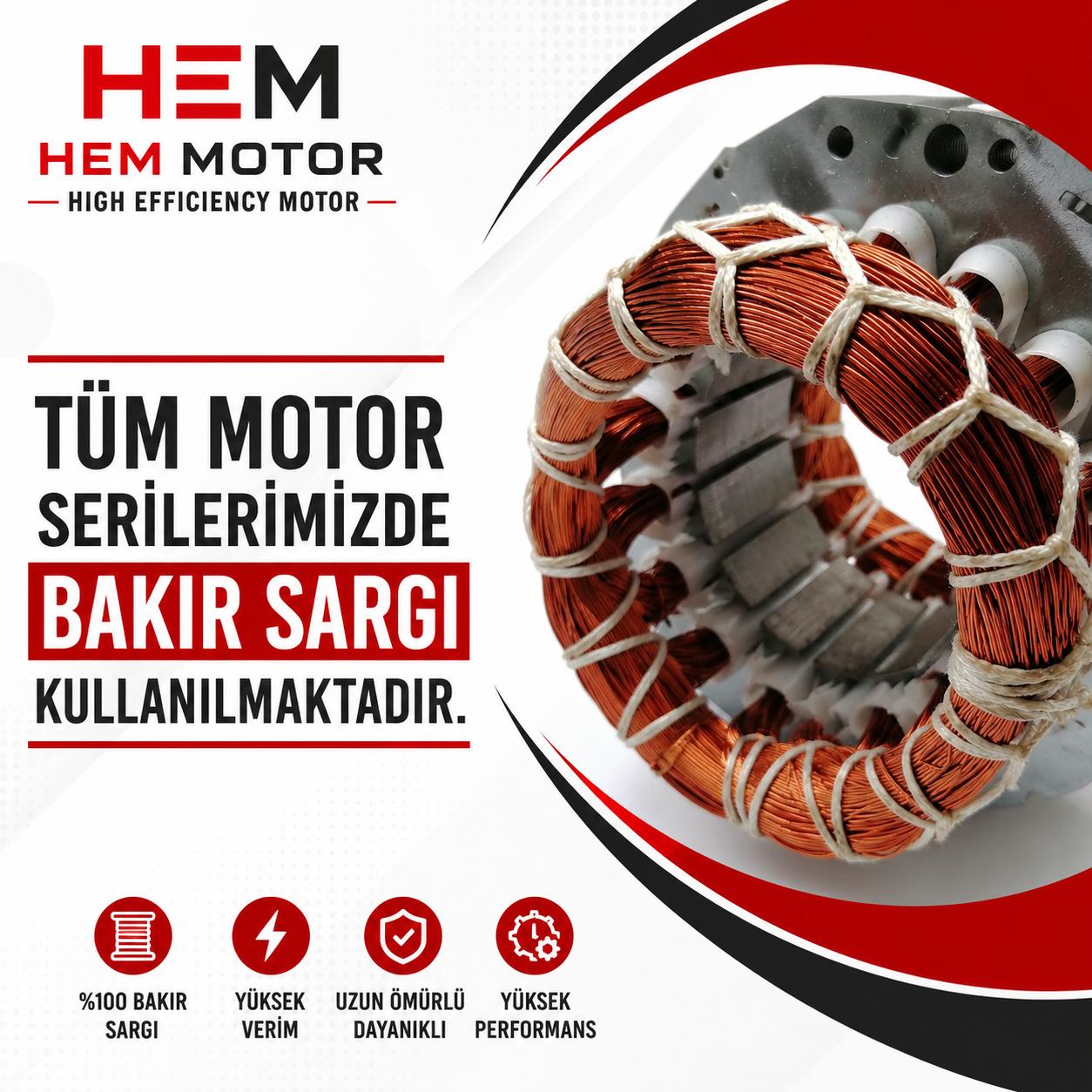
In a conventional asynchronous motor, the rotor turns by slipping behind the magnetic field, and this slip produces heat and loss in the rotor. In an IE5 synchronous reluctance motor, the rotor locks onto the axis of least magnetic reluctance and runs synchronously with the rotating field; because there is no rotor winding or cage, copper and rotor losses are largely eliminated. This structure lets the motor heat less at the same power and maintain efficiency at partial load. You can find the supply advantage of the magnet-free rotor in our magnet-free rotor supply advantage article.
If your old motors are IE1/IE2, the efficiency gap when moving to IE5 is quite pronounced. To see the real difference between efficiency classes, review our IE5 vs IE4 efficiency difference and IE5, IE4 and IE3 TCO comparison content. For the partial-load advantage of the efficiency curve, the IE5 efficiency curve article is a good guide. The regulatory side of the efficiency mandate is summarized in our IE3 and IE4 efficiency mandate article.
Field Step 1: Capture the Existing Motor Nameplate and Dimensions
A retrofit starts with correctly identifying the rated values and mechanical dimensions of the existing motor. From the nameplate, record power (kW), speed (rpm), voltage, current, connection (star/delta), frequency, duty type and frame size. If you are unsure how to read a nameplate, our reading an IE3 motor nameplate and avoid wrong motor delivery articles provide an exact matching checklist.
On the mechanical side, frame size (IEC 56-355), shaft diameter, key size, foot hole spacing, shaft length and flange type (B3/B5/B35) are critical. If these do not match, the motor will not seat on the machine or the coupling/pulley alignment will be off. For correct mechanical matching, read our coupling selection and shaft alignment and motor shaft diameter and key dimensions content. For mounting type detail, the B5 vs B14 mounting type article also helps. The IE4 transition mechanical compatibility article carries the same principles for IE5 retrofits.
Frame, Shaft and Foot Compatibility
IE5 SynRM motors are built to standard IEC frame sizes, so in most cases they seat directly in place of the old motor. However, some IE5 models can be one frame size larger at the same power. In that case, the base, foot holes and pulley/coupling height must be rechecked. If the shaft diameter differs, the coupling hub or pulley must change. Even when the foot dimensions match, the motor axis may rise, so in belt-pulley applications the shaft centre height (H dimension) must always be compared. We covered frame size and power matching in our frame size and power matching article.
Shaft length and keyway determine whether the existing coupling or pulley fits the motor. If the old motor's shaft is longer or the keyway differs, the coupling hub must be re-machined or a spacer used. If this small detail is missed, the field team faces an unexpected delay during retrofit installation. Therefore, requesting the shaft drawing (dimension drawing) before ordering is the safest path.
Field Step 2: Plan the Drive (VFD) and Panel Side
An IE5 synchronous reluctance motor cannot be connected directly to the mains without a drive. Therefore a variable frequency drive is added to the panel during the retrofit. The VFD is selected based on motor power and current; the drive must have a control mode capable of driving the SynRM motor (vector / dedicated SynRM mode). You can find the drive logic in our VFD with asynchronous motor article.
On the panel side, sufficient space, cooling and cable cross-section must be planned for the drive. Drives generate heat, so the need for panel ventilation or air conditioning increases. The existing contactor and thermal relay arrangement changes with the VFD, because the drive takes over part of the starting and protection functions. Direct-on-line (DOL) and star-delta arrangements are no longer needed, but a fuse, an input reactor if required and an EMC filter are added at the drive input. For correct cable, fuse and contactor sizing, our IE3 rated current cable and fuse selection content is a key reference. We also recommend the motor protection devices article.
The cable between drive and motor also deserves attention. On long cables, using a shielded motor cable to reduce voltage reflections and winding stress, and adding an output reactor if needed, is recommended. Grounding and EMC continuity are critical for motor life and electrical safety in drive systems; the motor grounding and electrical safety article is a guide here.
Drive Parameterization and Commissioning
The IE5 motor's drive goes through an autotune process so it can learn the motor parameters. If this step is skipped, the motor will not run efficiently and may even show vibration and heating. During autotune, the drive measures the motor's resistance and inductance values and tunes the control algorithm accordingly. For parameterization details, follow our IE5 drive parameterization and drive and installation compatibility commissioning checklists. For general commissioning steps, the motor commissioning first startup check article also helps. To verify rotation direction and phase sequence at first start, read our rotation direction and phase sequence article.
Gain and Payback: A Conceptual Framework
The strongest argument for an IE5 retrofit is energy savings. The efficiency gap between an old IE1/IE2 motor and an IE5 package reduces electricity consumption at rates that vary with the motor's annual operating hours and load profile. The higher the operating hours and the more variable the partial-load profile, the more pronounced the savings from IE5's partial-load advantage. To calculate savings correctly, use our nameplate vs field efficiency and measuring and documenting annual savings articles.
The gain does not come from motor efficiency alone. If the existing application is a fixed-speed pump or fan and the process actually needs variable flow, adding a drive alone creates large savings. According to the affinity law, reducing speed cuts power by the cube of the ratio. So the retrofit both raises motor efficiency and improves process control. For the additional savings achieved with a VFD on pumps and fans, our VFD savings with the affinity law article clearly shows the conceptual gain.
Payback time is the ratio of the investment cost to the annual savings. Giving a fixed price here would be wrong, because power, operating hours and energy unit cost vary by facility. The general rule, however, is this: payback is fastest for high-power motors that run 24/7 and operate at partial load. For low-runtime, fixed-load small motors, the drive cost can extend the payback. To see the total cost of ownership holistically, our how to calculate TCO and, for investment prioritization, our ISO 50001 and motor efficiency content are useful. We also covered the reactive penalty and power factor side in our power factor and reactive penalty article.
When Does a Retrofit Make Sense?
An IE5 retrofit does not make equal sense for every motor. On a very low-power motor that runs only briefly, the drive cost recovers the savings slowly. By contrast, variable-flow pump-fan applications, continuously running high powers, and lines that need precise speed control are ideal retrofit candidates. When deciding, use the threshold logic in our IE5 above 132 kW investment payback and is IE5 below 7.5 kW worth it articles. For the rationale of replacing rather than rewinding an old motor, read our rewind or buy new content. If you are preparing for an energy efficiency audit, our building a motor inventory article helps you set retrofit priority.
An Alternative to IE5: IE4 Retrofit
Not every application requires IE5. If you have a fixed-speed application running direct-on-line (DOL) and want to avoid the drive cost, retrofitting with an IE4 asynchronous motor is also a strong option. IE4 motors can run without a drive, which simplifies the panel change and lowers the investment. For this comparison, we recommend our IE4 transition decision and replacing an old motor with IE4 articles. IE4 and IE5 reach the same efficiency target with different technologies; the IE4 asynchronous vs synchronous reluctance article explains the difference. You can review our product range on the high efficiency electric motors and IE4 electric motors pages, and reach all categories via our HEM Motor home page.
Frequently Asked Questions
Can I install an IE5 motor in place of the old one without a drive?
No. IE5 synchronous reluctance motors cannot be connected directly to the mains; they always require a suitable variable frequency drive. Your retrofit plan must treat the motor and drive as a package. If drive-free operation is required, consider an IE4 asynchronous motor, which can run direct-on-line.
Will the motor seat exactly on the machine during a retrofit?
In most cases yes, because IE5 motors are built to standard IEC frame sizes. However, some models can be one frame size larger; always compare the foot holes, shaft diameter, shaft length and flange type against the existing motor nameplate and dimension drawing before ordering.
What determines the payback time?
Three factors: motor power, annual operating hours and load profile. Payback is fastest for high-power motors that run continuously and operate at variable partial load. For fixed-speed, low-runtime small motors, the drive cost extends the payback. On variable-flow pumps and fans, the extra savings the drive provides shortens payback significantly.
Get a Quote
If you would like support in selecting a motor and drive package, checking mechanical compatibility and planning delivery for your IE5 retrofit project, get in touch with us. You can reach us at +90 (532) 345 49 86 or send your request via our contact page. If you share a photo of your existing motor nameplate and its annual operating hours, we will determine the most suitable package together.
Purchasing and Selection Checklist
- Capture the existing motor nameplate data (kW, speed, voltage, current, connection, duty type) in full.
- Measure the frame size, shaft diameter, shaft length, key, foot hole spacing and flange type.
- Check whether the IE5 motor is one frame size larger at the same power and verify the shaft centre height.
- Select a variable frequency drive that suits the motor power and supports the SynRM control mode.
- Plan space, cooling, EMC filter and cable cross-section for the drive in the panel.
- Use a shielded motor cable; consider an output reactor over long distances.
- Apply the autotune step during commissioning; monitor vibration, heating and rotation direction.
- Evaluate the payback time conceptually based on load profile and operating hours.
- If drive-free operation is required, compare the IE4 asynchronous alternative.