English
 Türkçe

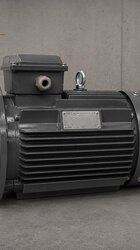
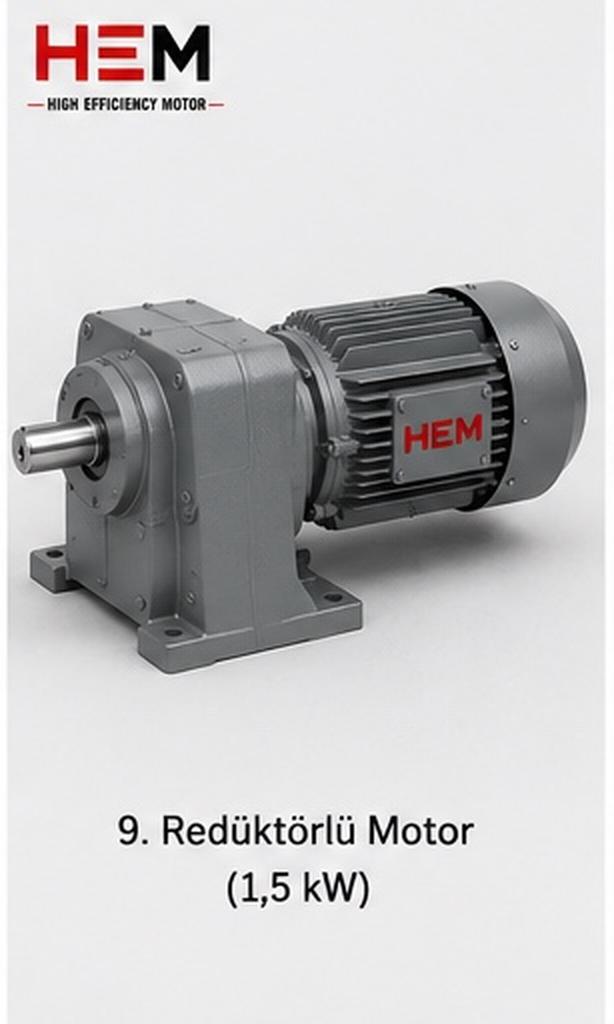

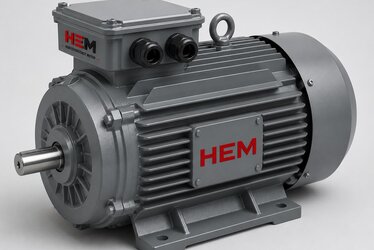
IE5 synchronous reluctance (SynRM) motors represent the highest efficiency class with their magnet-free rotor structure and low-loss design. Yet a motor's most insidious enemy strikes not while running but when it stops: condensation. When a motor that has been running hot stops, it slowly cools; as the humid air inside the body cools it reaches saturation and condenses as water droplets on the winding surfaces. This moisture lowers the insulation resistance and increases the risk of premature failure, especially in high-efficiency, precision-wound IE5 motors. In this article we examine, from a manufacturer's standpoint, how the anti-condensation heater works on an IE5 SynRM motor, why moisture is dangerous in a motor at standstill, and the correct supply criteria.
At HEM Motor we believe that, for high-efficiency motors to preserve their investment value, protection during the idle period is as important as during operation. In humid, cold or high-temperature-swing environments, the anti-condensation heater is a layer of protection that directly affects the life of an IE5 motor. Below we examine the topic step by step, starting from the condensation mechanism, through heater selection and correct supply.
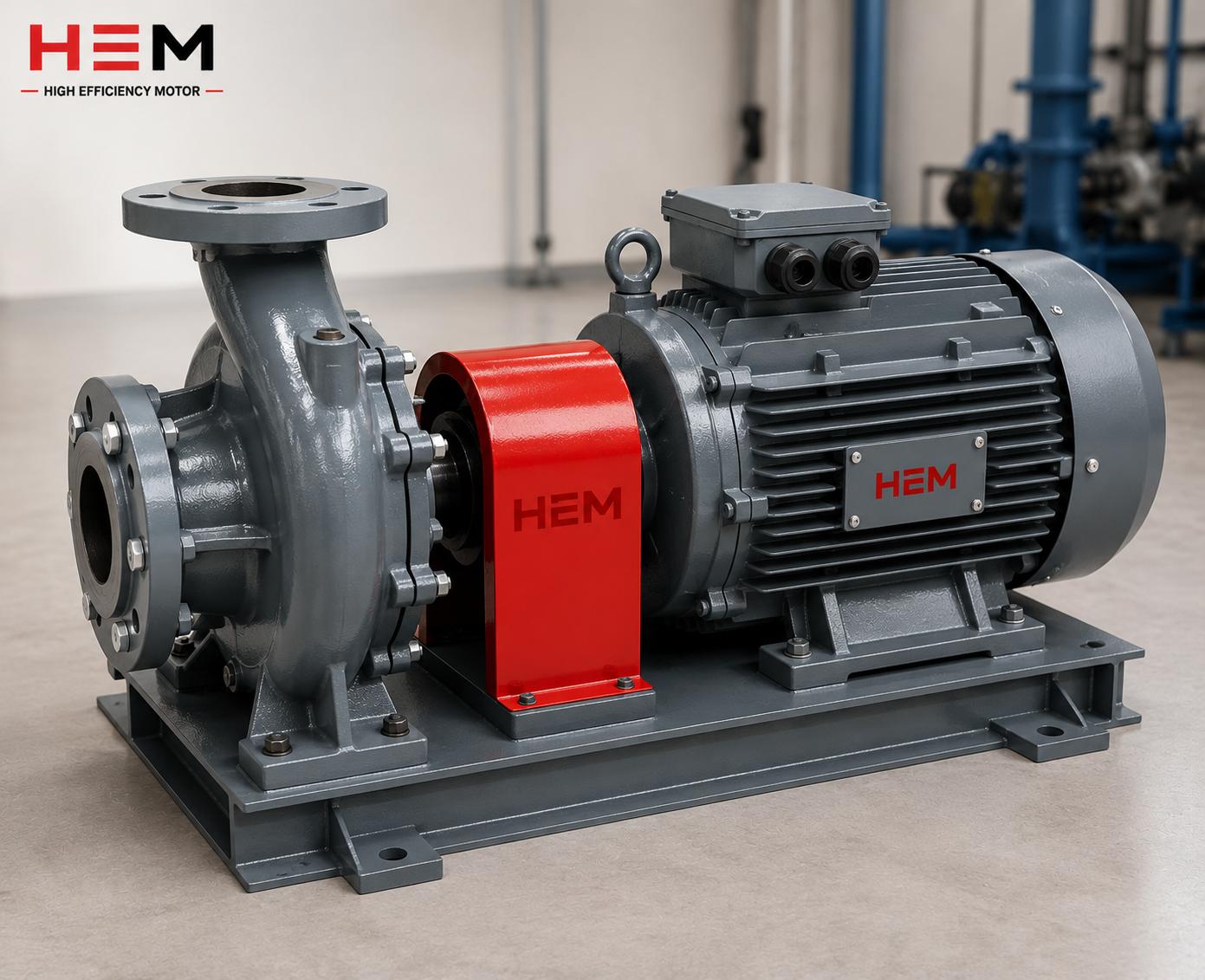
Why Does Condensation Form in a Motor at Standstill?
Condensation results from the moisture-carrying capacity of the air inside the body decreasing as the temperature drops. Warm air can hold more moisture; as it cools it cannot retain that moisture and the excess condenses as water droplets on the coldest surfaces, namely the winding wires and metal parts. The most critical situation for a motor is this: the motor heats up while running, cools toward ambient temperature when it stops, and during this cooling condensation begins inside.
The main conditions that trigger condensation:
- Temperature fluctuation: Environments with a large temperature difference between day and night, or between operation and standstill, increase condensation.
- High relative humidity: Humid environments such as pump stations, water treatment plants, coastal areas and cold storage are considered high-risk.
- Long standstill periods: Standby motors or seasonally operated motors are exposed to condensation build-up because they remain idle for long periods.
- Outdoor and shaded mounting: Motors operating in the open field or near cooling metal surfaces cool down faster and condense.
This risk carries special importance in IE5 SynRM motors, because their high efficiency is achieved thanks to precision-manufactured windings and a low-loss structure. The insulation weakening caused by condensation is felt earlier in this delicate structure. Standstill-period protection is therefore an integral part of the IE5 investment.
How Does an Anti-Condensation Heater Work?
An anti-condensation heater (space heater) is a low-power resistance element that prevents condensation by keeping the inside of the body a few degrees above ambient temperature when the motor stops. The logic is simple: as long as you keep the air inside the body above the dew point, moisture cannot condense. The heater is out of circuit while the motor runs; it engages automatically when the motor stops, keeping the inside dry.
The operating logic of a typical anti-condensation heater:
- Active while the motor is stopped: The heater engages when the motor is de-energised and keeps the inside of the body a few degrees warmer than ambient.
- Passive while the motor runs: When the motor turns, its own heat is sufficient, so the heater is switched off, avoiding unnecessary energy consumption.
- Automatic control: The heater's operation is usually managed automatically via an auxiliary contact or thermostat.
- Low power consumption: The anti-condensation heater provides only enough heat to prevent condensation, so its power consumption is low and its operating cost is small.
The anti-condensation heater preserves insulation resistance, ensuring the motor runs safely at its next start. Especially in standby motors and during long standstills, it prevents the earth leakage and insulation problems that can occur at first start.
What Field Problems Does Condensation Cause?
A supply decision that neglects anti-condensation protection can result in the following field problems. These problems usually appear after the motor has been stopped and is being prepared to run again:
- Drop in insulation resistance: Moisture accumulating on the winding lowers the insulation resistance; low megger values are observed in measurement and the motor cannot be run safely.
- Earth leakage at first start: A damp winding can cause earth leakage at first energisation and trip the protection relay.
- Onset of corrosion: Condensed moisture prepares the ground for corrosion on the metal surfaces around the winding and in the bearing regions.
- Unexpected downtime: A standby motor that cannot be brought online when needed can cause production loss in critical facilities.
The common aspect of these problems is that they appear not during operation but at the first start after standstill. The anti-condensation heater is therefore not an accessory to be added "if needed later," but a protective element to be planned at the supply stage.
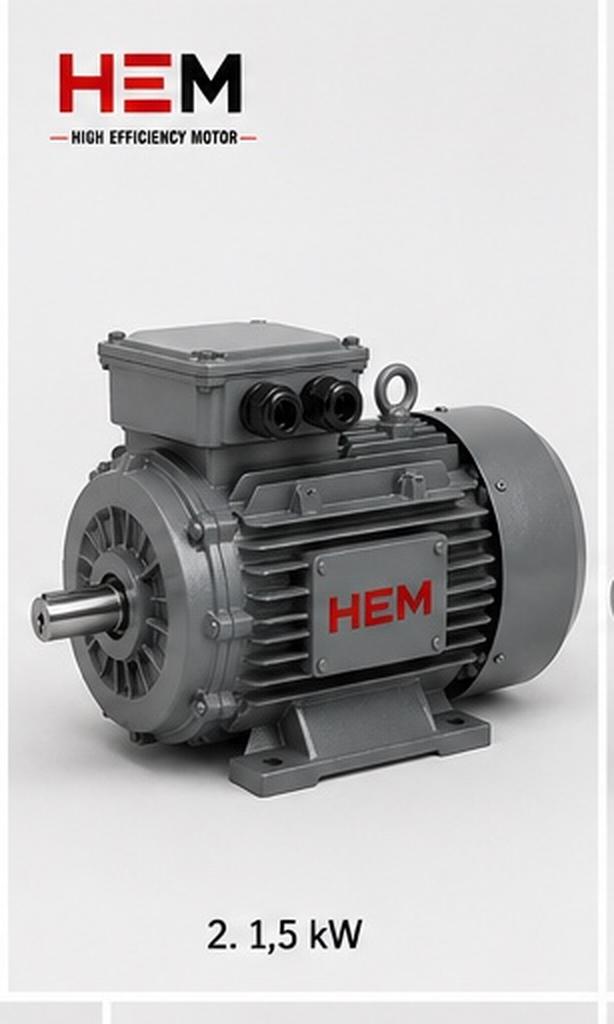
What to Consider for Anti-Condensation When Supplying an IE5 SynRM Motor
For an IE5 SynRM motor that will operate in a humid environment or stand by for long periods, a supply process that plans anti-condensation protection from the start ensures a safe first start in the field. Criteria to consider:
- Clarifying environmental conditions: Relative humidity, temperature fluctuation and standstill periods should be shared from the outset; these determine the anti-condensation requirement.
- Heater power and voltage: The power of the anti-condensation heater is selected according to the body size and environmental conditions; the supply voltage must also be compatible with the facility infrastructure.
- Automatic control: An auxiliary contact or thermostat should be foreseen so the heater engages automatically while the motor is stopped.
- IP protection and terminal layout: In a humid environment, IP55 protection and correct terminal sealing complete the anti-condensation protection.
- Insulation class: F-class insulation and, where required, a request for higher insulation provide additional safety in a humid environment.
At HEM Motor we treat the anti-condensation heater as a natural part of humid-environment supply for the IE5 synchronous reluctance motors we manufacture. For buyers who wish to understand IE5 technology and the synchronous reluctance structure more broadly, our article on IE5 and synchronous reluctance motors: the efficiency class of the future is a good start. For those wondering why these motors operate together with a drive and about the package cost, our guide on why an IE5 synchronous reluctance motor does not run without a drive deepens the topic.
The Relationship Between Anti-Condensation, Maintenance and Long Life
The anti-condensation heater is part of the motor's maintenance and life management. When regular insulation resistance measurement, correct storage conditions and standstill-period protection are planned together, the expected life of the IE5 SynRM motor is secured. Especially in standby motors, keeping the anti-condensation heater continuously energised is the key to a safe start when needed.
Our article addressing the maintenance and fault management of IE5 motors in more detail, IE5 synchronous reluctance motor maintenance and fault management, explains the place of anti-condensation protection in the maintenance plan. Businesses that wish to evaluate the right motor, protection and supply combination together can contact us for up-to-date electric motor prices and stock availability.
Complementary Moisture Protection Methods Besides Anti-Condensation
Although the anti-condensation heater is the most effective measure against condensation, protecting an IE5 SynRM motor in a humid environment requires a holistic approach. The following complementary methods, together with anti-condensation protection, secure the motor's life:
- Drain plugs: Drain plugs at the lowest point of the body allow any condensation water that may accumulate inside to be expelled; it is important that they are correctly positioned according to the mounting orientation.
- Correct IP protection: In a humid environment, IP55 and, where required, a higher protection class prevent water ingress from outside, completing the anti-condensation protection.
- Terminal box sealing: Correct gland selection and leak-tight cable entries prevent moisture from entering through the terminal box.
- Request for higher insulation: In very humid environments, an above-standard insulation treatment (for example, additional varnish impregnation) increases the winding's moisture resistance.
- Correct storage conditions: Keeping the motor in a dry environment during pre-installation storage, and keeping the anti-condensation heater energised if needed, increases safety at first start.
When applied together, these methods allow the IE5 SynRM motor to operate safely even in humid and harsh environments. For those wondering why the motor needs a drive and how the drive-motor package is selected, our article on the difference between IE5 synchronous reluctance and permanent magnet (PM) motors also clarifies the motor type selection.
In Which Sectors Does Anti-Condensation Protection Stand Out?
Knowing some typical sectors and applications where the anti-condensation heater gains value helps you formulate the right request in the supply decision. In the following areas, standstill-period moisture protection is particularly critical:
- Water and wastewater facilities: In pump motors in continuous contact with moisture and experiencing frequent stops, the condensation risk is high.
- Coastal and marine facilities: In motors operating in salty and humid outdoor environments, condensation accelerates corrosion.
- Cold storage: Low temperature and high humidity difference create the ideal conditions that trigger condensation.
- Standby and emergency motors: In motors that stand by for long periods, such as fire pumps, anti-condensation is the guarantee of a safe start when needed.
- Seasonally operated systems: In systems that run during certain periods of the year, such as irrigation and heating, long standstill is exposed to condensation build-up.
In these sectors, standstill-period moisture protection must be planned at the supply stage so the IE5 SynRM motor can preserve its high efficiency advantage. At HEM Motor we evaluate the anti-condensation heater and complementary protective measures together for these applications.
Frequently Asked Questions
Is an anti-condensation heater required on every IE5 SynRM motor?
No, it is not mandatory for every application. In dry environments with little temperature fluctuation and continuous operation, safe operation can be achieved without anti-condensation. However, in humid environments, the open field, long-standstill standby motors and seasonally operated systems, the anti-condensation heater is a strong precaution. If you share your environmental conditions and standstill profile, we can jointly assess the anti-condensation requirement.
Does an anti-condensation heater consume much energy?
No. The anti-condensation heater is low-power, just enough to keep the inside of the body a few degrees above ambient temperature, and it is out of circuit while the motor runs. Its operating cost is therefore very low. Compared with preventing insulation failure and unexpected downtime, this small energy consumption is a very economical form of protection.
Should the anti-condensation heater on a standby motor stay on continuously?
Yes, it is recommended to keep the anti-condensation heater continuously energised on standby motors. When a motor stays idle for a long time, the risk of condensation build-up increases; when the heater is continuously on, the inside of the body stays dry and the motor can be brought online safely when needed. This ensures that, in critical facilities, the standby motor truly fulfils its standby role.