English
 Türkçe

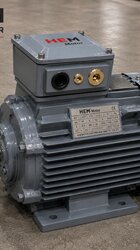
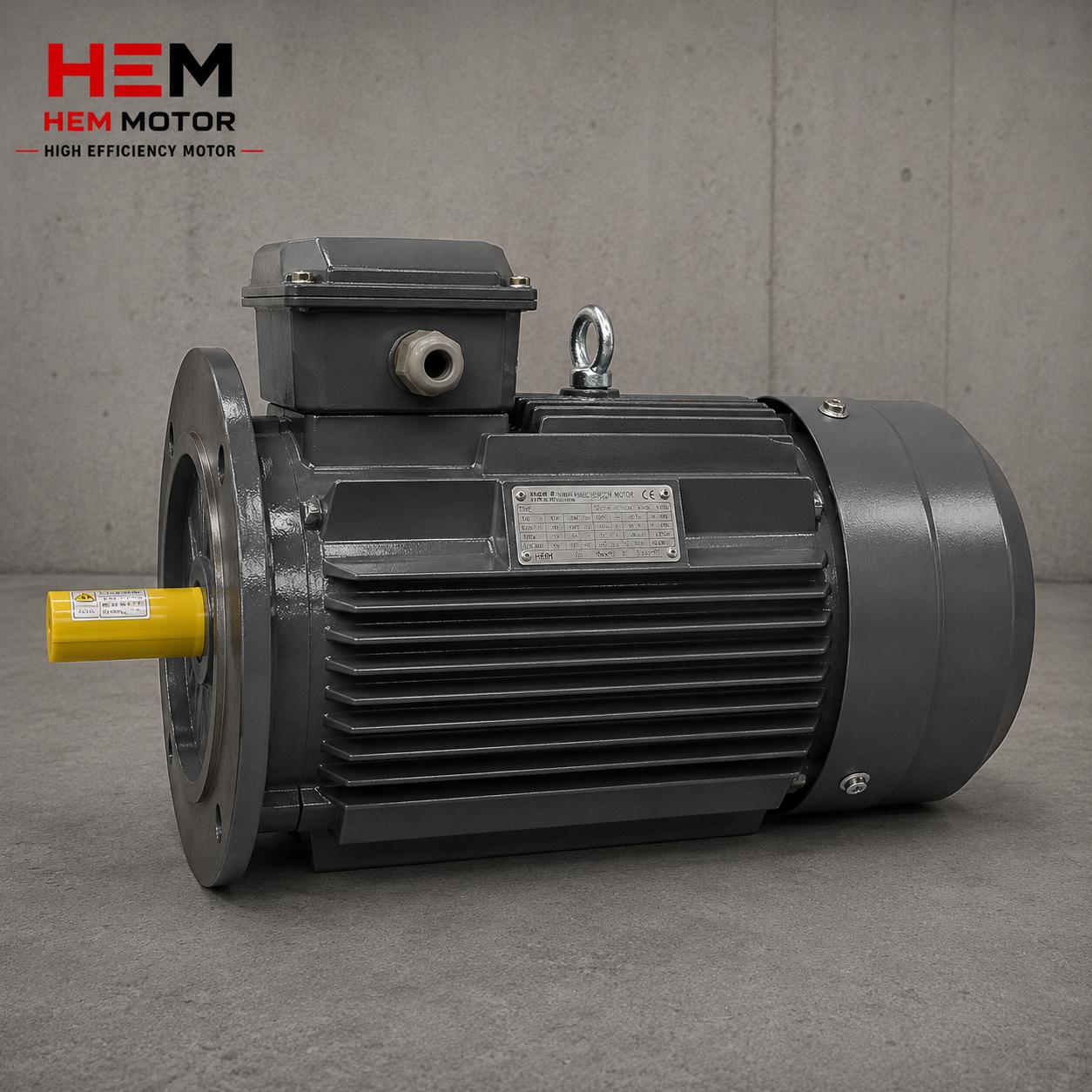

One of the most common questions when buying a next-generation efficient motor for your production line is this: "Permanent magnet motors are expensive and their supply is volatile; is there an IE5 alternative that uses no magnets?" The answer is yes. IE5 class synchronous reluctance (SynRM) motors contain no rare-earth magnets in the rotor. This structural difference delivers two concrete advantages that directly affect your purchasing decision: supply stability and price predictability. In this article we examine the magnet-free rotor logic of the IE5 synchronous reluctance motor, its supply and cost advantages over the permanent magnet (PM) motor, its drive requirement, and what to check before ordering, all from a manufacturer and supplier perspective. As HEM Motor, because we both manufacture and supply high-efficiency electric motors from stock, we help you frame this decision correctly in terms of budget and lead time.
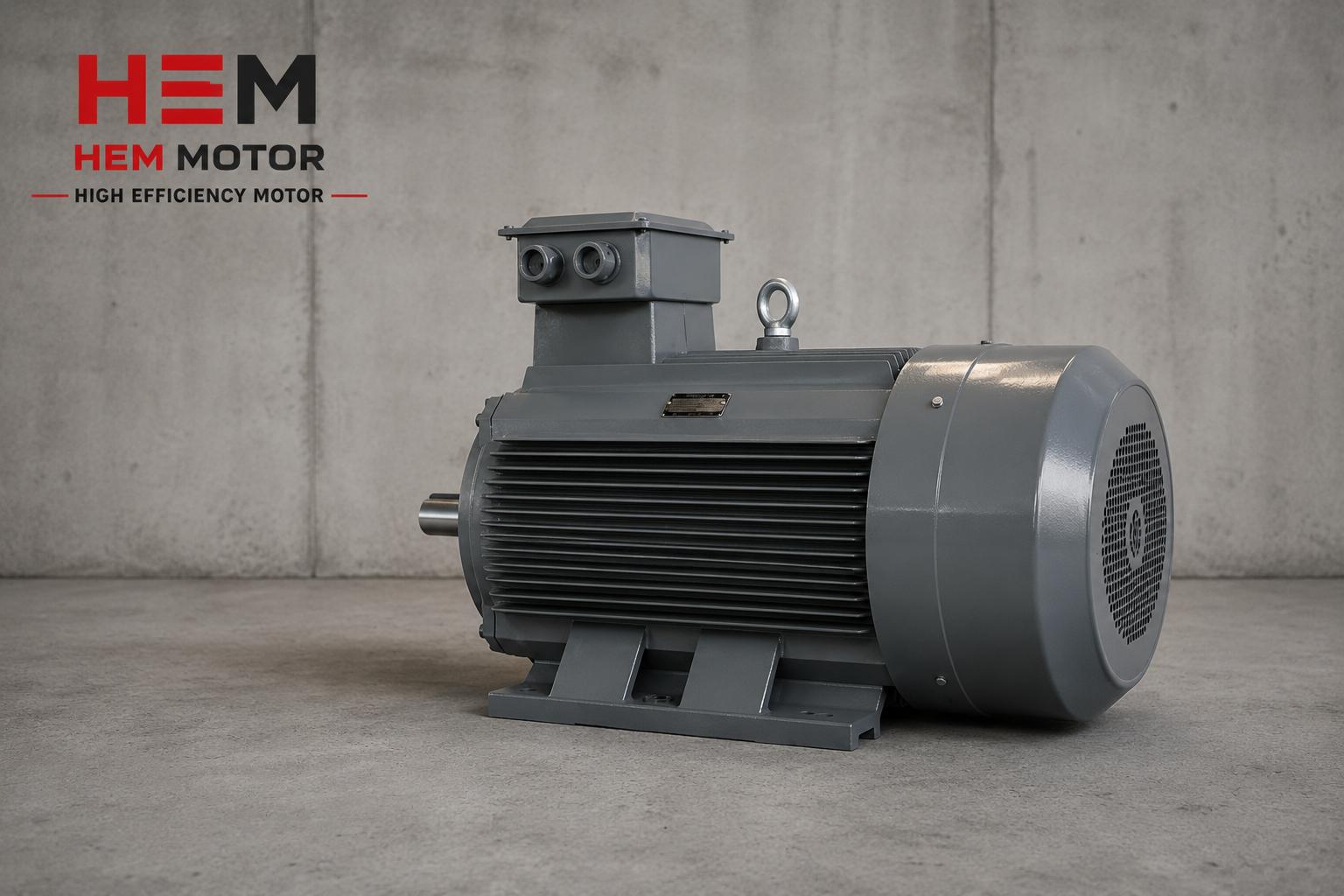
What Is a Magnet-Free Rotor? The Structure of the Synchronous Reluctance Motor
The rotor of a synchronous reluctance motor differs from both the squirrel-cage rotor of a classic asynchronous motor and the embedded-magnet rotor of a permanent magnet motor. The rotor consists of lamination packs with specially shaped air gaps (flux barriers). These barriers let magnetic flux pass easily in certain directions and with difficulty in others, creating a magnetic preferred axis in the rotor. When the stator rotating field forces this axis to align, the rotor turns at synchronous speed. Synchronous operation is achieved with no magnets, purely through geometry.
Although this structure may look abstract to a buyer at first, it produces a direct purchasing outcome. Because there is neither a bar nor a magnet in the rotor, the rotor barely heats up; this means the motor runs more comfortably thermally and bearing and winding life are extended. For a facility team used to three-phase asynchronous motor logic, the mechanical side of the SynRM motor is familiar; the difference lies only in how the rotor works magnetically and in the drive requirement. So most of your commissioning and maintenance habits remain unchanged.
This logic is the same structure we discussed in our article on whether IE5 and synchronous reluctance motors are the efficiency class of the future. Because there is no cage or magnet in the rotor, rotor losses drop almost to zero; the IE5 ultra premium efficiency class largely comes from this. When we examine where efficiency losses are reduced in an IE4 motor, it becomes clearer how decisive rotor copper/aluminum loss is; SynRM eliminates this loss at the root.
Asynchronous, PM and SynRM Rotor Difference
Let us compare the three rotor types from a purchasing point of view. The asynchronous (squirrel-cage) rotor has aluminum or copper bars; it is cheap and robust but efficiency is limited due to slip losses. The permanent magnet rotor contains embedded rare-earth magnets such as neodymium-iron-boron (NdFeB); efficiency is very high but magnet cost and supply volatility affect price. The synchronous reluctance rotor is simply a shaped lamination pack: it contains neither expensive magnets nor a rotor winding. Our article on the difference between squirrel-cage and slip-ring asynchronous motors shows in detail how rotor structure determines operating character.
This three-way comparison also shows why there is no single right answer. In low-runtime, simple, cost-focused applications, a standard asynchronous motor is still the most economical choice. In critical drives that run thousands of hours a year, where efficiency determines the electricity bill, PM or SynRM motors come to the fore. The distinguishing feature of the SynRM motor is that it offers this high efficiency without depending on expensive, supply-risky magnets; therefore you can evaluate the purchasing decision on supply assurance as much as on technical superiority.
What Does the Absence of Rare-Earth Magnets Gain in Supply?
The performance of permanent magnet motors is undeniable; however, they create two challenges on the purchasing side. First, the price of rare-earth elements such as neodymium and dysprosium fluctuates with global supply-demand and geopolitical conditions. Second, supply-chain bottlenecks can occur in these raw materials, making motor lead time unpredictable. In a synchronous reluctance motor, because the rotor is made only from electrical steel, both of these risks disappear.
For a facility manager, the practical meaning is this: the budget plan is built more solidly and delivery time is not tied to the magnet market. The same discipline we use when planning stock and lead time in IE4 premium motor supply works even more predictably on the IE5 SynRM side, because there is no critical raw-material risk. Likewise, when deciding stock delivery vs production order, the magnet-free structure makes lead time more reliable on production orders.
Supply stability is a critical gain especially for facilities renewing many motors in phases. If you are implementing an energy-efficiency project spread over years, the price and lead time of the second and third phase motors should not differ greatly from the first phase. This cannot be guaranteed with a magnet-dependent motor; in a SynRM motor, because the main inputs (electrical steel, copper, cast iron) are far more stable, the project budget stays consistent from start to finish. This predictability also makes it easier for the purchasing team to do long-term planning with the supplier.
Price Predictability and Budget Planning
The least liked thing in an investment decision is a surprise. With a PM motor, if the magnet price changes between the date you receive a quote and your order date, cost can shift. In a SynRM motor the main cost items are the lamination pack, copper winding and cast iron body; their prices are far more stable. Therefore, for long-term fleet renewal and bulk purchases, the IE5 synchronous reluctance motor is favorable for hitting budget. This stability reflects positively on the total cost of ownership (TCO) of a high-efficiency motor; energy savings stay high while purchasing risk falls.
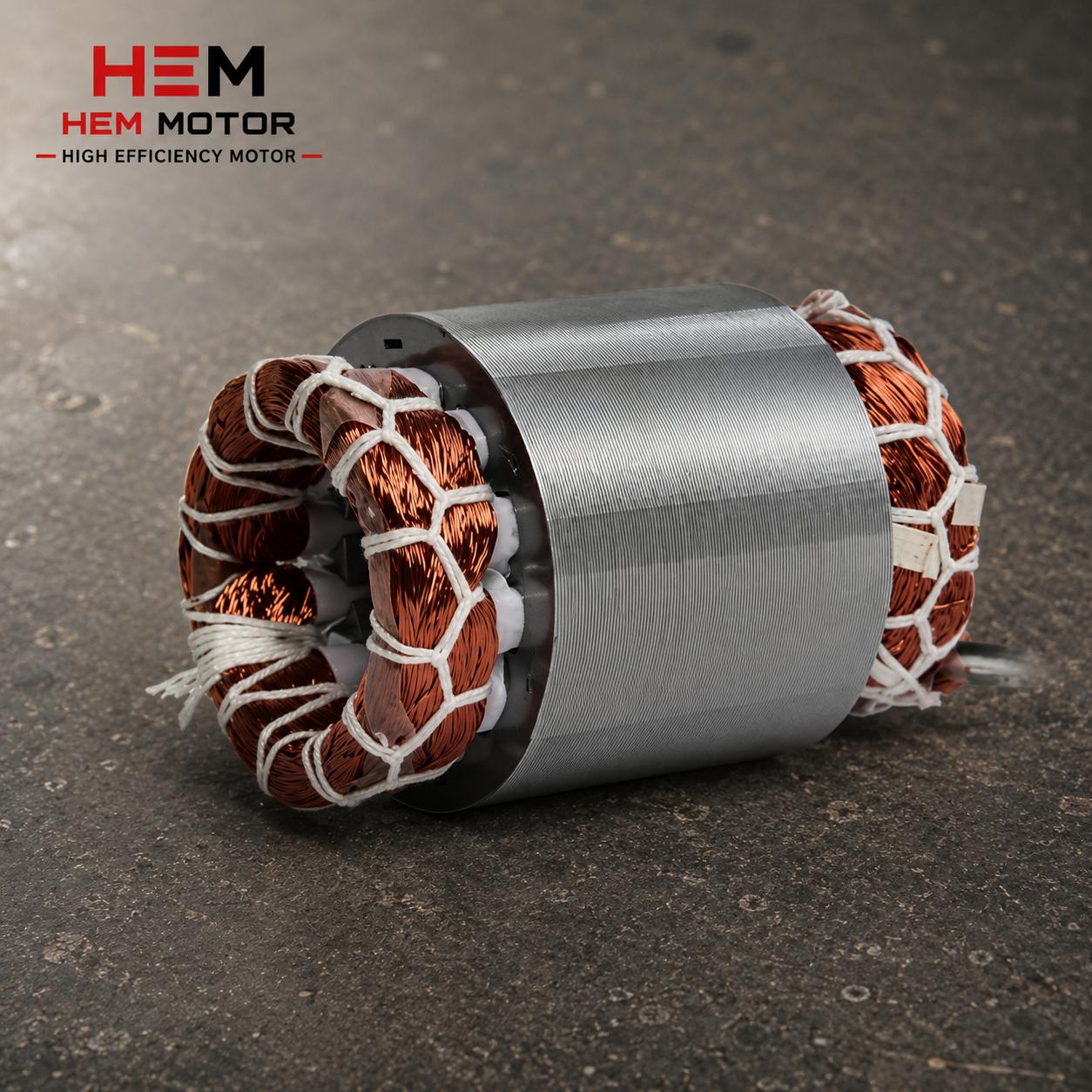
Advantages and Limits of the SynRM Motor Versus the PM Motor
For a fair comparison, both sides must be given. Advantages of the synchronous reluctance motor: it contains no rare-earth magnets, the rotor is thermally very robust (no demagnetization risk), it is simple on the failure and recycling side, and supply and price are predictable. Its limits are these: in the same frame, the power factor may be lower than a PM motor and generally a slightly larger frame may be needed; in addition, a SynRM motor cannot be connected directly to the grid and run on its own, it always requires a suitable drive.
The power factor topic is one that should not be overlooked in purchasing. Because the power factor of a SynRM motor can be slightly lower than a PM motor, the drive and supply cable should be selected to handle this. In return, the absence of demagnetization risk is a major assurance: while a PM motor can permanently lose magnet strength under excessive temperature or incorrect drive settings, in a SynRM rotor there is no magnet to lose. This is a valuable feature for long life, especially in hot and harsh environments.
Our article examining the PM and SynRM distinction in depth from a purchasing perspective, the difference between the IE5 synchronous reluctance and permanent magnet (PM) motor, clearly explains which stands out in which application. Whether the efficiency difference justifies the investment is shown with a numerical framework in our IE5 vs IE4 efficiency difference and payback article.
In Which Application Does IE5 SynRM Make Sense?
Continuously running pump, fan and compressor applications with high annual operating hours are the best candidates for IE5 SynRM, because the efficiency advantage reflects directly on the electricity bill. The transition is even easier in systems already driven by a VFD, because the drive requirement is met from the start. In our IE5 ultra premium motor transition guide we explain step by step in which application switching makes sense. If you are considering moving from your existing IE4 motors to IE5, verifying mechanical compatibility in advance speeds the process.
By contrast, in very short-duty drives or ones that rarely run during the day, the payback of an IE5 SynRM investment slows; in such applications a standard three-phase motor of IE3 or IE4 class is usually a more balanced choice. To make the right decision, you must first clarify annual operating hours, the load profile and the share of electricity consumption. As HEM Motor, at the quote stage we evaluate these data together with you and, rather than steering you toward an unnecessarily large investment, recommend the efficiency class best suited to your application.
Why Does the SynRM Motor Not Run Without a Drive?
Because the synchronous reluctance motor rotor has neither cage nor magnet, the motor cannot start by itself and cannot synchronize on a fixed-frequency grid. For this reason it must always be driven by a frequency drive (VFD) with a motor-specific control algorithm. The drive continuously tracks the magnetic axis of the rotor, creates the correct current angle and keeps the motor synchronous. In other words, buying an IE5 SynRM actually means buying a motor + drive package.
We detailed this package logic and its cost impact in our why the IE5 synchronous reluctance motor does not run without a drive article. To check drive and installation compatibility in advance on the commissioning side, you can use our drive and installation compatibility checklist for the transition to an IE5 motor. If you are curious about the general asynchronous motor logic in driven systems, our frequency drive (VFD) with asynchronous motor article provides the foundation.
The drive requirement may look like a disadvantage; however, in most modern facilities pumps, fans and compressors are already driven by a frequency drive, because variable flow and pressure control is provided that way. In that case, switching to a SynRM motor brings no extra drive cost; the existing drive infrastructure is evaluated and motor + drive compatibility is verified. In a system you are newly building, supplying the motor and drive together as a compatible package both eases commissioning and provides the advantage of a single point of contact for warranty and service.
Pre-Order Check: Frame, Connection and Drive Compatibility
If you are fitting an IE5 SynRM motor into an existing system, verify three points. First, frame and mounting: determine which of B3 footed, B5 or B14 flanged, B35 combined options suits your machine. Our electric motor mounting types page gives the mounting codes in detail. Second, shaft diameter and key: pre-match shaft dimensions for coupling or pulley compatibility. Third, drive compatibility: clarify the required drive type and control mode at the time of purchase.
For a correct order, conveying the rated values on the motor nameplate in full is critical. Our information to provide when requesting a quote article lists which data is needed. As HEM Motor, we offer both standard IE3 motors and IE4 and IE5 level efficient solutions with stock and lead-time advantages. The motors in our range, with IP55 protection and class F insulation and cast iron body options, are suited to heavy industrial conditions.
Finally, when replacing an existing motor with a SynRM, not only power and speed but also mechanical details such as mounting type, shaft diameter, terminal box orientation and cable entry side must match exactly. Doing this matching before ordering prevents compatibility problems and delays on site. Wherever you have doubts, it is enough to share a photo of your existing motor nameplate and the connection dimensions with us; we will determine the appropriate IE5 synchronous reluctance solution and its drive together.
Frequently Asked Questions
Why does the IE5 synchronous reluctance motor contain no magnets, and is this a disadvantage?
The synchronous reluctance motor runs synchronously through the flux barrier geometry in the rotor; its performance comes from rotor shape, not from a magnet. This is not a disadvantage but an advantage in terms of supply and cost: you are not affected by rare-earth price volatility or supply bottlenecks. The only condition is that the motor be driven by a suitable drive; its mechanical side is very similar to a standard three-phase motor.
Can I connect the IE5 SynRM motor directly to a 380/400V grid?
No. The SynRM motor cannot start by itself and cannot synchronize on a fixed-frequency grid; a frequency drive with a motor-specific control mode is always required. When purchasing, we recommend evaluating the motor and a suitable drive as a package; we clarify compatibility before ordering and speed up the commissioning process.
How does choosing an IE5 SynRM instead of a PM motor affect cost?
Because in a SynRM motor the rotor cost is based on the lamination pack rather than on expensive magnets, the price is more predictable and eases long-term budget planning. Since efficiency remains very high, energy savings also continue; with the right power and application choice, the total cost of ownership is advantageous. For a clear comparison, share your usage profile and we will prepare a tailored quote.
Get a Quote
Thanks to its magnet-free rotor, the IE5 synchronous reluctance motor is a strong option for buyers seeking supply stability and price predictability. Let us determine the right power, speed and drive combination for your application together; let HEM Motor offer you its stock and lead-time advantage with its manufacturer and supplier identity. For a fast and accurate quote, call us now: +90 (532) 345 49 86 or reach us through our contact page.