English
 Türkçe

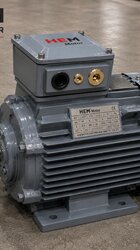
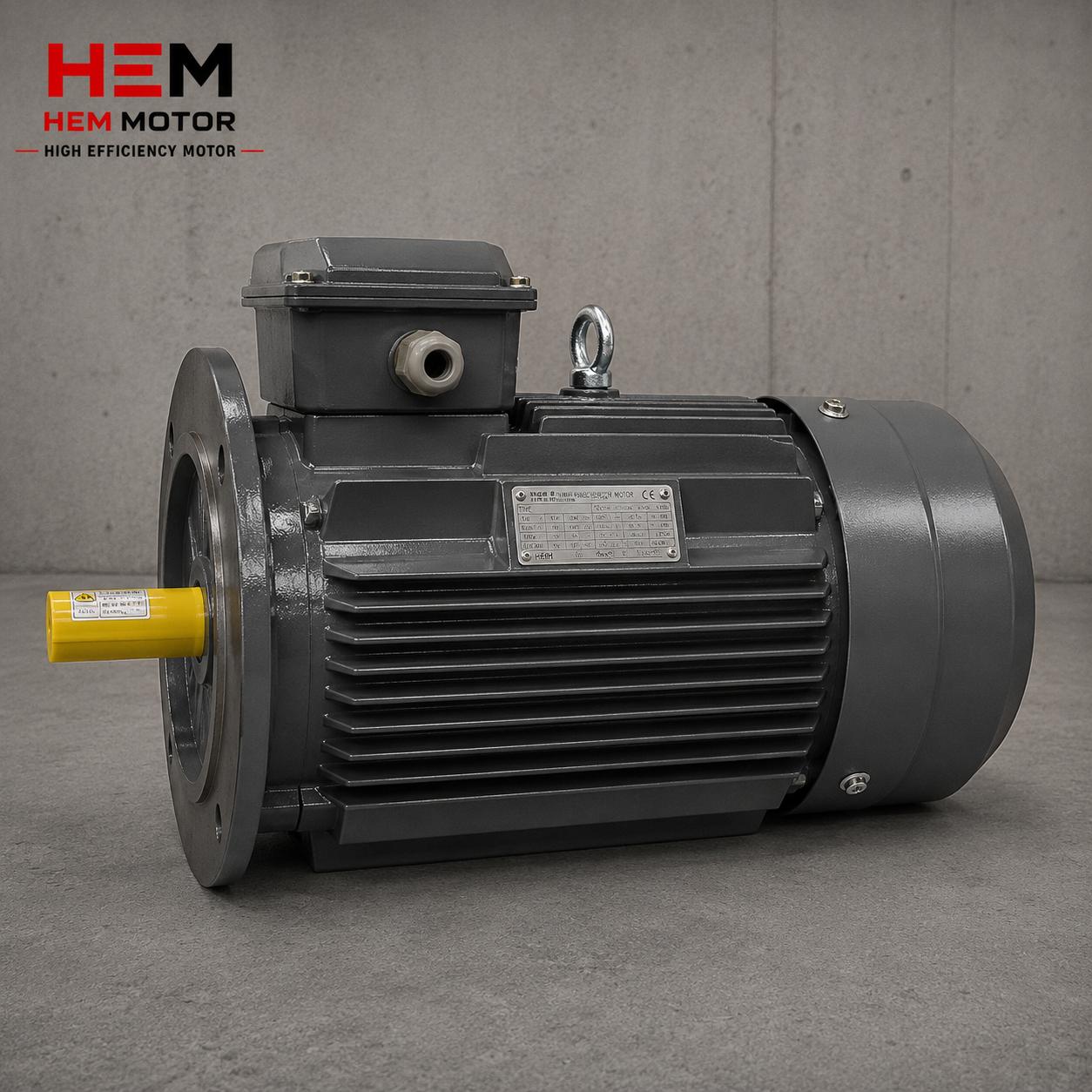

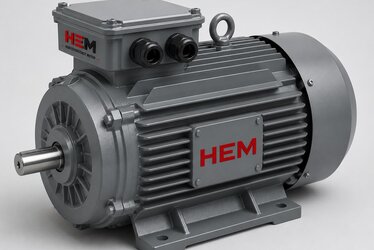
Raising the efficiency class of an electric motor is always an investment decision; but the payback period of this decision changes dramatically with the motor's power and annual operating hours. At high powers of 132 kW and above, the energy saving from moving to the IE5 ultra-premium class turns into a much faster payback than at small powers. Because when a high-power motor runs thousands of hours a year, even a few tenths of a point difference in efficiency class corresponds to a meaningful energy saving by year-end. In this guide we examine investment and payback for IE5 motors above 132 kW under the headings of the savings threshold at high power, payback (ROI) at high operating hours, the meaning of the IE5 vs IE4 difference at high power, and drive and system integrity, explaining which parameters to look at so you can make this decision correctly.
The Savings Threshold at High Power: Why Above 132 kW?
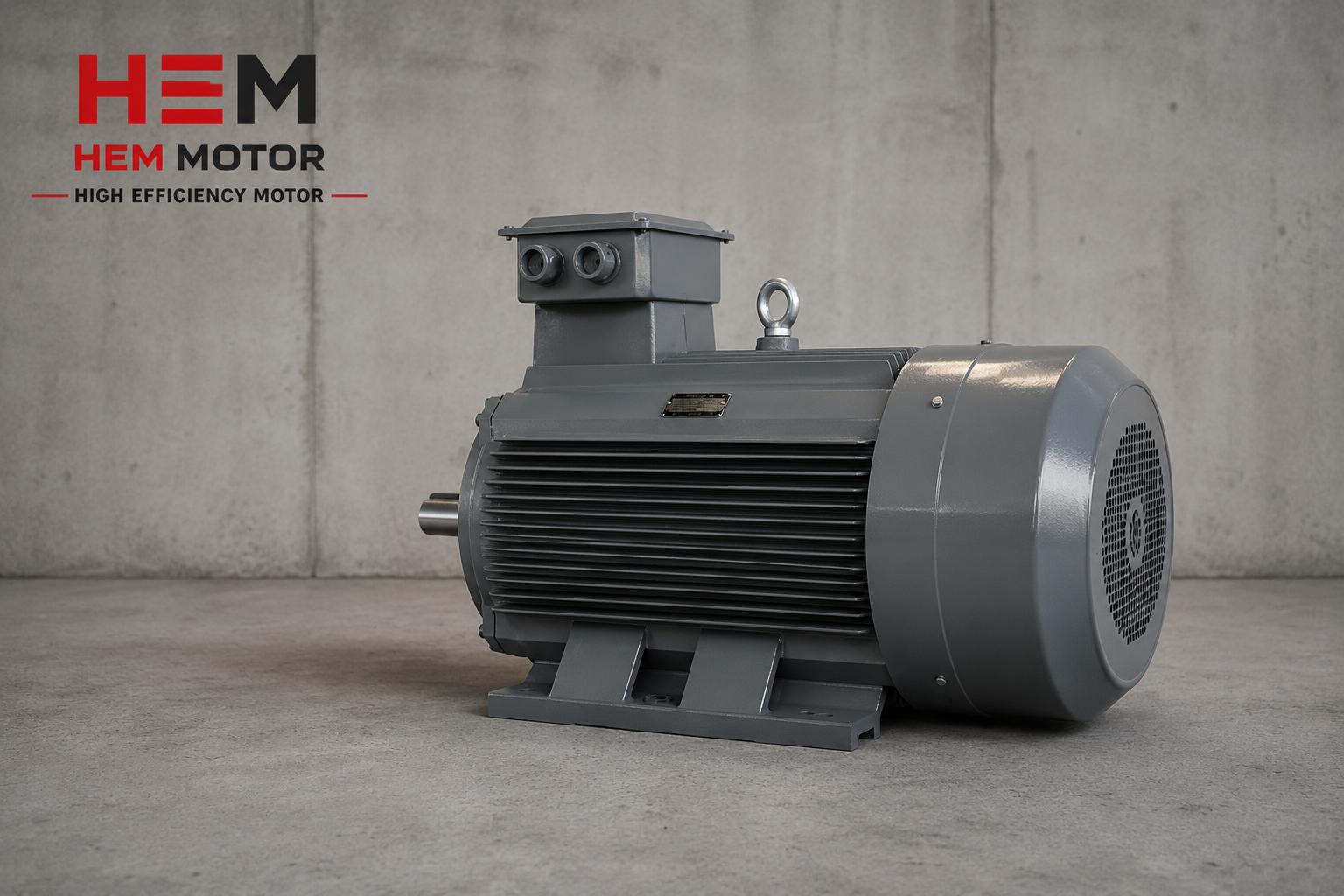
As the efficiency class rises, the motor's annual energy consumption decreases; but the monetary value of this decrease is directly proportional to the total energy the motor draws. While a one percent efficiency increase corresponds to a small amount in a small motor, in a motor of 132 kW and above the same ratio means a much larger energy and cost saving. For this reason, high powers are the range where raising the efficiency class pays back fastest; the savings threshold becomes clear in favour of IE5 as the power grows. To make this concrete, consider a simple example: if one of two motors running under the same load is one percent more efficient than the other, the loss difference between them is proportional to the motor's power. While this difference is very small in a 5.5 kW motor, in a 132 kW or 160 kW motor the same percentage means many times more lost energy. Moreover, high-power motors are generally found on the plant's main drives, that is, at the longest- and most intensely running points; this means that both high power and high operating hours come together to maximise the saving. This combination explains why an IE5 investment is so sensible at high powers.
Annual Energy Consumption and Efficiency Difference
A motor's annual energy consumption is determined by its power, load ratio and operating hours. When a motor above 132 kW runs thousands of hours a year in a continuously operating plant, the saving from a high efficiency class accumulates steadily over the year. You can find the role of efficiency class in the investment decision and how to measure annual savings in measuring and documenting annual energy savings in high-efficiency motors, and the difference between nameplate and field efficiency in nameplate versus field efficiency.
Total Cost of Ownership (TCO)
In a high-power motor, the purchase price makes up only a small part of the total cost of ownership; the real cost is the energy the motor consumes over its life. For this reason, the extra purchase cost of a high-efficiency motor such as IE5 quickly melts away within the lifetime energy cost. You can find in detail how the TCO calculation is made in total cost of ownership (TCO) in high-efficiency motors.
Payback (ROI) at High Operating Hours
The strongest variable determining the payback period of an IE5 investment is the motor's annual operating hours. The payback periods of a motor running a single shift a day and one running three shifts without interruption are very different from each other. Motors above 132 kW are generally used in continuously producing plants, in high-operating-hour applications such as pumps, fans, compressors or main drives, which is the scenario where the IE5 investment pays back fastest. To make the payback analysis correctly, the motor's annual operating hours, average load ratio and unit energy cost must be determined realistically. When these three variables come together, it can be clearly calculated in how many months or years the extra investment of the IE5 motor pays back. In a continuously running plant, this period is often seen to fall below a few years, and shortens even further in high-operating-hour applications; this makes the IE5 investment not just an energy efficiency choice but a direct cost-reduction decision.
As Operating Hours Rise, Payback Shortens
The higher the annual operating hours, the greater the annual saving from the efficient motor and the faster the extra investment pays back. In a continuously running high-power motor, the payback period of the IE5 investment is often much shorter than expected. You can find whether the efficiency difference between IE5 and IE4 justifies the investment in IE5 or IE4? Does the efficiency difference justify the investment?, and the price-savings balance of an IE5 motor in Is buying an IE5 motor expensive?.
The IE5 vs IE4 Difference at High Power
The IE5 ultra-premium class has lower losses than the IE4 super-premium class; while this difference corresponds to a limited saving at small powers, it becomes clear at high powers. In a motor above 132 kW, the efficiency difference between IE5 and IE4, multiplied by high operating hours, turns into a meaningful amount by year-end. In addition, because IE5 synchronous reluctance motors retain their efficiency largely even at part load, they provide an extra advantage in high-power applications running under variable load. Many high-power applications run not at constant full load but at a load that varies with process demand; for example, a fan or pump turns at different flows throughout the day. In such variable-load applications, a motor with high part-load efficiency saves more than the nameplate efficiency would suggest. Therefore, when comparing IE5 with IE4, one must look not only at full-load efficiency but at the motor's real operating profile and the average efficiency in that profile; at high power, this difference directly affects the payback calculation.
IE5 Synchronous Reluctance Technology
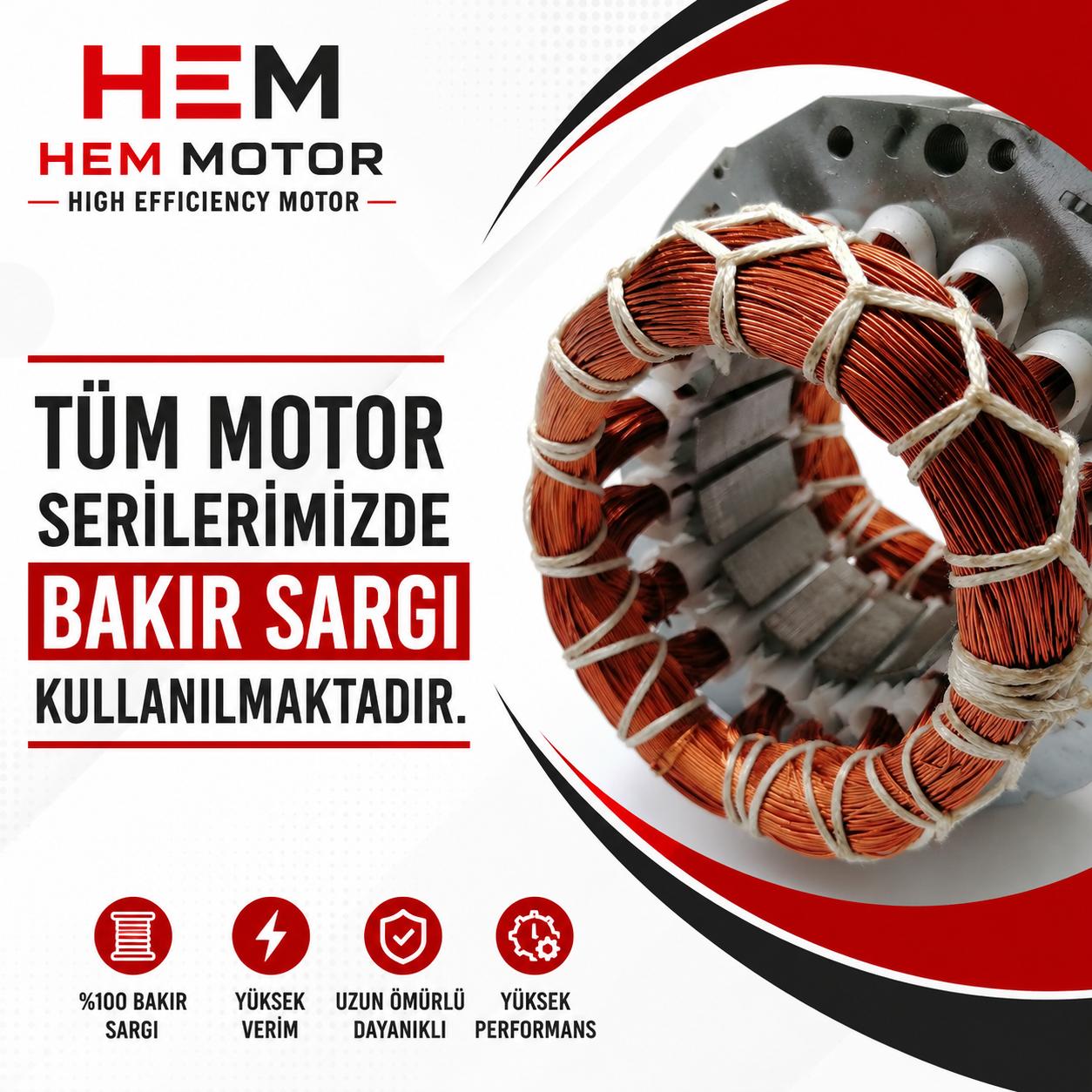
The IE5 efficiency class is mostly achieved with synchronous reluctance motor technology. Because these motors carry no magnet or copper winding on their rotor, rotor losses are low, which means high efficiency and low heating. You can find why the efficiency curve of the synchronous reluctance motor is superior at part load in the efficiency curve of the IE5 synchronous reluctance motor: why is it superior at part load?, and the difference between IE5 and permanent magnet motors in IE5 synchronous reluctance and permanent magnet (PM) motor difference.
Drive and System Integrity: IE5 Does Not Run Without a Drive
The vast majority of IE5 synchronous reluctance motors run not by connecting directly to the grid but together with a variable-frequency drive (VFD). For this reason, when evaluating an IE5 investment, the cost and efficiency of the package made up of the motor and drive, not the motor alone, must be considered together. Because the drive also has its own efficiency, the real saving is calculated according to the system efficiency that the motor and drive create together. That said, the drive is not only a cost item but also an extra source of saving; especially in variable-load applications such as pumps and fans, the drive eliminates unnecessary energy consumption by adjusting the motor speed to process demand. For this reason, in an IE5 package above 132 kW, the system saving the drive brings often more than covers the cost of the drive itself. When making the investment decision, evaluating the motor, drive, cable and protection equipment as a whole is the only way to see the real payback period correctly. You can find why an IE5 motor does not run without a drive and the cost of the package selection in why does an IE5 synchronous reluctance motor not run without a drive?.
Commissioning and Installation Compatibility
When integrating a high-power IE5 motor and its drive into the plant, the cable, protection and commissioning steps must be planned correctly. You can find drive and installation compatibility and the commissioning checklist in drive and installation compatibility when moving to an IE5 motor. For the extra saving that drive operation brings in variable-load applications such as pumps and fans, you can review savings in pumps and fans with a high-efficiency motor and variable-frequency drive.
High-Power Supply and the Right Investment Decision
The supply of motors above 132 kW requires more planning than small powers; configuring the delivery, shipping and commissioning processes in advance is important. You can find the supply and commissioning planning of high-power motors in high-power motor supply above 90 kW, and pole and speed selection at high power in 160 and 200 kW high-power motor selection. When planning the IE5 investment at fleet scale, starting from the longest-running and highest-power motors provides the fastest saving; you can review this approach in scalable savings when moving to a high-efficiency motor. For efficiency class options, you can use the high-efficiency electric motors and IE4 electric motors categories in our product range.
Frequently Asked Questions
Why does an IE5 investment pay back faster at high powers?
The saving from the efficiency class is directly proportional to the total energy the motor draws. Because a motor above 132 kW consumes much more energy than a small motor, the same efficiency increase means a much larger monetary saving. Because these motors generally run continuously with high operating hours, the payback period of the IE5 investment clearly shortens at high powers.
Should I choose IE5 or IE4 in an application above 132 kW?
In high-operating-hour, continuously running high-power applications, IE5 provides extra saving with its lower losses than IE4 and its superior efficiency at part load. However, because IE5 generally runs with a variable-frequency drive, the decision must be evaluated on the total efficiency and cost of the package made up of the motor and drive. In low-operating-hour applications, IE4 may be sufficient.
Does an IE5 motor run without a drive?
The vast majority of IE5 synchronous reluctance motors run not by connecting directly to the grid but together with a variable-frequency drive. For this reason, when evaluating the investment, the motor and drive must be considered together and the real saving calculated on system efficiency. The drive also provides extra advantages such as soft start and speed adjustment.
Get a Quote
To plan the IE5 motor and drive package for your high-power application above 132 kW together with the right payback analysis, get in touch with us. Share the application's power, annual operating hours, load profile and existing motor information, and we will prepare a fast quote with the right solution in terms of savings and payback. Call us on +90 (532) 345 49 86 or reach us via our contact page.