English
 Türkçe

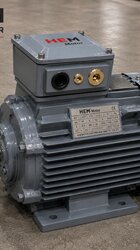
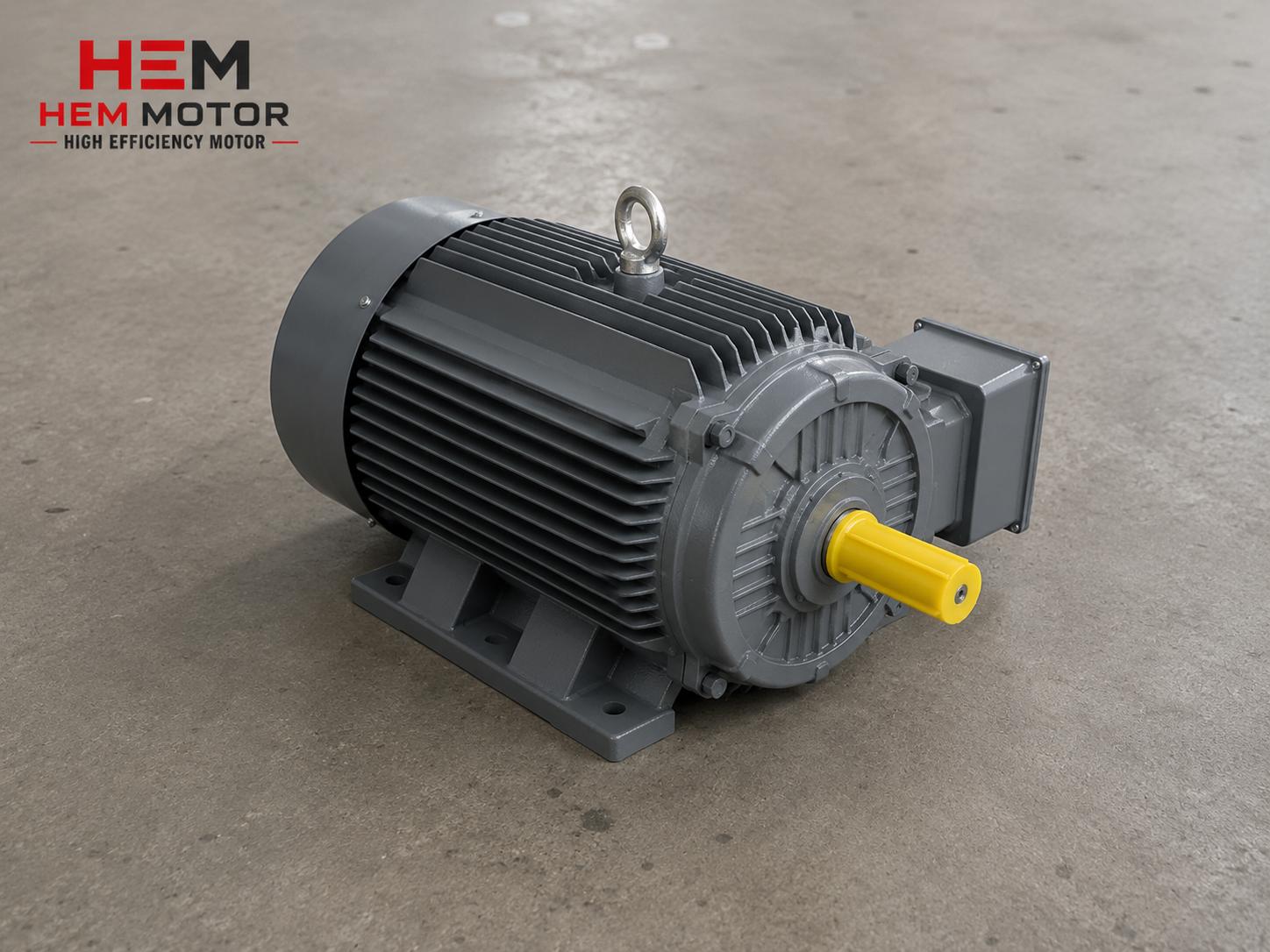

The short answer to "is an IE5 motor expensive?" is this: the initial purchase price of an IE5 motor is higher than an IE4 or IE3 motor, but in the right application this difference returns through operating savings. So the IE5 decision is not a price question but a question of balance between price and savings. This guide explains, from a buyer's point of view, what raises the initial cost of an IE5 ultra premium (synchronous reluctance) motor, how operating savings cover it, the operating-hour threshold that determines the decision, and when IE5 is truly worth it. The aim is not to steer you toward one class but to help you choose the efficiency class most suited to your application for the right reasons. Instead of giving a fixed price, we list the right questions to clarify your decision and direct you to a quote for the current price.
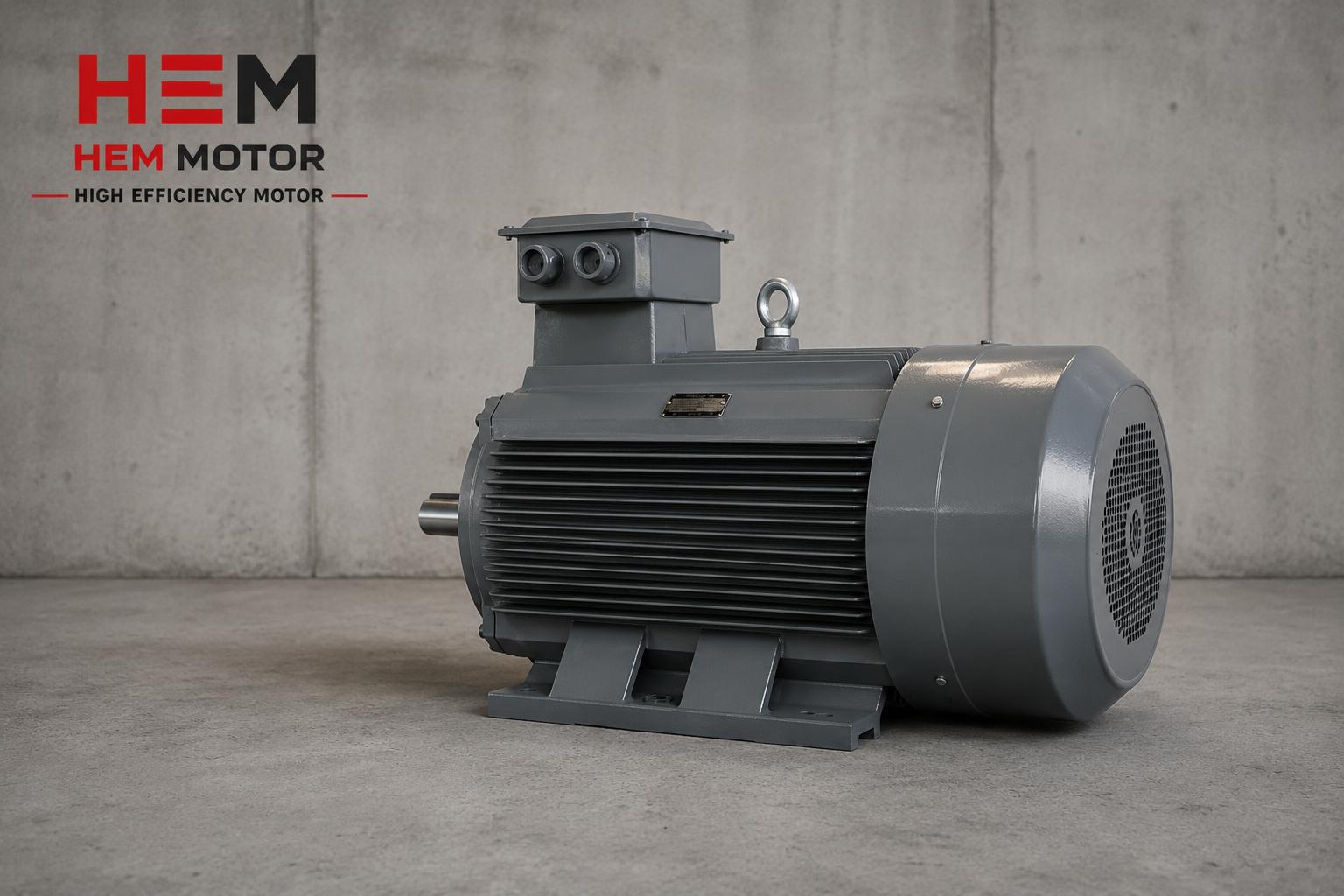
What Raises the Initial Cost? The Cost Logic of IE5
IE5 ultra premium motors are usually produced with synchronous reluctance technology and almost always work together with a variable frequency drive (drive). The main factors that raise the initial cost are:
- More advanced rotor and winding design: Lower losses at the same power require more precise manufacturing.
- Drive requirement: An IE5 synchronous reluctance motor does not run without a drive; therefore the cost must be evaluated as a motor + drive package. We covered this in detail in our article on why an IE5 synchronous reluctance motor cannot run without a drive: package selection and cost.
- Lower production volume: Because IE5 is newer and less common than IE3/IE4, its unit cost is higher.
So when evaluating IE5, you need to look not only at the motor price but at the total cost of the motor + drive package. By contrast, the magnet-free rotor of IE5 provides a supply and cost advantage over permanent magnet (PM) motors; we compared this difference in our article on the difference between IE5 synchronous reluctance and permanent magnet (PM) motors.
Operating Savings: How Does the High Cost Return?
The cost of the energy an electric motor consumes over its lifetime far exceeds its purchase price. IE5 runs with lower losses than IE4; this means some energy savings every operating hour. The size of the savings depends on three variables:
- Motor power (kW): As power increases, the absolute savings grow.
- Annual operating hours: The more the motor runs, the faster the savings accumulate.
- Electricity unit price: As the tariff rises, the same kWh saving becomes more valuable.
If you want to see numerically whether the efficiency difference between IE5 and IE4 justifies the investment, our article on IE5 or IE4? does the efficiency difference justify the investment? offers a clear framework. We explained why IE5 is superior at part load in our article on the efficiency curve of the IE5 synchronous reluctance motor: why is it superior at part load?
The Operating-Hour Threshold: When Is IE5 Worth It?
If there is a single factor that makes IE5 worthwhile, it is operating hours. If the same motor runs 2 hours a day, the savings spread over years and the initial cost difference does not return for a long time; if the same motor runs 24/7, the savings accumulate quickly and the difference is covered in a much shorter time. As a general buyer rule:
- High operating-hour, continuous load (S1) applications: Continuously running pumps, fans, compressors and process motors are where IE5 gains the most value.
- Low operating-hour, occasionally running applications: Here the cost difference of IE5 returns over a long period; IE4 or IE3 is often a more balanced choice.
- Applications running at part load and variable speed: The IE5 + drive combination provides both efficiency and control advantages here.
If you want to see in depth in which application switching to IE5 makes sense, our article on IE5 ultra premium electric motors: in which application does switching to IE5 make sense? is a key resource. If you are making a general investment decision between efficiency classes, our article on IE3 or IE4? the right electric motor investment for your business guides you with an amortization calculation.
Buyer Decision: How Do You Strike the Price-Savings Balance?
To clarify the decision of whether to buy IE5, follow these steps: first determine the motor's power and annual operating hours; then estimate the annual energy savings between IE5 and a lower class (IE4); then compare the cost difference of the motor + drive package against these savings to see the payback period. If the payback period is within a reasonable range and the motor will run for many years, IE5 becomes worthwhile. To calculate the total cost of ownership (TCO) correctly, our article on how to calculate total cost of ownership (TCO) for high-efficiency motors is a complementary tool.
Instead of giving a fixed price, we always direct you to a current quote so you can base your decision on the right reasoning; because the real price varies by power, package content and quantity. You can review our IE5 and high-efficiency motor product family on the high-efficiency electric motors, IE4 electric motor and IE3 electric motor pages, reach all our IE5 content via our IE5 electric motors category, and the whole product range via the HEM Motor homepage.
Frequently Asked Questions
Is an IE5 motor really much more expensive than IE4?
The initial purchase price of an IE5 motor is higher than IE4, and because it usually needs to be evaluated together with a drive, the package cost increases. However, in the right application (high operating hours, continuous load) the extra energy savings IE5 provides pay back this difference over time. So the answer to the "expensive" question depends not on price alone but on operating hours and the savings achieved. For the current price please request a quote; the real cost is set by power and package content.
When should IE5 be preferred over IE4?
IE5 gains the most value in applications running under high operating hours and continuous (S1) load, and at part load and variable speed; because savings accumulate quickly and, together with a drive, it provides both efficiency and control advantages. In low operating-hour, occasionally running applications, IE4 is often a more balanced choice because the cost difference returns over a long period. Describe your application to us and we will determine the right class together.
Can I use an IE5 motor without a drive?
No. IE5 synchronous reluctance motors do not run without a drive; they are commissioned together with a variable frequency drive. This is why, when evaluating IE5 cost, you need to think of the motor and drive as a package. If your application does not require a drive or you want a simple fixed-speed solution, IE4 or IE3 motors running directly from the grid may be more suitable. We can determine which package suits you together.
Get a Quote
Do you want to clarify whether switching to IE5 makes sense for you? Send us the motor's power, annual operating hours and application, and let us evaluate together the cost difference between IE5 and IE4, the estimated savings and the current quote. Call now: +90 (532) 345 49 86 or reach us via our contact page. We carry out the price-savings analysis with you so you choose the right efficiency class.