English
 Türkçe

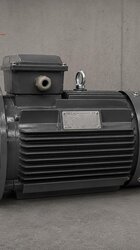
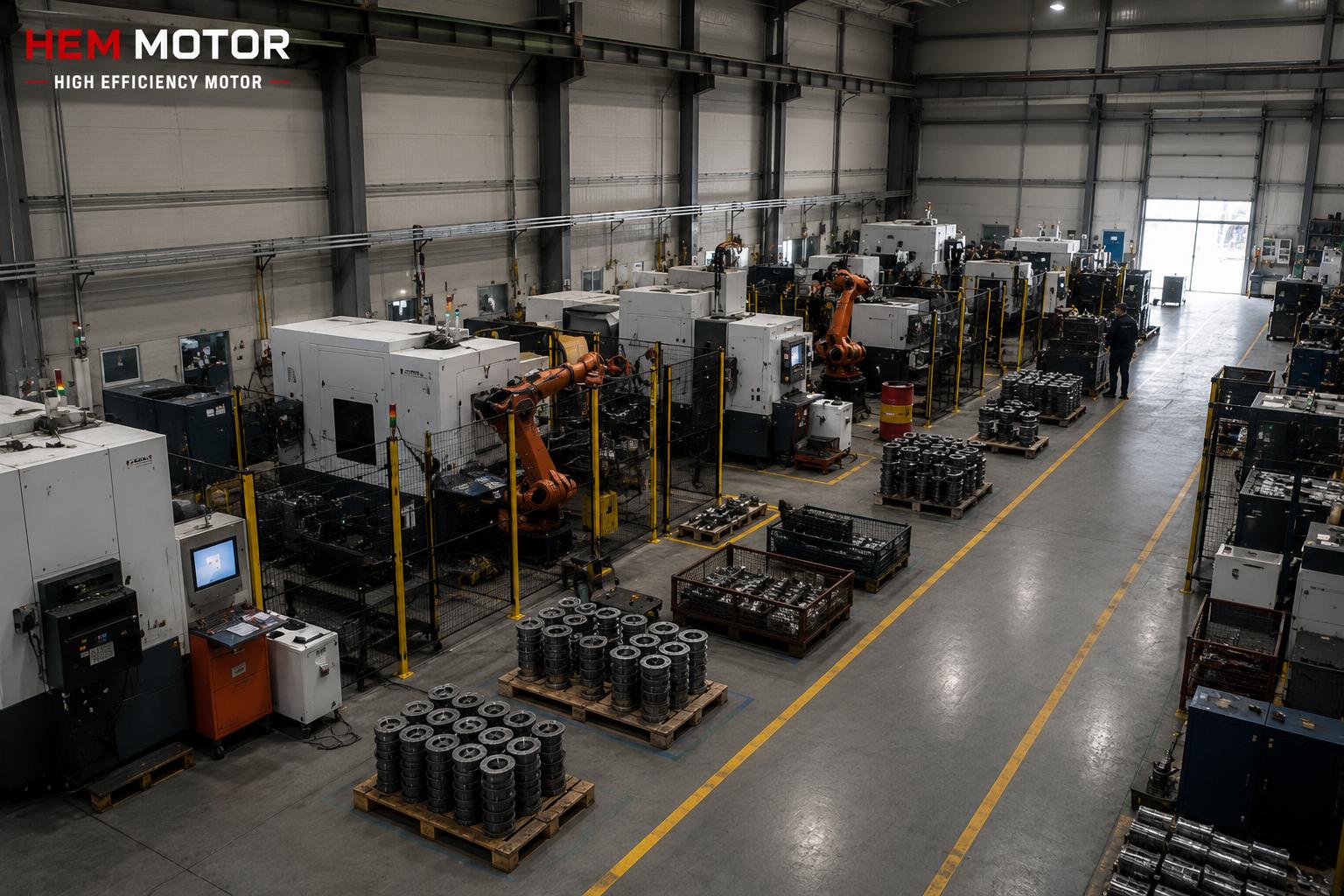

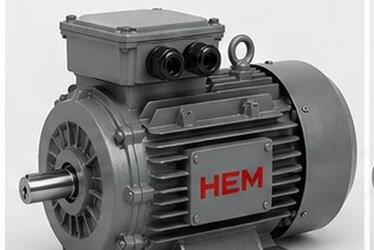
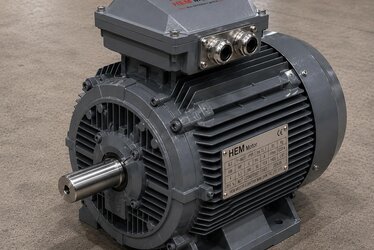
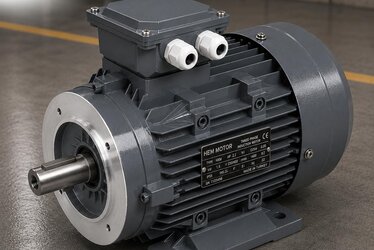
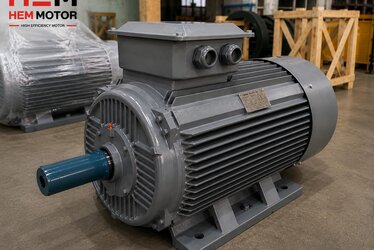
OSB, MDF and chipboard production and wood drying kilns are demanding industrial environments where high temperature, fine dust and continuous operation come together. In these plants the electric motor drives the circulation fan of the drying kiln, feeds the hydraulic press, drives the conveyors carrying chips and fibre, and extracts the dusty air. The load profile, temperature condition and dust level of each application are different; therefore one should work not with a single motor type but with a motor family selected with the right insulation class, IP protection and frame structure. In this article we cover asynchronous motor selection for OSB/MDF and wood drying kiln applications along the axes of fan, press and high-temperature endurance. As HEM Motor, an electric motor factory manufacturing since 1979, we supply cast iron body, F/H insulated motors for wood panel plants from Türkiye stock with fast delivery.
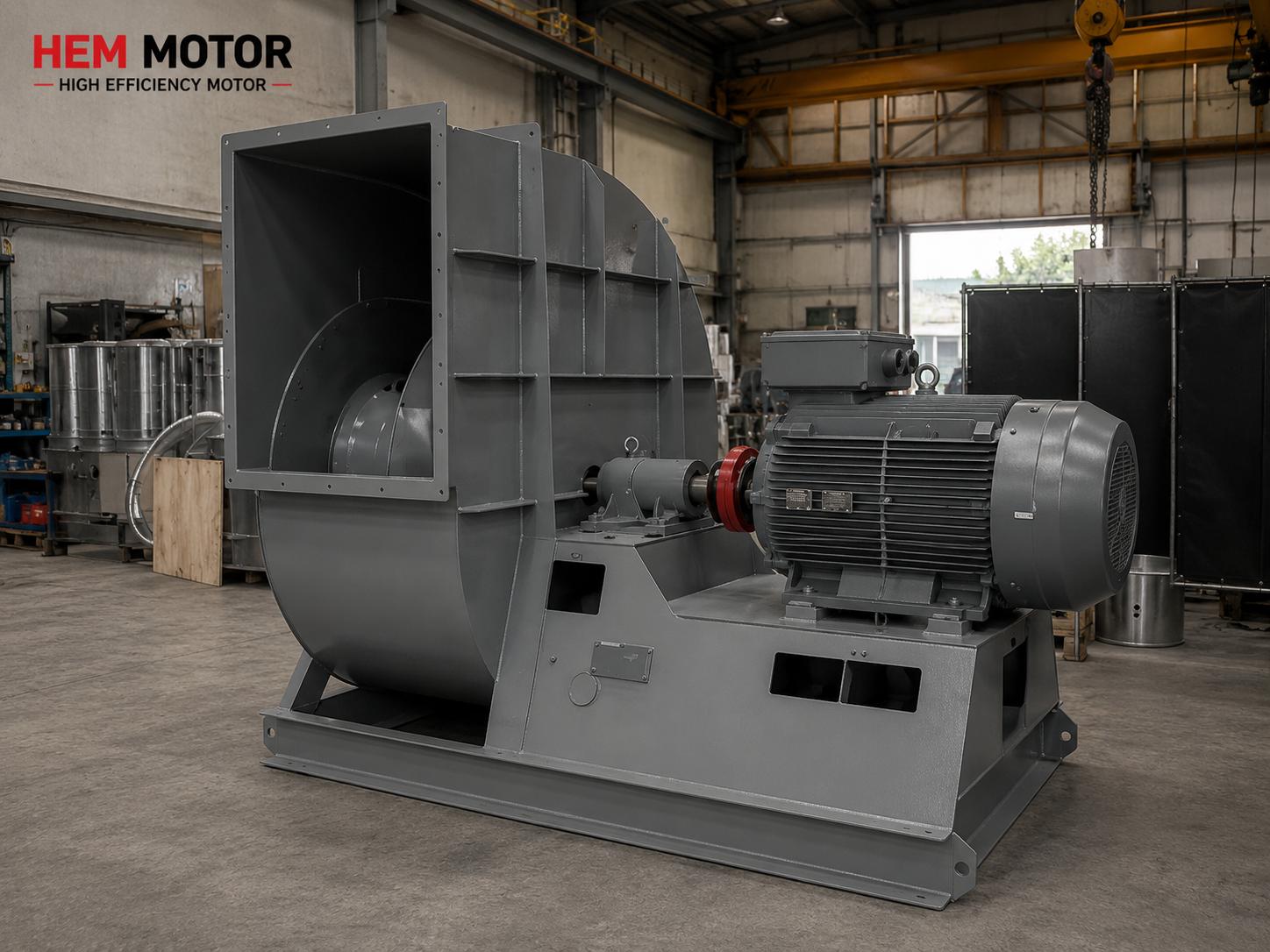
Drying Kiln Circulation Fan: High-Temperature Endurance
In wood drying kilns, hot air is circulated continuously to draw the moisture out of the panel or chips. The motor of the circulation fan that moves this hot air often works inside or right next to the kiln, at a high ambient temperature. A standard motor states its nameplate power for a 40°C ambient temperature; as the ambient temperature rises, the power the motor can deliver decreases (derating). For this reason class F or H insulation and, if needed, a power derating calculation are essential in a drying kiln fan motor.
Class F insulation withstands 155°C and class H insulation 180°C. In kiln fan motors running continuously at high temperature, class H insulation significantly extends the winding life. We explained the effect of high ambient temperature and altitude on motor power, i.e. the derating calculation, in our high altitude and hot environment motor selection article. You can find the practical effect of the insulation class in hot and dusty environments in our motor insulation class in hot and dusty environments article.
The efficiency of the fan motor is also important in the long term; since the kiln fan runs for most of the year, the IE4 super premium class significantly reduces the energy cost. We covered the effect of the cooling and fan design of IE4 motors on efficiency in our cooling and fan design in IE4 motors article.
Hydraulic Press and Pump Motors
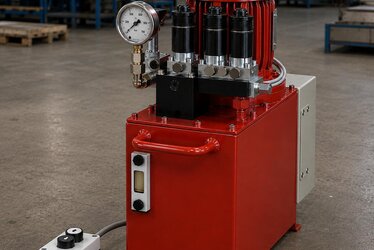
In OSB and MDF production, the chip or fibre layer is pressed under high pressure and temperature. The pump motor that feeds the hydraulic unit of this press works under continuous load and at high pressure. The hydraulic pump motor must be in continuous S1 duty, resistant to heating and free of vibration. In these motors a cast iron body and class F insulation are the standard choice.
The load profile of the press is different from the fan: while the hydraulic pump draws continuous power at constant pressure, the load can change over the press cycle. Our electric motor duty type selection article guides the correct selection of the duty type. To calculate the pump motor power correctly, our motor power calculation: pump, fan and conveyor article is a practical resource. For centrifugal pump applications, you can look at our centrifugal pump motor selection article for selection by flow and head.
Chip and Fibre Handling: Conveyor Motors
In wood panel plants, chips, fibre and sawdust are carried by belt and screw conveyors. These conveyor motors are usually used together with a gearbox and demand high starting torque. A conveyor motor starting under a full belt load requires more starting torque than a motor starting empty. We gathered the selection and emergency replacement details of conveyor belt motors in our conveyor belt motor emergency replacement article.
When the output speed needs to be reduced with a gearbox, the IEC connection dimensions of the motor and the gearbox must match. We explained which motor fits a worm gear and NMRV reducer in our motor matching for worm gear reducer article. Our geared motor or separate motor + reducer article compares whether to buy the geared motor separately or as a monoblock.
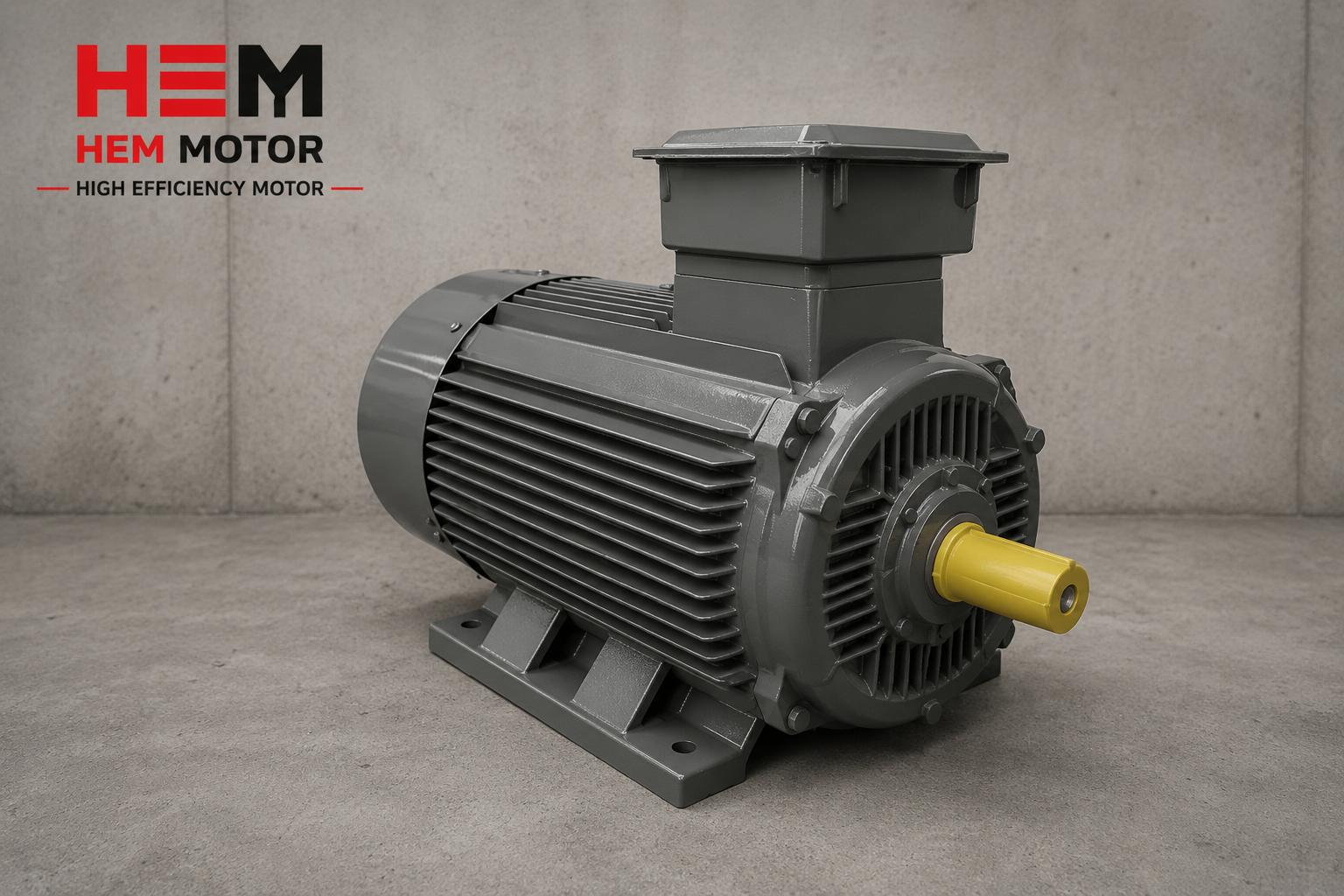
Dusty Environment and IP Protection: IP55/IP65
In wood processing and panel production, the environment is full of fine wood dust. This dust sticks to the cooling fins of the motor, clogs the fan cover and weakens the insulation by entering between the windings. For this reason IP55 protection is standard in wood plants, and IP65 is preferred at points with very dense dust. IP55 provides protection against dust and water jets from all directions; IP65 means full dust-tightness.
Wood dust also requires attention in terms of fire and explosion risk; dust collection and extraction systems are therefore critically important. We covered dust collection and extraction fan motor selection in our extraction and dust collection fan motor selection article. You can find the difference between the IP protection classes and which one is needed in which environment, comparatively, in our electric motor IP protection class selection article. Our cooling fins and dirt build-up in cast iron motors article explains the effect of dirt build-up on the cooling fins on efficiency and its cleaning.
Cast Iron Body and Continuous Operation
Wood panel plants mostly run three shifts, without interruption. This continuity requires the motor to be both thermally and mechanically durable. The cast iron body provides high mechanical strength, better vibration damping and long life. In the HEM range, the cast iron body is offered in a wide power band from 0.55 kW to 355 kW, in IE3 and IE4 efficiency classes, with 100% copper windings. We clarified the difference between cast iron and aluminium body in our cast iron or aluminium body article.
In three-shift plants, the management of the motor fleet and the replacement schedule are also important; we covered this subject in our motor fleet management in three-shift facilities article. For plants that want to determine the efficiency class of the existing motor park and set replacement priorities, our energy efficiency audit and motor inventory article is a complementary resource. You can review the entire cast iron range on our efficient electric motors page.
Starting and Speed Control (VFD)
In high-power fan and press motors, direct online starting strains the grid due to the high starting current. For this reason, soft starting with star-delta, a soft starter or a frequency inverter (VFD) is preferred. We compared the starting methods in our star-delta or soft starter article.
Speed control with a VFD is very useful in the drying kiln fan to adjust the air flow and thus the drying rate; in fan applications, a VFD provides significant energy savings when the speed is reduced, due to the cube law. We covered when a VFD is needed and how it is selected in our frequency inverter (VFD) with asynchronous motor article. Our high-efficiency motor + frequency inverter article explains the savings that a high-efficiency motor and a frequency inverter provide together in pumps and fans with numerical logic.
Supply, Lead Time and Equivalent Replacement
In a wood panel plant, the failure of the fan or press motor means the entire production line stops. That is why the supply side is critically important. Meeting the most sought-after power-speed combinations from manufacturer stock with fast delivery minimizes unplanned downtime. Even if the brand of your existing motor is different, it is possible to prepare an exactly equivalent motor from the nameplate information; you can look at our old brand motor direct replacement article for equivalent selection. Keeping a spare motor in stock in advance for critical machines guarantees uninterrupted operation of the line; details are in our critical spare motor list article.
Our information to provide when requesting a quote article summarizes the details you need to send for a correct and fast quote. The shipping and commissioning plan of high-power press and fan motors must also be made in advance; you can find the delivery checks in our shipping damage check list article and the first start in our motor commissioning checklist article.
Other Motors of the Panel Line: Screen, Glue and Cutting
In OSB and MDF production, besides the fan, press and conveyor, many other motors take part. In chip and fibre sizing there are screens and mills; in glue and resin dosing there are mixers and dosing pumps; and in sizing the panel there are cutting and sanding line motors. Each of these applications demands a different load profile and speed. For example, the sanding line must run quietly and with low vibration at high speed, while the dosing pump must turn continuously at a precise flow. You can find the motor selection logic in similar board and packaging lines in our corrugated cardboard and box factory motors article, and the CNC and dust extraction drives in furniture production in our furniture factory electric motors article.
Managing so many varied motors in a single plant requires the product family to be wide and in stock. Our efficient electric motors range offers a wide selection for general industrial drives and for high-efficiency priorities. To see, item by item, which motor is needed for which machine when setting up a woodworking workshop, our woodworking workshop motor requirement list article is a practical checklist.
Bearing, Maintenance and Long Life
In motors running continuously and turning in a dusty environment, the bearing is the most critical wear point. When fine wood dust leaks in through the shaft seal, the bearing life shortens; for this reason the quality of the oil seal and sealing is important. We explained with which quality marks the bearing and journal life in cast iron motors should be evaluated at purchase in our bearing and journal life in cast iron motors article. Regular greasing and periodic checks greatly reduce unplanned downtime; we gathered the maintenance schedule in our electric motor maintenance and periodic check schedule article. Starting with the right product also makes maintenance easier; therefore selecting an F/H insulated, IP-protected and cast iron body motor from the start on a wood panel line lowers the total cost of ownership in the long term.
OSB/MDF and Drying Kiln Motor Selection Checklist
- Insulation: Class F standard in the kiln fan, class H at high temperature.
- Derating: A derating calculation should be made at high ambient temperature.
- Protection class: IP55 standard in dusty environments, IP65 in dense dust.
- Frame: Cast iron - endurance to continuous operation and vibration.
- Duty type: Continuous S1 duty for fan, press and pump.
- Starting: Soft starter / star-delta at high power.
- Speed control: Energy savings with a VFD in the kiln fan.
- Conveyor: High starting torque and suitable gearbox matching.
- Supply: Manufacturer stock, fast delivery and equivalent replacement.
Frequently Asked Questions
Is F or H insulation needed in a drying kiln fan motor?
It depends on the ambient temperature. In medium-temperature kilns, class F (155°C) insulation may be sufficient; however, if the motor runs in the very hot zone of the kiln or at a high ambient temperature, class H (180°C) insulation significantly extends the winding life. In addition, since the power the motor can deliver decreases at high ambient temperature, a derating calculation should be made and, if necessary, a higher power should be selected.
Which IP protection class is suitable in a wood-dusty environment?
In a general wood processing and panel production environment, IP55 protection is standard; it provides protection against dust and water jets from all directions. At points with very dense fine dust, IP65 (full dust-tightness) is preferred. Since dust build-up blocks cooling, in addition to IP protection, regular cleaning of the cooling fins is also important for motor life.
Does it make sense to use a VFD in the kiln fan motor?
Yes. Speed control with a VFD in the drying kiln fan both allows adjusting the drying rate to the process need and brings significant energy savings. In fan applications, since power consumption decreases with the cube law when the speed drops, a fan motor running at partial flow consumes significantly less energy with a VFD. When used together with a high-efficiency motor, the savings increase even more.
Get a Quote
Would you like to plan the fan, press, pump and conveyor motors of your OSB, MDF and wood drying kiln plant from a single supplier, with the right insulation class and IP protection? Send us the nameplate information of your existing motors or the power-speed values recommended by your machine manufacturer; let us present cast iron body, F/H insulated motors, together with a VFD recommendation if needed, in a single quote. As HEM Motor, we supply IE3/IE4 motors between 0.55 and 355 kW from Türkiye stock with fast shipping. Reach us right away at +90 (532) 345 49 86 or fill out the form on our contact us page; let our technical team plan the most suitable motor selection for your wood panel line together with you.