English
 Türkçe


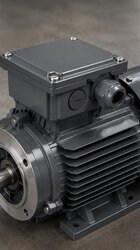
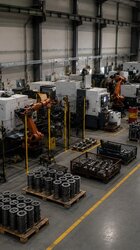
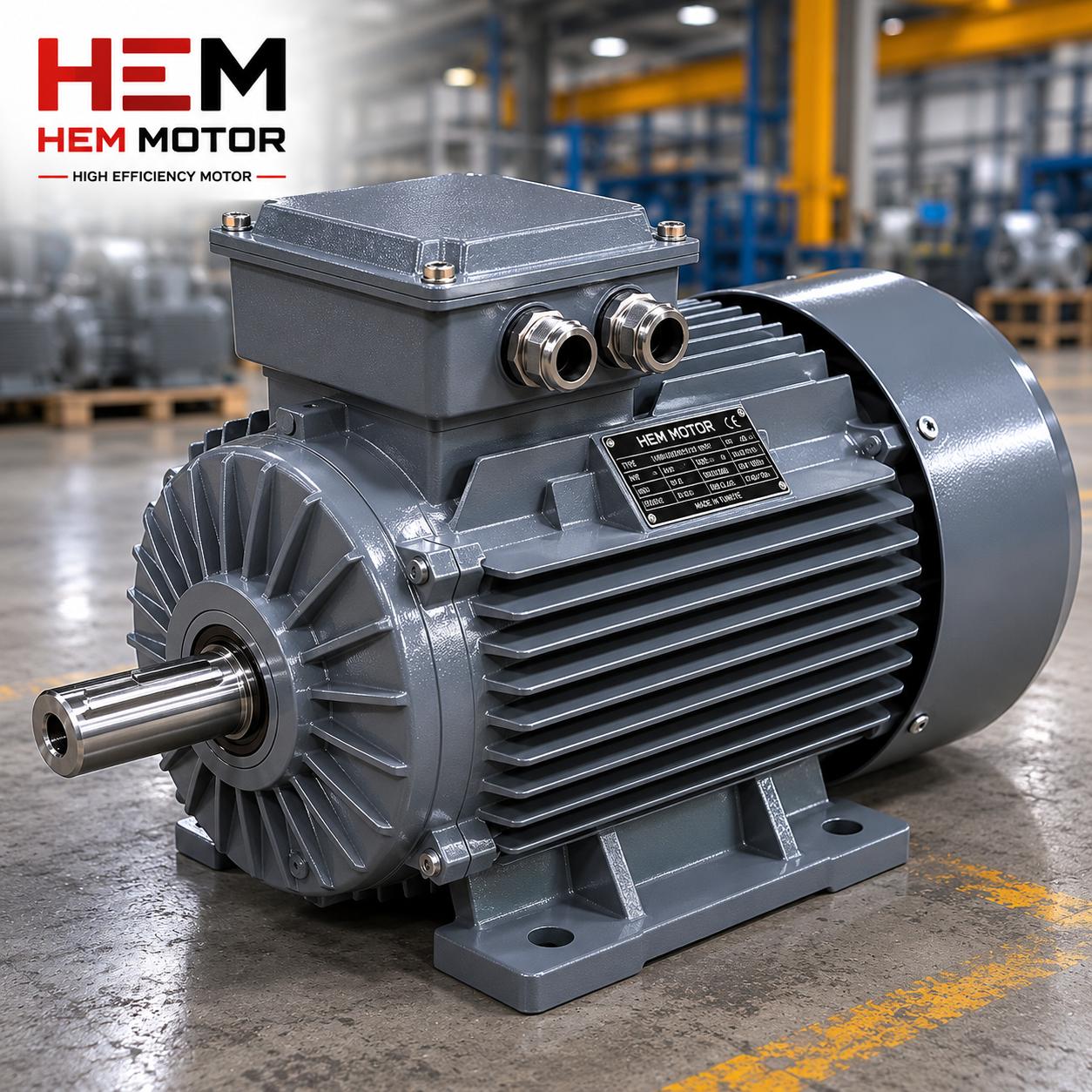

Furniture factories consist of successive machine lines from panel cutting to CNC processing, edge banding to pressing and assembly. Each machine runs on an electric motor suited to its own load profile: the CNC router takes precise cuts at high speed, the edge banding machine needs continuous and balanced feed, the dust aspiration fan collects chips and dust from the whole plant, and presses produce high torque. The common challenge in these plants is fine wood dust; it disrupts motor cooling and carries fire risk, so protection class and aspiration are critical. On a mass-production furniture line, the stoppage of a single motor can lock the entire flow. In this article we cover the critical motor groups of furniture production (CNC router, edge banding, dust aspiration fan and press) in terms of power, speed, drive needs and protection class, and offer a practical supply list.
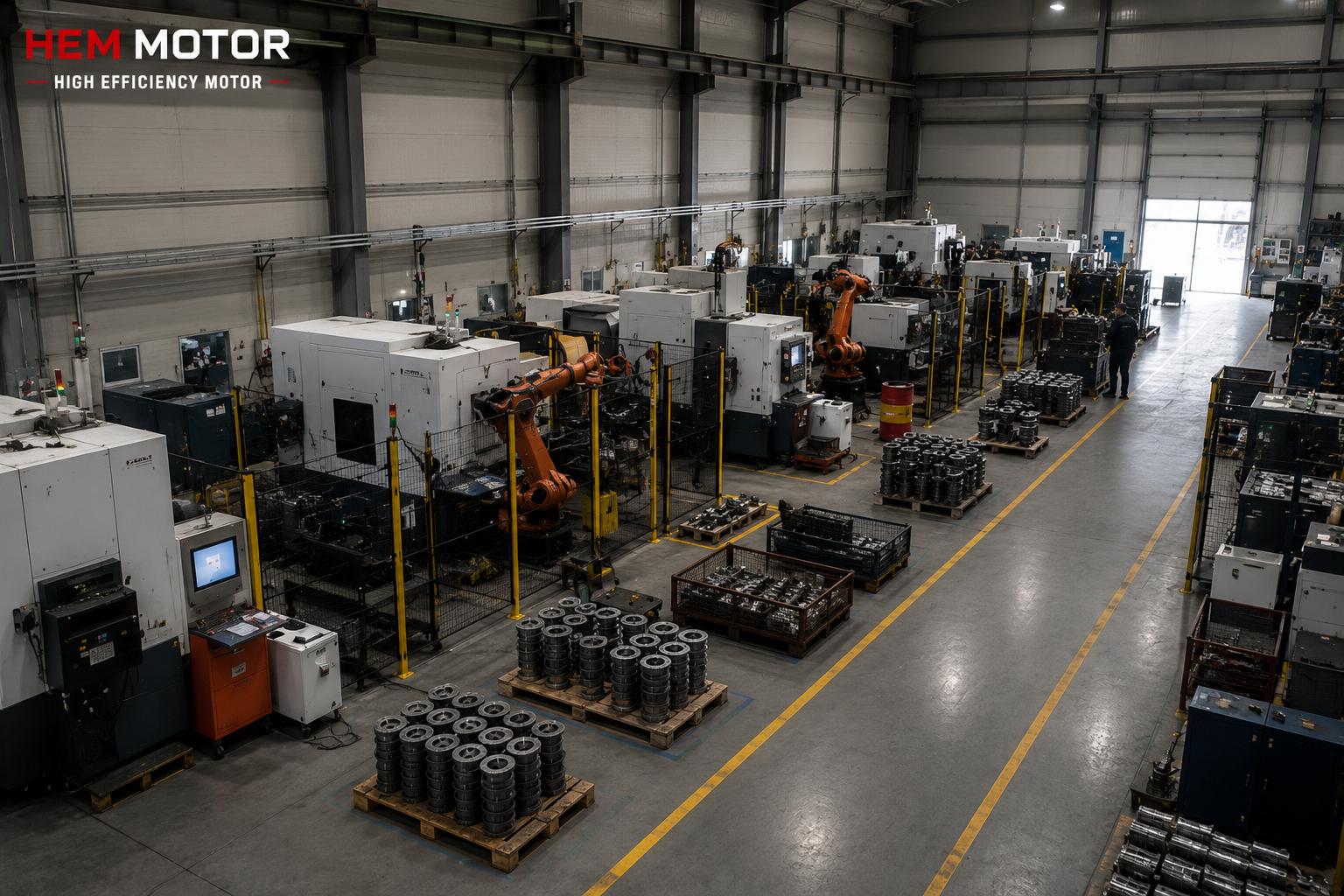
Mapping the Motor Demand in Furniture Production
A typical furniture factory has a sizing saw, CNC router, edge banding machine, boring machine, press, sanding line and central dust collection system. Their drives span a wide range, from small spindle motors to aspiration fans of tens of kW. Since most of the line works with fine wood dust, motor selection is not limited to a power-speed calculation; dust sealing, cooling and surface protection also come into play. For businesses setting up a workshop or expanding capacity, drawing up a machine-by-machine requirement list makes the job easier; we detail this approach in our woodworking workshop motor requirement list article. Keeping the plant's most critical motors in stock reduces downtime in mass production; for this logic see our critical spare motor list article.
CNC Router and Spindle Motors: High Speed and VFD
The CNC router is the most precise machine in furniture production; the spindle turns at very high speeds and cut quality depends directly on speed stability. Here the motor usually works with a frequency drive (VFD) that adjusts speed to the material and tool. Servo and stepper motors may be used on axis drives, but standard asynchronous motors handle auxiliary drives and feed systems. Our frequency drive (VFD) with asynchronous motor article explains when a drive is needed and how to select one. To decide whether variable-speed applications need constant or variable torque, our variable-speed motor selection content is a guide. To proceed with logic similar to CNC and press lines in automotive supply, our press, CNC and robot line motor supply article also offers a comparison.
Edge Banding and Feed Motors
Edge banding machines need a continuous, balanced feed motion while applying tape to the panel edge. Here the feed conveyor, heating unit fan and milling motors work together. Since the feed drive reduces speed to obtain high torque, the motor usually works with a gearbox; worm gear reducers are preferred for correct output speed, or helical worm gear reducers on lines needing higher torque and efficiency. Continuous duty (S1) and energy efficiency matter in these continuously running machines; high-efficiency electric motors lower annual costs. To select the mounting type to suit the machine, review B5, B3 and B35 options on our electric motor mounting types page.
Dust Aspiration Fan Motors
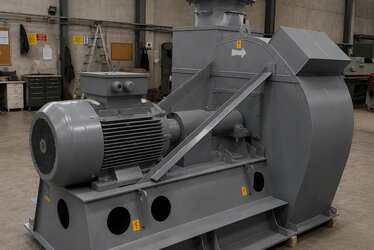
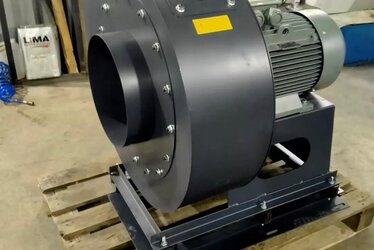
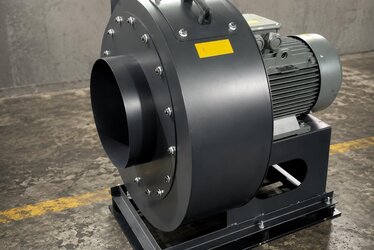
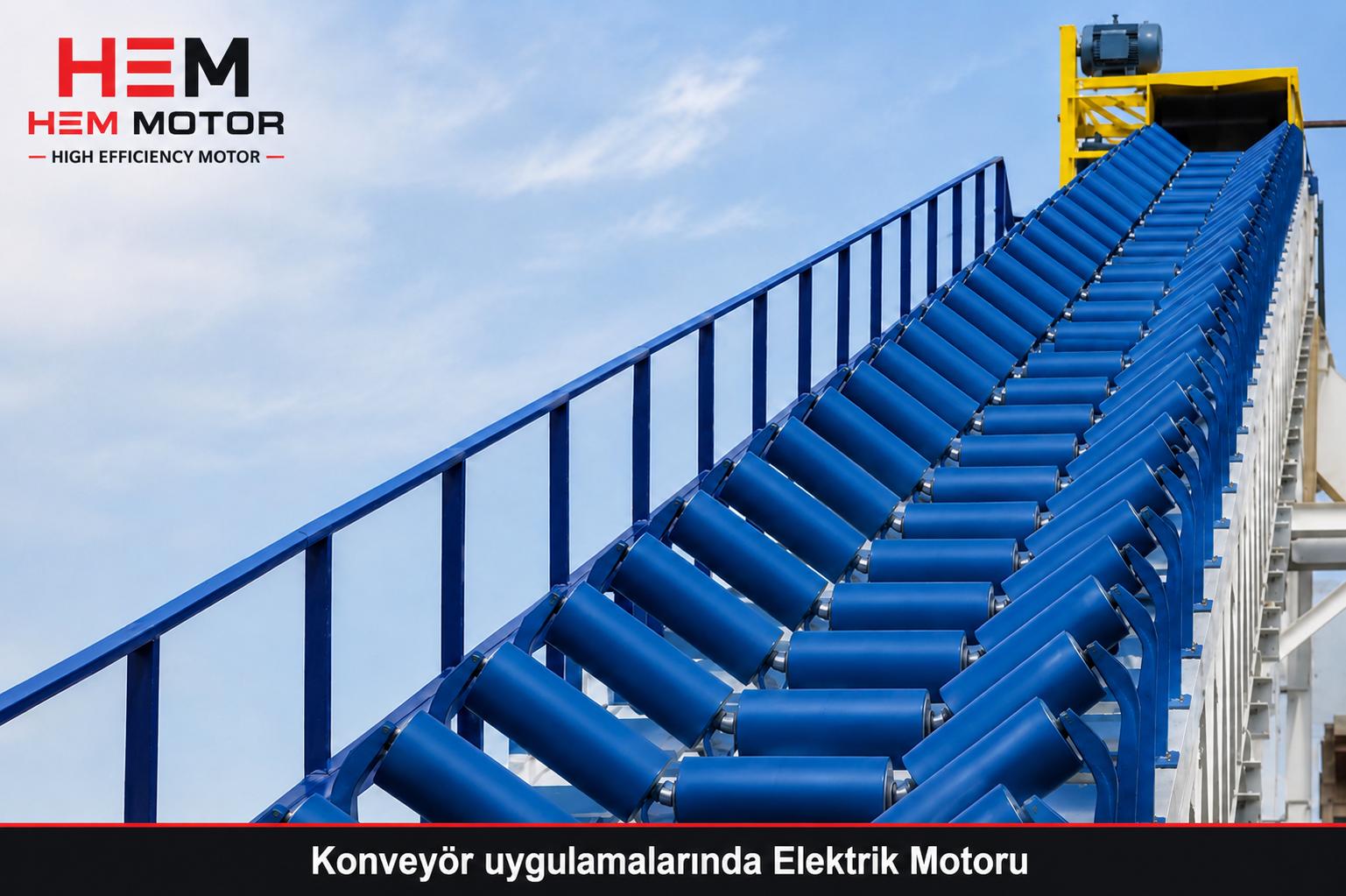
The highest-power motor in a furniture factory is usually the aspiration fan of the central dust collection system. This fan draws chips and fine wood dust from all machines into the filter unit; it is critical for both a clean working environment and fire safety. Aspiration fan motors run continuously, are high power and require a high protection class. Since fine wood dust can disrupt motor cooling, protecting the motor against dust ingress is essential. For sizing the aspiration line and selecting the fan motor, our aspirator and dust collection fan motor selection article gives the core criteria. For power selection by fan type (centrifugal or axial), see our centrifugal and axial fan motor selection content. On high-power aspiration fans, IE4 electric motors make annual energy savings significant.
Press and Assembly Line Motors
Panel laminating, veneer pressing and assembly lines use motors that produce high torque. Hydraulic press units run on a motor driving a pump; here, motors resistant to heating under continuous load and with high starting torque are preferred. In press and similar high-torque applications, a cast iron frame stands out for frame strength. To calculate the right power, the load type and operating frequency must be clarified; our motor power calculation article helps with the kW needed for pumps, fans and conveyors.
Dust Environment, IP Protection and Duty Type Criteria
The most decisive criterion in furniture factory motor selection is fine wood dust. Dust clogs the motor's cooling fins and terminal box, causing overheating and electrical risk. At least IP55 protection is therefore preferred in dusty zones, with higher classes at critical points; to set the right class, see our IP protection class selection content. To evaluate frame and insulation class together in a dusty environment, our motors in hot and dusty environments article is a guide. Continuous aspiration and feed motors need S1 duty, while intermittent press and boring machines suit other duty types; for correct classification you can use our duty type (S1-S6) selection guide.
Supply and Mass-Production Planning
On mass-production furniture lines, the stoppage of one motor locks the entire flow; it is therefore wise to keep spares at critical points such as the CNC spindle, main aspiration fan and edge banding feed motor. Providing accurate information speeds up bulk quotations; our information to provide when requesting a quote article lists what to prepare. If replacing an existing motor one-to-one, the steps in nameplate matching to avoid the wrong motor eliminate the risk of receiving the wrong product. You can clarify whether a production order or stock delivery is more advantageous with our stock delivery vs production order content.
Power, Speed and Pole Selection: Machine-by-Machine Matching
The power and speed of motors on a furniture line vary widely from machine to machine. The CNC spindle runs at very high speed; sizing saws and routers provide high cutting speed with 2-pole (high-speed) motors; feed belts and presses run at low speed with high torque. Choosing the right pole count is therefore decisive for both cut quality and efficiency. We compared which application suits 2-, 4-, 6- and 8-pole motors in our asynchronous motor pole selection article. At points needing high speed such as cutting and milling, 2-pole motors are preferred, while higher-pole motors suit low-speed points such as feeding and transport. To match motor power to shaft diameter and pulley-belt ratio, our motor speed and pulley-belt ratio adjustment article is a guide; on many woodworking machines the drive is via belt and pulley.
Shaft Diameter, Key and Mechanical Compatibility
In furniture machines, the motor is usually coupled to the machine by pulley, coupling or direct connection; the shaft diameter, key size and mounting face must therefore match the machine exactly. A wrong shaft diameter or key size makes assembly impossible or causes vibration. For a correct order, our motor shaft diameter and key dimensions article explains the dimensions needed for coupling and pulley compatibility. Selecting the mounting type (B3 foot, B5 flange, B35 combined) to suit the machine is also critical; we cover the B5 versus B14 difference for machine manufacturers in our B5 flange or B14 flange article.
Energy Efficiency, Dust and Maintenance Economics
Since furniture factories run many machines at once, the total energy cost of their motors is high; continuously running aspiration fans in particular consume serious energy. Switching to high-efficiency motors gives quick payback at these continuously running points; we examine the effect of replacing an old motor with a more efficient one in our total cost of ownership (TCO) article. In a dusty environment, chips accumulating on the motor's cooling fins cause overheating and efficiency loss, so regular cleaning and periodic inspection are essential. You can find the maintenance schedule in our electric motor maintenance and periodic check schedule article. We detail the causes of early failure and understanding quality at purchase in our electric motor lifespan and early failure causes content. Correctly selected and maintained motors keep the mass-production line running uninterrupted.
A Purchasing Checklist for Selecting the Right Motor
Supplying the right motor in a furniture factory is critical for the uninterrupted running of the mass-production line, so a few basic pieces of information should be clarified before purchase. First, define the application type: is a CNC spindle, edge banding feed motor, dust aspiration fan or press motor being driven? Each application requires a different power, speed, drive need and duty type. Frequency drive compatibility must always be evaluated in CNC and variable-speed applications. Then review the dust density and cleaning method of the environment; fine wood dust both sets the protection class and carries fire risk, so at least IP55 is preferred in dusty zones. Third, check the mechanical connection: are the motor's mounting type (B3, B5, B35), shaft diameter and key size compatible with the machine? Since many woodworking machines are driven by belt and pulley, shaft and key dimensions are critical. If replacing an existing motor, matching the nameplate one-to-one eliminates the risk of the wrong product. Finally, review the efficiency side; on continuously running aspiration fans, a high efficiency class significantly lowers energy cost. We examine the efficiency class mandate in our IE3 and IE4 efficiency mandate article. By following this checklist, you both select the right motor and speed up the quote process.
Frequently Asked Questions
Why does a CNC router motor work with a frequency drive?
The CNC router spindle must run at different speeds depending on the material and cutting tool; the frequency drive (VFD) adjusts the motor's speed to this need and keeps cut quality stable. The drive also provides soft starting, reducing mechanical stress. When selecting a spindle motor, drive compatibility and the required speed range must be evaluated together.
How many kW should a dust aspiration fan motor be?
The aspiration fan's power is set by the number of connected machines, duct length and target airflow-pressure; in central systems this can reach tens of kW. The correct power is chosen from the flow and pressure values the system designer calculates. Since the fan runs continuously, an efficient motor in high-power applications significantly lowers the annual energy bill.
Which protection class is needed in a furniture factory?
At least IP55 protection is recommended in areas dense with fine wood dust; higher classes may be preferred at very dusty sanding and aspiration points. When dust enters the motor, it disrupts cooling and carries fire risk. Clarifying your cleaning method and dust density and requesting the protection class accordingly extends motor life.
Get a Quote
If you want to supply CNC, edge banding, dust aspiration fan and press motors for your furniture factory with the right power, speed, drive compatibility and protection class, our team is here to help. Share your requirement list and we will prepare a fast, accurate quote. Call us at +90 (532) 345 49 86 or reach us through our contact page.