English
 Türkçe

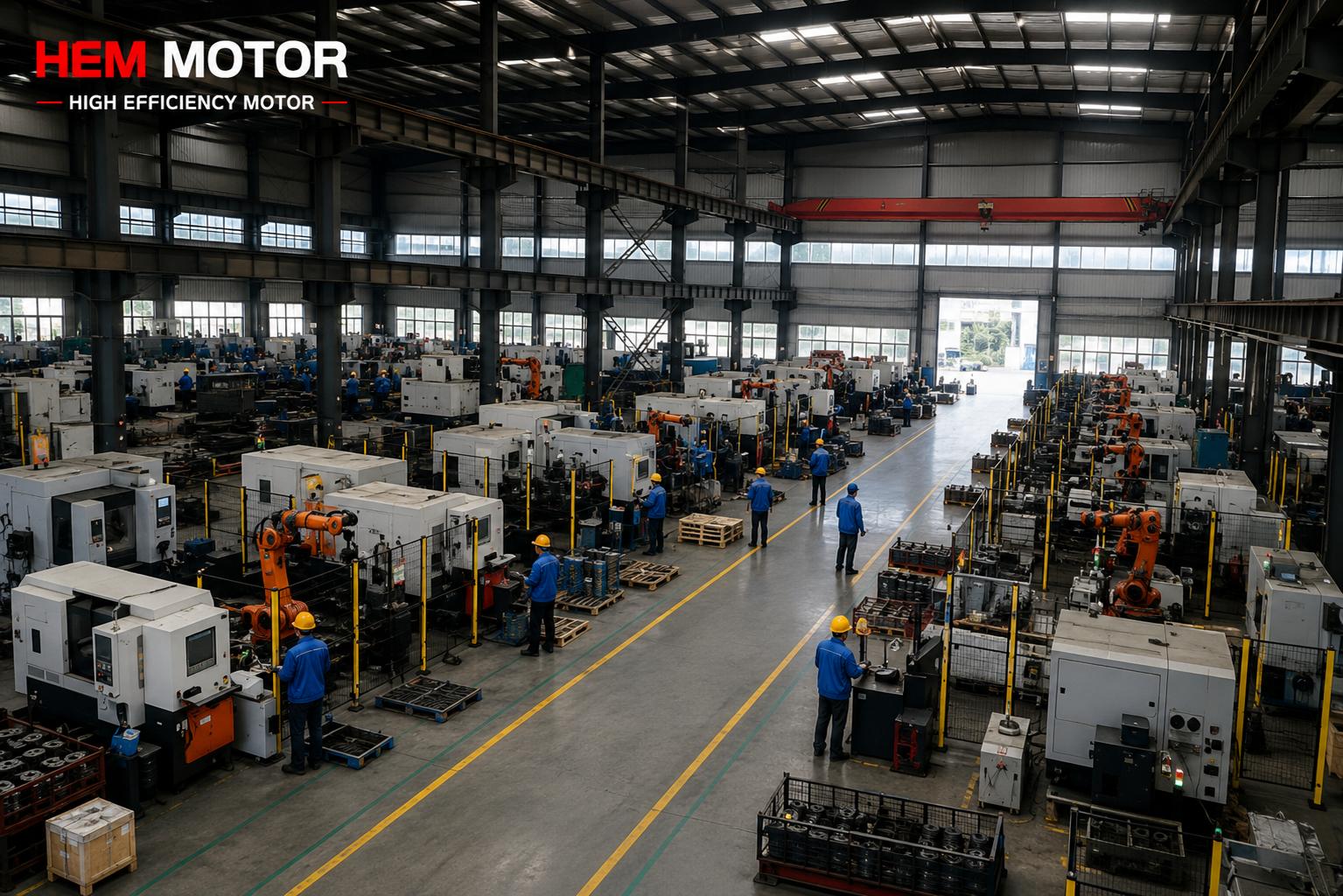

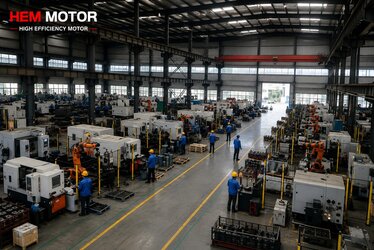
Corrugated cardboard and carton box factories are built around a continuously running production line: a paper roll enters the corrugator, is glued, dried, cut, slit and finally turned into a box. Every station on this line demands a different motor characteristic, from the continuous S1 duty of the corrugator to the high-speed operation of cutting and slitting units and the outdoor protection of dust extraction fans. The correct electric motor choice at each point directly determines line efficiency. In this guide we cover corrugated cardboard and carton box factory electric motors station by station, explaining which power, speed, frame and IP protection suits where, and how to place the right order for fast supply from stock.
Motor Map of the Corrugated Cardboard Line
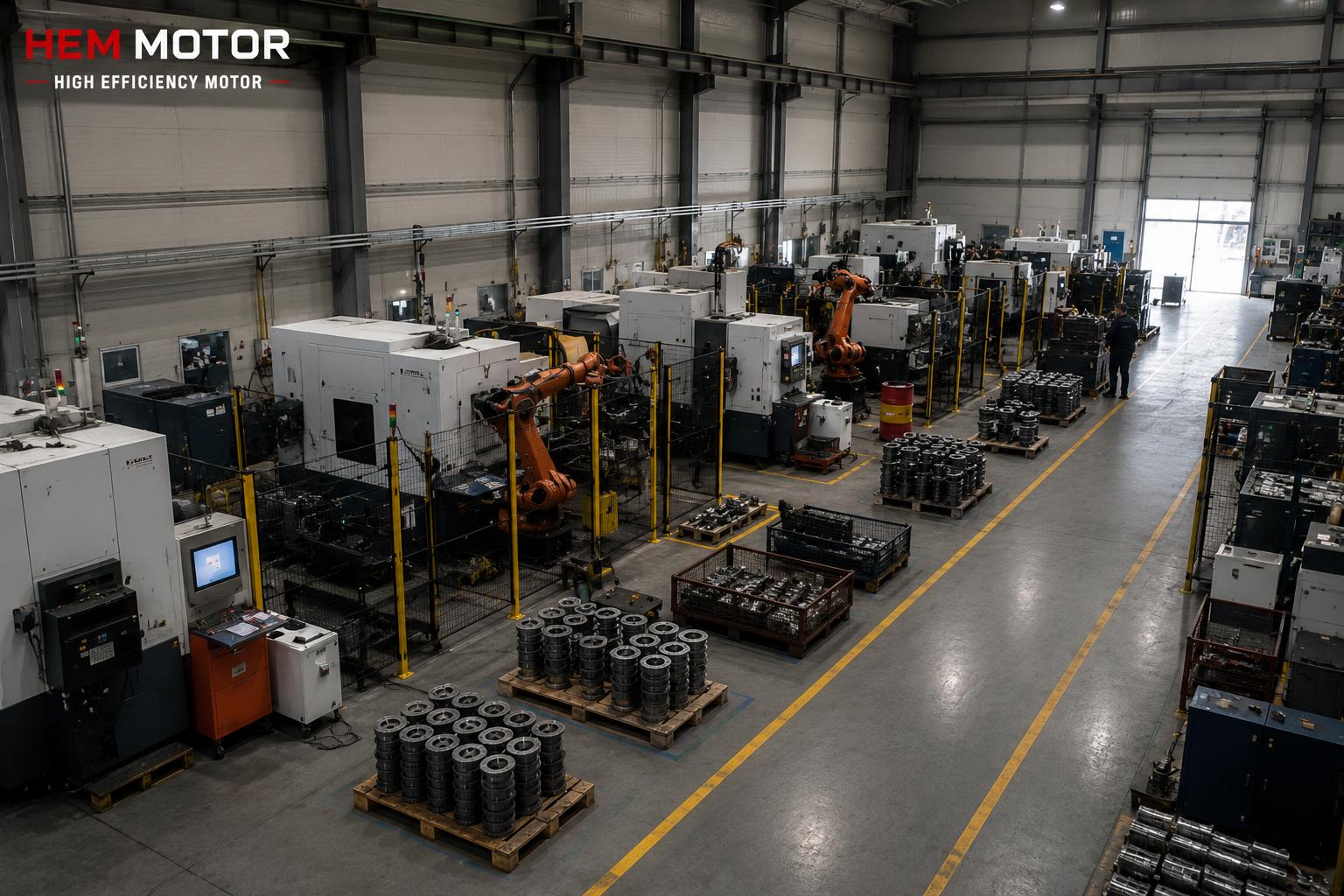
A corrugated cardboard plant is not a single machine but dozens of drive units running in sync. In production planning, each motor load profile must be considered separately, because a single station stopping halts the whole line. When building your motor inventory, it helps to group the stations as follows:
- Corrugator drive: The main group that flutes the paper and forms single or double-faced board. It demands continuous, balanced torque and runs in uninterrupted S1 duty.
- Glue unit: Roller drives that apply starch-based adhesive at controlled speed. Precise speed and low vibration matter.
- Drying and heating plate feed groups: Pulling and feeding motors synchronised with line speed.
- Cutting and slitting (slitter-scorer, cut-off): High-speed, precise-position drives.
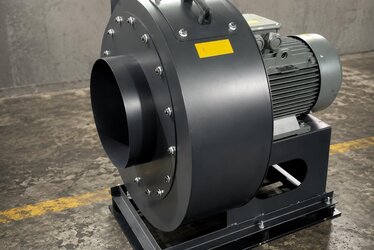
- Dust and trim extraction: Fan and blower motors collecting cardboard dust and cutting trim.
- Conveyor and stacking: Belt and elevator drives carrying cut sheets.
When moving between these groups, you must define not only the motor power but also the duty type correctly. To examine the difference between continuous and intermittent operation in detail, see our duty type (S1-S6) selection guide.
Corrugator and Gluing Drive: Continuous S1 and Low Vibration
The corrugator is the heart of the plant and runs without stopping for most of the day. For this reason, the main drive motors should be selected with continuous S1 duty, F-class insulation and IP55 protection. In modern plants with high line speeds, these motors are usually driven by a variable frequency drive (VFD), allowing the line speed to be adjusted steplessly according to paper type and grammage.
Power and Speed Selection
The corrugator main drive spans a wide band from 30 kW to 132 kW depending on machine size. Pulling and feeding groups generally run with 4-pole (1500 rpm) motors, because this speed provides both sufficient torque and an output speed compatible with gearboxes. Glue rollers require a lower output speed, so they are often used together with worm gear reducers or helical worm gear reducers. To calculate output speed and torque correctly in a motor + gearbox combination, our monoblock geared motor selection article is a useful reference.
Efficiency: IE3 or IE4?
In main drives running 16-24 hours a day, such as the corrugator, energy cost far exceeds the purchase cost of the motor. Therefore IE4 Super Premium motors provide fast payback at these stations. For auxiliary stations that run less, IE3 motors are a balanced choice. We clarified which efficiency class is mandatory at which power in our efficiency mandate article. As a general rule, at least IE3 is recommended for continuously running motors above 0.75 kW, and IE4 for critical drives with very high running hours.
Cutting, Slitting and Conveyor Drives
Cutting and slitting stations (slitter-scorer, rotary cut-off) are high-precision units that cut the corrugated board to order size and score flutes. In these drives, what matters is not only power but speed response and low vibration. A vibrating motor causes burrs and dimensional deviation at the cut edge. For this reason, balanced-rotor, low-vibration motors are preferred at these stations; we detailed the topic in our noise and vibration article.
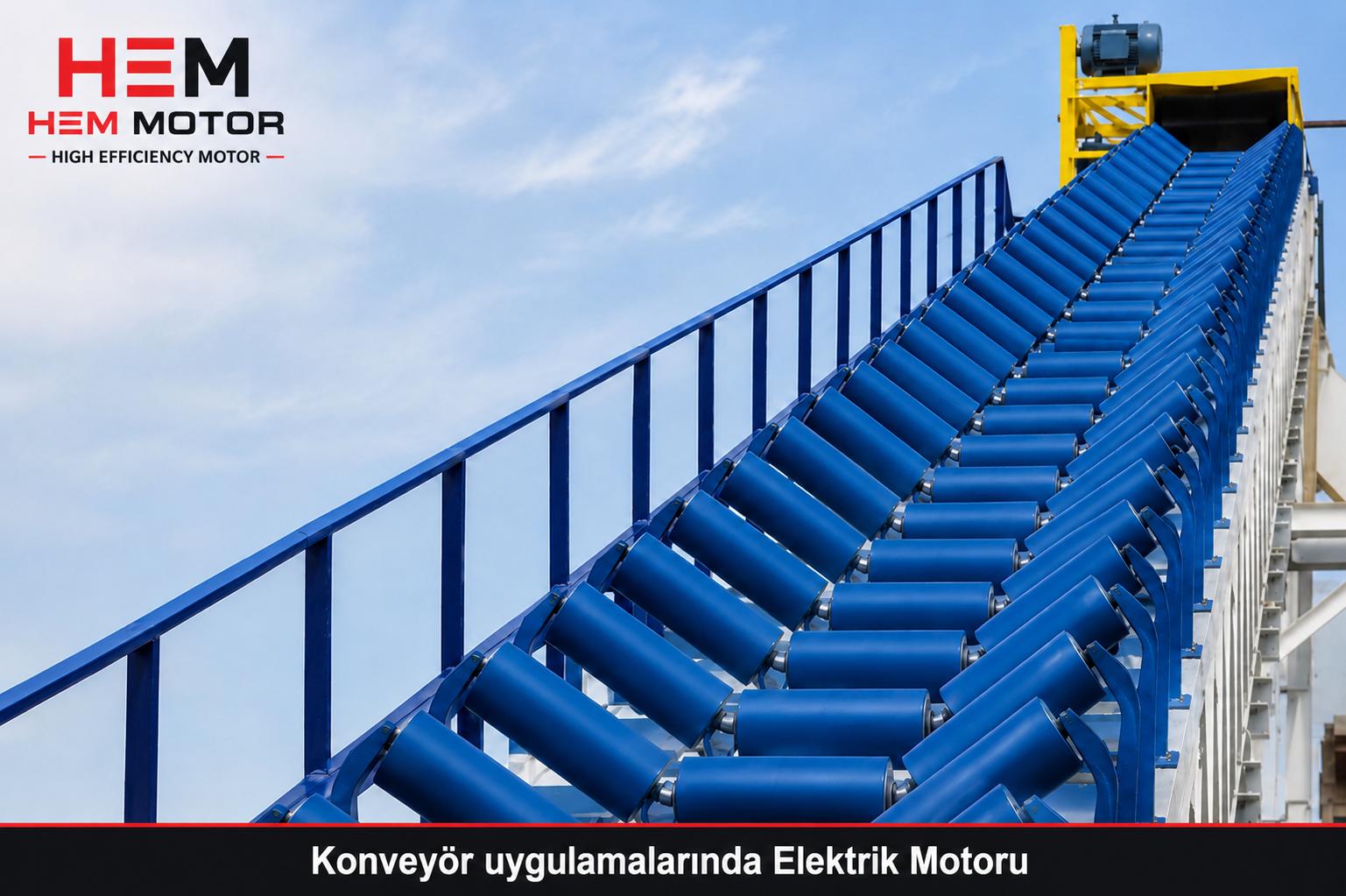
Conveyor and stacking belts generally run with 4 or 6-pole motors, geared. Here B5 flanged or B35 foot-and-flange mounting types are common; to choose the right mounting type, see our mounting types page. Our paper and packaging factory motor selection article, where we cover torque and continuity requirements on paper and packaging lines more broadly, complements this line.
Dust and Trim Extraction: Correct Fan Motor Selection
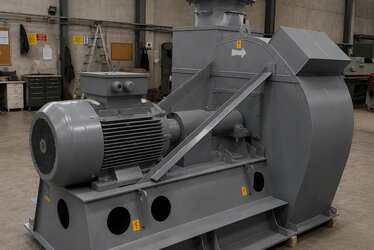
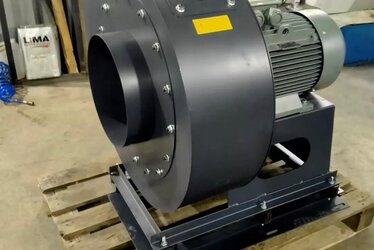
In corrugated cardboard production, a significant amount of cardboard dust and trim is released during cutting and slitting. Collecting this dust is critical for both fire safety and machine life. Extraction fans and cyclone feed blowers are motors that run continuously and are exposed to a dusty environment; therefore at least IP55 protection and good cooling are essential. When dust accumulation blocks cooling, the motor overheats, so periodic cleaning must be planned.
We explained power and speed selection for extraction and dust collection fans, along with flow-pressure matching, in detail in our dust collection fan motor article. If cast iron is preferred as the frame material in dusty, trim-filled environments, our motor selection for hot and dusty environments article should also be reviewed for corrosion and durability.
IP Protection Class
While IP55 is sufficient in clean areas inside the plant, IP65 can be considered on extraction lines directly exposed to dust and on fan groups open to the outdoors. You can find the difference between IP55 and IP65 and where each is required in our IP protection class selection article.
Replacement Motors and Emergency Supply
When corrugated cardboard lines stop, hourly production loss is high. Therefore keeping spare motors for critical stations in stock is a smart precaution. We covered which powers should be kept as spares in our critical spare motor list article. Making a precise match from the nameplate data when replacing an existing motor prevents the wrong motor from arriving; on this topic, our conveyor belt motor emergency replacement article offers a practical checklist.
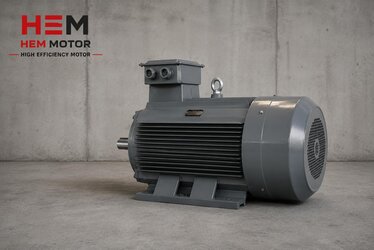
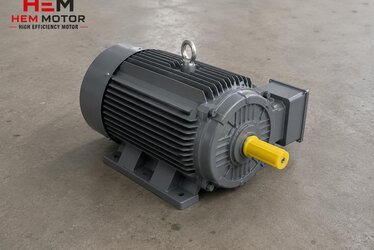
As HEM Motor, we supply corrugated cardboard and carton box factories with motors in IE3 and IE4 efficiency classes, across a wide power range from 0.55 kW to 355 kW, with cast iron and aluminium frame options. All our motors feature 100% copper windings, F-class insulation and IP55 protection.
Frequently Asked Questions
What power and speed are suitable for the corrugator main drive?
The corrugator main drive generally runs with 4-pole (1500 rpm) motors in the 30-132 kW range depending on machine size. S1 duty, F-class insulation and IP55 protection are standard for continuous production. To adjust line speed steplessly, the motor is usually supplied together with a variable frequency drive. The correct power is determined by your machine line speed and paper grammage; if you share your machine nameplate and line data with us, we will recommend a suitable motor.
Is IP55 sufficient for dust extraction fans, or is IP65 required?
For normal extraction fans inside the plant, F-class insulated IP55 motors are sufficient. However, IP65 protection is recommended on lines directly exposed to heavy dust, on fan groups open to the outdoors, or in humid areas. When dust accumulates on the cooling fins the motor heats up, so regular cleaning is as important as the protection class.
Why is low vibration important in cutting and slitting motors?
Cutting and slitting stations are units with high dimensional precision. A vibrating motor causes burrs, dimensional deviation and scoring errors at the cut edge; it also shortens bearing life. For this reason, balanced-rotor motors with a low vibration class are preferred at these stations. This directly improves both product quality and machine life.
Get a Quote
If you want fast supply from stock of corrugator, gluing, cutting and extraction motors for your corrugated cardboard or carton box factory, contact us with your machine nameplate information. Let us offer motors matched with the correct power, speed, frame and IP protection at short lead time and a competitive price. Call now on +90 (532) 345 49 86 or send your quote request through our contact page.