English
 Türkçe

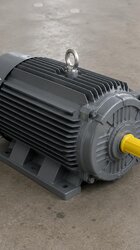
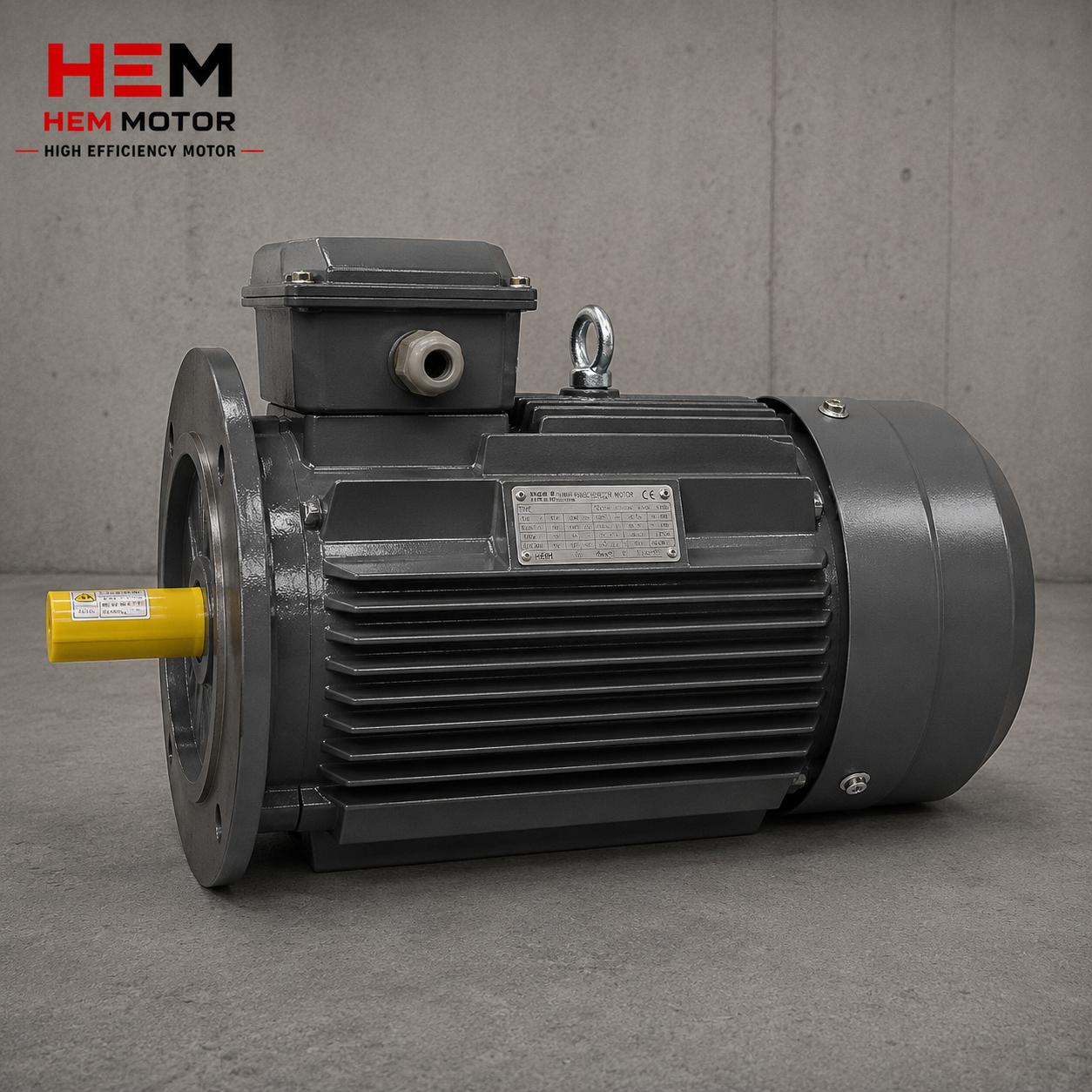

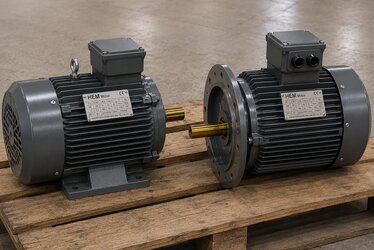
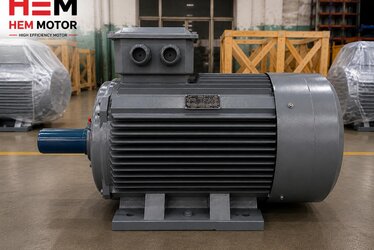
30 and 37 kW are two of the most sought-after medium-to-high power classes in Turkish industry. These powers sit right in the middle of continuously running main drives such as pumps, fans, compressors and conveyors. A correct purchase is achieved not only by matching the kW value but through understanding the power correctly, determining whether it should be 2 pole or 4 pole according to the application, confirming the frame size, choosing the starting method and checking the stock status. In this article we cover 30 and 37 kW motors along the axes of speed, pole, application and stock, offering a roadmap for an error-free purchase.
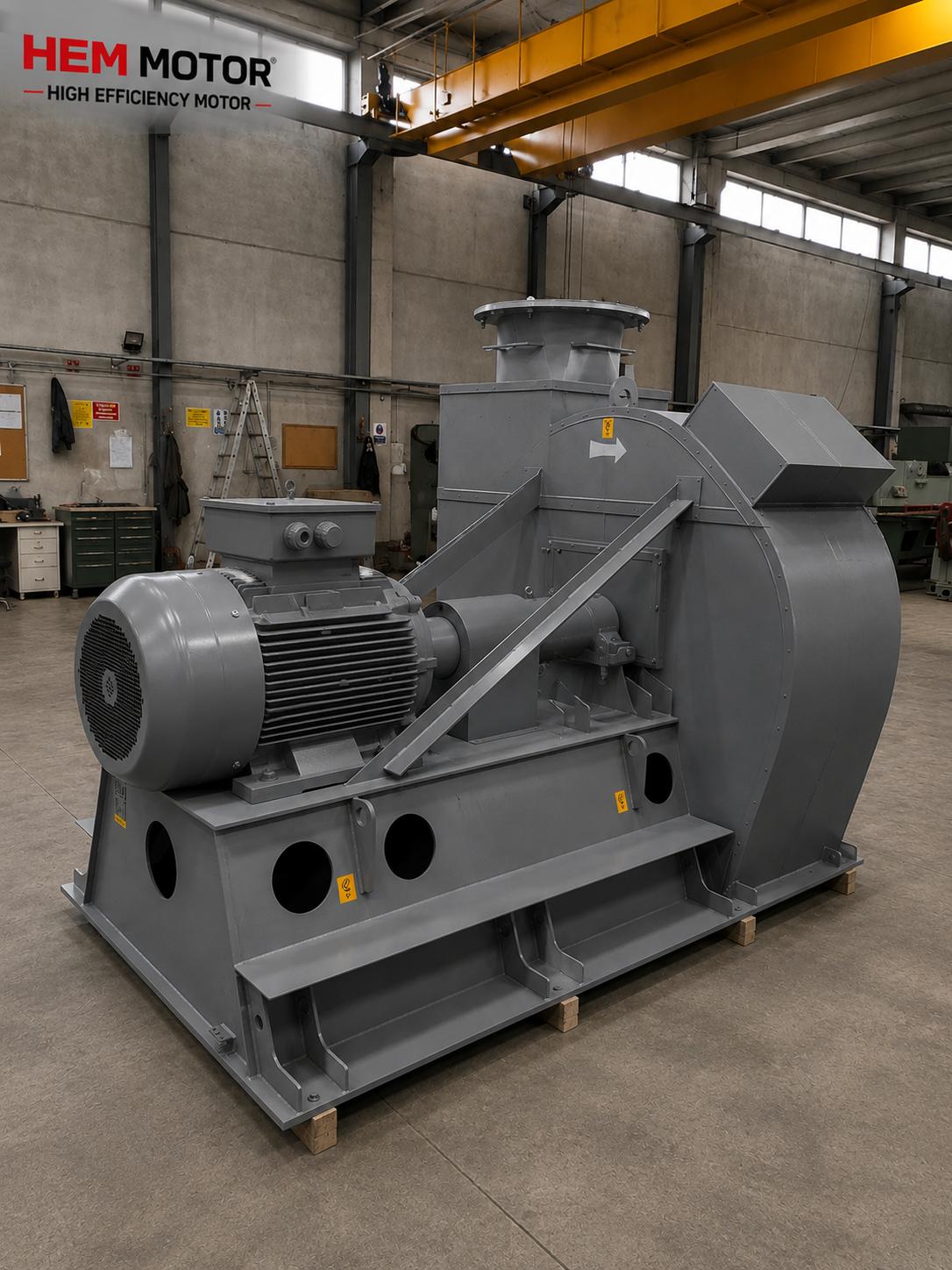
30 and 37 kW: Positioning in Medium-to-High Power
30 kW and 37 kW are right in the middle of the transition zone from small powers to high powers. At these powers the motor now carries a serious mechanical and electrical load; therefore the choice of frame, bearing, winding and starting requires care. For one neighboring power class below, our article on 11 and 15 kW motor selection, and for one above, our article on 45, 55 and 75 kW motor selection are complementary resources. This power class is widely available in IE3 and IE4 efficiency classes; on the IE4 side our article on 30 and 37 kW IE4 motor stock and supply covers the efficient counterparts of these powers.
2 Pole or 4 Pole? Speed Selection by Application
The pole count determines the synchronous speed of the motor. On a 50 Hz grid, 2 poles give about 3000 rpm and 4 poles about 1500 rpm synchronous speed (the actual speed is slightly lower due to slip). We explained the relationship between slip and actual speed in our article on slip and actual speed in an asynchronous motor.
- 2 pole (3000 rpm): Preferred in centrifugal pumps requiring high speed, high-pressure applications and some compressors. For IE4 2 pole pump-fan selection, see our article on IE4 2 pole 3000 rpm motor.
- 4 pole (1500 rpm): The most preferred speed; it is the standard for conveyors, general industry, fans and many pump applications. It offers balanced torque and low noise.
For the right decision, our article on asynchronous motor pole selection (2, 4, 6 pole) clarifies the pole selection logic. For the relationship between pole and efficiency, our article on efficiency and pole count in an asynchronous motor is useful.
Frame Size: Which Frame for 30 and 37 kW Typically?
Depending on the speed and efficiency class, 30 and 37 kW motors are typically found in IEC 200 and 225 frame sizes. Because the frame size determines the foot hole dimensions and shaft diameter, it must always be confirmed in replacement orders. For the shaft diameter, key and frame table, our article on the shaft diameter and frame table (IEC 56-355) is a reference for the correct replacement. We examined cast iron frame size-power matching in our article on frame size and power matching.
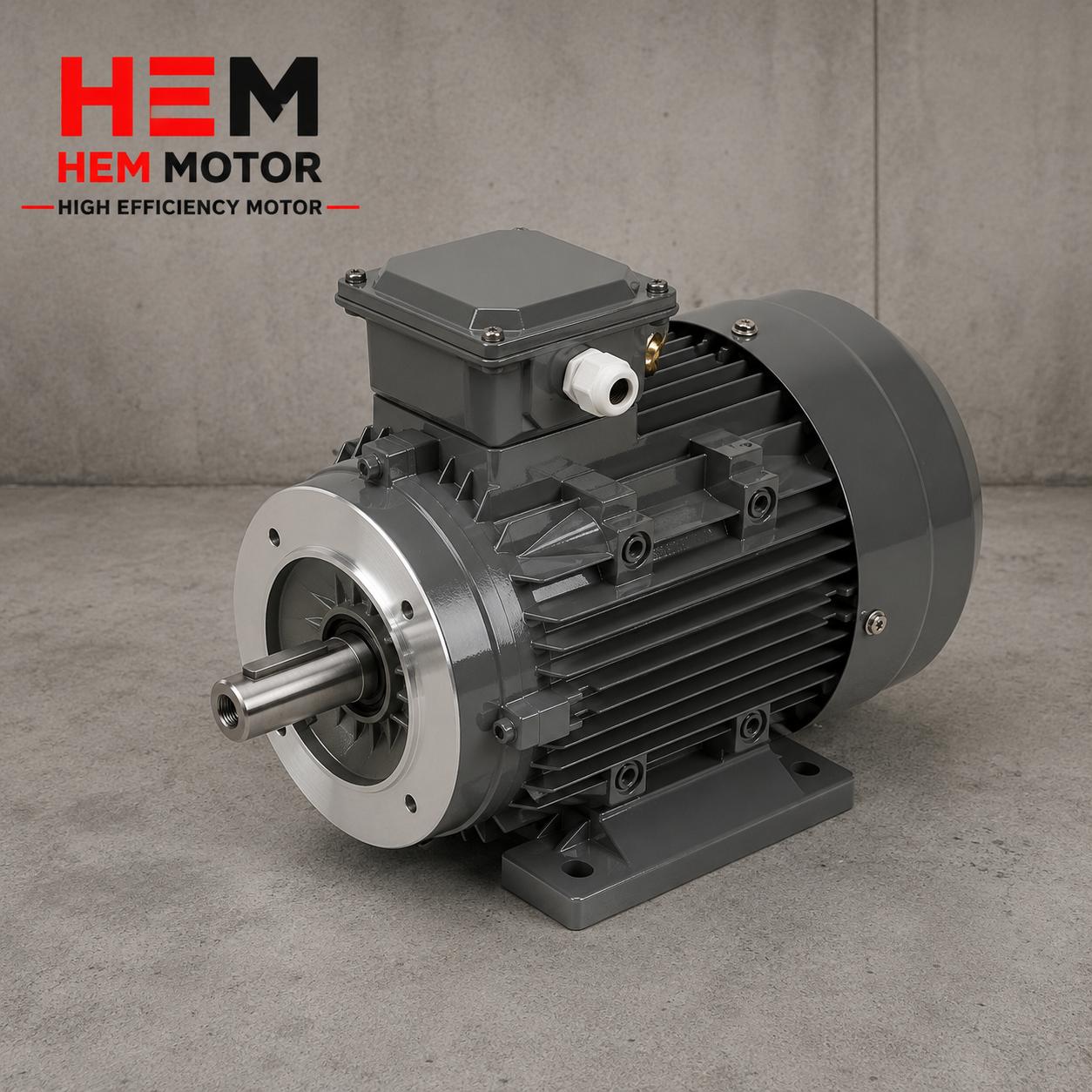
30 and 37 kW Motor Selection by Application
Pump
In centrifugal pumps, speed is directly related to flow rate and head. For high pressure, 2 pole (3000 rpm) is preferred; for balanced flow, 4 pole (1500 rpm). For the right power and speed, see our article on centrifugal pump motor selection. For multistage high-pressure applications, our article on multistage vertical pump motor guides you.
Fan and Aspirator
In fan applications, 4 pole is common; lower speeds are also used in large-diameter fans. For power and supply by fan type, our article on centrifugal and axial fan motor selection is application-oriented.
Compressor
In screw compressors, 30 and 37 kW are quite common powers; efficiency and the right power under continuous load are critical. Our article on compressed air and screw compressor motors details this selection.
Conveyor
In conveyor drives, 4 pole is the standard; in applications requiring high torque, a lower output speed is obtained together with a gearbox. For heavy-duty conveyor drive, see our article on cast iron heavy-duty conveyor drive motor.
Use with a Gearbox: When a Low Output Speed Is Needed
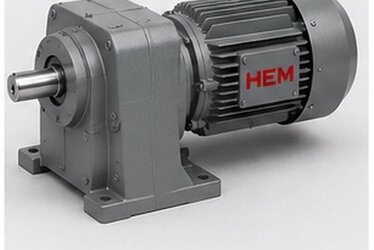
In some 30 and 37 kW applications, the direct motor speed (1500 or 3000 rpm) is too high; conveyors, mixers and some process drives require a much lower output speed. In this case the motor is used together with a gearbox. The gearbox both reduces the speed and increases the torque. To select the right gearbox ratio, you need to know the output speed required by the machine; we addressed this topic in our articles on reducer mounting positions and lubrication and geared motor or separate motor + reducer.
When using a gearbox, the mounting type of the motor (usually B5 or B35) and the shaft diameter must be compatible with the gearbox. At this power, the motor-gearbox matching is done according to IEC connection dimensions. In some applications requiring low-speed direct drive, a high-pole motor is also an alternative to a gearbox; our article on low-speed high-pole motors introduces this option. Which approach is more economical depends on the required output speed and torque profile.
Starting: DOL or Star-Delta for 30 and 37 kW?
At 30 and 37 kW powers, during direct-on-line (DOL) starting the inrush current rises to several times the rated current. In this power class, star-delta starting or a soft starter is frequently preferred depending on the grid and transformer capacity. For a comparison of starting methods, our article on star-delta or soft starter guides you. You can find the star-delta wiring diagram in our article on the star-delta wiring diagram. For reducing the inrush current, our article on starting current (LRA) reduction is useful. On generator-powered sites, our article on how many kVA generator can handle how many kW motor addresses the inrush current problem.
Stock Status and Fast Supply
Because 30 and 37 kW are highly sought-after powers, they can usually be supplied quickly from stock; however, the combination of speed (2/4 pole), efficiency class (IE3/IE4) and mounting type affects the stock status. We addressed which powers should be kept as spares when a critical machine fails in our article on the critical spare motor list. Our article on from-stock delivery or production order clarifies the difference between stock delivery and production order. You can find the information to provide for an accurate quote in our article on information to give when requesting a quote.
Efficiency Class and Regulation: IE3 or IE4 for 30/37 kW?
The 30 and 37 kW powers fall clearly within the scope of efficiency regulation. Under Turkish and EU regulations, a minimum IE3 efficiency class is mandatory for three-phase asynchronous motors in this power range; in certain power and pole combinations started direct-on-line, higher classes come into play. We addressed which motor is mandatory from which date in our article on the IE3 and IE4 efficiency mandate.
In a continuously running 30 and 37 kW motor, preferring IE4 over IE3 can pay for itself through annual energy savings, because at this power and over long operating hours even a small efficiency difference turns into a large energy item. Our article on the transition decision by power, runtime and payback clarifies the choice between IE3 and IE4. In low-operating-hour applications, IE3 may be more balanced.
Rated Current, Cable and Protection Selection
In a 30 and 37 kW motor, as much as choosing the right power and speed, the electrical infrastructure must also be sized correctly. The rated current of the motor determines the cable cross-section, the fuse and the contactor. A cable of the wrong cross-section or inadequate protection means both a safety risk and early failure. We addressed cable, fuse and contactor selection by rated current in our article on rated current: cable, fuse and contactor selection.
The motor protection circuit breaker (MPCB) setting is also critical at this power; overload and short-circuit protection must be set to the correct current. On this topic our article on motor protection circuit breaker (MPCB) selection and setting guides you. PT100 or a thermistor for temperature protection is also commonly preferred at this power; our article on winding temperature monitoring (PT100/PTC) introduces this protection. For more, you can review our electric motors blog homepage.
Frequently Asked Questions
Should I buy a 2 pole or 4 pole motor for my 30 kW pump?
This depends on the speed required by the pump. If you are replacing an existing pump, match the speed on the old motor nameplate exactly (about 2900 rpm means 2 pole, about 1450 rpm means 4 pole). In a new system, 2 pole is preferred for centrifugal pumps requiring high pressure and high speed, and 4 pole for balanced flow and quieter operation. At the wrong speed, the motor disrupts the operating point of the pump.
Can 30 and 37 kW motors be started direct-on-line (DOL)?
Although technically possible, the DOL inrush current at this power is high and may cause a voltage dip in the grid or a fuse trip. Therefore at 30 and 37 kW powers, star-delta starting or a soft starter is generally preferred. The transformer and grid capacity, whether you run on a generator, and the inertia of the load are the main factors determining the starting method.
What frame size are 30 and 37 kW motors typically?
Depending on the speed and efficiency class, these powers are typically found in IEC 200 and 225 frame sizes. The frame size determines the foot hole dimensions, shaft diameter and flange dimensions. In replacement orders, the frame size must always be confirmed for an exact match with the machine existing foot and shaft dimensions.
Get a Quote
Get support from our team to order your 30 or 37 kW electric motor error-free with the right pole, speed, frame, efficiency class and starting method, and to learn the stock status. For fast supply, contact us at +90 (532) 345 49 86 or reach us via our contact page.
30 and 37 kW Motor Purchasing Checklist
- Determine the application: pump, fan, compressor or conveyor.
- Choose the required speed: 2 pole (3000 rpm) or 4 pole (1500 rpm)?
- If replacing an existing motor, match the speed and frame on the nameplate exactly.
- Check the efficiency class (IE3/IE4) and regulatory compliance.
- Confirm the frame size (typically 200/225) and shaft-foot dimensions.
- Determine the starting method: star-delta or soft starter.
- Clarify the mounting type (B3/B5/B35) and stock-delivery time.