English
 Türkçe


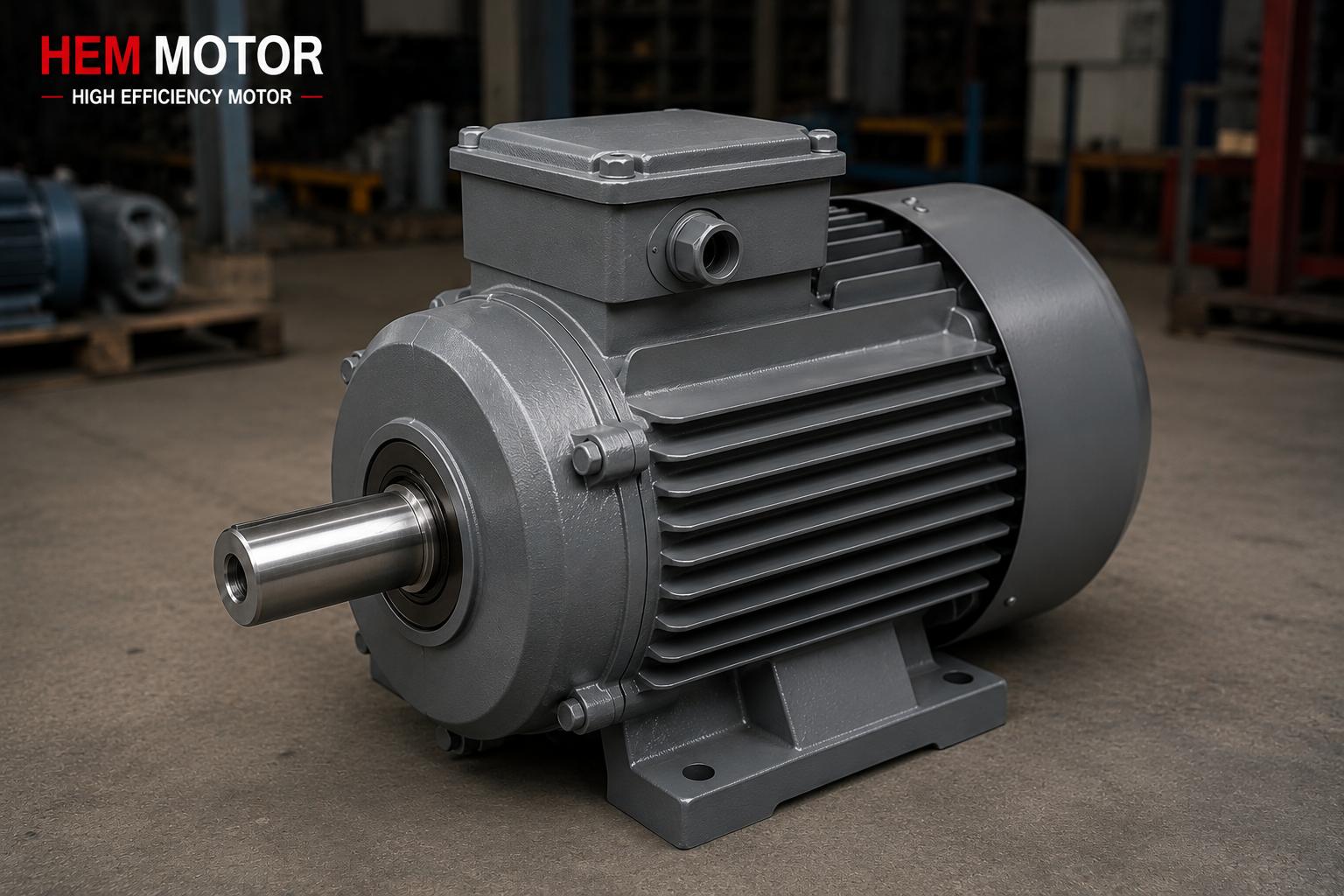

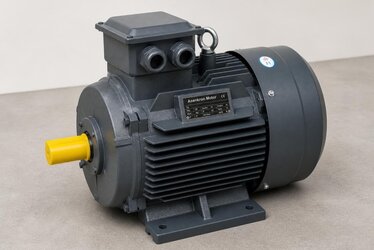
30 and 37 kW sit right in the middle of the most sought-after mid-to-upper power band in Turkish industry. From pump stations to compressor units, from large fans to conveyor drives, many serious applications call for a motor at these two powers. At these powers, the IE4 super premium efficiency class has now become the preferred choice, both for energy cost and for current efficiency expectations. This guide gives businesses purchasing a 30 or 37 kW IE4 motor a clear roadmap on stock status, frame size, starting method and fast supply in the most sought-after 1500 and 3000 rpm options. Our aim is not to deliver a technical lecture, but to get the right motor onto your site as quickly and completely as possible.
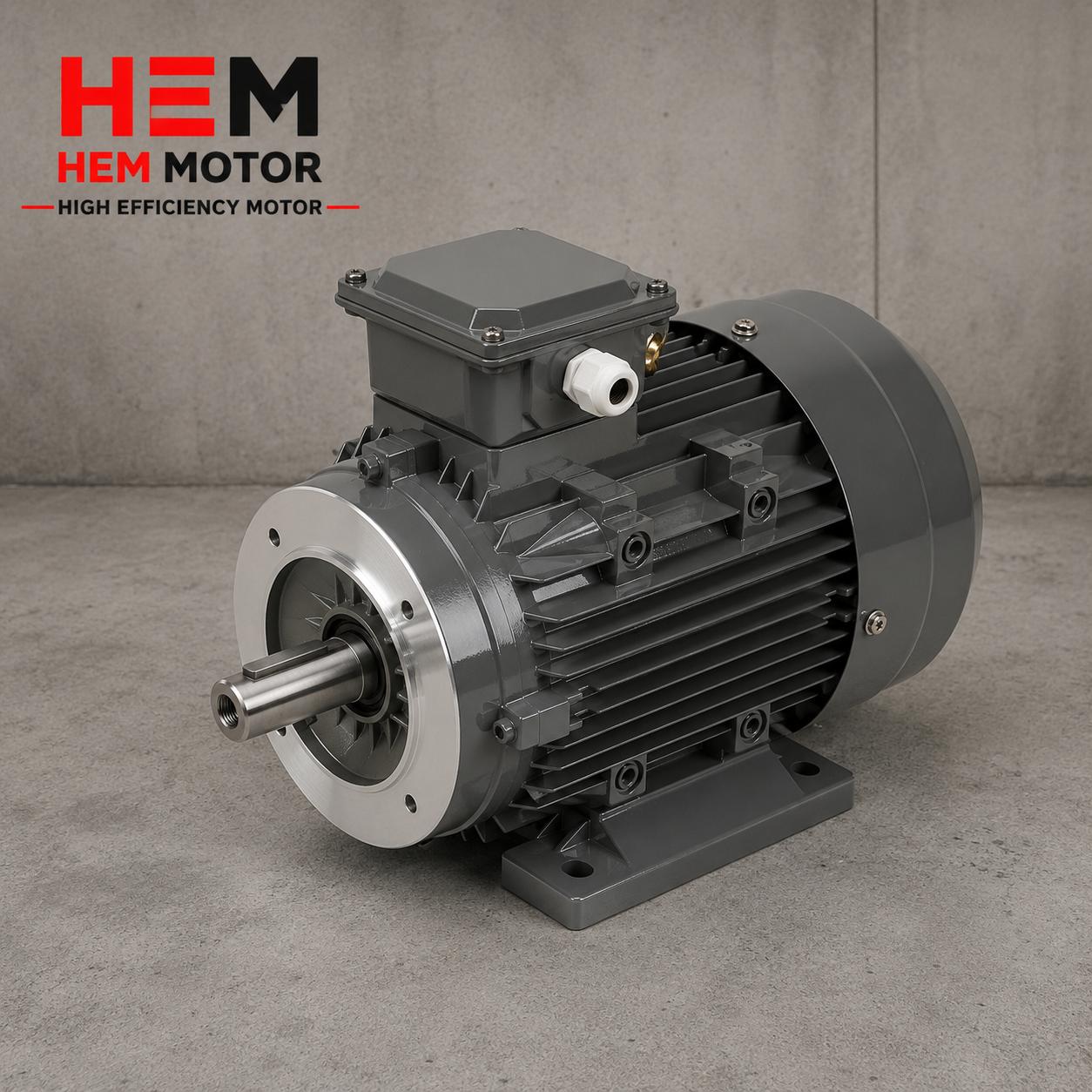
Why Are 30 and 37 kW IE4 So Much in Demand?
These two powers are large enough to drive most of the equipment that forms the backbone of mid-sized industrial plants. 30 kW is a typical choice for medium centrifugal pumps, screw compressors and large ventilation fans, while 37 kW is selected for one step higher loads and higher-flow systems. Because the power difference between them is relatively small, the question of which one is correct for the same application often arises. Wrong power selection leads either to inefficient operation or to continuous overloading of the motor; therefore, the real requirement of the load must be calculated correctly. You can assess at what load ratio it is efficient to run a motor from our article on at what load to run a motor: efficiency, power margin and correct sizing.
On the IE4 side, the driving force is mostly energy cost. On a continuously running 37 kW motor, raising the efficiency class makes a clear difference on the annual electricity bill. To calculate the real return of replacing an old standard motor with IE4, our article on what replacing your old motor with IE4 gains you offers a concrete payback perspective. You can review our entire IE4 product family on the electric motor IE4 product page.
The Most Sought Speeds: 1500 and 3000 rpm
In the 30 and 37 kW band, the vast majority of demand concentrates in two speeds: 4-pole 1500 rpm and 2-pole 3000 rpm. Because these two speeds cover most applications, stock is also held mainly in these options. Choosing the right speed is as important as choosing the right power, because speed determines both the torque produced and the operating point of the connected equipment.
3000 rpm (2-Pole): Compressor and High Pressure
2-pole 3000 rpm motors produce low torque at high speed and are preferred especially for screw compressors, high-pressure pumps and high-speed fans. Because balanced, low-vibration operation is critical at this speed, quality balancing and bearing construction are decisive. You can see the right power selection for pumps and fans in 2-pole motors in detail from our article on IE4 2-pole 3000 rpm motor: right power selection for pumps and fans.
1500 rpm (4-Pole): The Most Common Industrial Speed
4-pole 1500 rpm is the most preferred speed in industry. Medium pumps, conveyors, mixers and general-purpose drives largely run at this speed. Establishing the balance between speed and power means correctly meeting the torque the load demands. Our article on the IE4 threshold in pumps, fans and compressors clarifies when the IE4 threshold comes into play.
Frame Size: 200 and 225
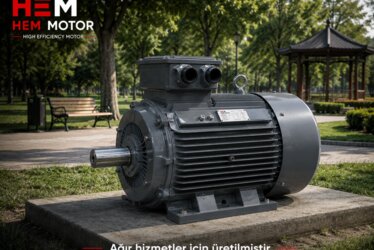
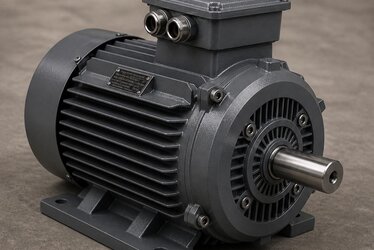
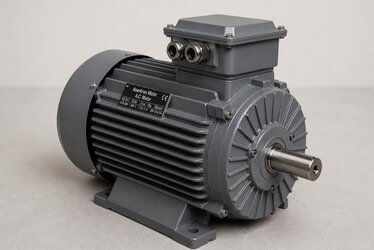
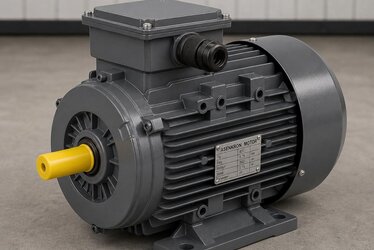
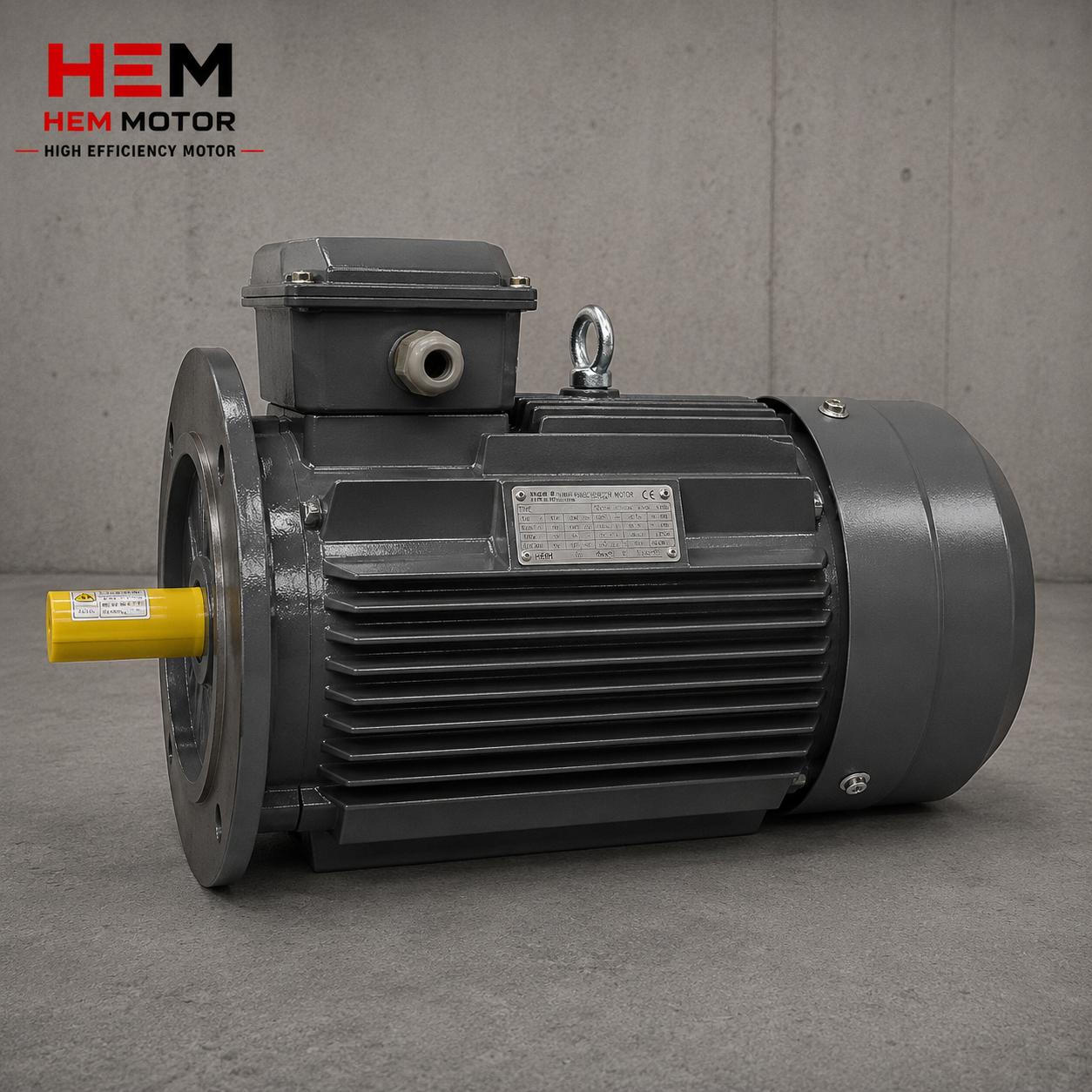
30 and 37 kW IE4 motors are usually found in IEC 200 and 225 frame sizes. Depending on the speed and power combination, the same power can come in a different frame size; for example, 30 kW 4-pole is typically in a 200L frame, while 37 kW 4-pole may move to a 225 frame. The frame size determines not only the physical size of the motor but also the foot hole spacing, shaft diameter, shaft height and mounting dimensions. Therefore, when replacing an existing motor, an exact frame-size match is essential for a trouble-free installation on site. To select the frame-power match correctly from stock, our article on frame size and power matching in cast iron body motors offers a detailed reference. For shaft diameter, key and coupling compatibility, our article on shaft diameter, key and coupling correct mechanical matching in cast iron motors simplifies the pre-order check.
Mounting Type: B3, B5 and B35
In this power band, the most common mounting types are B3 foot-mounted, B5 flanged and B35 (combined foot and flange). Coupled pump and conveyor drives generally use B3 foot-mounted, directly flange-connected pumps use B5, and machines that need both foot and flange use B35. Knowing the connection type of your existing system prevents the wrong motor from arriving. For mounting type options, you can review our electric motor mounting types product group, and verify pre-order nameplate matching with our article on avoid the wrong motor delivery: pre-order nameplate matching.
Starting: Soft Starter and Star-Delta
When 30 and 37 kW motors are started direct-on-line (DOL), they draw a high inrush current that reaches several times the rated current. This causes both a voltage dip in the grid and a shock to mechanical transmission components. Therefore, at these powers, star-delta starting or a soft starter is preferred. A soft starter protects the grid and mechanics by ramping up the start gradually, while star-delta is a more economical solution. Our article on starting AC asynchronous motors: star-delta or soft starter explains in detail which is right in which case. Besides the starting method, protection equipment should also be planned together with the motor; here, our article on electric motor protection: thermal, relay and fuse selection is useful.
Stock and Fast Supply
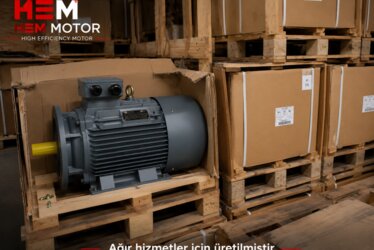
30 and 37 kW IE4 motors are powers that can be supplied quickly from stock in the most sought 1500 and 3000 rpm speeds and B3/B5/B35 mounting types. To keep production from stopping during a pump, compressor or fan failure, a short lead time at these powers is critically important. Our article on from-stock delivery or production order clarifies the lead-time difference between stock delivery and a production order. For the logic of keeping spare motors in critical applications, we recommend our article on a critical spare motor list and stock planning. You can reach other guides in the same efficiency family from our IE4 electric motors blog category.
Application Areas: Where Do 30 and 37 kW Work?
The reason this power band is so widespread is that it can drive similarly sized equipment across very different sectors. In water and wastewater plants, medium-to-large transfer pumps; in industrial plants, screw compressors, cooling tower fans, large ventilation and aspiration systems; in concrete and mining plants, conveyor and screw drives typically run on a 30 or 37 kW motor. Each application has a different load profile: pumps and fans carry a variable-torque (square-law) load, while compressors and conveyors demand more constant torque. This difference affects the right speed and, if needed, the variable-frequency drive decision. On the pump and fan side, using a VFD together with an efficient motor brings additional savings; our article on high-efficiency motor plus VFD energy savings in pumps and fans explains this gain in detail.
In compressor applications, the most critical issue is the exact match of the motor to the existing unit. To match the motor correctly in piston and screw compressors, our article on compressor motor replacement: a matching guide for piston and screw compressors offers a pre-disassembly checklist. When an emergency replacement is needed in conveyor drives, the conveyor belt motor emergency replacement checklist helps you minimize production loss.
Cooling and Efficiency in Continuous Duty
Because 30 and 37 kW motors run continuously (S1) in most applications, the motor's heating behavior and cooling directly affect its life and efficiency. In IE4 motors, the cooling fan and frame design support operation at a lower temperature, preserving efficiency while extending bearing and winding life. You can review the effect of cooling design on efficiency from our article on the effect of cooling and fan design on efficiency in IE4 motors. For plants that want to monitor winding temperature under continuous load, PT100 and thermistor-based protection prevents unexpected failures; our article on winding temperature monitoring with PT100 and PTC thermistors addresses this.
Mechanical and Efficiency Advantage in Switching to IE4
When replacing an old IE2 or IE3 motor with a 30 or 37 kW IE4, the question most businesses wonder about is whether mechanical compatibility is preserved. Because IE4 motors are manufactured to IEC standard frame, foot and shaft dimensions, in most cases an exact swap is possible while keeping the existing base and connections. To secure mechanical compatibility during the switch, our article on mechanical compatibility in switching to IE4: are frame, foot and shaft the same guides step by step. On the efficiency side, you can see where IE4 reduces losses from our article on efficiency losses in IE4 motors: where iron, copper and friction losses are reduced. For your general efficient motor needs, our high efficiency electric motors product group covers all options.
Frequently Asked Questions
Should I buy 30 kW or 37 kW?
The decision depends on the real power requirement of the load the motor will drive. If the existing system occasionally approaches full capacity and a future flow/pressure increase is planned, 37 kW has a safer margin. If the load is steady and stays below 30 kW, choosing 37 kW runs the motor at a low load ratio and means unnecessary investment. For the best decision, it is enough to share the pump/fan curve or the existing motor's nameplate and load data; we will determine the suitable power together.
Are 30 and 37 kW IE4 motors available in stock?
Yes, in the most sought 1500 rpm (4-pole) and 3000 rpm (2-pole) speeds and B3 foot-mounted and B5/B35 flanged mounting types, these powers can usually be supplied quickly from stock. For special mounting, special shaft or exproof requests, the lead time may vary. When you send the power, speed and mounting information of your need, we will immediately report the current stock status and lead time.
Which starting method is required at this power?
Direct-on-line starting is generally not recommended for 30 and 37 kW motors; the high inrush current stresses the grid. At these powers, star-delta or a soft starter is preferred. In applications needing a smooth start such as pumps and fans, a soft starter provides a gentler ramp; when an economical solution is sought, star-delta may be sufficient. If you state your application, we will also recommend the suitable starting and protection equipment along with the motor.
Get a Quote
Contact us for fast supply of 30 and 37 kW IE4 motors at the most sought 1500 and 3000 rpm, with the right frame and mounting type. Send your power, speed, mounting and application details; we will share the stock status and a clear price shortly. Phone: +90 (532) 345 49 86 · Create a quote request from our contact page.