English
 Türkçe


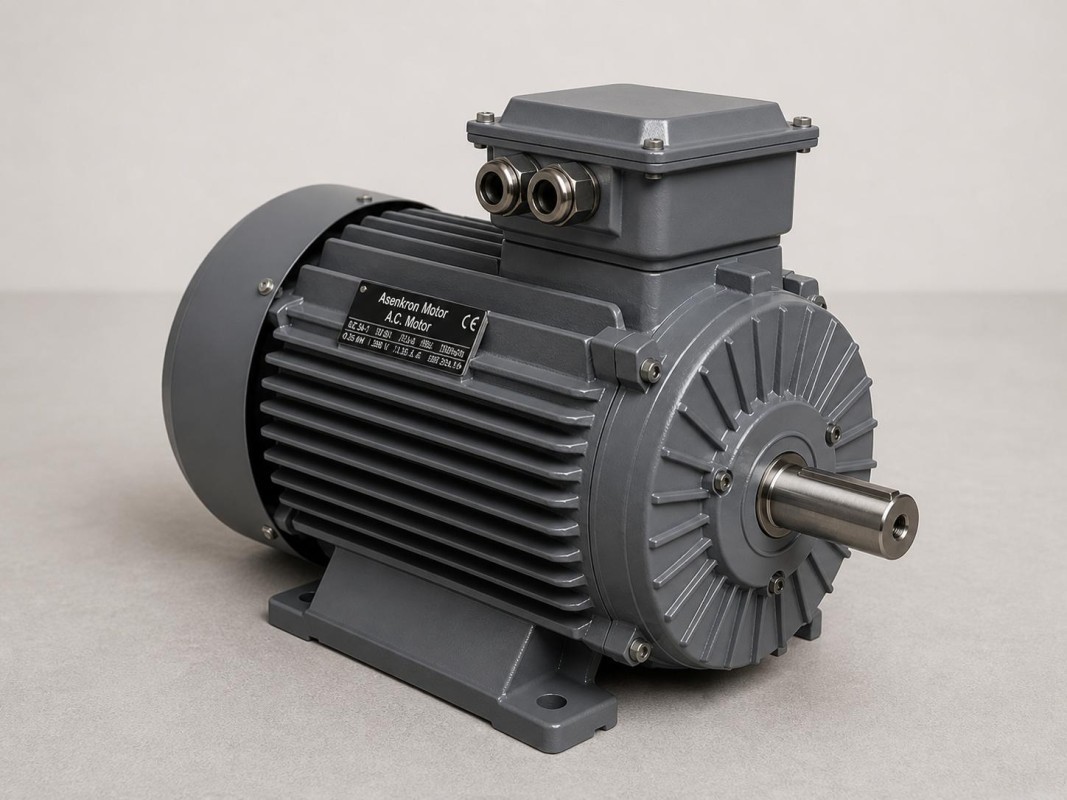
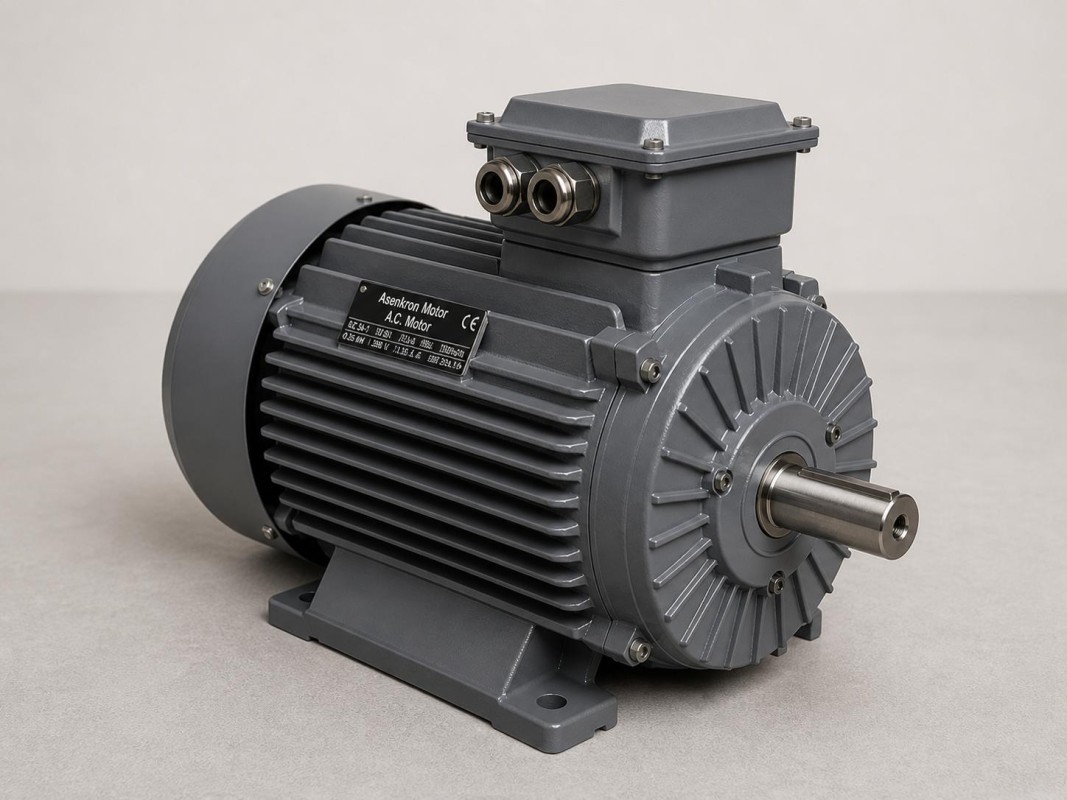

Electric Motor Prices
Electric motors are the driving force behind modern industry, powering everything from manufacturing equipment and industrial pumps to ventilation systems, compressors, conveyors, crushers, and automated production lines. As a result, electric motor prices are among the most frequently researched topics by manufacturers, industrial facilities, engineers, and purchasing professionals.
However, when evaluating electric motor prices, focusing solely on the initial purchase cost is not the best approach. The true value of an electric motor depends on several important factors, including energy efficiency, manufacturing quality, raw materials, operating reliability, maintenance requirements, and service life. A premium-quality motor may have a higher purchase price, but it can significantly reduce electricity consumption and maintenance costs over many years of operation.
What Determines Electric Motor Prices?
Electric motor prices vary depending on numerous technical and commercial factors. Even two motors with the same power rating can have very different prices due to differences in materials, engineering, manufacturing quality, and performance.
The primary factors affecting electric motor prices include:
- Motor power (kW)
- Operating speed (RPM)
- Energy efficiency class (IE2, IE3, IE4)
- Frame construction
- Copper winding quality
- Electrical silicon steel laminations
- Insulation system
- Bearing quality
- Protection class
- Cooling system
- Manufacturing technology
- Brand reputation
- Warranty period
- Inventory availability
- Raw material and market conditions
Understanding these factors helps buyers make better long-term investment decisions.
Motor Power (kW)
Motor power is one of the most significant factors influencing price.
Industrial electric motors are commonly available in power ratings ranging from 0.25 kW to 355 kW, including:
- 0.25 kW
- 0.37 kW
- 0.55 kW
- 0.75 kW
- 1.1 kW
- 1.5 kW
- 2.2 kW
- 3 kW
- 4 kW
- 5.5 kW
- 7.5 kW
- 11 kW
- 15 kW
- 18.5 kW
- 22 kW
- 30 kW
- 37 kW
- 45 kW
- 55 kW
- 75 kW
- 90 kW
- 110 kW
- 132 kW
- 160 kW
- 200 kW
- 250 kW
- 315 kW
- 355 kW
As motor power increases, manufacturers use larger frames, additional copper windings, larger magnetic cores, stronger shafts, and improved cooling systems, resulting in higher production costs.
Operating Speed (RPM)
Motor speed also influences pricing.
The most common industrial speeds include:
- 3000 RPM (2 Pole)
- 1500 RPM (4 Pole)
- 1000 RPM (6 Pole)
- 750 RPM (8 Pole)
Lower-speed motors generally require more electrical steel and copper, making them more expensive than motors of the same power operating at higher speeds.
Energy Efficiency and Electric Motor Prices
Energy efficiency has become one of the most important purchasing criteria.
International efficiency standards include:
- IE2 High Efficiency
- IE3 Premium Efficiency
- IE4 Super Premium Efficiency
IE3 and IE4 motors incorporate advanced engineering and premium materials that reduce electrical losses and improve overall performance.
Although these motors usually have a higher purchase price, they significantly reduce electricity consumption throughout their operating life, providing an excellent return on investment.
The Importance of 100% Copper Windings
One of the defining characteristics of a high-quality electric motor is the use of 100% copper windings.
Copper offers several advantages:
- Superior electrical conductivity
- Reduced power losses
- Lower operating temperatures
- Higher starting torque
- Greater efficiency
- Longer motor life
Compared with aluminum windings, copper provides higher reliability and better long-term performance.
Premium Electrical Silicon Steel
The magnetic core of an electric motor is manufactured using electrical silicon steel laminations.
High-quality silicon steel provides:
- Lower iron losses
- Reduced magnetic losses
- Improved efficiency
- Lower operating temperatures
- Better energy performance
Premium electrical steel is especially important in IE3 and IE4 high-efficiency motors.
Advanced Insulation System
The insulation system protects the motor windings against electrical and thermal stress.
High-quality insulation offers:
- Excellent heat resistance
- Moisture protection
- Improved electrical safety
- Longer winding life
- Greater operational reliability
Premium motors typically utilize Class F insulation, providing superior performance under demanding operating conditions.
Vacuum Pressure Impregnation (VPI)
Many premium electric motors use Vacuum Pressure Impregnation (VPI) technology during manufacturing.
VPI provides:
- Better winding protection
- Improved moisture resistance
- Stronger insulation
- Better heat dissipation
- Reduced vibration
- Extended motor life
This technology is particularly beneficial for heavy-duty industrial applications.
Heavy-Duty Cast Iron Frame
Frame construction significantly influences durability and reliability.
Heavy-duty cast iron frames provide:
- Excellent mechanical strength
- Better vibration damping
- Improved heat dissipation
- Higher resistance to impact
- Longer service life
Cast iron motors are widely preferred in demanding industrial environments.
Premium Bearings
Bearing quality directly affects motor reliability.
Premium bearings provide:
- Lower friction
- Quiet operation
- Reduced maintenance
- Longer service intervals
- Increased operational reliability
High-quality bearings also minimize vibration and extend equipment life.
Protection Class
Industrial electric motors are commonly manufactured with IP55 protection.
IP55 provides:
- Excellent dust protection
- Resistance to water splashes
- Reliable operation in harsh industrial environments
- Longer service life
This protection level is widely accepted across industrial applications.
How Brand Influences Electric Motor Prices
Motor prices vary considerably between manufacturers.
Premium brands typically invest in:
- Better raw materials
- Precision machining
- Advanced engineering
- Strict quality control
- Longer warranty coverage
- Professional technical support
These factors contribute to higher reliability and lower lifetime operating costs.
Factors to Consider Before Buying an Electric Motor
Before purchasing an electric motor, buyers should evaluate:
- Required motor power
- Operating speed
- Duty cycle
- Ambient temperature
- Mounting configuration
- Supply voltage
- Energy efficiency class
- Protection rating
- Frame material
- Insulation class
- Starting torque requirements
- Variable Frequency Drive (VFD) compatibility
- Maintenance requirements
Selecting the correct motor ensures maximum productivity and long-term savings.
Industrial Applications
Electric motors are used across virtually every industrial sector, including:
- Industrial pumps
- Fire pumps
- Booster systems
- Ventilation equipment
- HVAC systems
- Air compressors
- Conveyor systems
- Crushers and screening plants
- Concrete batching plants
- Cement factories
- Mining operations
- Food processing equipment
- Agricultural machinery
- Packaging systems
- Hoists and cranes
- Water treatment plants
- Recycling facilities
- Manufacturing machinery
Each application has unique operating requirements that influence motor selection.
Why Invest in a High-Quality Electric Motor?
A low-cost motor may appear attractive initially, but poor manufacturing quality often leads to:
- Higher electricity consumption
- Frequent breakdowns
- Increased maintenance costs
- Production downtime
- Shorter service life
A premium-quality electric motor offers:
- Lower energy consumption
- Higher efficiency
- Longer operating life
- Quiet operation
- Low vibration
- Greater reliability
- Reduced maintenance
- Lower total cost of ownership
Investing in quality reduces operational costs throughout the motor's lifetime.
DRG Motor – Reliable Industrial Electric Motor Solutions
At DRG Motor, we supply industrial electric motors ranging from 0.25 kW to 355 kW, designed to meet the demands of modern industry.
Our product portfolio includes:
- Three-phase induction electric motors
- IE3 Premium Efficiency motors
- IE4 Super Premium Efficiency motors
- 100% copper windings
- Heavy-duty cast iron frames
- Premium electrical components
- Fast delivery from stock
- Professional technical support
We help manufacturers, OEMs, engineering companies, and industrial facilities select the most suitable motor for their specific applications.
Conclusion
Electric motor prices depend on many technical factors, including motor power, operating speed, efficiency class, winding quality, electrical steel laminations, insulation system, bearings, frame construction, and manufacturing technology.
Rather than focusing solely on the purchase price, businesses should consider the motor's long-term operating costs, energy consumption, maintenance requirements, and service life. A high-quality electric motor is an investment that delivers greater efficiency, improved reliability, lower operating expenses, and higher productivity for many years.
If you are looking for competitive electric motor prices, premium-quality products, and expert technical support, DRG Motor offers reliable industrial electric motor solutions tailored to your operational requirements.