English
 Türkçe


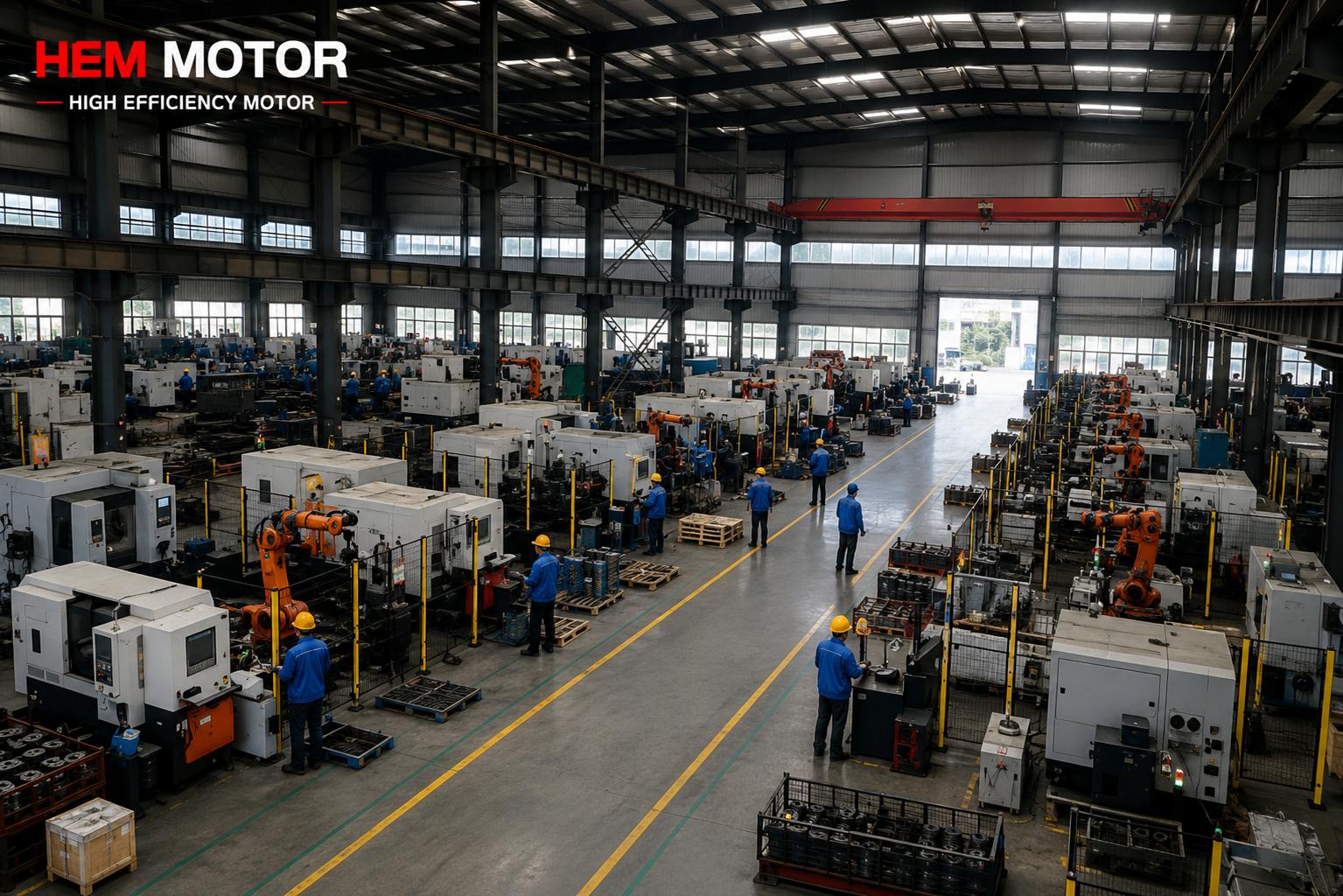

Tea and tobacco processing plants are delicate operations made up of withering, cutting, fermenting, sieving and blending the harvested leaf. Their common feature is the simultaneous presence of fine dust, moisture and aromatic vapour, which brings dust sealing and protection class to the forefront of electric motor selection. In a tea factory the withering fan, cutting machine, fermentation line and dryer; in a tobacco plant the conditioning, stripping, cutting and drying steps all run on motors with different load profiles. A fan motor with the wrong protection class can fail quickly through dust clogging and overheating. In this article we cover the critical motor groups of tea and tobacco processing (drying fan, vibrating screen, aspiration and fermentation mixer) in terms of power, speed, protection class and low-dust endurance, and list practical criteria for correct supply.
The Structure of Motor Demand in Tea and Tobacco Processing
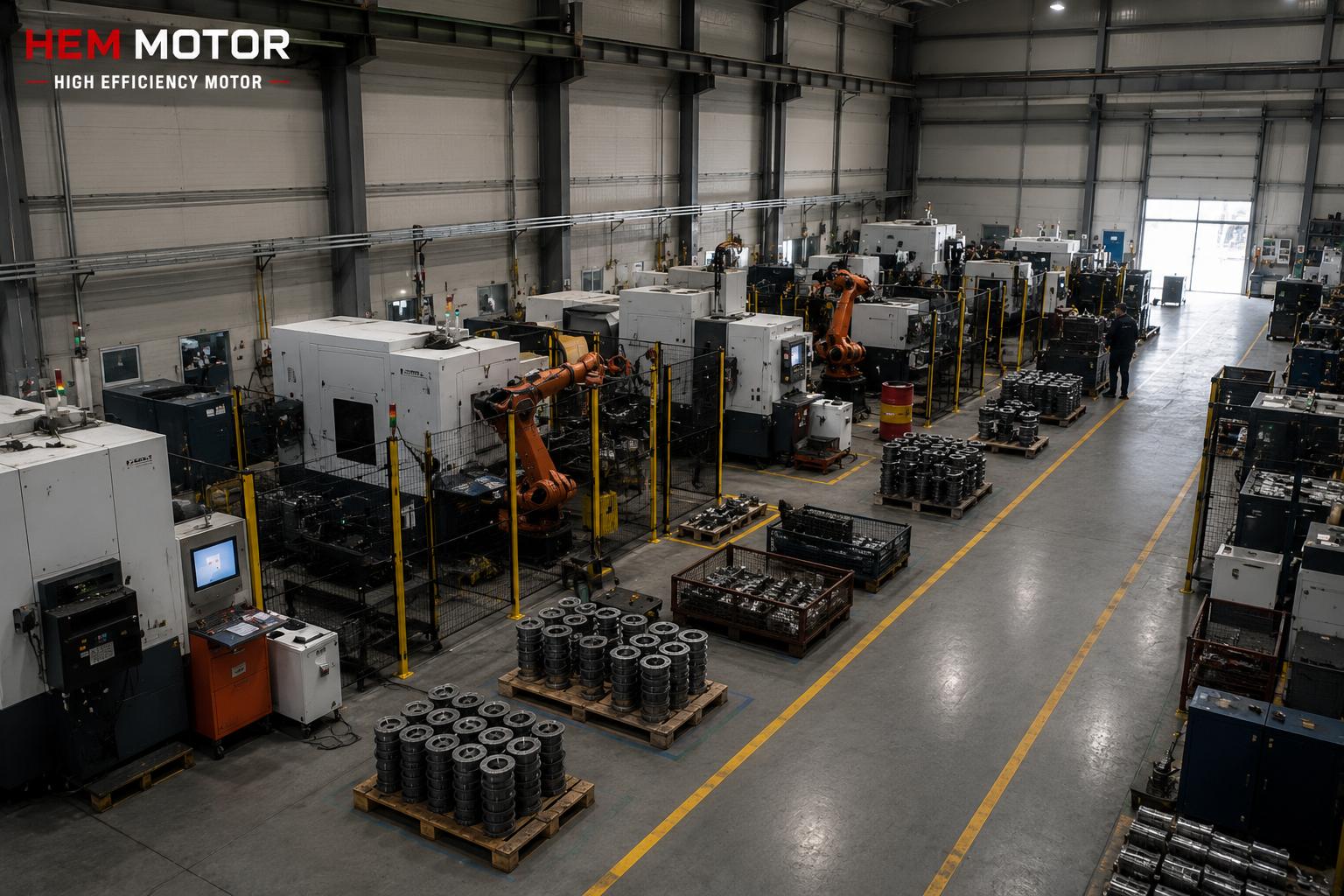
Tea processing consists of withering, rolling (cutting), fermentation, drying and sieving-grading steps. Tobacco processing covers conditioning, stripping, cutting, drying and packaging. In both sectors, most motors work in fan, screen and material-handling applications and are in constant contact with fine organic dust. This dust enters the motor's cooling fins and terminal box, causing both overheating and electrical risk. Motor selection in tea and tobacco plants therefore goes beyond power to include dust sealing, easy cleanability and surface protection. Listing a plant's entire motor inventory and keeping the most critical ratings in stock reduces downtime during the busy harvest season; we detail this logic in our critical spare motor list article.
Drying and Withering Fan Motors
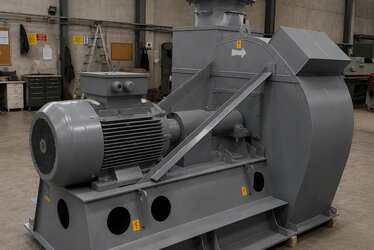
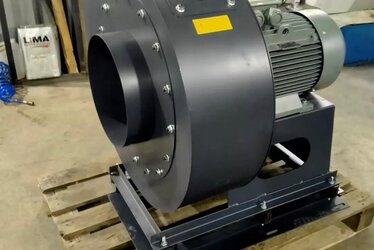
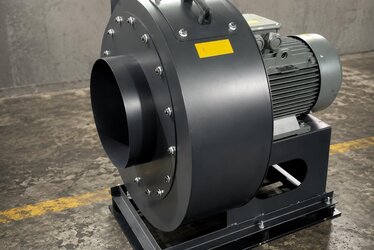
Withering the tea leaf and drying fermented tea, plus the conditioning and drying of tobacco, all require controlled hot-air flow delivered by large centrifugal or axial fans. These fan motors require continuous duty (S1) and a high protection class. Because speed directly sets airflow, the power-speed match must be precise; 2- or 4-pole motors are typical. To choose the right power by fan type, our centrifugal and axial fan motor selection article is a guide. Since the drying line runs continuously, high-efficiency electric motors are preferred on fan drives to cut energy cost; on main fans under continuous heavy load, IE4 electric motors make annual savings significant.
Vibrating Screen and Grading Motors
Dried tea and cut tobacco pass through vibrating screens to be separated by size. Here the motor drives an eccentric or vibration mechanism and works under a constant vibrating load. Vibrating load stresses bearing life and frame strength, so a cast iron frame and reinforced bearing design are preferred. Since speed affects screening efficiency, it should be matched to the manufacturer's recommendation. You can review the effect of vibrating load on motor selection and frame-bearing endurance in our vibration motor selection article.
Aspiration and Dust Collection Fan Motors
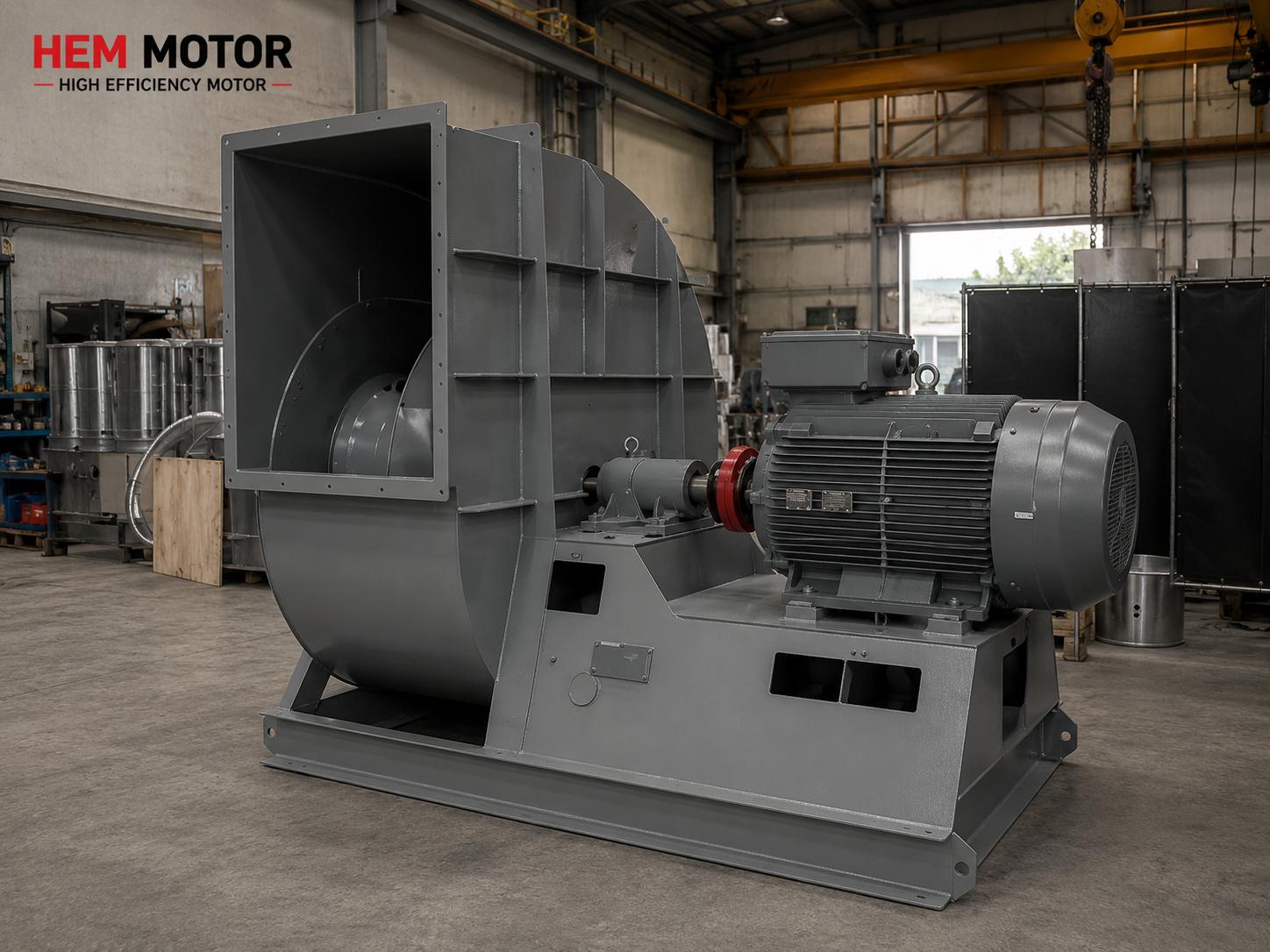
One of the most critical issues in tea and tobacco processing is removing fine dust from the environment. Aspiration and dust collection (filter) systems both reduce product loss and are mandatory for worker health and fire safety. At the heart of these systems are continuously running, high-protection fan motors. In an organic-dust environment, protecting the motor itself against dust ingress and keeping its cooling fins clean is essential. To size the aspiration line correctly, our aspirator and dust collection fan motor selection article gives the core criteria. To set the right class where high protection is needed, see our IP protection class selection content.
Fermentation Mixer and Agitator Motors
In black tea production, fermentation is the controlled oxidation of the leaf, and some lines use mixing-turning mechanisms. Tobacco blending and conditioning steps also involve agitator and mixer motors. Since speed is reduced to obtain high torque, the motor usually works with a gearbox. For correct output speed and torque, worm gear reducers suit light-to-medium loads, while helical worm gear reducers serve agitators needing higher torque. IEC frame and flange matching of the motor to the gearbox is critical; for B5 flange, B3 foot or B35 combined selection based on the machine, see our electric motor mounting types page.
Low-Dust Environment, IP Protection and Insulation Criteria
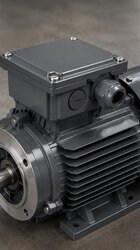
The most decisive criterion in tea and tobacco plant motor selection is fine organic dust. When dust enters the motor, it disrupts cooling and stresses winding insulation. At least IP55 protection is therefore preferred in dusty zones, with higher classes at critical points. Dust buildup clogs the cooling fins and heats the motor; regular cleaning and the right frame reduce this risk. To evaluate frame and insulation class together for hot, dusty environments, our motors in hot and dusty environments article helps. Since ambient temperature rises in drying and fermentation zones, class F insulation provides standard protection while class H extends life at continuous high-heat points. Continuous fan and aspiration motors need S1 duty, while intermittent feeding and dosing motors suit other classes; use our duty type (S1-S6) selection guide for correct classification.
Supply and Seasonal Planning
Tea plants reach their busiest pace during the leaf harvest season, when a single motor failure can halt the entire line. Keeping spares at critical points such as the main dryer fan, main aspiration fan and screening motor is therefore a smart investment. Providing accurate information speeds up bulk quotations; you can find what to prepare in our information to provide when requesting a quote article. For agricultural processing plants planning pre-season stock, the approach in pre-season stock planning for agricultural machinery can also be adapted. If you are replacing an existing motor one-to-one, the steps in nameplate matching to avoid the wrong motor eliminate the risk of receiving the wrong product.
Power, Speed and Pole Selection: Which Motor for Which Machine?
The power and speed of motors on a tea and tobacco line vary from machine to machine. Cutting and rolling machines need high torque at medium speed; drying and aspiration fans provide balanced airflow at higher speed; vibrating screens and feed belts run at low speed with high torque. Choosing the right pole count is therefore decisive for both efficiency and machine life. We compared which application suits 2-, 4-, 6- and 8-pole motors in our asynchronous motor pole selection article. We cover the advantage of 6- and 8-pole motors in lower-speed, quiet, high-torque applications in our 6- and 8-pole low-speed motor selection content. It is also worth accounting for the fact that an asynchronous motor's actual speed is slightly below the rated value due to slip; this difference affects fan and belt flow.
Power Calculation for Fan and Belt Motors
The motor power of drying and aspiration fans is set by target airflow and pressure; that of feed belts by the product weight carried and belt speed. A wrongly sized fan motor either provides inadequate airflow or runs inefficiently at constant low load. To calculate the right power, our motor power calculation article explains the kW needed for pumps, fans and conveyors step by step. Since feed and transport belts reduce speed to obtain high torque, choosing the right gearbox ratio directly sets the output speed; IEC frame and flange compatibility is critical in geared motor selection.
Energy Efficiency and Maintenance Economics
Since tea and tobacco plants run intensively during the harvest season, the energy cost of continuously turning fan and aspiration motors makes up a significant share of total cost. Switching to high-efficiency motors gives quick payback, especially at these continuously running points; we examine the effect of replacing an old motor with a more efficient one on annual consumption in our total cost of ownership (TCO) article. In a dusty environment, dust accumulating on the motor's cooling fins causes overheating and efficiency loss, so regular cleaning and periodic inspection are essential. You can find the maintenance schedule in our electric motor maintenance and periodic check schedule article. We detail the causes of early failure and understanding quality at purchase in our electric motor lifespan and early failure causes content. A correctly selected and regularly maintained motor runs uninterrupted throughout the season, preventing production loss.
A Purchasing Checklist for Selecting the Right Motor
Supplying the right motor in a tea or tobacco processing plant is critical for uninterrupted production throughout the season, so a few basic pieces of information should be clarified before purchase. First, define the application type: is a drying fan, aspiration fan, vibrating screen or mixer being driven? Each application requires a different power, speed and duty type. Then assess the dust density and cleaning method of the environment; fine organic dust is the most decisive factor in protection class selection. At least IP55 is preferred in dusty zones, with higher classes at very dusty points. Third, check the mechanical connection: are the motor's mounting type, shaft diameter and key size compatible with the machine? Applications such as vibrating screens need a reinforced bearing design. If replacing an existing motor, matching the nameplate one-to-one eliminates the risk of the wrong product. Finally, review the efficiency and regulation side; on continuously running fan and aspiration motors, a high efficiency class both lowers energy cost and complies with current requirements. We examine the efficiency class mandate and which power requires which class in our IE3 and IE4 efficiency mandate article. By following this checklist, you both select the right motor and speed up the quote process.
Frequently Asked Questions
Which IP protection class is needed in a tea and tobacco plant?
At least IP55 protection is recommended in areas dense with fine organic dust; higher classes may be preferred at very dusty sieving and cutting points. When dust enters the motor, it disrupts cooling and stresses the winding. Clarifying your cleaning method and dust density and requesting the protection class accordingly directly extends motor life.
How many poles should a drying fan motor have?
Drying and withering fans usually use 2- or 4-pole motors; the correct choice is the speed the manufacturer sets based on target airflow and pressure. A 2-pole (high-speed) motor may suit points needing higher airflow, while a 4-pole motor suits more balanced, quieter applications. If replacing an existing fan, matching the power, speed and mounting type on the nameplate one-to-one is the safest route.
What should I watch for in a vibrating screen motor?
Vibrating screens run the motor under a constant vibrating load, which stresses bearing life and frame strength. A cast iron frame and reinforced bearing design are therefore preferred. Since speed directly affects screening efficiency, follow the manufacturer's recommended value and make sure the motor is selected to suit the vibrating load.
Get a Quote
If you want to supply drying fan, vibrating screen, aspiration and mixer motors for your tea or tobacco processing plant with the right power, speed, protection class and dust endurance, our team is here to help. Share your requirement list and we will prepare a fast, accurate quote. Call us at +90 (532) 345 49 86 or reach us through our contact page.