English
 Türkçe


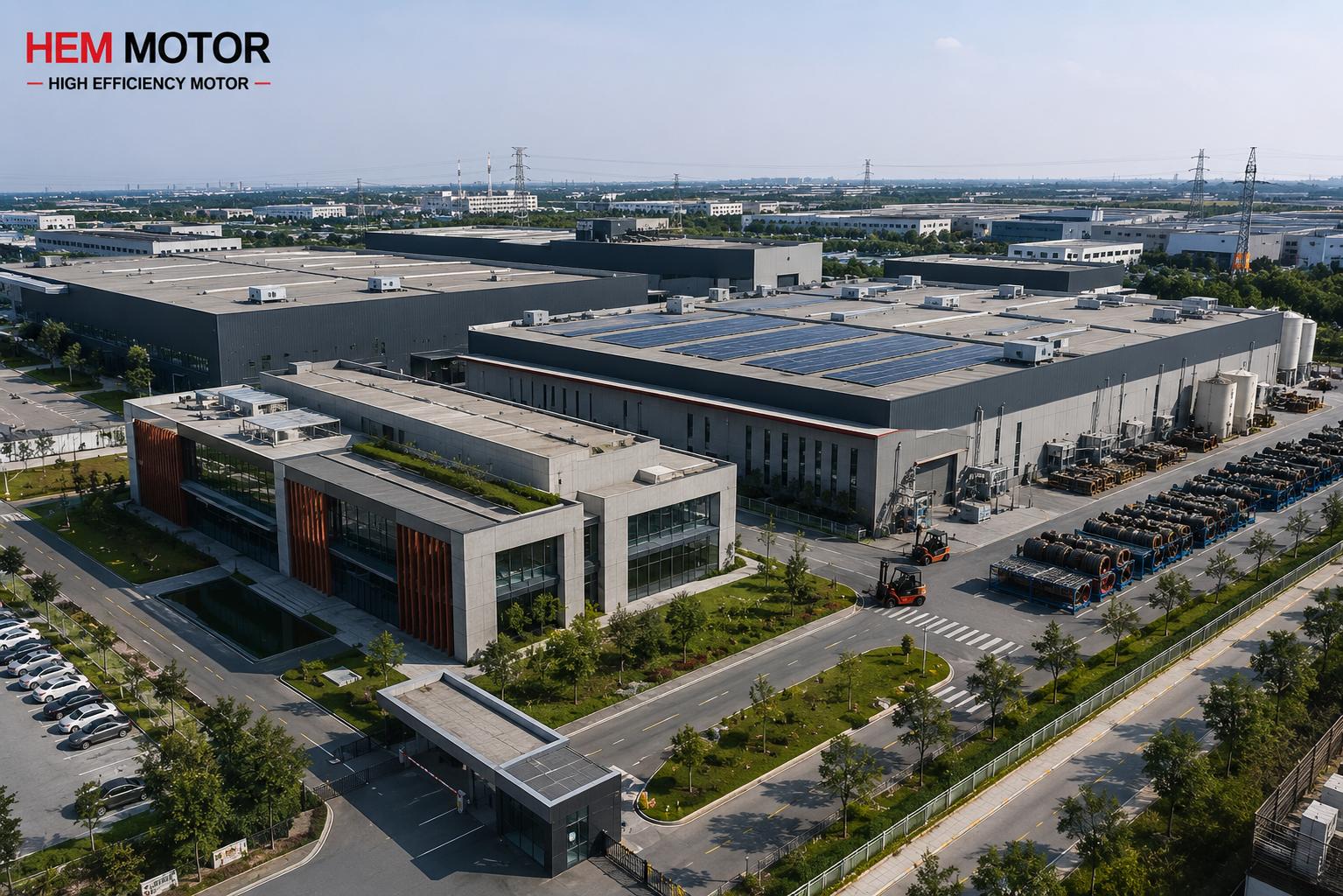

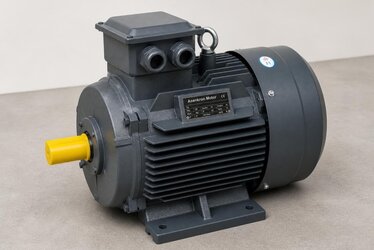
Paper and textile factories are, by the nature of their production, facilities that run 24/7 without interruption. A paper machine or a spinning line turns without stopping all day; this continuous process puts two things front and centre in motor selection: energy savings at high operating hours and the reliability of uninterrupted operation. IE4 super premium efficiency motors are a strong solution that meets both needs together. In this article we cover IE4 motor supply for paper and textile lines in continuous processes under the headings of savings at high operating hours, continuity and reliability, line drive synchronization, control with a VFD and spare supply. Although we describe a sector application, our focus is the core IE4 motor selection and continuous process requirements.
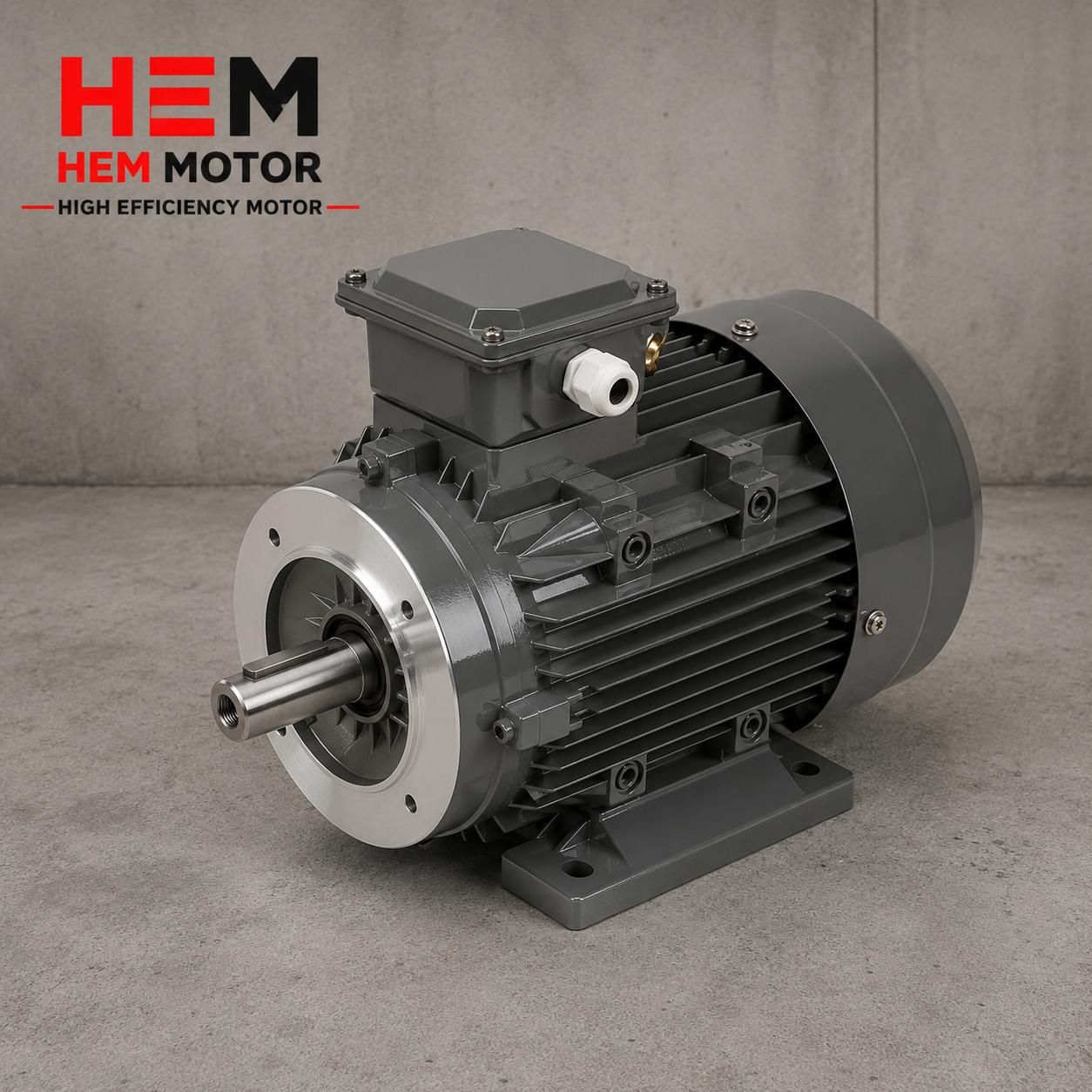
Why IE4 in a Continuous Process?
Most of a motor's lifetime cost is not the purchase price but the electricity it consumes. In a facility running 24/7, a motor runs close to about 8,000 hours a year; at such high operating hours, even a small difference in efficiency class turns into noticeable savings on the annual bill. IE4 motors do the same job with less electricity by reducing iron, copper and friction losses. We explained where losses are reduced in our efficiency losses in IE4 motors article.
In facilities with high operating hours, the payback of an IE4 investment is fastest, because savings accumulate every hour. We covered the investment decision between IE3 and IE4 in our IE4 transition decision and IE3 vs IE4 investment articles. For total cost of ownership, the how to calculate TCO content is a guide.
Regulation and the Efficiency Mandate
In high-power, continuously running motors, efficiency is no longer just an economic choice but also a regulatory matter. In certain power ranges and from certain dates, motors are required to be of a minimum efficiency class; this makes selecting the correct efficiency class even more critical when building a new line or renewing an existing one. We compiled which power requires which class from which date in our IE3 and IE4 efficiency mandate article. To correctly read the efficiency label and the MEPS regulation, we recommend our motor efficiency label and MEPS content.
In a continuous process, efficiency is also a competitive advantage. In the paper and textile sectors, where energy cost is high, reducing the energy consumption per unit of production directly lowers the product cost. Therefore, the move to an IE4 motor should be evaluated for both regulatory compliance and cost competitiveness. For energy management and investment prioritization, the ISO 50001 and motor efficiency article is a guide.
Continuity and Reliability: The Cost of Downtime
In a continuous process, the biggest hidden cost is unplanned downtime. An unexpected failure of a motor on a paper or textile line causes not only that motor but the whole line to stop; this means lost production, scrap and restart time. For this reason, in continuous process motors, reliability is as important as efficiency. Because IE4 motors generate fewer losses, they heat less; a lower winding temperature extends insulation life and reduces failure risk. Because a motor in a continuous process runs almost the entire year, even a small difference in reliability turns into a large difference in downtime over the year. Therefore, the purchasing decision should evaluate not only efficiency but also the motor's quality markers: bearing quality, winding copper ratio, frame strength and production tolerances. We covered the difference between copper and aluminium windings in our copper and aluminium winding difference article.
At the heart of reliability lie quality bearings, a solid frame and correct insulation. Continuously monitoring winding temperature prevents early failure; we covered temperature monitoring with PT100 and PTC thermistors in our motor temperature monitoring article. You can find the effect of insulation class on life in our winding and insulation class F/H article and early failure causes in our motor life and early failure causes content.
Duty Type: Continuous S1 Operation
Continuous process motors typically run in S1 duty type, that is uninterrupted at full load. This regime requires the motor to be designed to withstand continuous heating. Standard IE4 motors are designed for S1 continuous operation and offer high-temperature endurance with class F insulation. Read our duty type S1-S6 selection article for correct duty type selection.
In textile lines, the environment is usually hot, humid and fibre-dusty; these conditions affect the motor's cooling and protection. We covered frame and insulation selection in hot and dusty environments in our motor in hot and dusty environment article. Specifically for weaving and knitting textile machines, the weaving and knitting textile machine motor selection content is a guide.
Line Drive Synchronization
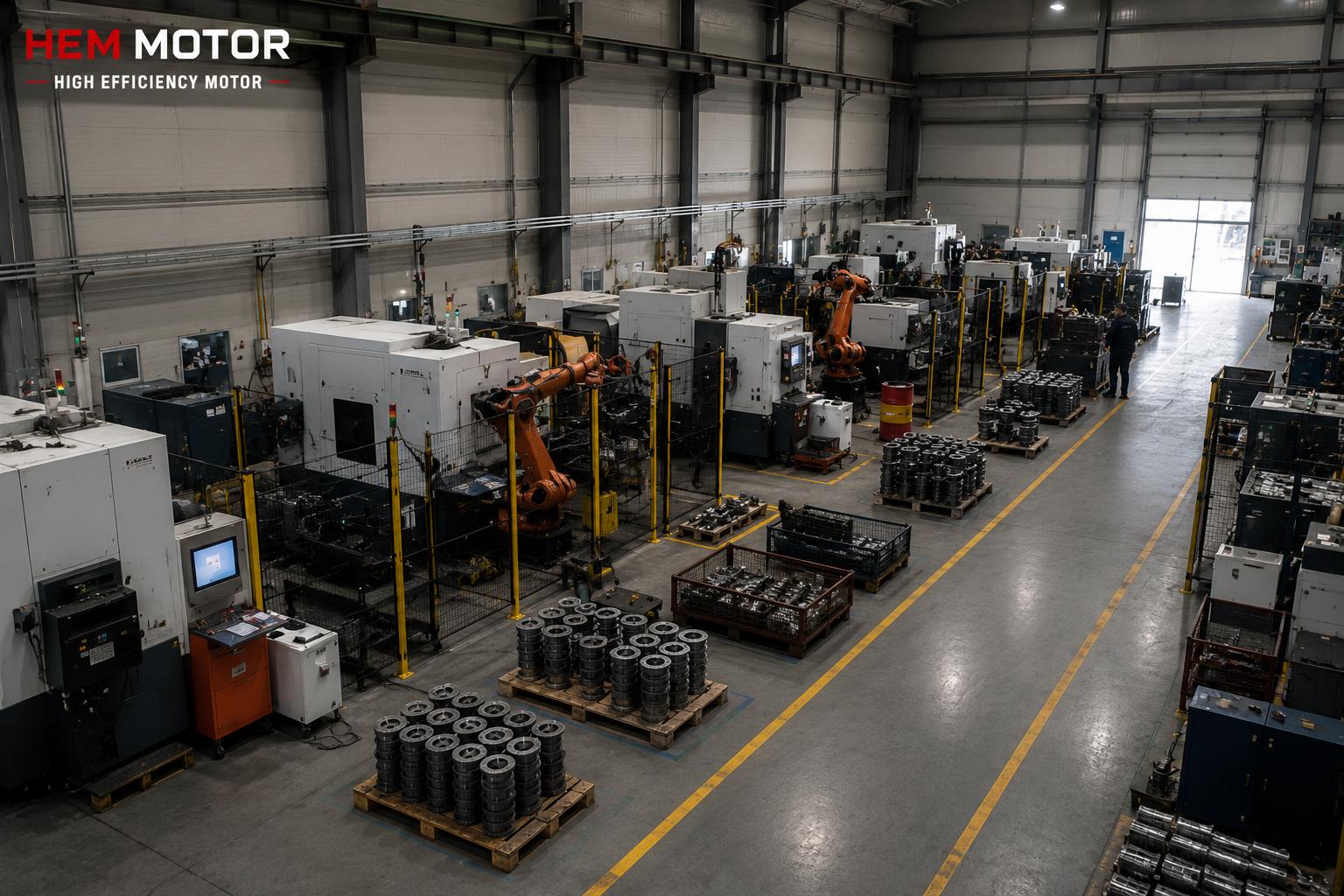
The most critical technical requirement of paper and textile lines is that multiple drive motors run in synchronization with one another. On a paper machine, the speeds of the rolls must be matched to keep paper tension constant; otherwise the paper tears or wrinkles. Likewise, in spinning and weaving lines, tension control directly determines product quality. This synchronization is provided by variable frequency drives (VFDs) and a central control system. In practice, each drive point has its own drive, and the drives work in harmony with one another by following the line's reference speed. In some sections, tension is controlled in a closed loop with dancer arm or load cell feedback; so the material tension stays constant even as the line accelerates or decelerates. This precise control requires the IE4 motors to run smoothly with the VFD.
You can find the working logic of an asynchronous motor with a VFD in our VFD with asynchronous motor article. Review whether constant or variable torque is needed in a variable-speed application in our motor selection in variable-speed applications content; line drives are mostly of constant-torque character. We covered the role of correct speed selection in reducing yarn breakage in textile plants in our motor renewal in textile plants article.
Speed and Efficiency Control with a VFD
In a continuous process, a VFD is used not only for synchronization but also for efficiency. When the line speed changes according to product type, motors run to demand rather than at fixed speed; this prevents unnecessary energy consumption. In addition, a VFD provides a soft start, so the strain caused by starting current is reduced and the life of mechanical transmission elements is extended. We compared soft starting methods in our star-delta or softstarter article.
You can find the efficiency gain an IE4 motor provides together with a drive in our IE4 motor gearbox combination article and efficiency at partial load in our part and low load efficiency content. For the additional savings provided by the affinity law on pump and fan auxiliary drives, we recommend our VFD savings with the affinity law article.
Spare Motor Supply and Stock Planning
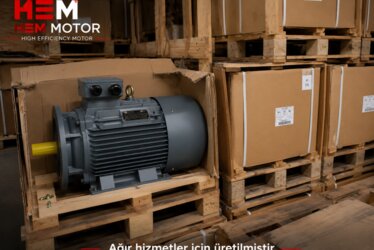
In a continuous process, spare motor supply is not a luxury but a necessity. When a motor at a critical point on the line fails, a spare of the same power and connection coming into service quickly limits the downtime to hours; without a spare, downtime can extend to days. Therefore, keeping critical powers in stock must be planned. We covered which powers to keep in stock in our critical spare motor list article.
In facilities running three shifts, managing the motor fleet requires a separate discipline; the motor fleet management in three-shift facilities content is useful here. For exact replacement in an emergency, read our emergency replacement and exact swap and nameplate matching articles. You can find the difference between stock delivery and production order in our stock delivery vs production order content.
Supply Points Specific to Paper and Textile Lines
We covered the continuous line and torque requirement in paper and packaging factories in our paper and packaging factory motor selection article and the pulp and cellulose side in our pulp and cellulose mill motors content. For corrugated cardboard and box production, the corrugated cardboard and box factory motors article gives comprehensive information.
On the textile side, we recommend the textile and spinning machinery motor requirement list for spinning machines and the textile dyehouse and finishing plant motors content for dyehouse and finishing lines. For supply to the Denizli and Aegean textile region, the motor supply to the Denizli and Aegean textile industry article is a guide. You can review our product range on the IE4 electric motors and high efficiency electric motors pages, and reach other categories via our HEM Motor home page.
Frequently Asked Questions
Why is IE4 particularly recommended in a continuous process?
Because in a facility running 24/7, a motor runs up to about 8,000 hours a year. At such high operating hours, even a small difference in efficiency class turns into large savings on the annual bill and the IE4 investment quickly pays for itself. In addition, an IE4 motor heats less, which increases reliability in continuous operation.
How is the synchronous operation of line motors achieved?
Multiple drive motors are synchronized to one another with variable frequency drives (VFDs) and a central control system. This synchronization keeps paper or yarn tension constant, preventing tearing and wrinkling. Correct speed and tension control directly determines product quality.
Is keeping a spare motor mandatory?
For powers at critical points in a continuous process, it is strongly recommended. A spare of the same power and connection limits downtime to hours in the event of a failure; without a spare, downtime can extend to days and production loss becomes very large. Therefore, preparing a critical spare motor list is a sound investment.
Get a Quote
If you would like support in IE4 motor selection, line synchronization, control with a VFD and critical spare planning for your paper or textile line, get in touch with us. If you share the line type, powers, speeds and operating regime, we will determine the most suitable solution together. You can reach us at +90 (532) 345 49 86 or send your request via our contact page.
Purchasing and Selection Checklist
- List the power, speed and connection details of all drive points on the line.
- Clarify the operating regime (continuous S1) and annual operating hours.
- Select the IE4 efficiency class for savings at high operating hours.
- Plan a VFD and central control for synchronization and tension control.
- Determine the protection and insulation class according to environmental conditions (hot, humid, dusty).
- Add winding temperature monitoring (PT100/PTC) to prevent early failure.
- Create a spare motor stock and exact-replacement plan for critical powers.
- Record nameplate data in advance for fast matching in an emergency.