English
 Türkçe

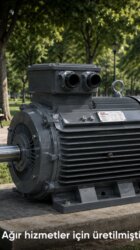
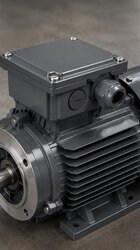
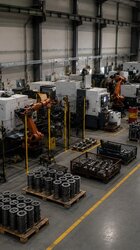
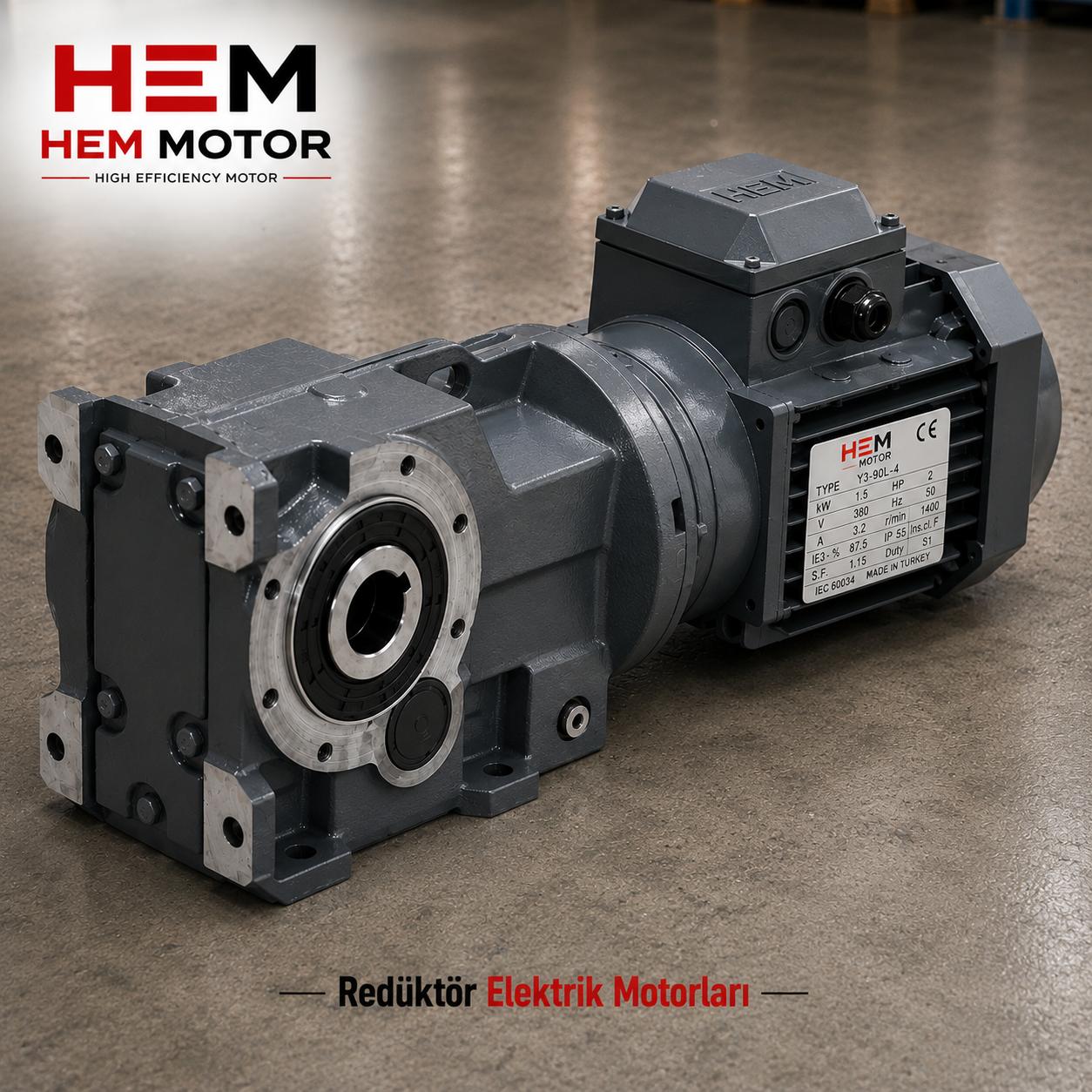

Fertilizer and lime plants operate in one of the harshest working environments for electric motors: dense dust, abrasive and corrosive powders, heavy-duty loads and continuous operation all come together. From the drum of the granulation unit, to the high-torque crushing of the mill and grinder; from the elevators and conveyors moving material to the fans and extractors managing dust, every stage turns with an electric motor. In this environment, a wrong IP protection class or a weak body leads to early motor failure and costly downtime. In this article we cover motor selection for fertilizer and lime plants step by step: granulation, grinder/mill high torque, dusty-environment IP65/IP66 protection, corrosion protection and heavy duty. As HEM Motor, we supply heavy-duty motors quickly from manufacturer stock.
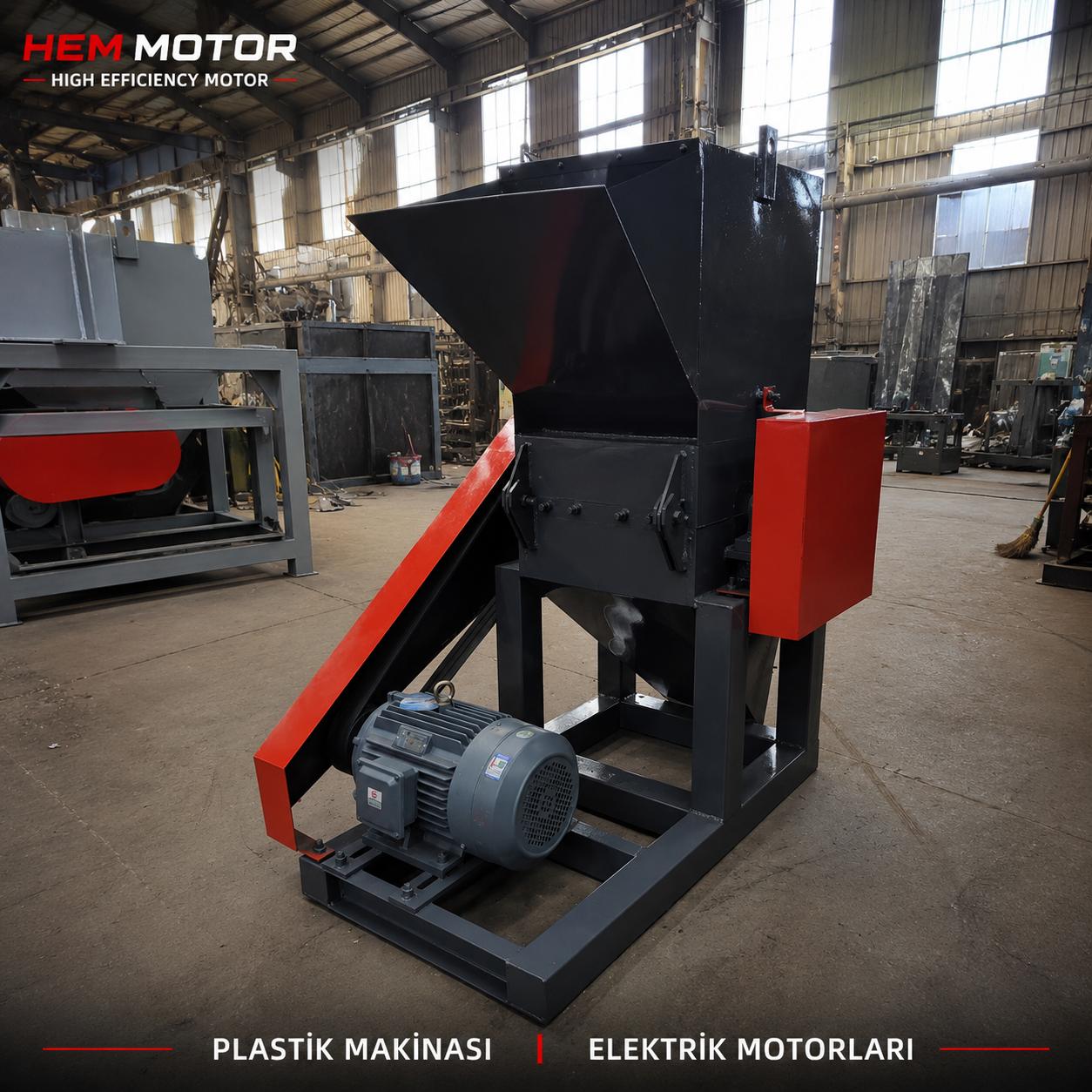
Motorized Equipment in a Fertilizer and Lime Plant
The main motor-driven equipment includes: granulator (granulation drum/disc), mill and grinder (raymond, hammer, ball), mixers, elevators and conveyors, screening (vibration) units, dryer drum drive, fans and extractors, and feed pumps. The common feature of these plants is high torque and dense dust. For similar dusty/heavy-duty plants, our gypsum and plasterboard factory motors and brick and roof tile factory motors articles are complementary.
Granulator (Granulation) Motor
The granulation drum or disc turns slowly and powerfully to form fertilizer into granules. Moving a full load needs high starting torque, which means a reducer and a sturdy body. A 1400 rpm motor is reduced to low speed with a helical-bevel reducer. The granulation environment is full of humid and corrosive fertilizer dust, so corrosion-resistant cast iron body electric motors and cataphoresis protection are recommended. For corrosion protection, see our cataphoresis protection on cast iron motors article.
Grinder and Mill Motor: High Torque
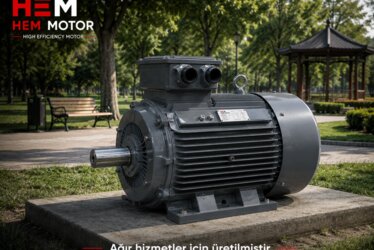
Limestone and fertilizer raw material are crushed in the grinder/mill. These equipment need high starting torque, an impact load and continuous full load. They usually run with 4-pole (1500 rpm), 11 kW to 90 kW and above, cast iron heavy-duty motors. At high power, the starting method (star-delta, soft starter) matters. For high-torque grinding, our mine and ore mill high-torque motors and, for kW selection, crusher motor kW selection articles are directly relevant. For impact-load management, see impact load, flywheel and inertia in motors.
Elevator, Conveyor and Screening Motors
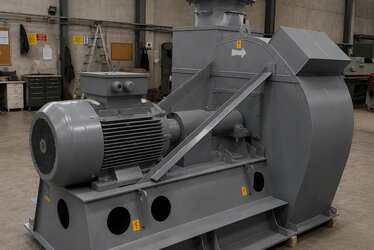
Elevators and conveyors are used to move material, and vibrating screens for classification. conveyor belt electric motors are suitable for heavy duty and dusty environments. The vibration and dust in screening and feeding units bring IP protection to the foreground in motor selection. For a crushing/screening-like dynamic, our screen and feeder motors in a crushing-screening plant article is useful.
Dusty Environment and IP65/IP66 Protection
Fertilizer and lime dust is very fine and abrasive; if it enters the motor it insulates the windings, blocks cooling and abrades the bearings. Therefore IP65 (full dust protection + pressure water) is recommended in these plants, and especially IP66 at very fine-dust, washed points. IP54/IP55 may be insufficient for the standard environment. We explained the importance of IP sealing in dusty environments in our dust sealing and IP65/66 on crusher motors article. You can find the difference between IP classes in general in our IP protection class selection article.
Corrosion Protection and Heavy-Duty Body
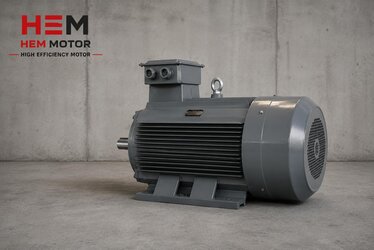
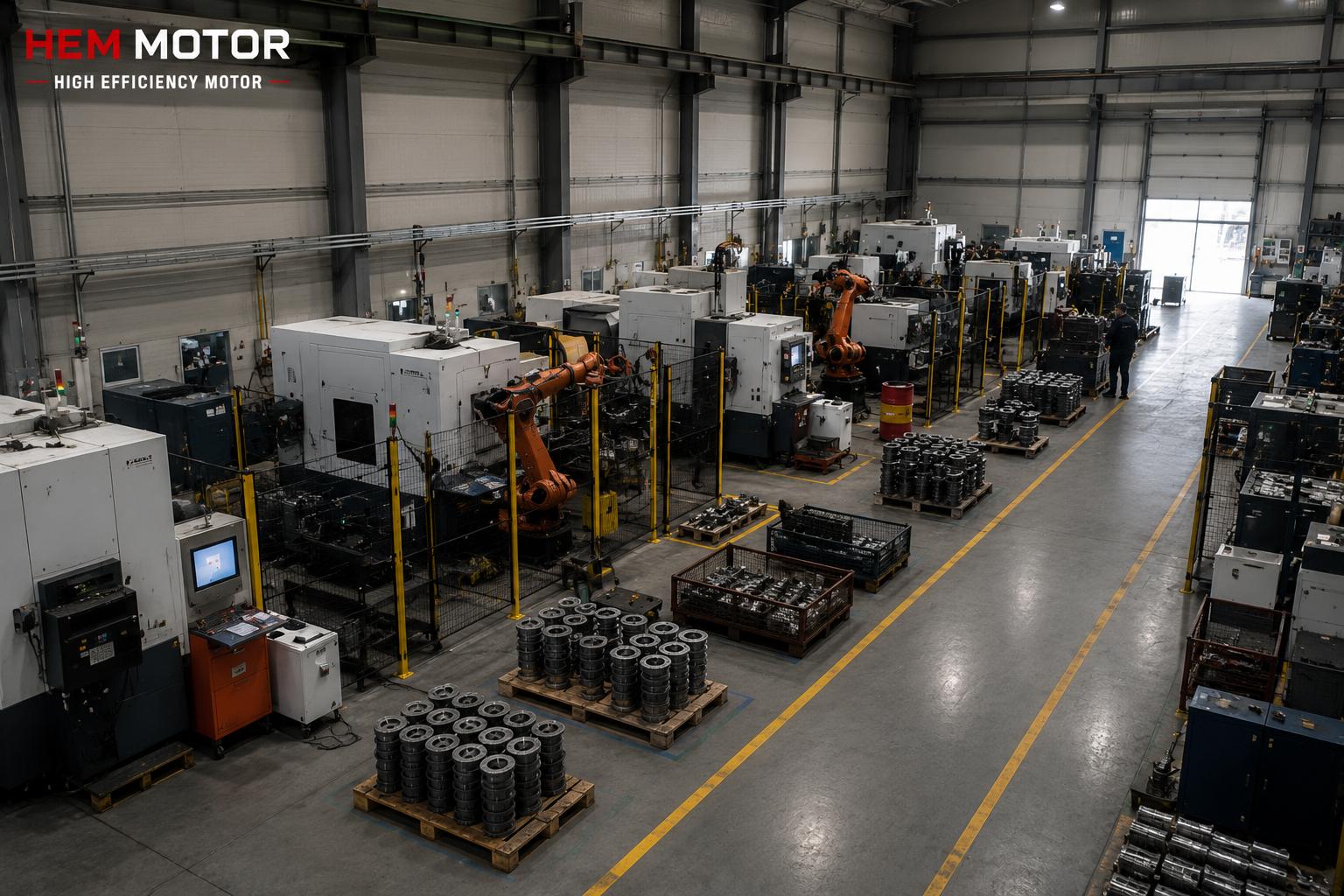
Fertilizer dust (especially nitrogenous and phosphate) is corrosive; the lime environment is alkaline and abrasive. The motor body must be corrosion-resistant, with cataphoresis/epoxy paint and a well-sealed terminal box. For motors working outdoors or in humid environments, our corrosion and open-field use on cast iron motors and motor protection in quarries and mines articles summarize the critical criteria. A cast iron body is standard in this application due to its resistance to impact and vibration; our cast iron vs aluminum body article helps you decide.
Duty Type S1 and Continuous Full Load
Fertilizer and lime plants mostly run at continuous full load. Selecting motors with S1 continuous duty and correctly sized prevents overheating and winding burnout. Cooling is also critical under continuous full load; when dust accumulation clogs the cooling fins, the motor heats up. For duty type selection, see our S1-S6 duty type and, for protection, motor protection devices articles.
Speed, Pole and Power Selection
- 4-pole / 1500 rpm: Grinder, mill, conveyor, general heavy-duty drive (most common).
- 4-pole + reducer or 6-pole: Granulation drum, dryer drum, slow mixers.
- 2-pole / 3000 rpm: Fans, extractors and high-speed pumps.
Power typically ranges from 2.2 kW to 22 kW for conveyors/elevators, 11 kW to 90 kW and above for grinders/mills, and 4 kW to 45 kW for fans/pumps. For starting and lead-time planning at high power, our IE4 high-efficiency electric motors and, for mining-like heavy duty, our mining sector electric motor ranges are suitable.
Purchasing and Selection Checklist
- Are the reducer type, ratio and output speed defined for the granulator and dryer drum?
- Are high starting torque and the right kW selected for the grinder/mill?
- Is the protection class IP65 (IP66 at very fine-dust/washed points) selected?
- Are cast iron body, cataphoresis/epoxy corrosion protection and a sealed terminal box requested?
- Is S1 continuous full-load duty confirmed?
- Is the starting method (star-delta/soft starter) planned at high power?
- Is a maintenance plan made for cooling fins against dust accumulation?
- Are stock and lead time confirmed?
Mounting Type and Heavy-Duty Mechanical Compatibility
In a fertilizer and lime plant, grinders and mills are usually driven by belt-pulley or coupling, so a B3 foot motor is used; the granulator and dryer drum connect to the reducer with a flange (B5/B35). On large-power bodies, shaft diameter, key and coupling compatibility is critical; a wrong shaft/key stops installation in the field. For flange and mounting types, see our B35 flange electric motors and B3 mounted electric motors pages. For the heavy-duty range, review our mining sector electric motor category.
Starting Method and High-Power Supply
On grinder and mill motors above 11 kW, direct-on-line (DOL) starting creates high inrush current and strains the grid. Therefore soft starting with star-delta or a soft starter is preferred; on impact and high-inertia loads, the flywheel effect is also taken into account. For high-power motors, the lead-time, shipping and commissioning plan must be made in advance. Correctly sizing heavy-duty motors that run at continuous full load prevents overheating and winding burnout.
Maintenance, Dust Accumulation and Energy
In a dusty environment, dust accumulating on the cooling fins causes the motor to overheat; regular cleaning and the correct IP protection are essential. Bearing lubrication and temperature monitoring (PT100/thermistor) significantly extend the life of a heavy-duty motor. On continuously running grinders and fans, the IE3/IE4 efficiency class reduces high energy consumption and ensures compliance with the efficiency regulations in force. As HEM Motor, we keep dusty-environment-ready, corrosion-protected heavy-duty motors ready in stock.
Bearings, Bearing Life, Impact and Dust
Grinder and mill motors run under impact load and dense dust; this seriously strains bearing life. Impact and vibration tire the bearing, and dust mixing into the grease accelerates wear. Therefore motors with heavy-duty bearings, balanced rotors and good sealing are preferred. Oil seal and labyrinth sealing extend bearing life by preventing dust ingress. On heavy-duty motors running at continuous full load, a bearing check and lubrication schedule reduce unexpected downtime and costly failures.
Terminal Box Sealing, Grounding and Commissioning
In a dusty and corrosive fertilizer/lime environment, terminal box sealing is critically important; fine dust and moisture ingress cause a short circuit. A suitable cable gland, gasket and IP66 terminal box protection should be selected. Grounding is essential for safety on heavy-duty equipment. In three-phase motors, the correct phase sequence determines the rotation direction. During commissioning, insulation resistance (megger) measurement, drying out motors that have waited a long time, and first-start checks (direction, current, temperature) should be done.
Correct Sizing, Load Ratio and TCO
Correctly sizing heavy-duty grinder and mill motors determines both energy cost and failure risk. An oversized motor increases the initial investment and the efficiency loss at low load ratio; a too-small motor means continuous overload and early failure. The ideal load ratio is the 75-90% band of the rated power. In the total cost of ownership (TCO) calculation, energy consumption, maintenance and downtime cost matter as much as the purchase price; on continuously running heavy-duty motors, the IE3/IE4 efficiency class provides serious long-term savings.
Supply Process, Lead Time and High-Power Planning
In fertilizer and lime plants, grinder and mill motors are often high-power; the lead-time, shipping and commissioning plan for these motors must be made in advance. The spare motor needs of critical equipment should be identified and the most used powers kept in stock. On high-power motors, the shipping and lifting (handling) plan is also important due to weight. Delivery from manufacturer stock is much faster than a production order. For an accurate quote, the equipment list, IP protection and corrosion request, existing nameplate data and delivery address should be shared. In a dusty environment, insulation should be checked and terminal box sealing verified before commissioning.
Spare Motor and Downtime Cost Management
In a fertilizer and lime plant, the failure of a grinder or granulator motor can stop the whole line and create a high downtime cost. Therefore keeping spare motors in critical powers is a standard practice in heavy-duty plants. The spare motor list prioritizes the powers with the highest failure risk and the longest supply time. On dusty-environment motors running at continuous full load, periodic maintenance, temperature monitoring and the right protection devices reduce unplanned downtime. As HEM Motor, we minimize downtime by keeping critical powers ready in stock.
Frequently Asked Questions
Is IP55 enough in a fertilizer/lime plant, or is IP65/IP66 a must?
In these plants the dust is very fine and abrasive; IP55 is insufficient at most points. IP65 is recommended as standard; IP66 should be preferred at very fine-dust and pressure-washed points. The right IP prevents dust ingress into the motor and prevents early failure.
Why is high starting torque needed on the grinder motor?
The mill and grinder start under full load and impact conditions. Insufficient starting torque strains the motor and draws excessive current. Therefore a high-torque motor and a suitable starting method (star-delta or soft starter) are selected.
How is the motor body protected against corrosive fertilizer dust?
Protection is provided with a corrosion-resistant cast iron body, a cataphoresis or epoxy paint layer and a sealed terminal box. Outdoors or in humid environments, these measures significantly extend motor life.
Heavy-Duty Supply with HEM Motor
For fertilizer and lime plants we ship dusty-environment-ready, corrosion-protected and heavy-duty motors quickly from stock. For shipping to surrounding provinces, see Konya and Central Anatolia supply, and for the information needed before a quote, our information to provide when requesting a quote article. For the difference between stock and production order, our stock delivery vs production order article guides you.
Get a Quote
Share your plant machine list, the nameplate data of your existing motors (kW, speed, frame, mounting type) and your delivery address; we will supply the most suitable motor from manufacturer stock with fast delivery. For an up-to-date, clear quote instead of a fixed price, contact us at +90 (532) 345 49 86 or through our contact page. As HEM Motor, with our identity as both manufacturer and seller, we ship the right motor in the shortest time.