English
 Türkçe


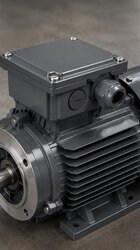
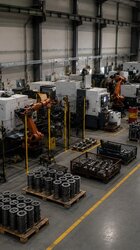
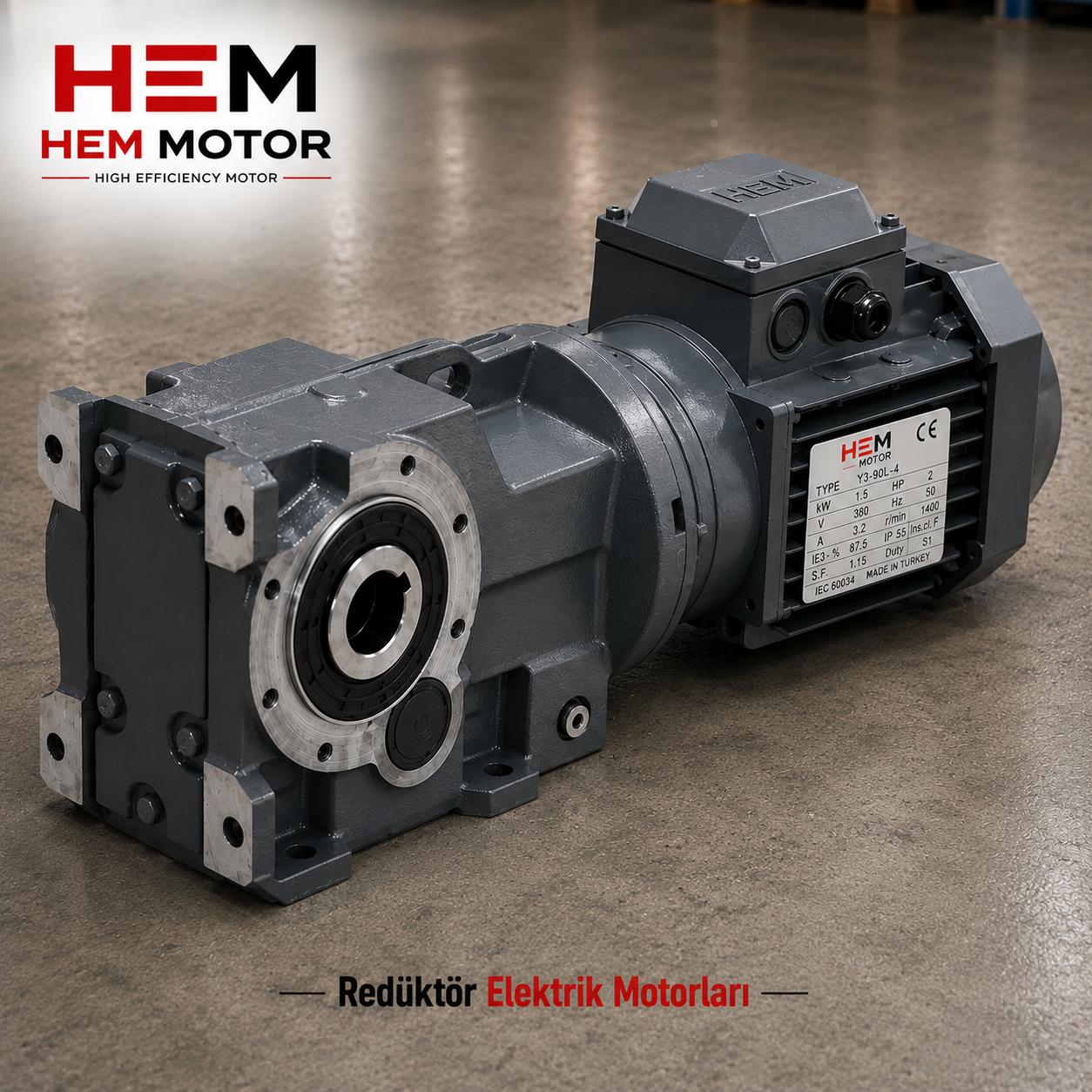

Brick and roof tile production is a process loaded with heavy torque and dense dust: clay is prepared, kneaded with water, shaped through an extruder (vacuum press), cut, dried and fired at high temperature. Throughout this chain the electric motor is decisive at every stage, from the clay extruder demanding high starting torque, to the press and cutting units, the drying and kiln fans, and the conveyor and elevator drives. Because clay is a heavy, abrasive material, the extruder and press motors require high torque and a robust body, while temperature and dust dominate in the kiln and drying zones. This article looks at the main motor groups of a brick/tile factory (clay extruder, press, cutting, drying and kiln fans, conveyor drives) from a buyer's perspective and offers a practical framework for choosing the right power, speed, protection and mounting type.
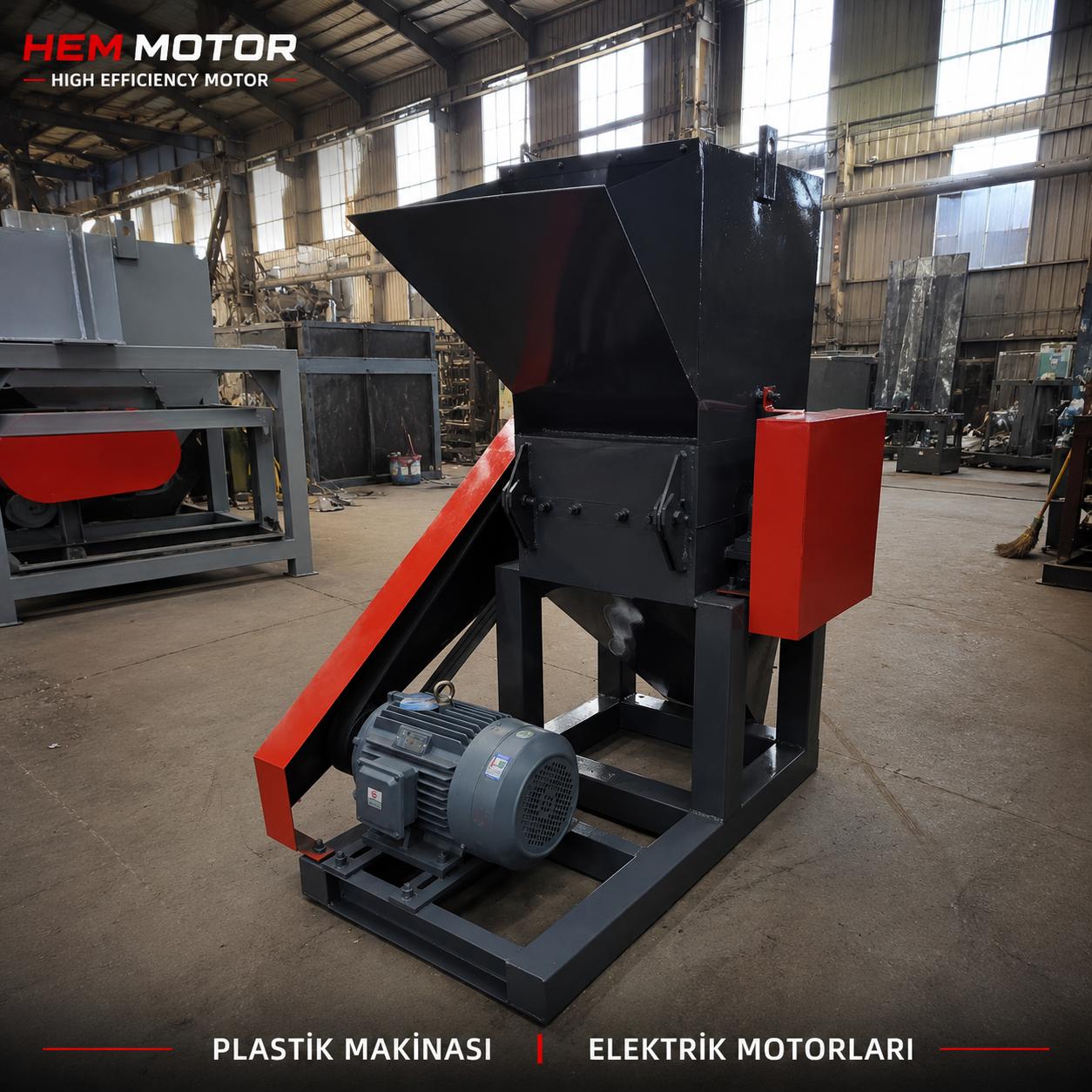
What the Motor Does on a Brick and Roof Tile Line
In a brick/tile factory, production is roughly split into four sections: raw material preparation (crushing, grinding, screening, mixing), forming (extruder/press), drying and firing (kiln). Each section requires different motor groups, but the common feature is that the material is heavy and abrasive, with high temperature and dust at many points. Motor selection is therefore a matter not only of power but also of torque character, dust protection and temperature resistance.
Typical motor groups are: the clay extruder (vacuum press) main motor, cutting and dividing units, drying and kiln fans, bucket elevator and belt conveyor drives, mixer and pan-mill (clay kneading) motors, and stacking/robot line motors. Since the duty type, speed and torque requirements of these groups differ greatly, equipping the line with a single motor type is not the right approach. The right approach is to evaluate the load, starting behaviour and environment of each drive separately.
Another feature of a brick plant is the uninterrupted flow of the process: when the extruder and kiln stop, material builds up along the line and the kiln's temperature regime can be disrupted. The reliability of the main drive motors therefore has higher priority than the auxiliary motors. It helps to think of motor selection along three axes: mechanical load (power, torque and starting behaviour), speed stability (constant or adjustable speed) and environmental protection (dust, moisture and heat). When these three axes are evaluated together, the most suitable motor for each drive becomes clear.
Clay Extruder: High Torque and Robust Body
The clay extruder (vacuum press) forces moist clay paste through a die under high pressure to form a continuous brick/tile profile. This is the highest-torque and most powerful motor in the factory; clay is heavy and viscous and loads the extruder screw with great resistance. At start-up the torque demand rises even further to move a full extruder. The extruder motor must therefore have high starting torque, a cast-iron body and reinforced bearings; usually a low-speed (4- or 6-pole) motor is used with a reducer. Because it runs continuously under heavy load, the duty type is S1 and an adequate service factor is important. You can find a similar heavy-torque character in our rolling mill and foundry electric motors article.
Press, Cutting and Dividing Units
The continuous profile leaving the extruder is divided to length by wire cutters; some tile lines also press. Motion in the cutting units is intermittent and synchronised; speed stability and correct timing matter on these drives, so an asynchronous motor on a frequency drive (VFD) is mostly used. Press motors require high instantaneous torque and are selected with a robust body. Because the motors in this zone are exposed to dense clay dust and moisture, an appropriate IP protection class should be chosen.
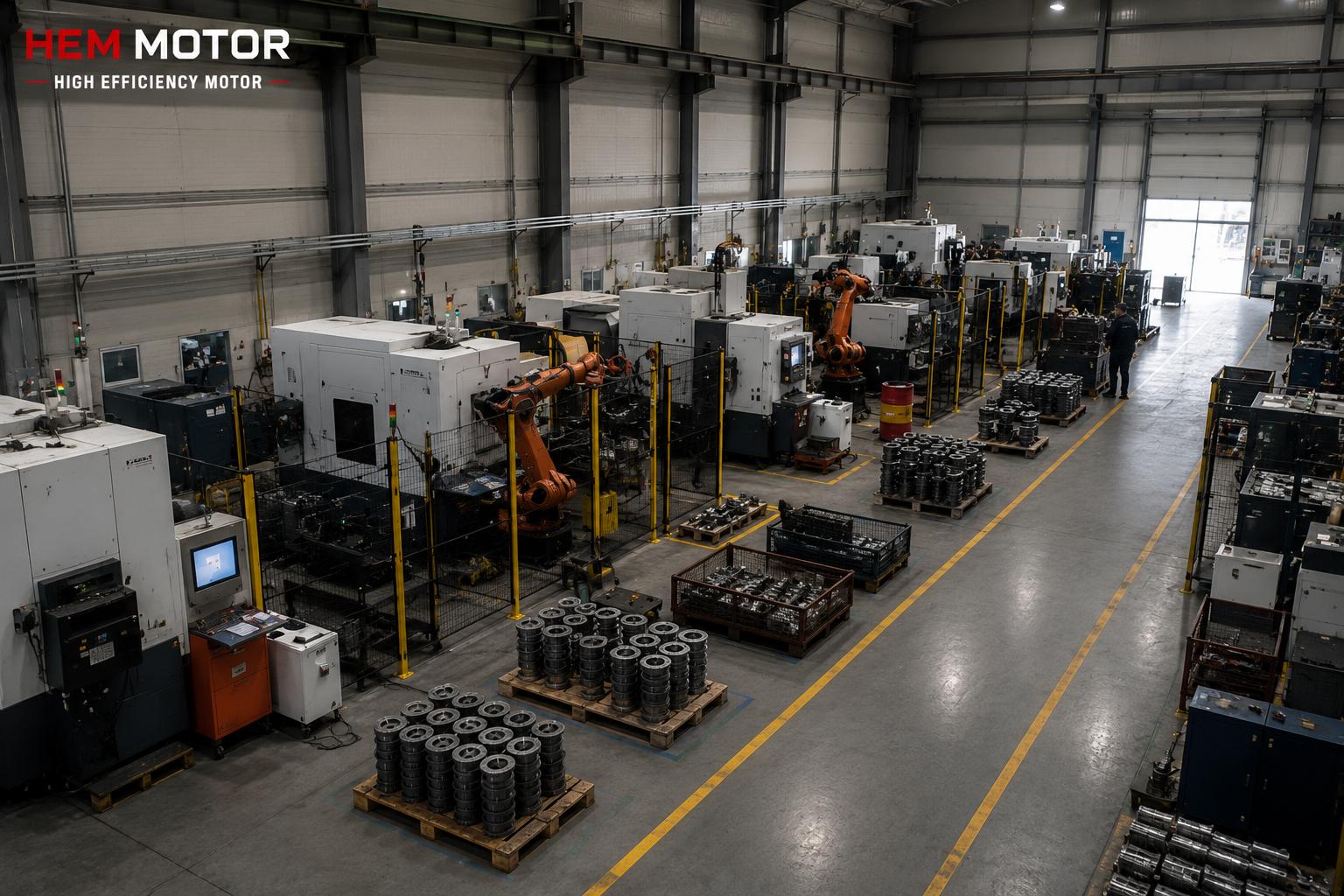
Drying and Kiln Fans: Driving a Hot, Dusty Environment
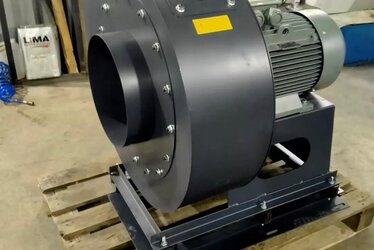
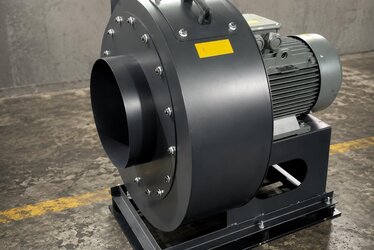
Formed products first release their moisture in drying channels, then are fired at high temperature in a tunnel kiln. Both drying and firing use many fans to circulate hot air, and these fans are one of the most critical motor groups in the plant. Because hot air makes motor cooling harder, kiln and drying fan motors are specified with class F (or H) insulation, a cast-iron body and a high IP class as standard. When the fan flow must be matched to the process temperature curve, the motor is run on a frequency drive, providing both firing quality and energy efficiency. For the right pole-speed choice on continuously high-speed fan motors, our aspirator and dust-collection fan motor selection article is a good reference.
Insulation, Body and Derating in the Hot Zone
Fan and drive motors working near the kiln are exposed to high ambient temperature. A standard motor is rated at 40 °C ambient; if it rises above that, you may need to derate the motor's rated power or step up to a larger frame. For the right body and insulation decision in hot, dusty conditions, our hot and dusty environment motor: insulation class (F/H) and cast-iron body selection article is a detailed guide. A cast-iron body is the standard choice for this zone, for both mechanical strength and heat dissipation.
Dust and IP Protection: The Backbone of a Brick Plant
Clay and chamotte dust is abrasive and causes premature failure when it enters a motor's bearing or terminal box. The IP protection class is therefore as decisive as power and speed in a brick/tile plant. IP65 should be preferred in high-dust grinding, screening and extruder areas, and at least IP55 in less dusty areas. To set the right thresholds, use the comparison in our IP protection class selection (IP55, IP65, IP66) article. Besides the IP class, terminal-box sealing, a suitable cable gland and the shaft-side oil seal also keep dust out, while periodic cleaning prevents the cooling fins from clogging and keeps the motor cool.
Raw Material Preparation and Grinding Motors
Brick and tile production starts with crushing, grinding, screening and kneading the quarried clay with water. This raw material preparation section includes hammer crushers, roller mills (clay mills), screens and mixers. Crusher and mill motors run under heavy-duty load with a variable, impact-laden torque profile, so a high service factor, reinforced bearings and a cast-iron body are preferred. The motor running without strain when the load suddenly rises is important for both production continuity and motor life. The character of this section resembles stone-crushing applications; you can find the same heavy-load logic in our marble and granite processing machinery motor supply article. Clay kneading (pan mill) and mixing motors run at low speed with high torque and are usually selected together with a reducer.
Conveyor, Elevator and Raw Material Drives
Raw material is moved along the line by belts, bucket elevators and screws; there are also clay kneading (pan mill) and mixing units. These drives require high starting torque and usually run as an IE3 or efficient electric motor combined with a reducer. To set output speed and torque correctly, apply the selection logic in our monoblock geared motor purchasing article. For fast replacement after a conveyor motor failure, our conveyor belt motor emergency replacement article offers a practical checklist. The basic rule is to combine 4/6-pole motors with a reducer on low-speed drives, and to use 2-pole motors on high-speed fans; you can find the effect of pole count on efficiency and torque in our asynchronous motor efficiency and pole count article.
Efficiency, Continuous Running and Operating Cost
Brick and tile plants are high-tonnage, mostly continuous-production facilities; the extruder, fans and conveyor drives run at full load for most of the year. This means the efficiency class feeds straight into the electricity bill. For continuous loads, choosing an IE4 efficient electric motor or IE3 pays the investment back over the operating life. At certain power and pole thresholds the efficiency class is also legally mandatory; you can find which power requires which class in our IE3 and IE4 efficiency mandate article. To improve total efficiency on geared extruder and conveyor drives, apply the gain calculation in our using an IE4 motor with a gearbox article.
Supply, Stock and Like-for-Like Replacement
In a brick plant an unplanned stoppage is very costly because of disrupted kiln temperature regimes and material build-up along the line. It is therefore wise to keep a spare motor for critical drives (extruder main motor, kiln/drying fans, main conveyor). If the spare will sit in storage for a long time, moisture and bearing protection must be considered. When replacing a failed motor, the fastest route is to share the existing motor's nameplate data in full (power, speed, voltage, mounting type, frame size, shaft diameter); this allows a like-for-like motor to be supplied quickly. If the nameplate is unreadable, an equivalent is chosen from the frame dimensions and shaft diameter. For the question of whether to buy new or rewind, our rewind vs buy new article offers a clear comparison.
Motor Purchasing Checklist for a Brick and Roof Tile Factory
To speed up procurement and avoid receiving the wrong motor, clarify these items before ordering:
- Torque character: Specify high starting torque and a robust body for the extruder and press.
- Duty type: Continuous duty (S1) for extruder, fan and conveyor drives.
- Power and speed: State kW, rated speed and required output speed (and ratio if geared) for each drive.
- Protection class: IP65 in dusty areas and at least IP55 in less dusty areas.
- Insulation and body: Class F/H insulation and cast-iron body near the kiln/drying.
- Mounting type: Specify B5/B14 flange for geared drives and B3 for foot-mounted drives as the mounting type.
- Spare plan: A spare motor and correct storage for the extruder and kiln fan.
You can review our main product range from our home page, and for similar sector guides see our glass and ceramics factory electric motors and marble and granite processing machinery motor supply articles.
Frequently Asked Questions
Why does a clay extruder motor need such high torque?
Because clay is a heavy, viscous material; it loads the extruder screw with high resistance, and at start-up the torque demand to move a full extruder rises above normal. The extruder motor is therefore selected with high starting torque, a cast-iron body and reinforced bearings, usually low-speed and geared. To set the right power and ratio, simply share your extruder capacity and the required output speed.
Is a kiln and drying fan motor the same as a standard motor?
No. Because kiln and drying fans work with hot air, motor selection is based on temperature resistance: class F or H insulation, a cast-iron body and a high IP class are preferred. If the ambient exceeds 40 °C, derating or a larger frame is considered. See our hot and dusty environment motor selection article for details.
Which IP protection class should I choose in a dusty environment?
IP65 is recommended in heavily dusty grinding, screening and extruder areas, and at least IP55 in less dusty ones. Besides the IP class, terminal-box sealing, a suitable cable gland and the oil seal also matter. To clarify the thresholds, use the comparison in our IP protection class selection article.
Get a Quote
If you want to supply the clay extruder, press, cutting, drying and kiln fan, and conveyor drive motors for your brick or tile plant with the right power, torque character, protection class and mounting type, our team is here to help. Share your drive list by section, your dust/temperature conditions and your speed requirements, and we will prepare a fast, accurate quote. Call us on +90 (532) 345 49 86 or reach us through our contact page.