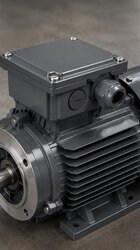
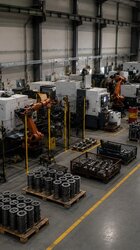
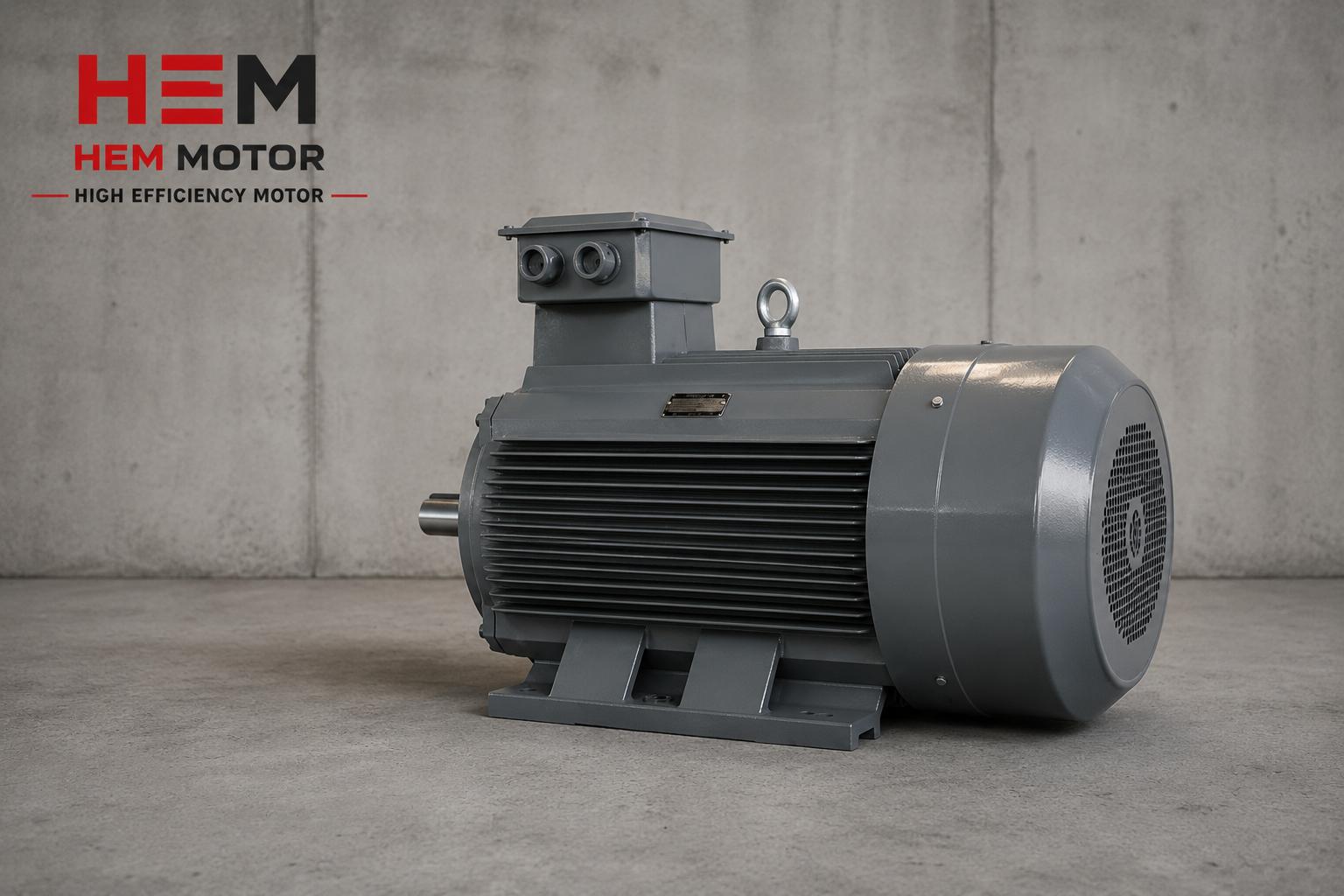
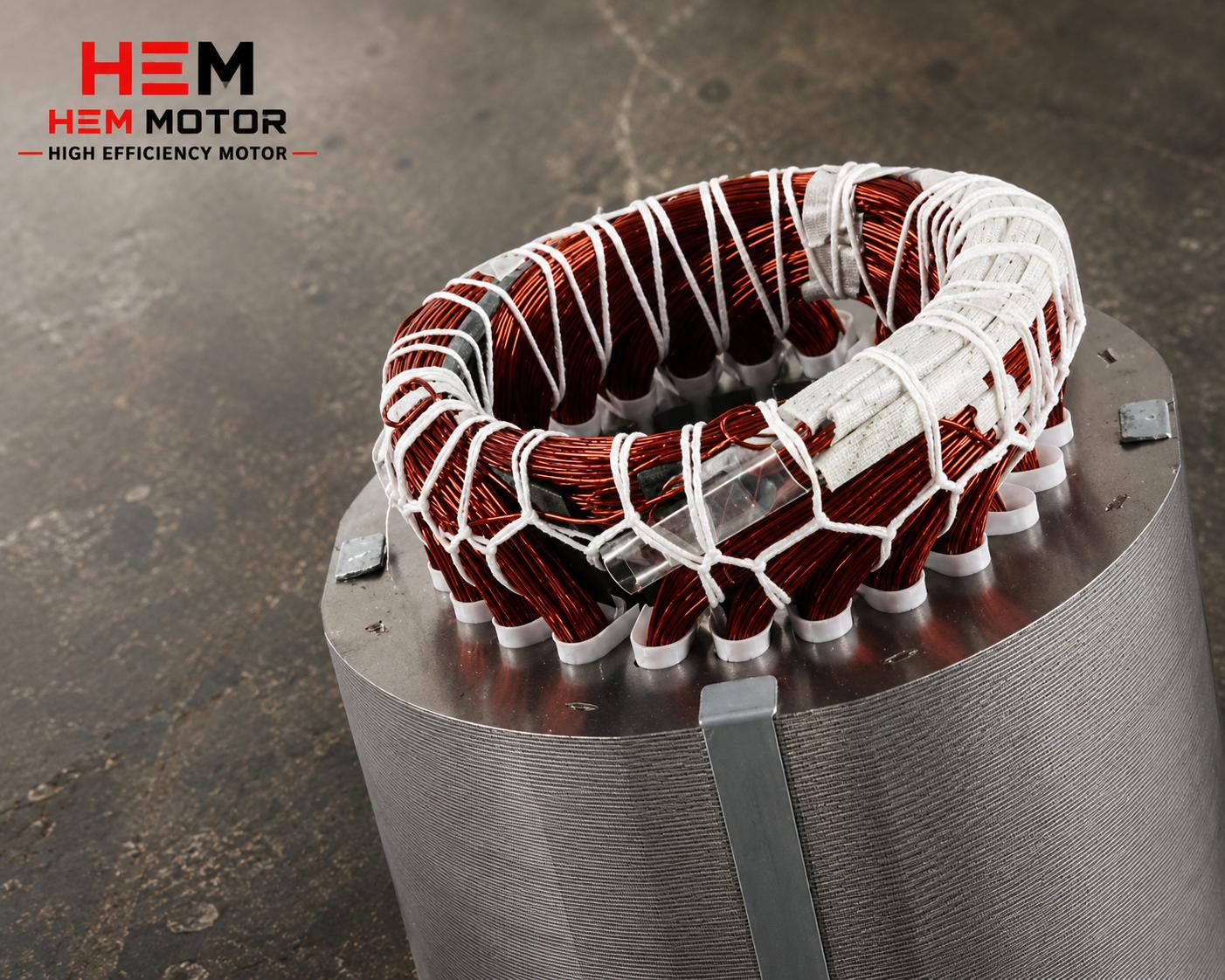
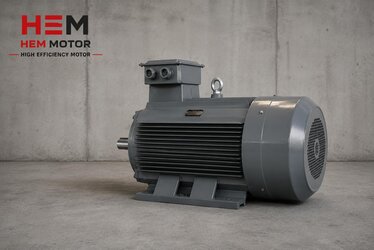
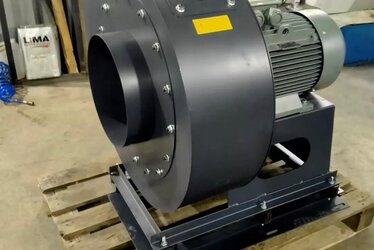
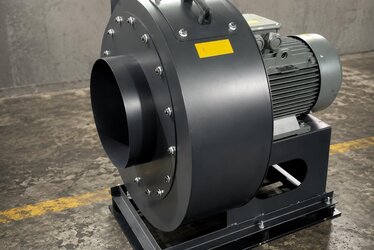
Marble and granite processing plants are among the sectors where the electric motor is punished the most. Block cutting that runs for hours without interruption on the gangsaw, the start-stops repeated all day long on ST (squaring-trimming) machines, the high-inertia load of large-diameter blades on bridge cutting machines, and on top of all this a harsh environment of water, mud and marble dust. Under these conditions a wrongly selected or late-supplied motor silences the factory's most expensive machine for days. This article handles the motor purchasing process over field realities, for marble factory operators, machine manufacturers and quarry owners. As a domestic electric motor manufacturer producing since 1979, HEM Motor supplies motors from its strong Turkey stock to plants in the marble regions from Afyon to Diyarbakir, from Burdur to Bilecik.
Water, Mud and Marble Dust: Why Is the IP Protection Class Decisive?
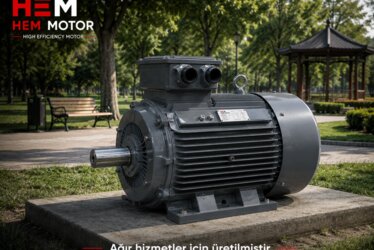
In marble processing the cut is always made with water; the water cooling the blade combines with marble dust and turns into an abrasive mud slurry that splashes everywhere on the machine. On a bridge cutting machine, the motor sits right above the cutting line; on the gangsaw the main motor works in the volume where the slurry is dense. In this environment the motor's protection class is not negotiable: IP55 should be taken as the minimum requirement, and in positions where water sprays directly, IP56 and above should be considered. The second detail as important as the protection class is the continuity of sealing: the quality of the shaft seal, the terminal-box gasket and the correct tightening of the cable glands ensure that the IP value is genuinely valid in the field. In marble plants, a significant part of winding faults arise from muddy water entering through the terminal box or a worn seal and collapsing the insulation over time.
The frame choice is also directly related to this environment. Abrasive mud and a frequently washed floor make the body's mechanical strength and corrosion behaviour important; moreover, since the cooling fins becoming coated with dust slurry makes the motor harder to cool, periodic body cleaning should be written into the maintenance plan. The design of the fan cover, as a detail that reduces mud build-up between the blades, is worth asking about in purchasing. Giving your supplier the information "the motor will work in a marble factory, under water and dust" at the quote stage ensures all of these details are configured correctly.

Gangsaw, ST and Bridge Cutting: Three Machines, Three Different Motor Profiles
The three main machine types in a marble factory load three different load characters onto the motor, and the three should be assessed separately in purchasing.
Gangsaw Motors: High Inertia and Continuous Load
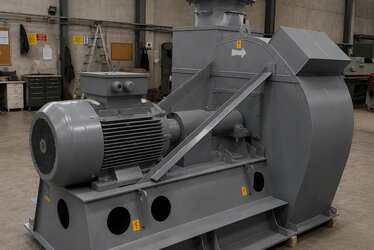
The gangsaw, which cuts the marble block with dozens of blades at once, is the factory's largest machine. The main drive motor turns a large flywheel; the flywheel's high inertia seriously strains the motor at start and lengthens the starting time. For this reason, when selecting a gangsaw main motor, you look not only at the rated power but at the starting torque and the rotor's thermal endurance; starting is usually done with a star-delta or soft starter, and the motor is required to suit this starting method. Once the gangsaw has started, it runs loaded without interruption throughout the cutting of the block — often across shifts; this raises the importance of the winding insulation class and the cooling. A gangsaw motor fault is the most expensive stoppage in the factory: the block is left half-cut in the saw and the cutting quality is put at risk.
ST and Side-Cutting Machines: Frequent Switching On
The saw motors on the squaring and trimming line run in continuous stop-start all day; every slab, every sizing means a switching on. The moment an asynchronous motor heats the most is the moment of start; a motor starting dozens of times an hour passes multiples of its rated current through its windings each time. When buying a motor for these positions, tell your supplier the number of switch-ons per hour; if needed, a motor one frame up, with thermal reserve, is recommended. On ST motors, in types belt-connected to the saw, the shaft and front bearing should also be assessed according to the radial load.
Bridge Cutting Motors: Disc Inertia and Precise Cutting
On bridge cutting machines the large-diameter diamond disc is driven from the motor shaft directly or by a belt. The large disc diameter means, again, high inertia and a long start; moreover, the cutting quality depends on the motor running without vibration, because every vibration in the shaft is reflected in the disc's cutting line. In this position, motors with good rotor balance and high-quality bearings should be preferred; the flange type (usually B5 or a B3/B5 combination) should be clarified according to the machine's design. In a significant part of bridge cutters, a frequency converter is used for speed control; the information that the motor will be driven by a converter must always be shared at the quote stage.
Polishing and Honing Lines: A Standardization Opportunity for Multi-Motor Lines
The situation is different on the polishing lines of slab-processing factories: instead of a single large motor, many head motors lined up along the line work. Each abrasive head has its own motor, and a line can have eight to sixteen motors of the same type; add to this the drive motors of the band carrying the slab. This picture is a standardization opportunity for the buyer: when all the head motors are selected in the same power, frame and flange, the whole line is secured with a single spare-motor type. Since the polishing line also runs wet, its protection-class and sealing requirements are the same as the cutting machines; in addition, since the head motors load and unload throughout the day according to slab passage, motors resistant to variable load and with thermal reserve should be preferred. High-quantity head-motor purchases are the item where the price and stock advantage of working with the manufacturer on a quantity basis is felt most clearly.
Processing Granite Is Different From Processing Marble: The Effect on Power Selection
Even on the same machine type, the kind of stone processed changes the motor selection. Granite is markedly harder than marble; cutting a slab of the same thickness demands slower advance, a longer cutting time and a higher continuous torque on the saw shaft. In practice the counterpart of this is: a bridge cutting motor that is adequate for marble starts to run continuously at or above its rated limit when granite begins to be cut on the same machine, and thermal trips and winding fatigue appear. Plants that work predominantly with granite, or plan to move to granite later, should select the cutting motors from a power step up and make this decision at the purchasing stage; raising the power in the field is always more expensive because it may require a flange and pulley change on the machine.
The second difference of granite is its dust: granite dust contains silica and is more abrasive than marble dust. Seals, bearing seats and fan blades wear faster in plants processing granite; maintenance periods should be shortened accordingly, and a spare-seal and bearing plan should be considered together with the motor. The third difference is residual stresses: granite blocks behave more unpredictably during cutting, and the wire or blade jamming loads the motor suddenly. This scenario requires the motor protection relays to be set correctly and the motor's tolerance to short-term overload to be discussed at the quote stage. Telling your supplier not just "bridge cutting motor" but "granite-predominant, so many square metres of cutting per day" ensures the correct frame and power step is selected on the first try.
The Marble Quarry Site: Tougher Conditions Than the Factory
On the quarry side — wire bridge, diamond wire cutting machines, compressors and water pumps — the conditions are a step harsher than at the factory. The machines work in the open air, under the scorching sun in summer, under frost and rain in winter; the electrical infrastructure is often at the end of long lines, and voltage drop is a serious problem. A motor forced to start on low voltage heats up by drawing current above the plate value; for this reason, voltage tolerance and thermal protection settings should be discussed especially for quarry motors. On diamond wire machines the load fluctuates throughout the cut; according to the tension of the wire and the structure of the block, the motor runs continuously at variable load. This profile consumes the winding and bearing life faster than at the factory; the quarry operator keeping a spare-motor stock is therefore even more critical than at the factory.
Another reality of the quarry site is logistics: the site is often hours away from the city centre, and in a breakdown there is no luxury of "we'll look tomorrow". Our mining sector electric motors product group, configured for mining conditions, is planned to keep the power and speed range of these sites in stock; every quarry region of Turkey is reached by courier and freight dispatch. For operations working on the stone-crushing side, we have handled the motor selection of crusher plants in a separate article, the crusher and stone-crushing plant electric motor selection guide; the scope of this article is marble and granite processing machines.

Replacement Motor Supply: One-to-One Swap on Old Machines
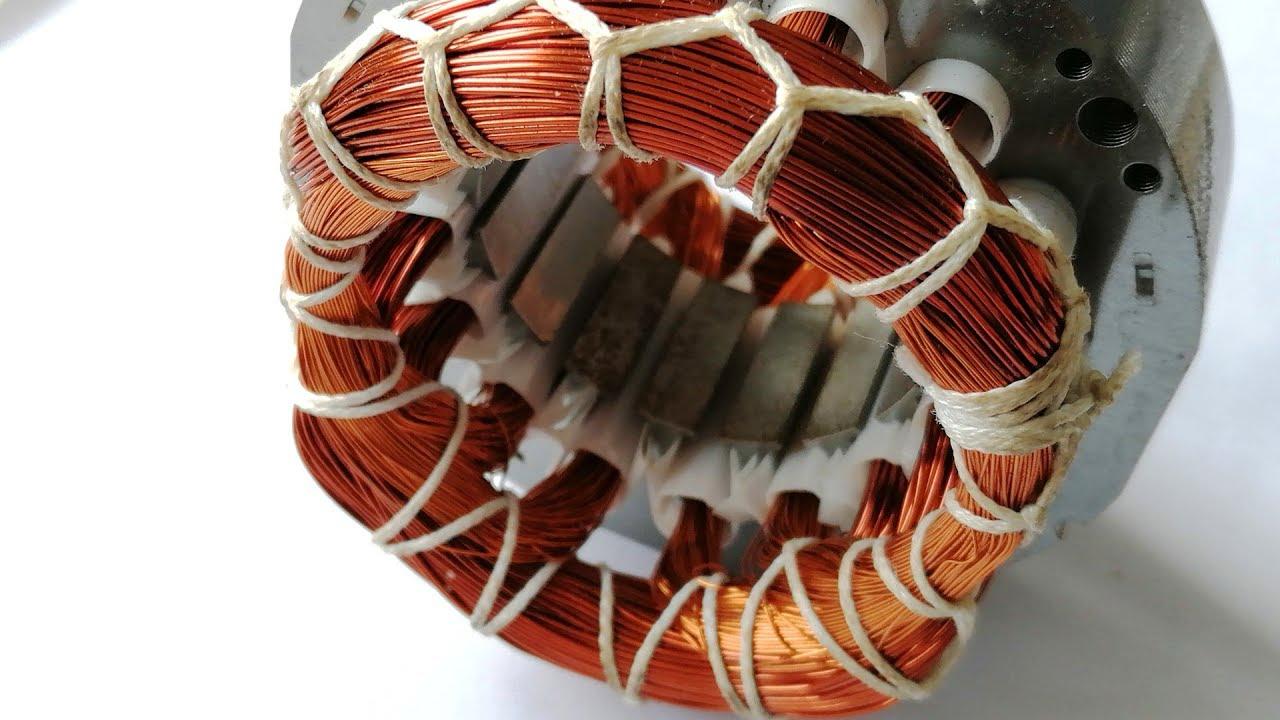
The machine park of marble factories in Turkey is mixed: twenty-year-old Italian bridge cutters, domestic gangsaws, ST lines from different eras all work under the same roof. When a motor fails, the most common problem is that the motor's nameplate on the old machine is illegible or the original motor is no longer produced. In this case the right road is to take the motor's mechanical and electrical identity and replace it with a standard IEC-frame equivalent: power, speed (pole count), frame size, shaft diameter and length, mounting (B3/B5/B14), flange dimensions and supply voltage. When this information — or, if the plate is illegible, the dimensions taken with a caliper and photos of the existing motor — is conveyed to the supplier, the standard equivalent of most old foreign motors is identified from stock the same day. To speed up the quote process, we have explained step by step which information to convey and how in our article on the information to provide when requesting an electric motor quote.
In the replacement decision, the efficiency opportunity should not be missed either. Fitting a motor of today's higher efficiency class in place of a twenty-year-old motor means doing the same cutting job with less energy; in large-power motors that run loaded across shifts, such as the gangsaw, this difference is a visible item in the operating budget. Our high-efficiency IE4 electric motors group covers the power ranges the marble sector uses heavily; in old-motor swaps, moving to the higher efficiency class in the same frame size is possible in most positions.
Stock and Supply Strategy: Insurance Against Downtime Cost
In a marble factory, motor stock should be thought of like an insurance policy. Our recommendation is three-layered. First layer: keeping a one-to-one spare of the factory's critical and single motors (the gangsaw main motor above all) in the operation's store. Second layer: keeping a roughly ten percent shared spare for the repeating powers and frames on the ST and bridge cutting lines — for example, if there are ten saw motors of the same type. Third layer: a stock relationship established with the manufacturer for all remaining positions; knowing which motors are ready in the HEM Motor warehouse and starting dispatch with a single phone call at the moment of breakdown. When these three layers are built, even in the worst scenario the downtime is measured in hours rather than days.
For operations working seasonally, timing is also part of the strategy: a motor overhaul and spare-replenishment round done before the busy season prevents most of the unplanned stoppages in mid-season from the outset. Planning this round together with the manufacturer — which motors are tired, which should be replaced as a priority — turns purchasing from emergency buying into planned buying and strengthens your hand on both price and delivery. The way spare motors are stored should not be overlooked either: a spare motor waiting in a humid and dusty factory environment should have its shaft turned by hand from time to time, and its insulation resistance measured before commissioning; otherwise the motor bought as insurance may be found unable to do its job on the day it is most needed.
The complement of the stock strategy is deciding from the outset on the fate of failed motors. Not every burned motor in the field should go automatically to the rewinder: at small and medium powers, the cost of rewinding often approaches the cost of a new motor from a higher efficiency class; moreover, the rewound motor loses its original efficiency and is outside warranty coverage. The sound approach is to set a threshold by power step: motors below the threshold are replaced directly with a new one on breakdown, while for the large-power motors above it, rewinding and renewal options are compared case by case. Putting this rule in writing ensures the maintenance team does not wait on anyone for a decision when a breakdown occurs on the night shift.
Frequently Asked Questions
The motor of my old Italian bridge cutting machine burned out; can I find a one-to-one equivalent?
In most cases, yes. A significant part of old Italian machines use standard IEC frame dimensions; when the power, speed, frame size, shaft and flange dimensions are conveyed, an equivalent is identified from stock. If the dimensions are non-standard, a solution is produced with an adapter flange or shaft adaptation. Send the nameplate photo, shaft diameter and flange dimensions; let us make the equivalent determination quickly.
When buying a motor for a marble factory, what minimum protection class should I request?
In all positions where wet cutting is done, IP55 is the minimum requirement; in positions where water sprays directly, IP56 and above should be considered. As important as the protection class are the terminal-box sealing, the shaft-seal quality and the cable-gland installation; stating the environment as "water + marble dust" at the quote stage guarantees the correct configuration.
On a gangsaw motor, should I use star-delta or a soft starter?
Both are common in the field; the decision is made according to the existing panel infrastructure and the grid's strength. What matters is that the motor suits the chosen starting method and can carry the flywheel inertia throughout the starting time. If you state the flywheel-start information and the starting method at the order stage, the motor is quoted accordingly.
Get a Quote
Convey your motor need for your gangsaw, ST, bridge cutting or quarry machines to us; if you reach us together with the existing motor's nameplate information or dimensions, let us make the equivalent determination and stock confirmation quickly. With our regular dispatch to the marble regions, your motor is on your site in the shortest time. You can reach us at +90 (532) 345 49 86 or get a same-day quote by sending your machine and motor information through our contact us page.