English
 Türkçe


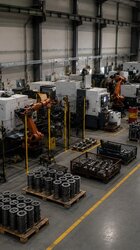
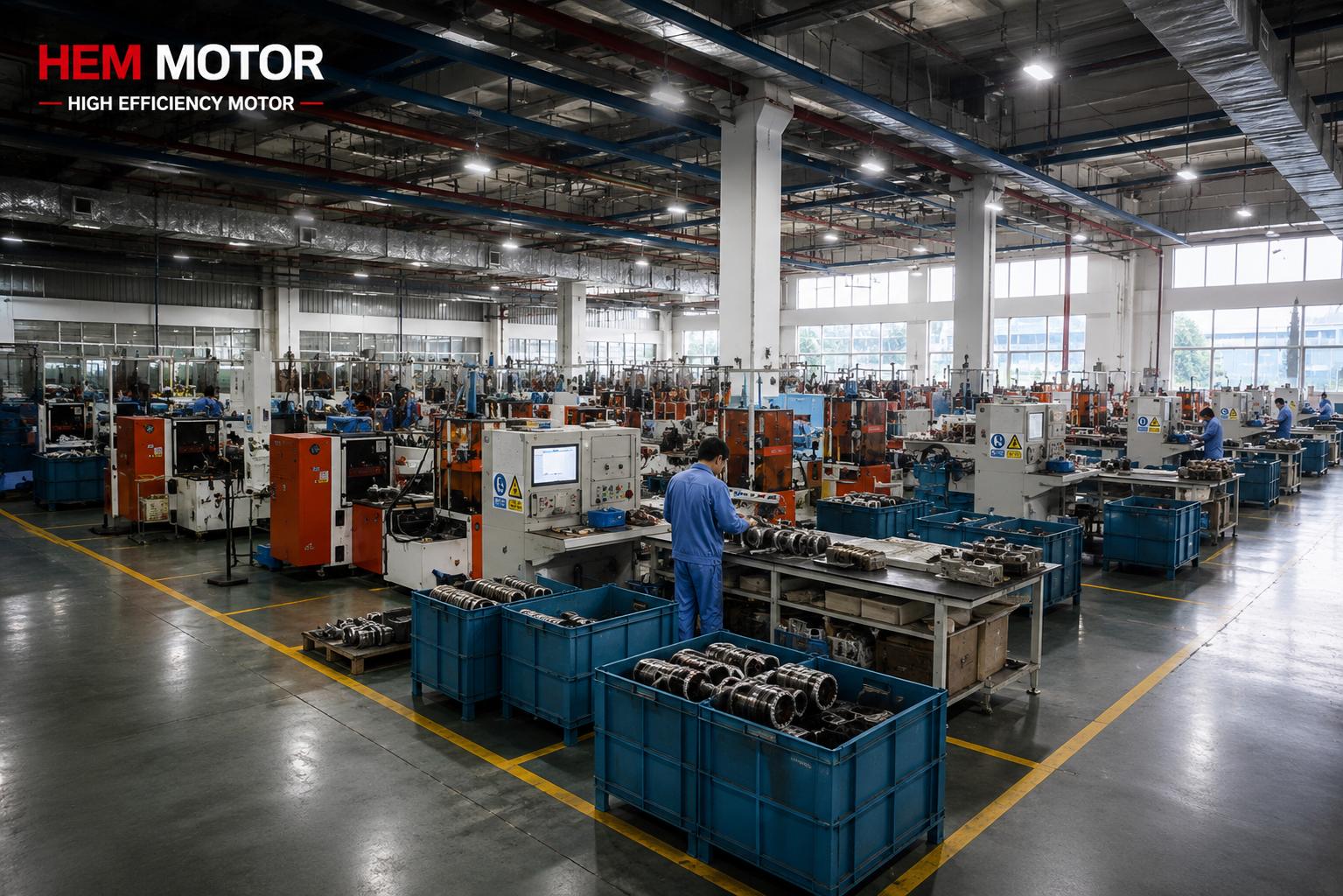

Glass and ceramics factories rank among the most demanding facilities for electric motors due to their continuous thermal processes and high mechanical loads. Kiln and drying fans rotating in hot gas, presses operating under impact loads, glazing and grinding mills in contact with abrasive slurry all place motor selection at the center of the procurement decision. As a plant investor, production manager or procurement officer, you know that a single wrongly specified kiln fan motor can halt the line for hours. This page is built to clarify the motor supply decision for every main piece of equipment on a glass and ceramics production line and to quickly guide you to the right power, protection and insulation class. For support with stock delivery and direct equivalent selection, simply send your quote request.
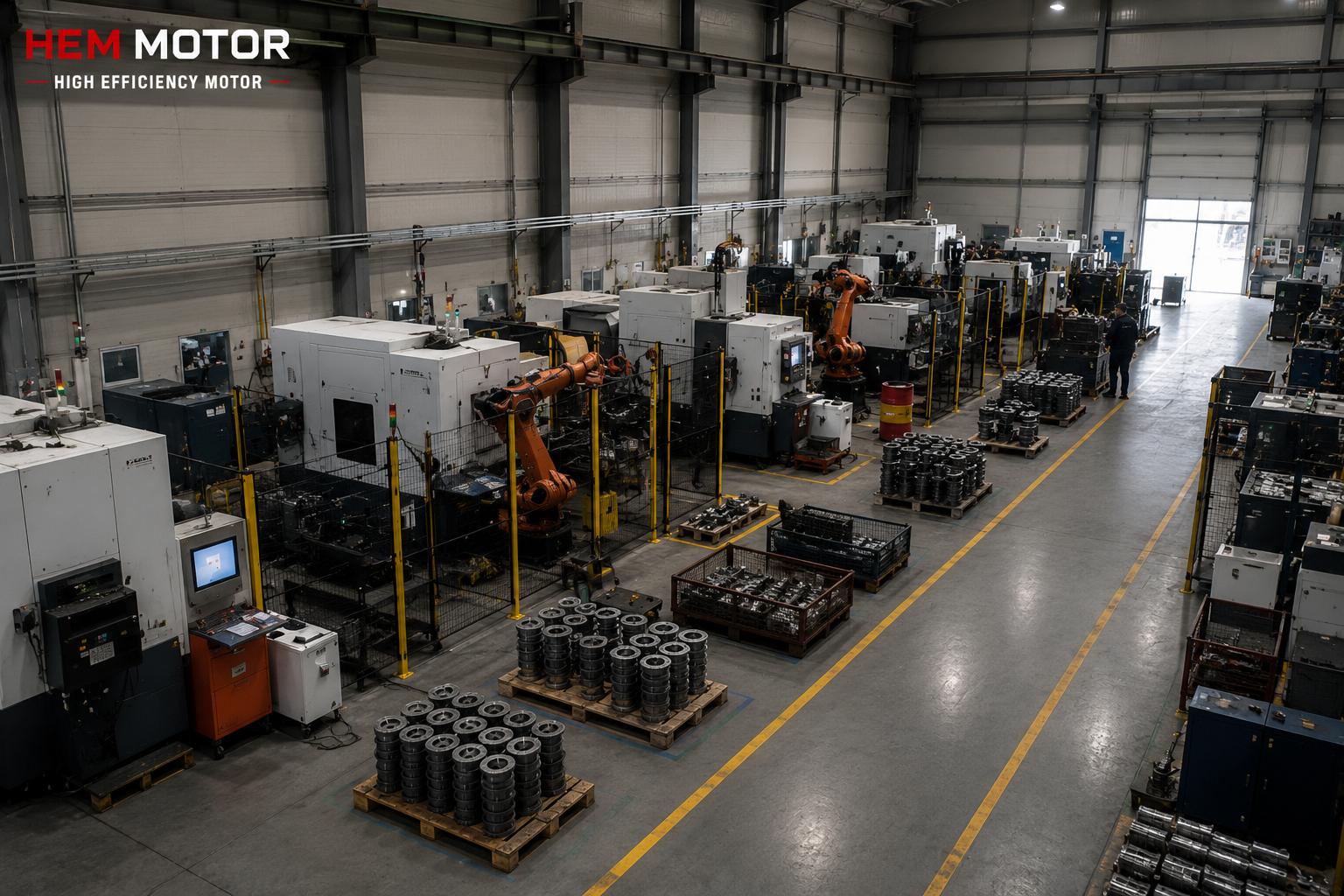
The Harsh Conditions Motors Face in Glass and Ceramics Production
In glass and ceramics plants, motors battle three challenges simultaneously: high ambient temperature, heavy dust and uninterrupted operation. Kiln lines often run 24 hours a day, 7 days a week, which requires the motor to be of S1 continuous duty type with a heat-resistant construction. While F class insulation is the minimum in hot zones, H class insulation and uprated temperature capability are preferred at the most critical points around the kiln. IP55 protection is the standard starting point in dusty environments; in grinding and raw material preparation sections, higher dust density may call for IP65 protection.
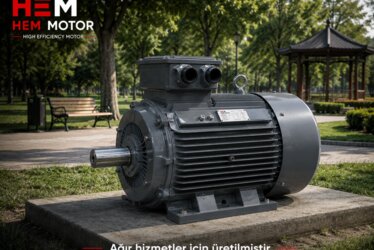
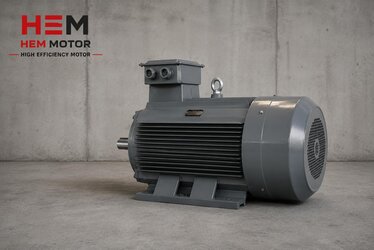
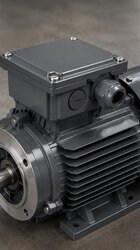
Body material is undeniably important in these plants. A cast iron body offers a clear advantage over aluminum against both mechanical impact and continuous thermal cycling. On vibrating equipment such as presses and mills, the damping capability of a cast iron body extends bearing life. For this reason, high-efficiency cast iron body electric motors are predominantly preferred on glass-ceramic lines. To understand the effect of hot and dusty conditions on motor selection in more detail, review our guide on insulation class and cast iron body in hot, dusty environments.
Kiln and Drying Fan Motors: Resistance to High Temperature
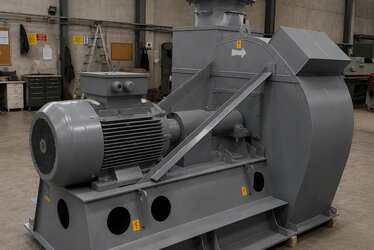
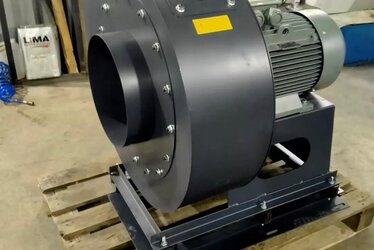
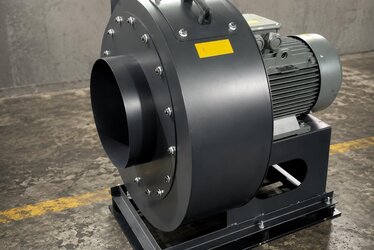
Kilns sit at the heart of glass and ceramics production, and the combustion air, flue gas and drying air fans of these kilns host the plant's most critical motors. Kiln fan motors often run near hot gas flow, which means the motor must either be selected with derating for the high ambient temperature or ordered with a higher insulation class. In aspiration fans drawing hot gas, the proximity of the shaft to the hot zone calls for a special shaft seal and a defined bearing lubrication program.
Speed and Power Selection
Large-diameter kiln and drying fans are generally selected to run quietly and smoothly at 1000 or 1500 rpm, while high static pressure flue fans bring 3000 rpm options into play. For fan motors, IE4 super premium electric motors both reduce energy cost and make annual savings measurable on continuously running fans, since fan load accounts for a large share of total plant energy consumption. For power and speed matching by fan type, our centrifugal and axial fan motor selection guide is a useful reference. For derating calculation at high ambient temperatures, we recommend our derating calculation article.
Press Motors: Impact Load and High Starting Torque
In ceramic tile and sanitaryware production, hydraulic and mechanical presses are exposed to sudden, repeated load surges during mold filling. In hydraulic presses, the motor drives the pump of the hydraulic unit and must withstand frequent stop-start cycles and an impact load profile. In these applications, the motor's starting torque and overload capacity are as important as its rated power. Cast iron body motors with a high service factor and reinforced bearing construction are preferred.
Most press drive motors connect to the hydraulic unit frame with B3 foot or B35 combined mounting. The exact match of the mounting type to the machine body is critical to prevent the wrong motor from arriving; our article on exact matching by nameplate data provides a pre-order checklist on this. To evaluate the effect of flywheel and inertia under impact load, our motor selection under impact load article is also directly relevant.
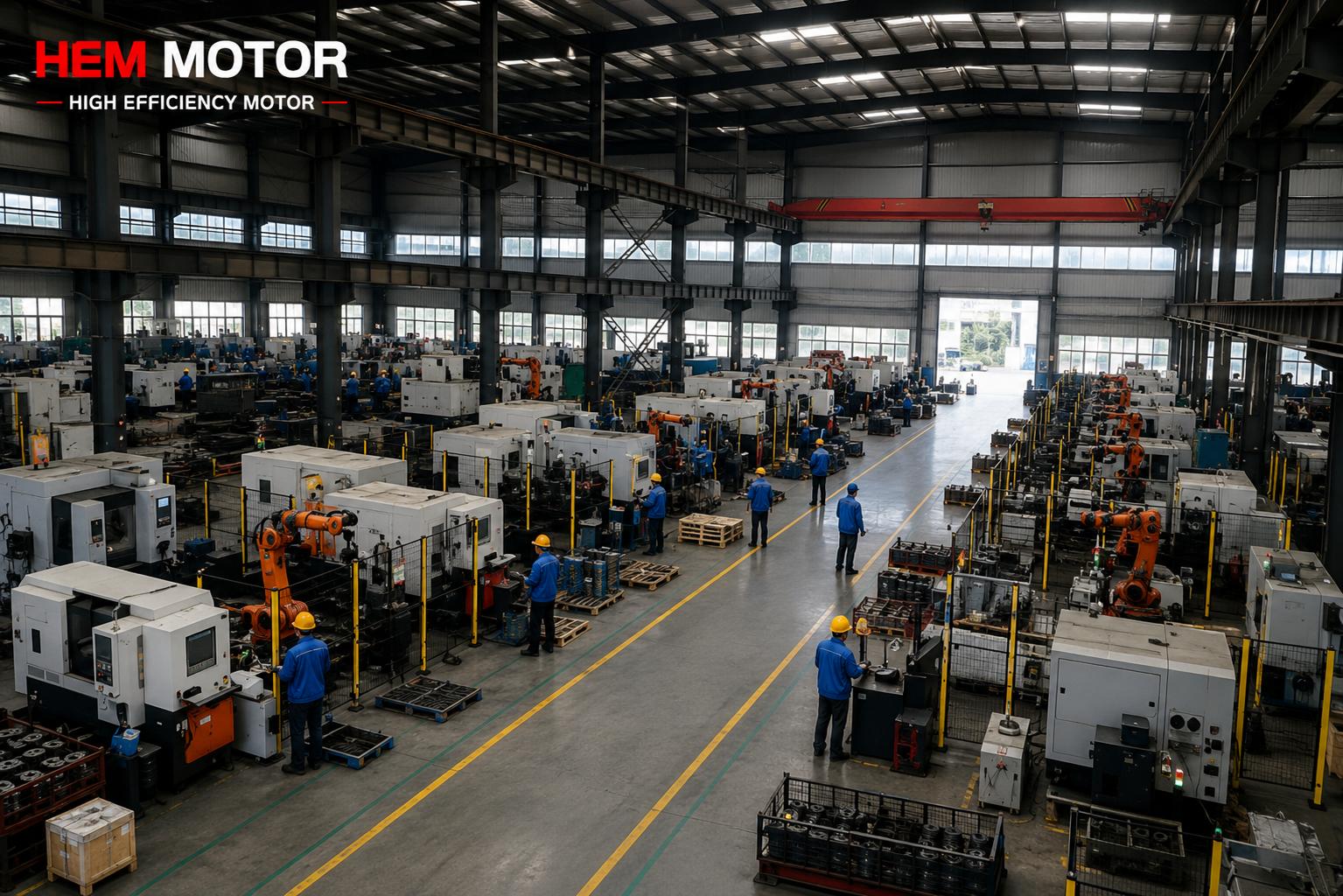
Glazing Line and Grinding Mill Motors
In ceramics production, glaze and slip preparation is carried out in ball mills. Because these mills continuously rotate large masses, they have high inertia loads and long starting times. The mill drive motor must be sized to withstand high breakaway torque and to run at full load for long periods. Most mills operate with a 1000 or 1500 rpm motor, stepped down to a low output speed through a gearbox.
Glazing, Mixer and Pump Motors
On the glazing line, slip mixers, glaze pumps and dosing systems come into play. The motors of pumps in contact with abrasive slurry must be selected with protection against corrosion and moisture. The low-speed requirement of mills and mixers means the motor and gearbox should be evaluated together; bevel helical gear reducers deliver an efficiency advantage in mill and mixer drives that require high torque and low output speed. For low output speed and torque matching, our reducer-to-motor matching article clarifies IEC frame and flange compatibility.
Conveyor, Elevator and Raw Material Handling Motors
In glass and ceramics plants, raw and semi-finished material is transported on belt conveyors and bucket elevators. These motors run continuously in dusty environments and typically use geared drives to produce high torque at low speed. The most common speed for conveyor motors is 1500 rpm, with 1000 rpm chosen at points requiring higher torque. Since a conveyor motor failure can stop production entirely, keeping a critical spare motor on hand is a smart supply strategy; our critical spare motor list article offers guidance here. For a direct replacement during an emergency conveyor motor failure, our conveyor belt motor emergency replacement checklist speeds up the process.
Energy efficiency regulations must also be considered for all this equipment; IE3 is mandatory for three-phase motors of 0.75 kW and above, and IE4 efficiency class is required in certain power ranges. While IE3 efficient electric motors are the standard solution for regulatory compliance, IE4 provides a faster payback on fans and mills that run continuously at high load. For a wider product range, visit the HEM Motor homepage and for sector applications our industrial motors blog category.
Stock and Lead Time in Glass and Ceramics Plant Motor Supply
The cost of unplanned downtime is very high in this sector; therefore it is critical not only to select the right motor but also to take delivery at the right time. Stock delivery is possible in the most commonly used power and speed combinations, while large kiln fan and mill motors require lead time planning. Plant-based bulk purchasing can secure both price and delivery advantages. Having the motor's nameplate values ready (kW, speed, frame, mounting type, IP and insulation class) speeds up obtaining a fast quote; our article on information to provide when requesting a quote offers a complete checklist on this.
Frequently Asked Questions
Which insulation class should I choose for a kiln fan motor?
Because kiln and drying fan motors run close to hot gas, at least F class insulation is recommended; at the most critical points such as flue gas and hot air fans, H class insulation and uprated temperature capability should be preferred. The derating calculation for high ambient temperature must also be considered. If you share your plant's temperature and pressure conditions with us, we can determine the correct insulation and protection class together.
What should I watch for when selecting a motor for a ceramic mill and press?
Ball mills have high inertia loads and long starting times, so they require cast iron body motors that are resistant to high starting torque and equipped with reinforced bearings. Presses, due to impact loads and frequent stop-start cycles, demand a high service factor. In both applications, S1 continuous duty type and correct mounting compatibility (B3 or B35) are critical.
Can glass-ceramic factory motors be delivered from stock?
Standard fan, conveyor and pump motors in the most commonly used power and speed combinations can usually be delivered quickly from stock. Large kiln fan and mill motors, as well as motors with special insulation/protection classes, may require lead time planning. If you send us your requirement list, we will clarify stock availability and delivery time and inform you.
Get a Quote
Get fast supply support in the right power, insulation and protection class for the kiln fan, press, glazing line, mill and conveyor motors of your glass and ceramics factory. Send your nameplate details or requirement list via our contact page, or call us directly at +90 (532) 345 49 86. Our expert team is with you for stock delivery and direct equivalent selection.