English
 Türkçe

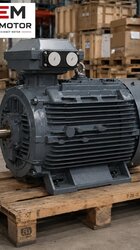
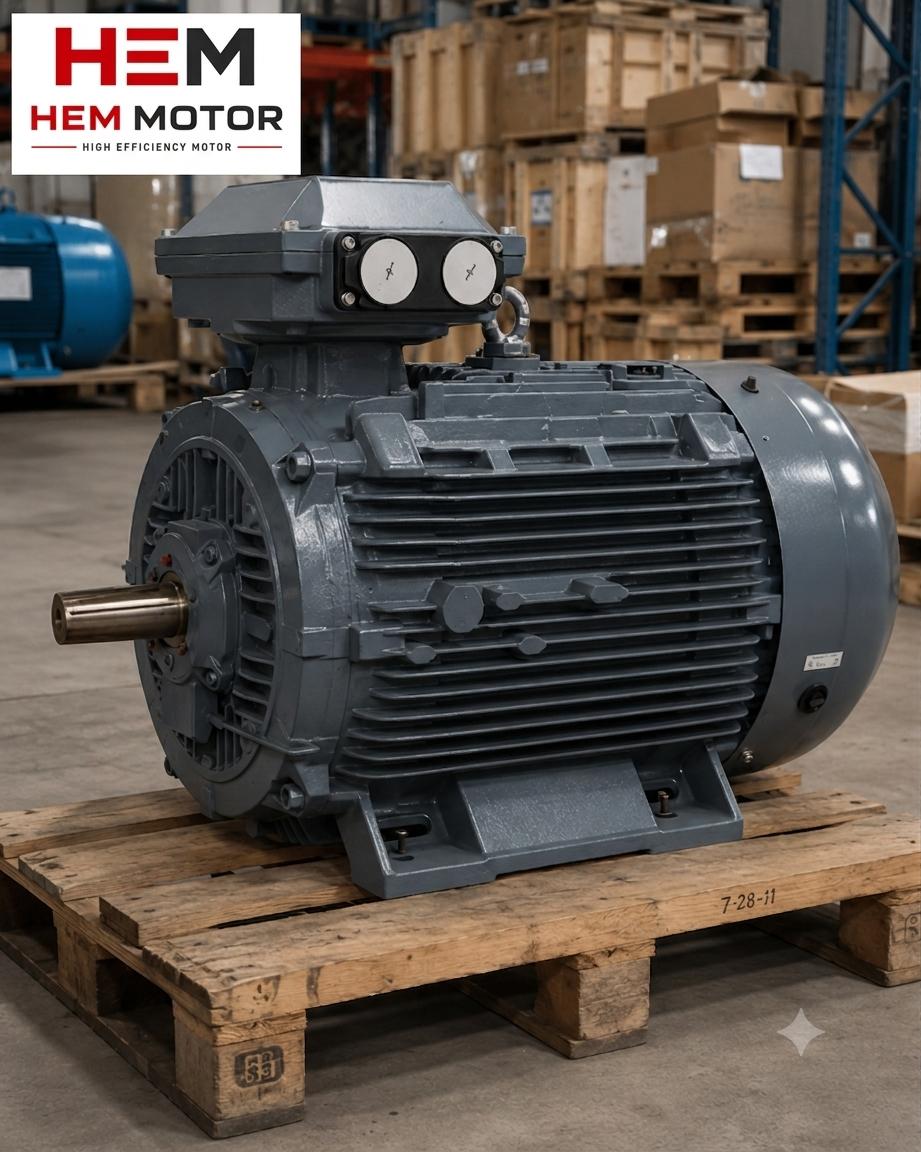

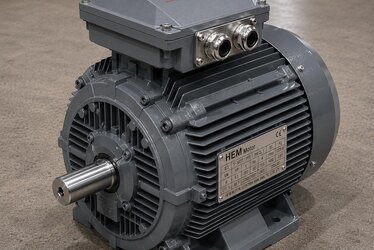
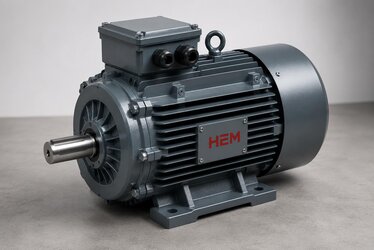
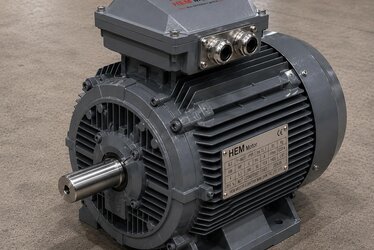
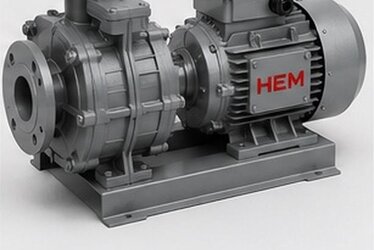
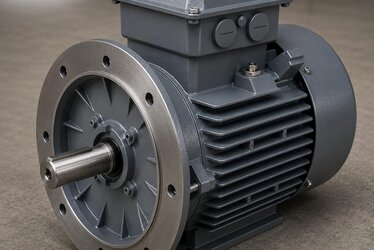
Small-power motors are the most sought-after but also the most confused product group in industry. Micro-power motors such as 0.37 and 0.55 kW are used in a wide area from small machines to automation lines, from OEM machine manufacturing to geared drives. In these powers, the buyer's most asked questions are clear: which speed, which flange, single-phase or three-phase, is it in stock and what is the price? This guide answers all of these questions in a single article for machine manufacturers, maintenance teams and OEM producers who will buy a 0.37 and 0.55 kW IE3 micro-power motor. HEM Motor, a company that has been manufacturing electric motors since 1979, delivers small-power motors quickly from strong stocks with various speed and flange options; it provides continuity for small machine and serial production needs.
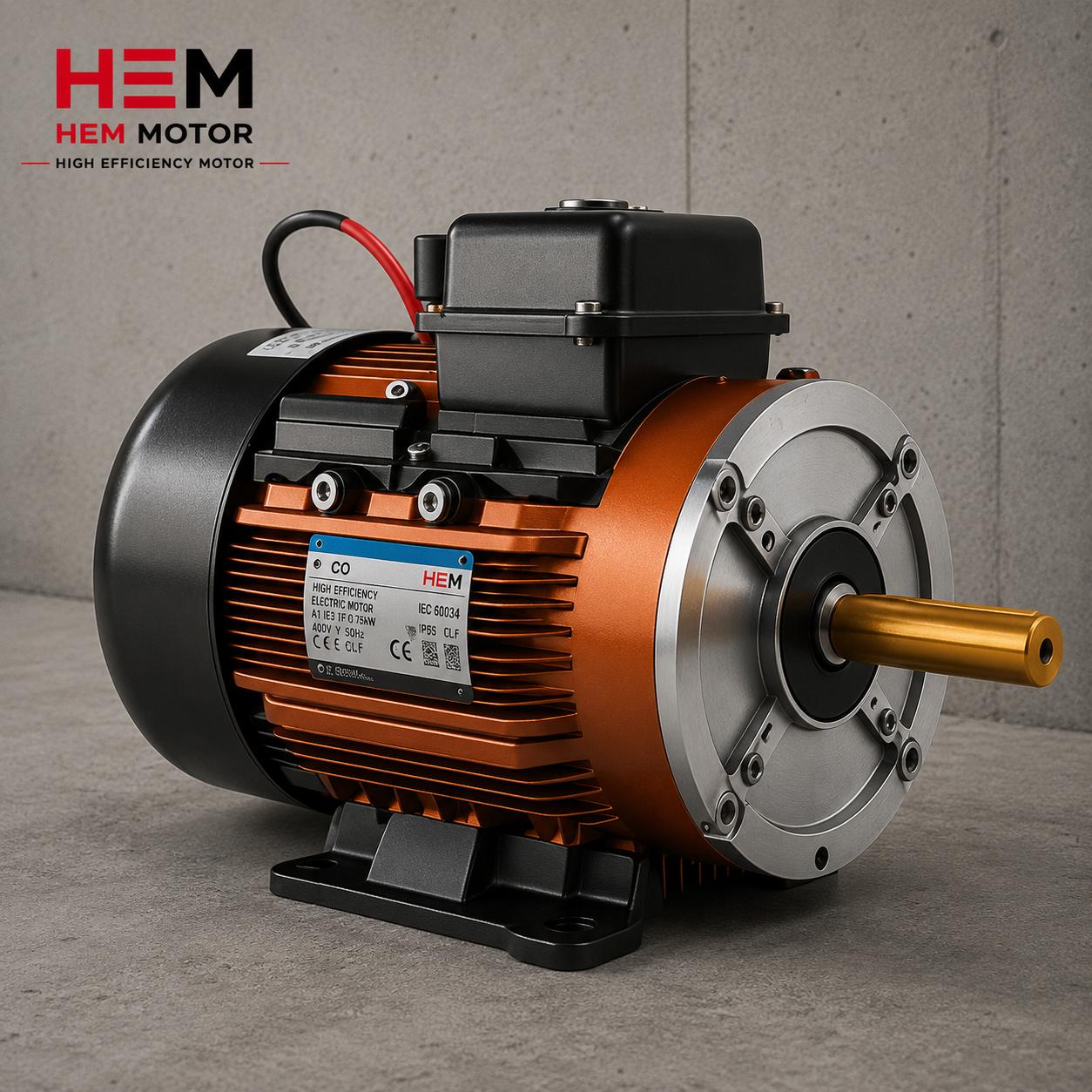
Where Are Micro-Power Motors Used?
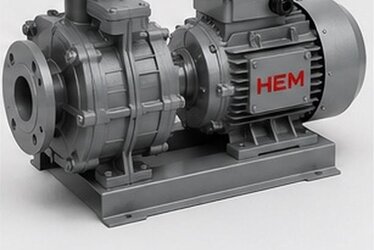
0.37 and 0.55 kW motors are motors with low power but very varied applications. Small conveyors, dosing and filling units, small mixers, packaging machines, labelling lines, small pumps and fans operate in this power range. Especially OEM machine manufacturers prefer standard, easily obtainable motors with available spare parts in the machines they produce; therefore in micro-power motors, continuity and stock can be even more important than price. This power range is also the class most combined with small gearboxes; you can review the subject in our article on worm gear reducer motor matching (IEC).
For OEM producers, the motor continuity guarantee is critical in serial production; producing the same machine tens, hundreds of times requires consistent dimensions and delivery assurance from the supplier. On this subject, our article on motor supply agreements for OEM machine manufacturers explains how to guarantee continuity in serial production.
Speed Selection: 2, 4 and 6 Pole
In micro-power motors, the speed is selected according to the need of the application. 2-pole (approximately 2800-3000 rpm) motors are used in small pumps and fans; 4-pole (approximately 1400-1500 rpm) motors in conveyor, mixer and general machine drives; 6-pole (approximately 900-1000 rpm) motors in applications requiring lower speed. In this power, 4 pole is the most preferred speed because it provides both sufficient torque and balanced operation. For correct pole and speed selection, our article on which pole for which job: 2, 4, 6 pole provides guidance. In small machines requiring very low output speed, the motor is connected not directly but through a gearbox; in this case the decision of geared motor vs separate motor + reducer becomes important.
Flange Mounting: B14 and B5
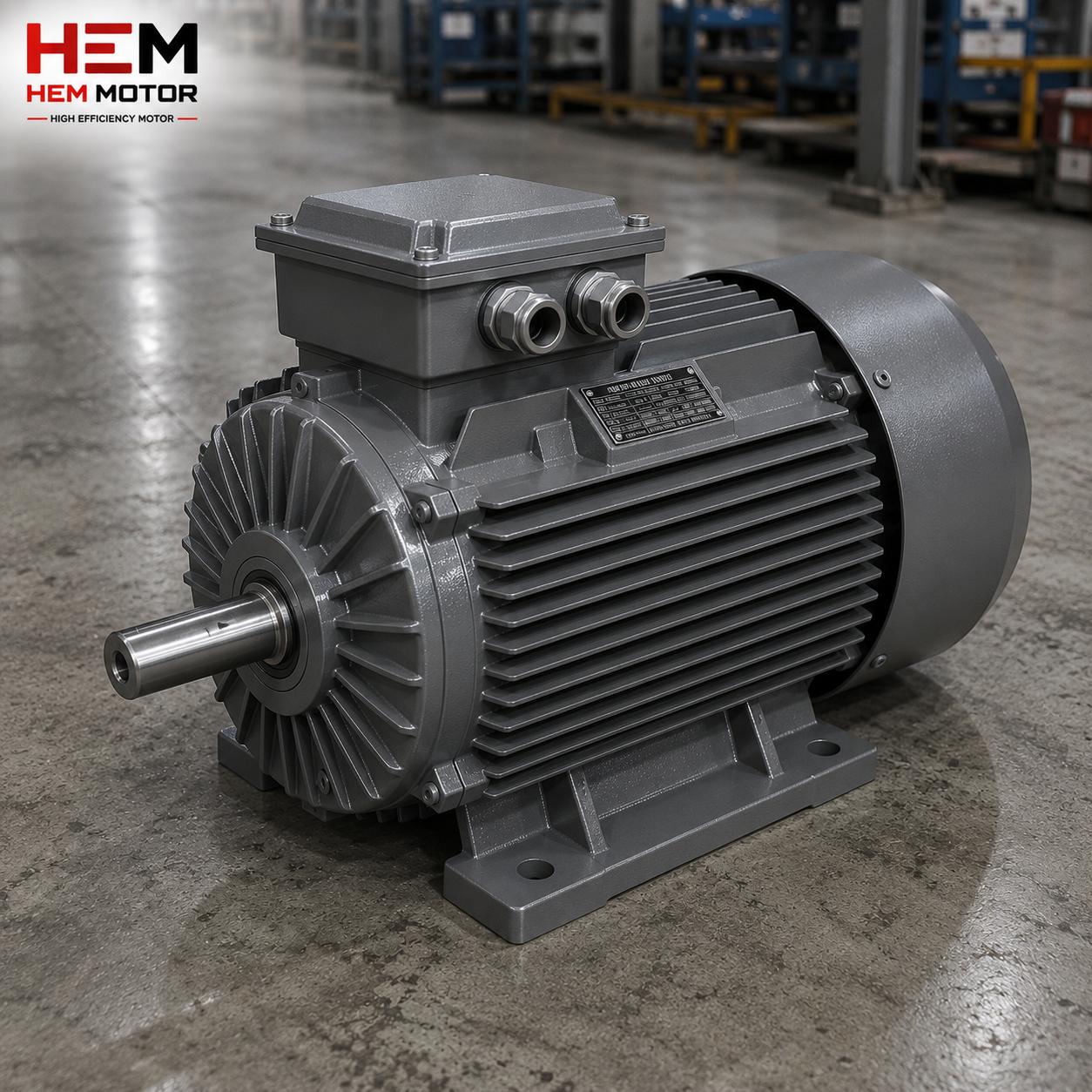
One of the most critical issues in small-power motors is the mounting type. Micro-power motors are often connected directly with a flange to small machines or gearboxes. B14 (small-flanged, footless) mounting connects directly with the threaded holes on the front flange and is especially common in small motors in the 56-90 frame class. B5 (large-flanged, footless) mounting is used in machines and gearboxes requiring a larger flange connection. Wrong flange selection results in the motor not fitting to the machine; therefore the type and dimensions of the existing connection flange must be clarified before ordering. Our article on B5 flanged or B14 flanged explains the difference between B14 and B5 and which one is required in which case; you can review all mounting types on our electric motor mounting types product page.
The B14 flange is generally found in the 56-160 frame range; because micro-power motors fall exactly in this range, B14 is very common in this class. If you are going to connect the motor to a worm gear reducer, the IEC connection dimension of the gearbox input flange must match the motor flange exactly; our worm gear reducers product range offers options compatible with 56-90 frame motors.
Single-Phase or Three-Phase? Phase Selection in Micro-Power
In small powers such as 0.37 and 0.55 kW, both single-phase (220 V) and three-phase (380/400 V) needs can arise. In facilities with a three-phase grid, a three-phase motor is preferred; it provides higher efficiency, less vibration and longer life. In small workshops, home-type or field applications without a three-phase grid, a single-phase motor is required. You can find the answer to the question of running a three-phase motor on a single-phase grid in our article on running a three-phase motor on a 220V single-phase grid. Our article on single-phase asynchronous motor selection and price addresses single-phase motor selection and price. The decisive factor in phase choice is the electrical infrastructure of the place where the machine will be used; therefore it is important to clarify the grid type before ordering.
Why Is the IE3 Efficiency Class Important in Micro-Power?
Although micro-power motors are of low power, hundreds of small motors can operate in a facility; in this case the total consumption reaches significant figures. The IE3 efficiency class ensures each of these small motors operates with less loss. In Turkish and EU regulations there is an IE3 requirement in certain power ranges; you can find which power requires which class in our article on the IE3 efficiency class mandate power table. Our article on the difference between IE3 and IE2 motors explains the difference between IE2 and IE3 and the status of old-stock IE2 motors. You can review our micro-power IE3 motors on our IE3 electric motors product page.
Nameplate, Rated Values and Correct Ordering
In micro-power motors, a wrong order often arises from a small detail: wrong speed, wrong flange or wrong shaft diameter. Therefore, if you are replacing an existing motor, all the information on the nameplate must be read completely: power (kW), speed, voltage, frequency, mounting type, frame size and shaft diameter. To read the nameplate and understand the rated values correctly, our article on reading the IE3 motor nameplate guides you step by step. To prevent wrong delivery, we recommend applying our article on one-to-one matching with nameplate data. In this power, the shaft diameter is generally in the 9, 11, 14 or 19 mm range; the shaft diameter is a critical parameter for coupling or pulley compatibility.
Stock and Price: Fast Quotation in Micro-Power
Because 0.37 and 0.55 kW motors are the most sought-after small powers, they are generally held in strong stocks and delivered quickly. The price varies according to power, speed, mounting type, efficiency class and phase type; to get the right price, you need to define your need clearly. You can find which factors affect the electric motor price in our article on the factors affecting the price. To get a fast and correct quote, it is important to share the requirement information completely; our article on information to provide when requesting a quote summarizes this list. In OEM and serial production purchases, you can evaluate the cost advantage of bulk purchase in our article on ways to reduce cost in wholesale purchase.
Protection and IP Class in Micro-Power Motors
In small machines, the motor is often positioned embedded within the machine or exposed outside. Therefore, the IP protection class selection must be made according to the environment in which the motor will operate. In environments open to dust and moisture, at least IP55 protection is recommended; higher protection may be required for motors exposed to washing on food, filling or cleaning lines. Our article on IP55, IP65 and IP66 protection class selection explains what the IP protection class means and which is required in which case. Thermal protection is also important in small motors; correct thermal and fuse selection is needed so that the motor does not burn under overload. You can review the subject in our article on thermal, relay and fuse selection. In small automation motors that switch on frequently, the duty type is also important; the motor selection changes according to whether it will operate continuously or intermittently, for which our article on duty type (S1-S6) selection provides guidance.
Bearing, Vibration and Life in Micro-Power Motors
In small-power motors, the most important mechanical element determining life is the bearing. Motors that frequently stop and start on automation lines produce vibration when the coupling or pulley is misaligned, and the bearing life shortens. Therefore correct mechanical alignment and quality bearings are also important in micro-power motors. Low-noise operation of the motor in terms of noise and vibration is a reason for preference, especially in small machines near offices or residential areas; you can review the subject in our article on noise and vibration: low-noise motor selection. To recognize the failure symptoms that may arise in small motors early, our article on electric motor failures: symptoms and causes guides you. In small power, replacing a motor with a new one instead of rewinding it is often more economical; our article on motor rewind vs new buy evaluates this decision.
Geared Micro-Motor Applications
One of the most common uses of 0.37 and 0.55 kW motors is to obtain low output speed by combining them with small worm gear reducers. In slowly rotating drives such as mixers, dosing units, small conveyors and rotary tables, the motor operates not directly but through a gearbox. The reduction ratio selection is determined according to the desired output speed; for example, with a motor speed of 1400 rpm and a ratio of 1/30, the output speed is approximately 46 rpm. To calculate the gearbox ratio and output speed correctly, our articles on bevel helical vs worm gear and, in terms of efficiency, self-locking in worm gear reducers provide guidance. Because micro-power motors are connected to these gearboxes with a B14 or B5 flange, IEC connection dimension compatibility is critical. You can review the helical worm gear reducer options on our helical worm gear reducers product page.
Frequently Asked Questions
In which frame size do 0.37 and 0.55 kW motors come?
0.37 kW is generally in the 71 frame, while 0.55 kW is in the 71 or 80 frame class; speed and mounting type can affect the frame. B14 small-flanged mounting is very common in these powers. If you share the frame and flange dimensions of your existing motor, we finalize the exactly compatible model at the quotation stage.
Can I find a single-phase motor in this power?
Yes, in small powers such as 0.37 and 0.55 kW both single-phase (220 V) and three-phase (380/400 V) options are available. Share the type of your grid; if there is a three-phase grid, we recommend the more efficient and balanced three-phase motor, otherwise the single-phase alternative.
Are micro-power motors delivered quickly from stock?
Because 0.37 and 0.55 kW are the most sought-after small powers, they are generally held in our strong stocks in common speed and flange options and delivered quickly. In cases requiring a special shaft diameter or special flange, we share the delivery time at the quotation stage.
Get a Quote
For your 0.37 and 0.55 kW IE3 micro-power motor need, let us clarify together the speed, flange type, phase and shaft diameter selection. Contact us with the machine, application and existing motor nameplate data; let us present the stock status, the right solution and a fast quote. Let us provide a continuity guarantee in your OEM and serial production purchases. Phone: +90 (532) 345 49 86 · You can also create a quotation request via our contact page.