English
 Türkçe




For an OEM machine builder, a motor is not simply a bought-in component. It is an element that sits in the machine's body, that the customer sees, that is part of the catalogue and that forms the machine's identity. For this reason, in the OEM world motor supply is far less a one-off purchase than the management of a continuity that stretches over years. In serial production, the same motor must be fittable in every batch with the same characteristics.
An OEM builder's core expectation of its supplier can be summed up in a single sentence: the motor fitted to the machine this year should fit the same model produced three years later identically. Everything, from frame size to nameplate layout, from colour to connection details, must remain unchanged. In this article we cover the building blocks of an OEM motor supply agreement: frame, nameplate and colour continuity, call-off shipment, revision notification, and the transition from prototype to serial production.
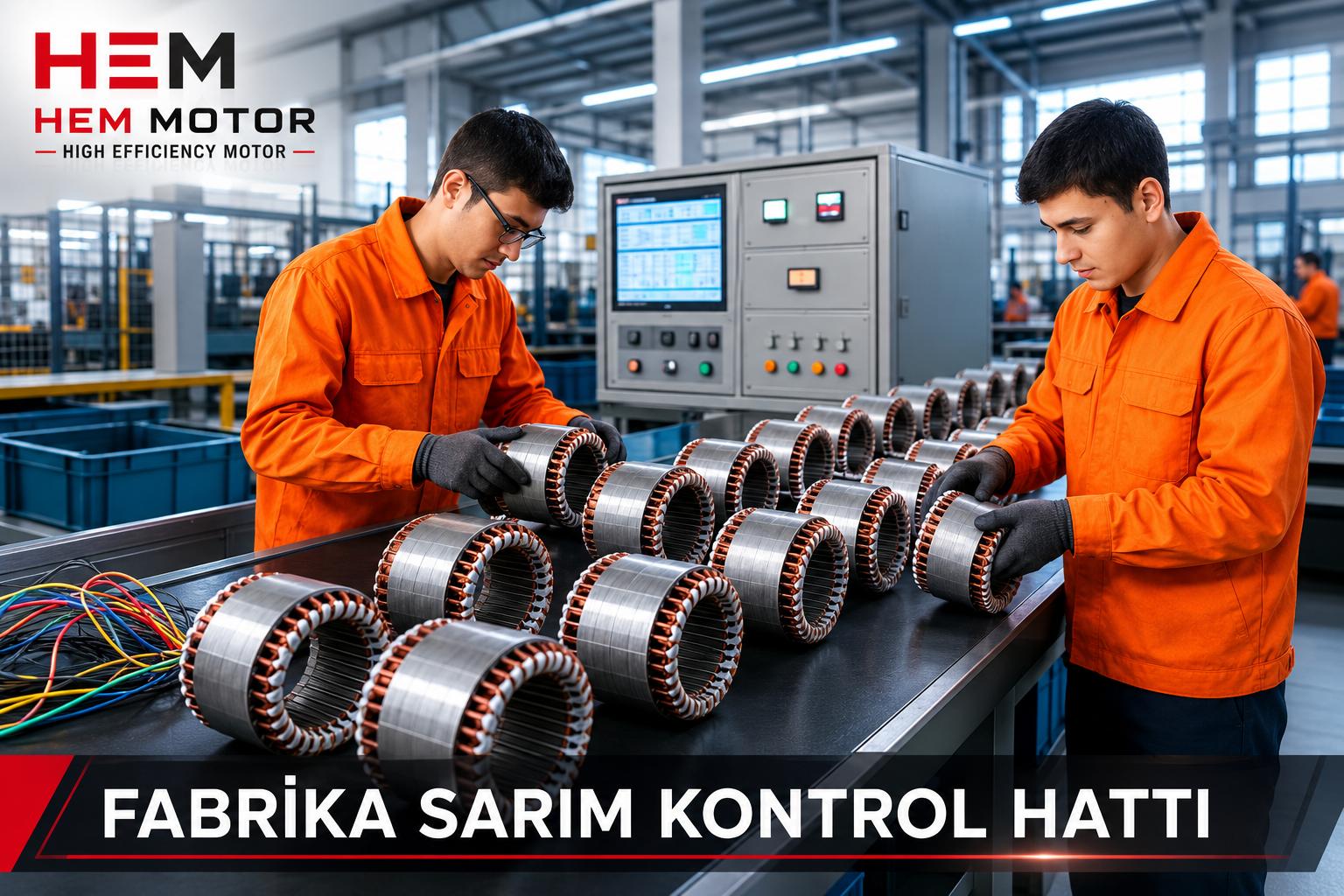
Why Is Continuity So Critical for an OEM?
For a standard end user, when a motor changes only that single motor is affected. For an OEM the situation is entirely different. When a machine model is designed, the motor is positioned according to the machine's mechanics, panel, frame mounting holes and even its outward appearance. If even one characteristic of the motor changes, that change affects the machine's design, assembly process and customer perception.
For example, a motor whose frame size changes may no longer fit the mounting holes in the machine chassis. A motor whose shaft diameter or length changes becomes incompatible with the pulley or coupling. A motor whose nameplate layout or colour changes gives the customer the impression that "the machine has changed" and undermines the brand's consistency. For this reason, motor continuity for an OEM is not just a technical matter but one directly tied to brand identity.
A reliable electric motor supply partner treats this continuity as a commitment. At the heart of serial production lies a predictable motor flow that stays the same in every batch.
Frame, Nameplate and Colour Continuity
The most visible building block of an OEM agreement is that the motor's physical and visual identity stays fixed. This continuity is handled under three main headings:
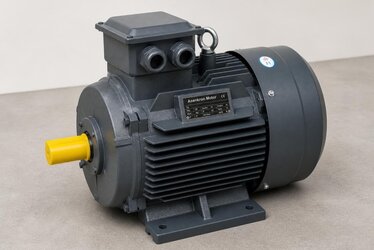
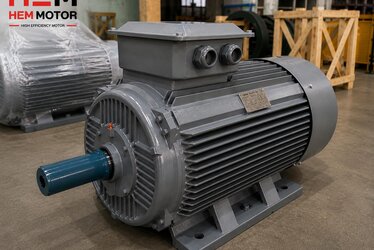
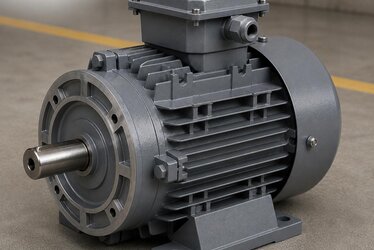
- Frame continuity: Frame size, the position of the mounting holes, shaft diameter and length, and connection type (foot, flange) must not change from batch to batch. This is the guarantee that the motor fits the machine identically.
- Nameplate continuity: The information, layout and brand application on the nameplate must stay consistent. Consistency in the documents shipped with the machine preserves the end user's confidence.
- Colour continuity: The motor's body colour is part of the machine's visual integrity. Seeing motors in different shades on the same model undermines the perception of quality.
Writing these three headings explicitly into the agreement prevents the "small but disturbing" changes that may arise later. For an OEM, the difference is hidden in the detail, and protecting these details is the essence of the agreement.
Call-Off Shipment: Keeping Pace With Production Speed
An OEM running serial production wants to take delivery of motors as needed, in line with its production tempo, rather than warehousing them all at once in large batches. This method is called call-off shipment. The builder agrees on a total annual or periodic quantity, but deliveries are called off piece by piece according to its own production plan.
The advantages call-off shipment offers the OEM builder are:
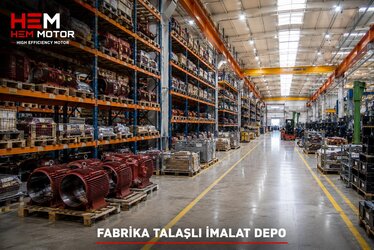
- Reduced warehouse load: Taking delivery as needed instead of warehousing a large motor stock at once frees warehouse space and tied-up capital.
- Alignment with production rhythm: Because deliveries are called off according to the production plan, the line never waits for motors and never over-stocks.
- Predictable price and terms: Because the total quantity is agreed in advance, supply terms stay predictable throughout the period.
- Stock assurance: Because the agreed quantity is planned on the supplier side, the motor being ready when a call-off is made is assured.
Call-off shipment is a balanced model that lets the supplier plan its production and the OEM ease its cash flow and warehouse. A well-designed call-off plan is the foundation of serial production flowing without interruption.
Revision Notification: No Surprise Changes
Over time a characteristic of a motor may be updated. This is a natural part of the industry. What is critical for the OEM is that such a change is never made without warning. Revision notification is the supplier's commitment to inform the OEM builder in advance of any change it will make to the motor.
This notification gives the OEM time to assess the change and, if necessary, adapt the machine design. A change made without warning means meeting a motor that does not fit on the production line, the assembly stopping and a delay. A revision notification made in advance, on the other hand, gives the OEM the following options:
- Testing and approving the change's effect on the machine.
- Calling off, if needed, a final batch compatible with the current design in advance.
- Updating customer documents and the catalogue in time.
The revision-notification clause forms the trust foundation of the agreement. The OEM can plan knowing that its motor will not one day change without warning.
The Transition From Prototype to Serial Production
Every OEM machine is first born as a prototype. At this stage the motor is tested together with the machine, its compatibility verified, and the power or connection details fine-tuned if necessary. When the prototype is approved, the truly critical step arrives: ensuring the motor used in the prototype can be supplied in serial production with exactly the same characteristics.
For this transition to be smooth, it is a great advantage if the motor chosen at the prototype stage is a standard model that can be supplied sustainably. A prototype made with a rare or special motor can create supply difficulty in serial production. For this reason, smart OEM builders design the prototype from the outset around a standard motor whose continuity is assured. To strengthen the continuity of serial production, you can review our broad product and solution range and make a motor choice that is suppliable over the long term for your machine.
Documentation and Traceability
An invisible but critical building block of an OEM agreement is documentation and traceability. When the OEM builder delivers its machine to the end user, it also provides the motor's technical documents, declarations of conformity and nameplate data. Keeping these documents consistent throughout the batches protects both the end user's confidence and the OEM's own documentation process.
Traceability makes it possible to track backward which batch was produced with which motor when a problem occurs. This offers great convenience especially in assessing field feedback and, if necessary, examining a particular batch. The supplier sharing batch information regularly allows the OEM to keep its own quality records complete.
- Technical document consistency: The motor's documents should stay in the same format and content throughout the batches.
- Batch traceability: It should be possible to track backward which machine was produced with which motor batch.
- Nameplate data continuity: The motor nameplate should match the documents given to the end user.
Securing Supply Continuity
One of the biggest risks for an OEM is a motor model being withdrawn from supply or facing long delays in delivery. Such a situation can require the machine to be redesigned or production to stop. The most effective way to manage this risk is to place supply continuity into the agreement as a commitment.
Supply continuity is secured by these elements: a commitment that the agreed motor model will be supplied for a defined period, an adequate transition window granted in case of a possible model change, and planned stock held for critical batches. When these elements come together, the OEM is sure its machine can be produced with the same motor for years. The call-off shipment model also supports this continuity, because the supplier plans the agreed quantity in advance and ensures the motor is ready when a call-off is made.
What to Look for in a Good OEM Supply Partner
When choosing a supply partner, an OEM builder should look not only at the motor's price and characteristics but also at the partner's capacity to manage continuity. A good supply partner offers a standard, broad product range, commits to frame, nameplate and colour continuity, notifies revisions in advance and supports flexible models such as call-off shipment.
In addition, a good partner provides technical support in the transition from prototype to serial production and treats supply continuity as a commitment. All of these qualities allow the OEM to produce at the same quality for years while preserving its machine's identity. The right supply partner is, for an OEM, not just a seller but a long-term business partner that protects the machine's identity.
Frequently Asked Questions
Is call-off shipment suitable for small-volume OEM builders too?
Yes, the logic of call-off shipment provides benefit regardless of volume. A small-volume builder can also set its total annual or periodic need in advance and call off deliveries piece by piece according to its production plan. This frees warehouse space and tied-up capital, and the line runs without waiting for motors. What matters is planning the total quantity predictably and agreeing with the supplier within that framework. The advantage becomes more pronounced as volume grows, but the basic benefit applies to the small builder too.
What should I do if the supplier makes a change to the motor?
In a well-designed agreement the supplier commits to informing you in advance, through a revision notification, of any change it will make to the motor. This notification gives you time to assess the change, test it on the machine and, if necessary, call off a final batch compatible with the current design in advance. To remove the risk of an unannounced change, the cleanest path is to add a revision-notification clause explicitly to the agreement. This way the risk of meeting a non-fitting motor on the production line is prevented from the start.
Which motor should I choose for the prototype so I have no problems in serial production?
At the prototype stage, choosing a motor in standard frame sizes that can be supplied sustainably over the long term is the smartest approach. A prototype made with a rare or special motor can create supply difficulty once serial production begins. Designing the prototype from the outset around a standard motor whose continuity is assured makes the transition from prototype to serial production smooth. This way the motor you choose this year can also be fitted identically to the same model produced years later.