English
 Türkçe

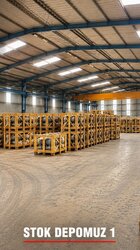
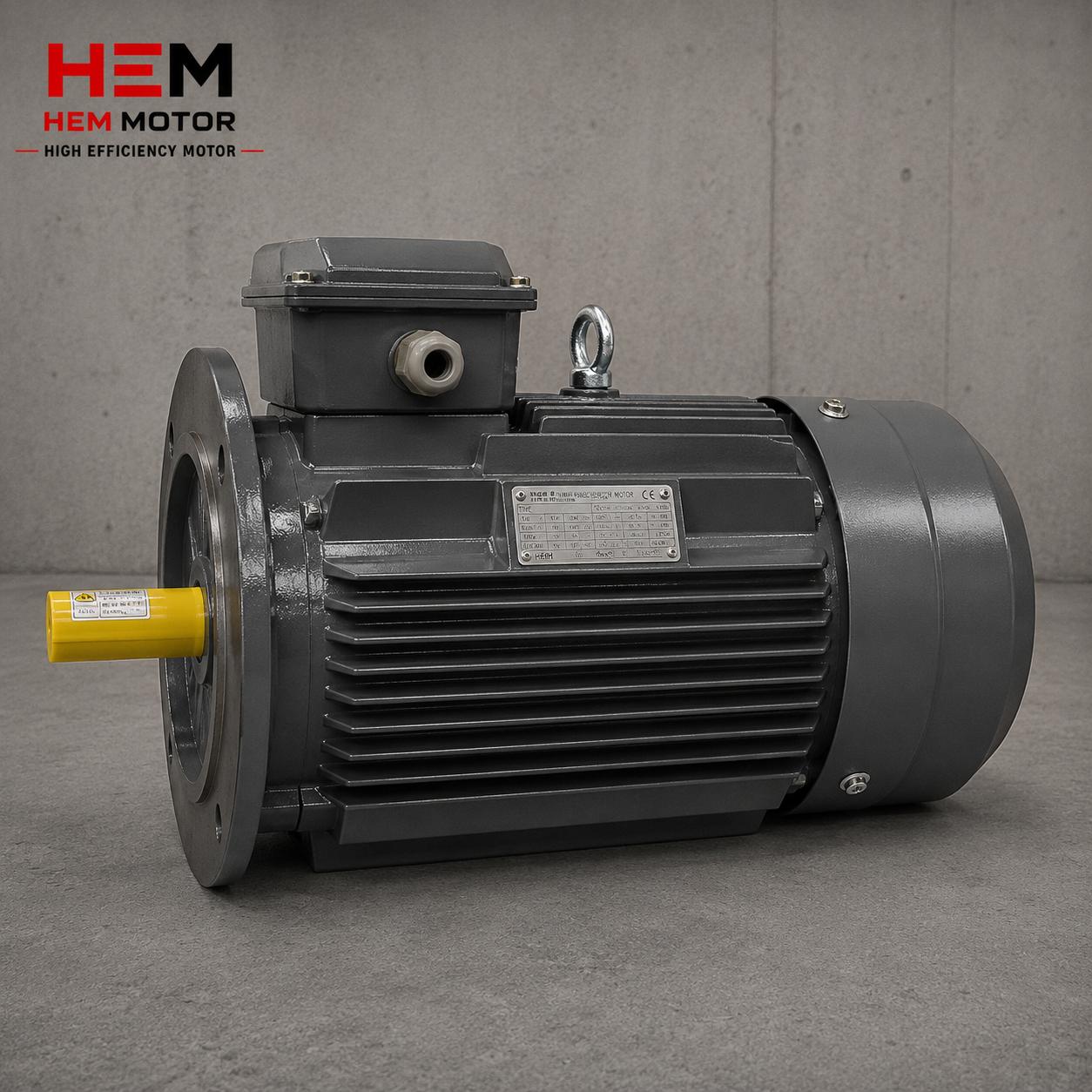

For a manufacturer who sells its machine abroad or an engineering firm building a facility overseas, the electric motor is not just a component; it is a supply item that must comply with the target market's power grid, regulations and customs documents. While Turkey and Europe use a 50 Hz grid, North America and many other countries use a 60 Hz grid. Sending a machine to a 60 Hz market requires that the motor on it be supplied so that it runs correctly at that frequency, carries the target-country certificates and is shipped with a complete document package. In this article we address the 60 Hz certified motor supply program for an exporter facility or an overseas project: the difference of 60 Hz performance from 50 Hz, the need for multi-voltage, certificates by target market (CE, EAC, and UL/CSA where required), the document package such as the declaration of conformity (DoC) and test report, and a commercial supply process that runs with export documentation. As HEM Motor, we supply IE3 and IE4 motors with multi-voltage and frequency options and export-oriented document support, so we can plan the motor suited to your machine's destination market in a single program.
Why a 60 Hz Motor? The Target Market Grid
An electric motor's speed and performance depend directly on the frequency of the grid that feeds it. Therefore, the grid frequency of the country the motor is going to is the starting point of the supply.
The Difference Between 50 Hz and 60 Hz
The synchronous speed of an asynchronous motor is proportional to the grid frequency; the same motor turns about one-fifth faster at 60 Hz than at 50 Hz. This speed change also alters the performance of the pump, fan or conveyor it is connected to. Therefore, if a machine is going to a 60 Hz market, you must make sure the motor and the load it drives deliver the expected performance at that frequency. We explained the effect of frequency on speed, power and torque in detail in our motor rated voltage and the 50/60 Hz difference: effect on speed, power and torque article; this difference is the basis of a correct order.
60 Hz Performance and Correct Sizing
Because the motor turns faster at 60 Hz, the power drawn on centrifugal loads (pump, fan) also changes; since power on these loads increases with the cube of speed, a motor selected for 50 Hz can be overloaded at 60 Hz. For this reason the power margin and load type must be calculated correctly in a 60 Hz application. The motor nameplate carrying both 50 and 60 Hz values guarantees that the machine works correctly in its destination market. This sizing decision directly affects the machine's performance commitment in the target country.
Multi-Voltage and Multi-Country Facilities
Besides frequency, voltage also varies from country to country. An export motor must be connectable to suit the voltage level of the market it is going to.
The Need for Multi-Voltage
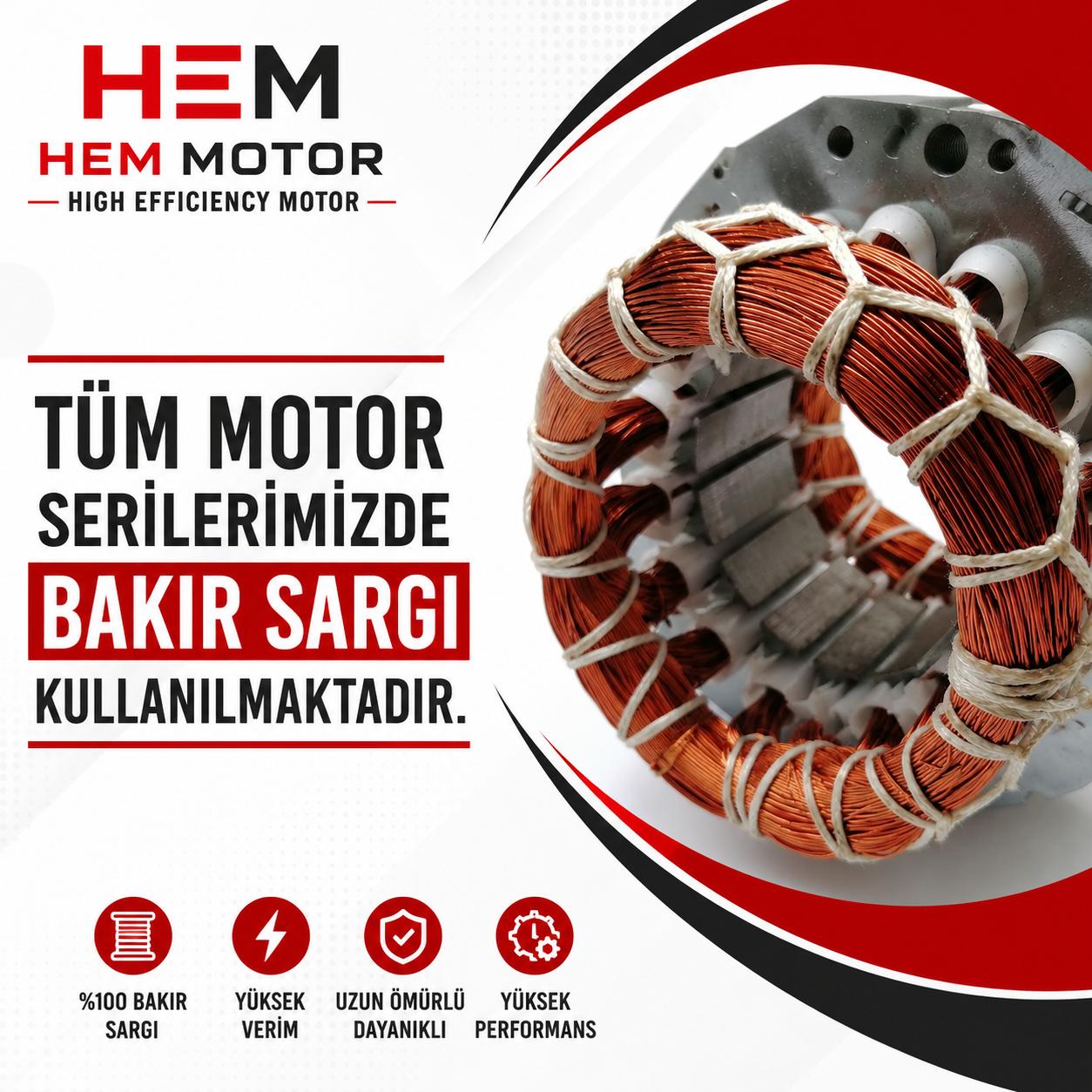
Different countries use different voltage levels; a motor's ability to adapt to more than one voltage with star/delta connection flexibility offers great convenience in export. This way the same motor can be used in different markets with a small connection change. We addressed multi-voltage and 50/60 Hz compatibility from the export and multi-country facility perspective in our multi-voltage and 50/60 Hz frequency compatibility in IE3 motors article. For the low-current advantage at high power, 690V connection is also an option; our 690V asynchronous motor selection: low current at high power and correct connection article explains this topic.
Terminal Connection and Labeling
On an export motor, the terminal connection diagram and the nameplate must be suitable for the target market, clear and correct. A wrong or incomplete nameplate can cause confusion during on-site commissioning and problems at customs. It is critical, both technically and commercially, that the voltage, frequency, connection type and performance values on the nameplate are compatible with the target country's standards. Therefore, in export orders the nameplate content must be clarified from the start.
Target Market Certificates
A motor's ability to enter the target market depends on it carrying the conformity marks and certificates that market requires. A missing certificate can cause the machine to be held at customs or be unable to enter the market.
CE Marking and the European Market
Motors entering the European Union market must carry the CE mark and comply with the relevant directives (low voltage, EMC, Ecodesign efficiency). CE shows the product's conformity with EU legislation and is documented with the declaration of conformity (DoC). We addressed what CE and the declaration of conformity mean, together with MEPS certification, in our CE and declaration of conformity (DoC) in IE3 motors: MEPS certification article.
EAC, UL/CSA and Regional Documents
For the Eurasian Customs Union market (Russia, Belarus, Kazakhstan, etc.) the EAC mark is required. In the North American market, documents such as UL or CSA may be requested. Which document is required varies by the country and sector the machine is going to. Therefore, the first step of the supply program is to clarify which certificates the target market makes mandatory. In terms of export-oriented efficiency and carbon regulations, our carbon border (CBAM) and exporter facilities with high-efficiency motors article also points to a growing requirement.
Document Package: DoC and Test Report
As important as the certificate itself is the document package that proves it. In export, the paperwork that travels with the motor is required for customs and customer acceptance.
Declaration of Conformity (DoC)
The declaration of conformity is the document in which the manufacturer officially declares that the product complies with the relevant standards. When the machine manufacturer builds its own conformity file, it needs the DoC of the motor on the machine. Requesting this document at the order stage ensures the export file is prepared completely.
Test Report and Efficiency Document
Some markets and customers request documents showing the motor's efficiency values and test results. Efficiency measured by an international test method proves the reliability of the nameplate value. These documents are part of the acceptance process, especially in public tenders and large projects. Planning the document package from the start prevents delays caused by missing documents after shipment.
Export Documentation and the Commercial Supply Program
The supply of 60 Hz certified motors is not just a technical selection; it is a commercial program that runs with shipping and customs documents. A well-built program provides continuity rather than one-off orders.
Shipping and Customs Documents
In an export shipment, the certificate of origin, invoice, packing list and, where needed, special declarations are part of the customs process. Sending the motor together with its document package, with correct packaging and a shipping plan, ensures smooth acceptance both at customs and at the destination. We addressed the difference in delivery, warranty and service between imported and domestic-from-stock supply in our imported motor or domestic from stock article; for export, local and fast supply often provides an advantage.
OEM and Project-Based Continuity
For an OEM that serially produces its machine, it is critical that motor supply be continuous, standard and documented; each batch must come with the same specification and the same document package. Our motor supply agreements for OEM machine manufacturers: continuity in serial production article explains this model. For one-off large projects, our project-based bulk electric motor supply: a process for contracting and engineering firms article describes managing multiple motors in a single program. We addressed the advantage of port proximity for export logistics in our electric motor supply to the exporter industry of the Izmir Alsancak Port and logistics zone article.
60 Hz Certified Supply Checklist
For 60 Hz certified motor supply for an export machine or overseas project, follow the steps below:
- Clarify the target country's grid frequency (60 Hz) and voltage level.
- Verify 60 Hz performance and power margin by load type (especially pump/fan).
- Evaluate multi-voltage and star/delta connection flexibility.
- Determine the target market's mandatory certificates (CE, EAC, UL/CSA if needed).
- Request the document package: declaration of conformity (DoC), test report and efficiency document.
- Confirm that the nameplate and terminal diagram are suitable for the target market and correct.
- Plan the export documentation (origin, invoice, packing list).
- For OEM/serial needs, set up a continuous and standard supply program.
Frequently Asked Questions
Can a motor selected for 50 Hz be used on a 60 Hz grid?
The motor turns faster at 60 Hz and its performance changes; because the power drawn on centrifugal loads (pump, fan) increases with the cube of speed, it can be overloaded compared to 50 Hz. For this reason, a machine going to a 60 Hz market should have a motor correctly sized for that frequency, preferably one carrying both 50 and 60 Hz values on its nameplate. Before direct use, the load type and power margin must be checked.
Which certificates are required on an export motor?
This depends on the market the motor is going to. For the European Union the CE mark and declaration of conformity (DoC), for the Eurasian Customs Union the EAC, and for North America UL or CSA may be requested where needed. The first step of the supply program is to clarify which certificates the target country makes mandatory, because a missing document can cause the machine to be held at customs.
Why should the document package be requested from the start in an export order?
Because the machine manufacturer needs the motor's declaration of conformity (DoC) and, where needed, test/efficiency reports when building its own conformity file. If these documents are sought after shipment, delays occur in customs and customer acceptance. Planning the document package at the order stage ensures the export file is complete and ready on time.
Get a Quote
If you want to set up a 60 Hz certified motor supply program for your export machine or overseas project, share the target country, the grid frequency and voltage, the required certificates and your document expectation with us. Our expert team will plan the process with you, from correct frequency-voltage selection to the document package and export documentation. You can call us at +90 (532) 345 49 86 or send your request via our contact page. You can review our product range on our products page and explore our sales and dealers category and our home page (HEM Motor) for sales and supply processes.