English
 Türkçe

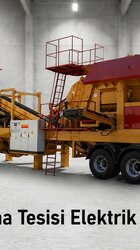
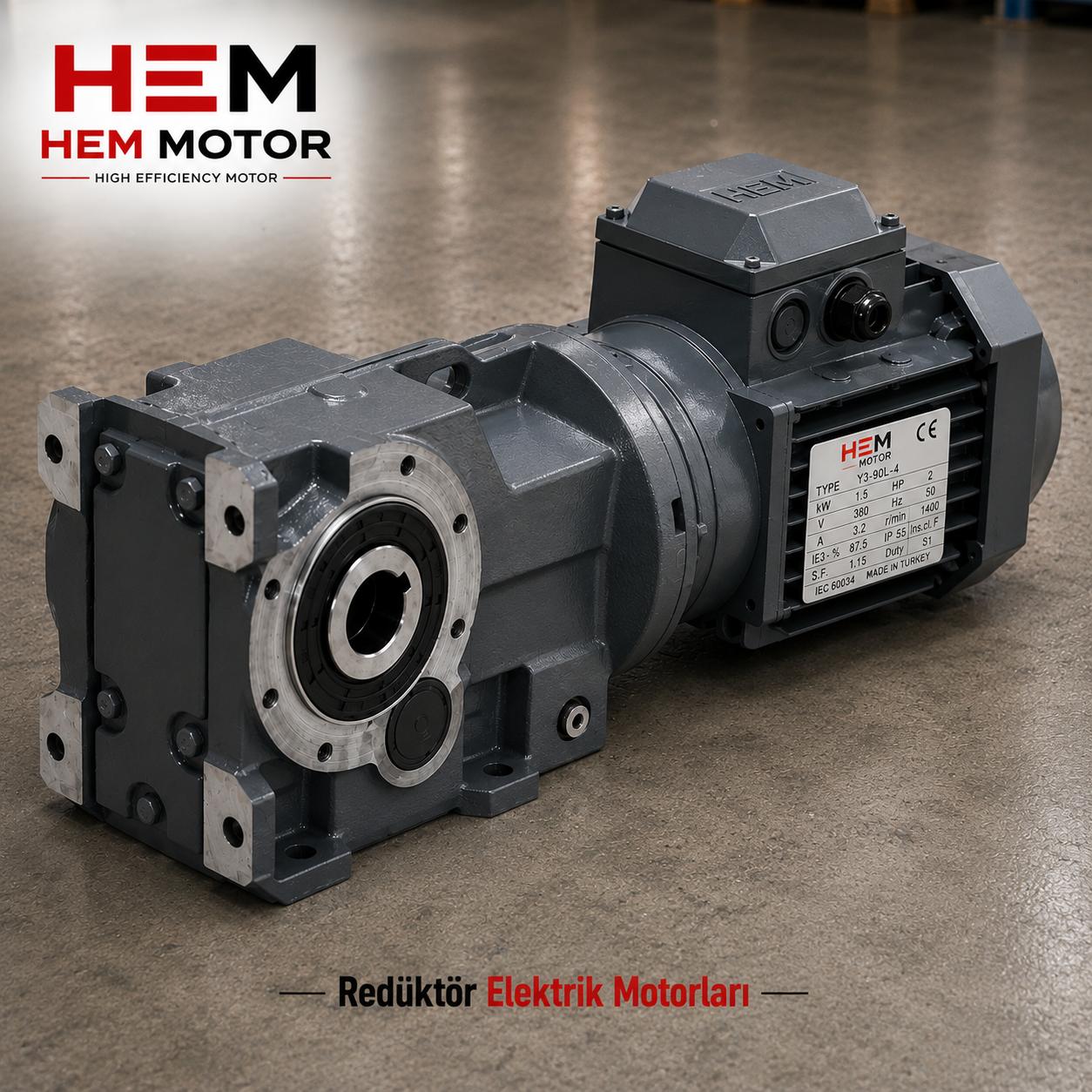

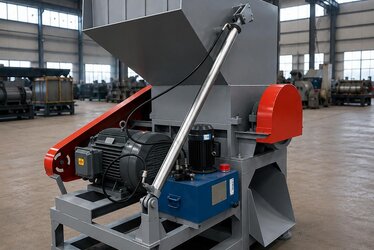
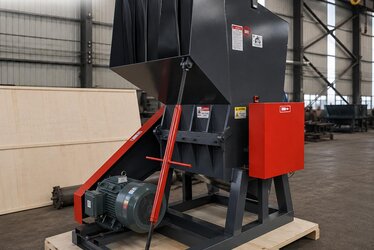
A hammer mill is a heavy-duty machine used across a wide range of industries, from grinding grain and raw materials in feed factories to fine-crushing material in mining and recycling plants, where rotating hammers shatter the material by impact against a screen. The heart of this machine is the electric motor, and selecting it is nothing like choosing an ordinary fan or pump motor. In a hammer mill, the motor must accelerate a high-inertia rotating mass at start-up and then carry a continuous, impact-laden load for hours in heavy duty. A poorly chosen motor will either struggle and overheat during start-up and trip the fuse, or burn out prematurely under sustained heavy load. In this guide we examine hammer mill motor selection from an engineering perspective: high inertia (GD²), flywheel drive, continuous heavy duty (S1), dust protection and correct power sizing.
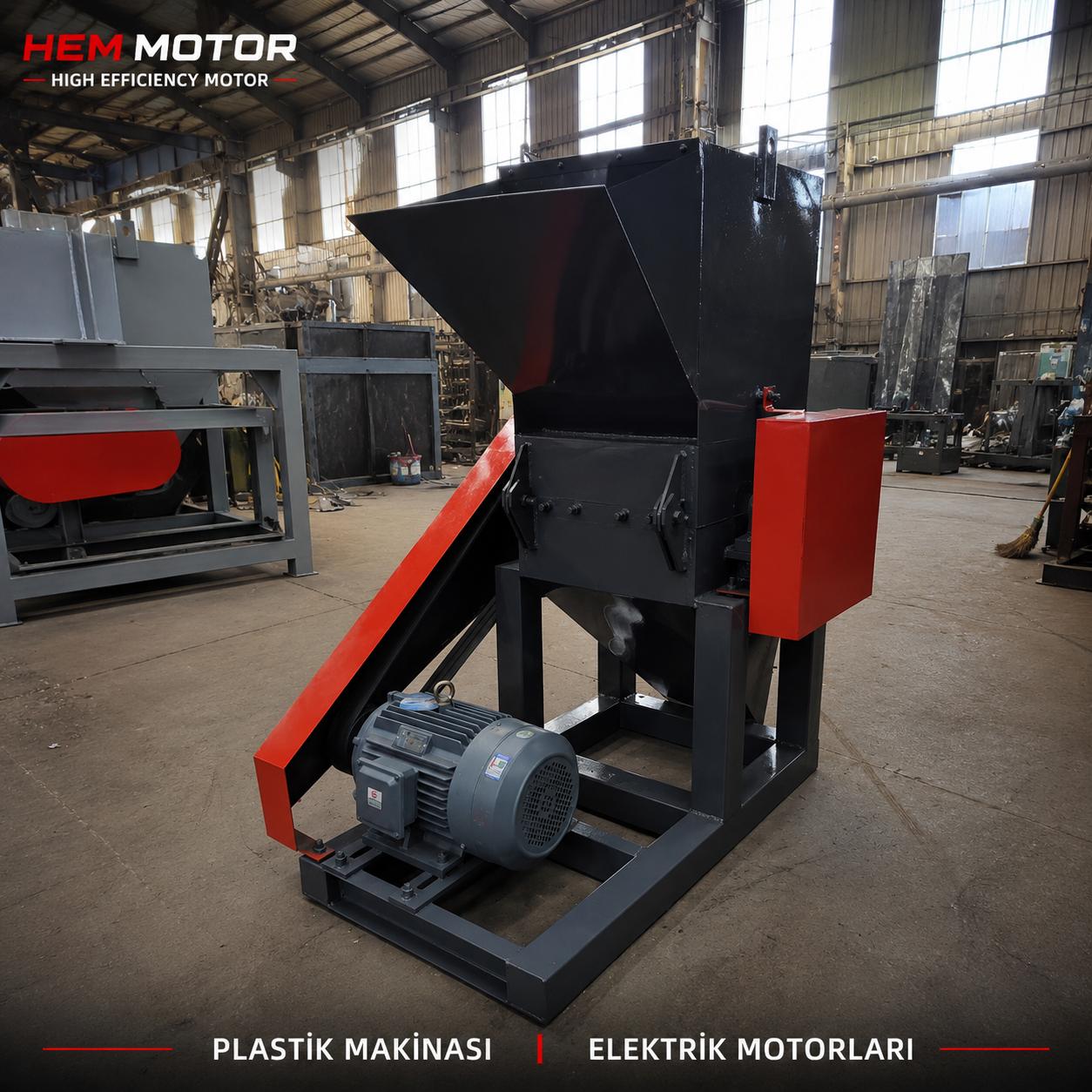
Load Character in a Hammer Mill: Why a Special Motor Is Needed
The load profile of a hammer mill differs fundamentally from a typical continuous-load machine. Dozens of hammers swinging freely on the rotor pull the load up instantly each time they strike the material; when material flow is irregular, these impacts turn into irregular peak loads. The motor must carry both the average load and these sudden peak torques. This is exactly where the high inertia created by the rotor and hammers comes into play.
High Rotor Inertia (GD²) and the Start-Up Challenge
The rotor of a hammer mill, together with its hammers and pulley, has a significant mass moment of inertia (GD² or J). This inertia requires the motor to produce high starting torque for an extended period to bring the machine from zero to full speed. The longer the start-up takes, the more the motor winding heats up under continuous high current rather than running idle. Because the inertia can reach tens of times the motor's own rotor inertia, a standard motor may reach its thermal limit during start-up. Therefore a hammer mill motor needs both sufficient starting torque and the thermal capacity to withstand high starting current. Our article on impact-load motor selection, flywheel and inertia covers the details of this calculation.
Flywheel Drive: The Solution That Softens Impact
In hammer mills the drive is usually via V-belts and a pulley, and the pulley often also acts as a flywheel. The flywheel adds extra inertia to the rotor and softens impact loads: when a hammer strikes the material, part of the load is supplied by the kinetic energy stored in the flywheel, so the instantaneous peak load seen by the motor is reduced. This lets the motor run under a smoother load, and both the motor and the grid voltage fluctuate less. For correct flywheel-pulley and belt selection, our guide on motor speed and pulley diameter in V-belt drives offers practical information.
Power and Speed Selection: How Many kW, Which Pole Count?
Hammer mill motors usually run at high speed (2-pole, 3000 rpm), because the higher the peripheral speed of the hammers, the greater the impact energy and grinding efficiency. In feed and grain applications 3000 rpm is common. The power depends on the hardness of the material to be processed, the capacity (tons/hour) and the fineness of the screen aperture; fine grinding requires more power. In the HEM Motor range, these machines typically use cast iron motors in IE3 and IE4 efficiency classes from 0.55 kW up to 355 kW. To get the power calculation right, we recommend our motor power calculation and correct sizing articles.
2-Pole or 4-Pole?
For compact, directly coupled hammer mills a 2-pole (3000 rpm) motor is preferred. However, in designs where speed is reduced and torque increased via belt and pulley, a 4-pole (1500 rpm) motor with an appropriate pulley ratio can be selected. Since pole selection directly affects the torque-speed balance, our article on 2/4/6 pole selection in asynchronous motors guides this decision. In high-speed applications vibration and balancing become more critical; you can assess motor quality with our ISO 10816 vibration acceptance values guide.
Continuous Heavy Duty (S1) and Thermal Endurance
In a production line a hammer mill usually runs uninterrupted throughout the shift; that is, the duty type is S1 (continuous) and often close to full load. In this case the motor's heat management is critical. Class F insulation with a Class B temperature rise (leaving a temperature reserve below the insulation limit) is ideal for long life. To correctly understand duty type, see our duty type (S1-S6) selection guide, and to monitor winding temperature, our PT100 and PTC thermistor temperature monitoring guide.
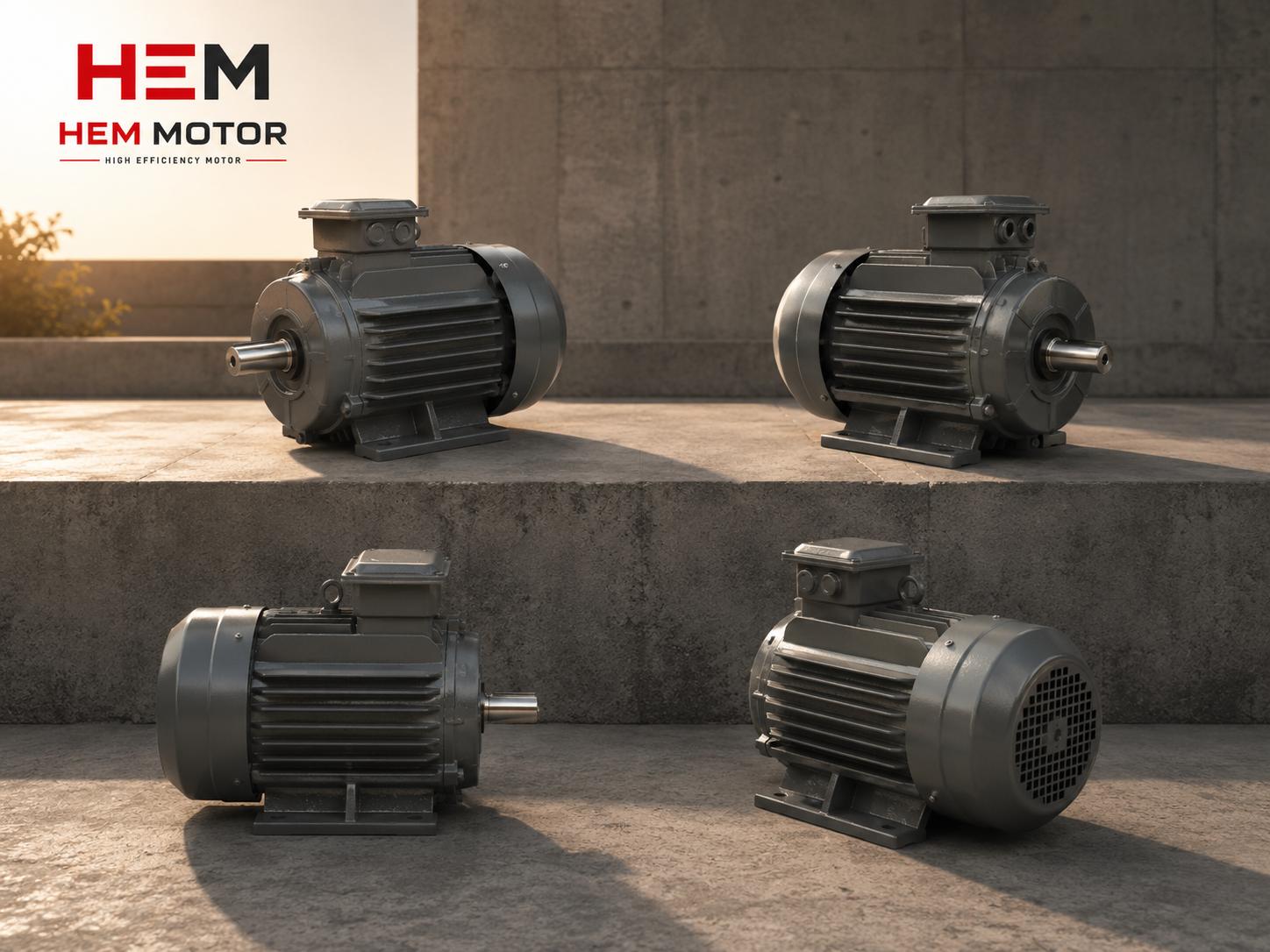
Insulation Class and Heat Reserve
In a dusty, hot mill environment the cooling fins easily collect dust, which weakens cooling and raises winding temperature. For this reason a Class F (155°C) or, if necessary, Class H (180°C) insulation should be chosen, following the recommendations in our insulation class in hot and dusty environments article. You can find the effect of temperature rise class on life in detail in our temperature rise class (80K) article.
Dusty Environment and IP Protection: IP55, IP65 and Beyond
By its nature a hammer mill produces intense dust. Ground flour, bran, mineral dust or recycling particles remain suspended in the air and try to seep into the motor. While standard IP55 protection is sufficient for many feed applications, IP65/IP66 protection is recommended in mining or recycling plants with very fine and aggressive dust. Our IP protection class selection (IP55, IP65, IP66) article explains which class is needed in which environment; we share our crusher-side experience in our dust sealing and IP65/66 article.
Cast Iron Body: Impact and Rigidity
In an impact-laden machine like a hammer mill, vibration is inevitable. An aluminium-body motor cannot withstand this vibration over the long term, which is why a cast iron body is standard. Cast iron contributes both to mechanical impact resistance and to frame rigidity. We covered this in depth in our impact resistance and rigidity in cast iron bodies and cast iron vs aluminium articles.
Starting Method: DOL, Star-Delta and Soft Starter
With a high-inertia load, direct-on-line (DOL) starting both draws high starting current and creates a harsh torque shock on the belt-pulley and machine. For this reason star-delta or a soft starter is preferred at medium and large powers. A soft starter extends belt life by reducing starting current and mechanical shock. To compare starting methods, review our star-delta vs soft starter, crusher motor starting and, for large powers, liquid resistance starter (LRS) articles.
Starts Per Hour
In high-inertia machines, frequent start-stop causes the motor to overheat, because every start is thermally demanding. Therefore the number of starts per hour for a hammer mill motor must be limited. For details, see our starts per hour limit and starting current (LRA) articles.
Bearings, Lubrication and Maintenance
An impact-laden, dusty environment is the greatest enemy of bearing life. Reinforced bearings, the right oil seal and regular greasing significantly extend motor life. Our bearing life in crusher and mill motors, bearing type and life and oil seal and sealing articles form the basis of your maintenance plan. For a general maintenance schedule, check our periodic maintenance schedule article.
Related Product and Sector Pages
Since hammer mills are mainly used in feed factories and mills, our feed factory and mill motors, flour factory electric motors and, on the recycling side, recycling and plastic crushing motors articles are directly relevant. For agricultural applications see our agricultural machinery motor purchase article, and for our full product range visit the HEM Motor home page.
Frequently Asked Questions
How many poles should I choose for a hammer mill?
For compact, directly coupled mills a 2-pole (3000 rpm) motor is usually preferred so the hammers reach high peripheral speed. In designs where speed is reduced via belt and pulley, a 4-pole (1500 rpm) motor can also be used; the desired rotor speed is then obtained through the pulley ratio. The decision should be based on hammer-tip speed and screen fineness.
My motor struggles to start because of high inertia; what should I do?
First make sure the motor has the starting torque and thermal capacity suited to this machine. Then reduce starting current and mechanical shock with a soft starter or star-delta. Correctly calculating the flywheel-pulley inertia and limiting the number of starts per hour will also largely solve the start-up problem.
Which IP protection class is sufficient in a dusty feed environment?
For most feed and grain applications IP55 is sufficient. However, in mining and recycling applications with very fine, aggressive or moist dust, IP65/IP66 is recommended. Whichever class you choose, regular cleaning of the cooling fins is the most important maintenance step for extending motor life.
Get a Quote
Let us help you quickly select the right IE3/IE4 cast iron motor in the correct power, speed, IP protection and frame type for your hammer mill. Share the nameplate data of your current motor, your capacity and your screen fineness; together we will determine a suitable stock motor and delivery time. Reach us now through our contact page or call us at +90 (532) 345 49 86. To speed up the quotation process, you can review our information needed when requesting a quote article.
Purchasing and Selection Checklist
- Have the machine capacity (tons/hour) and the hardness of the processed material been determined?
- Has the required power (kW) been calculated considering inertia and continuous load?
- Has the speed/pole selection (2 or 4 pole) been made according to hammer-tip speed?
- Have duty type S1 (continuous) and Class F/H insulation been verified?
- Has IP55/IP65/IP66 protection suitable for the dusty environment been selected?
- Have a cast iron body and reinforced bearings been chosen?
- Has the starting method (DOL, star-delta, soft starter) been determined according to inertia?
- Have the flywheel-pulley inertia and belt tension been planned?
- Has the limit on starts per hour been taken into account?
- Has an oil seal, greasing and periodic maintenance program been set up?