English
 Türkçe


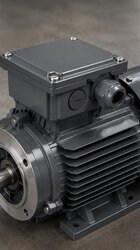
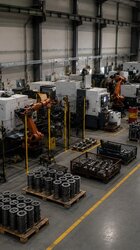
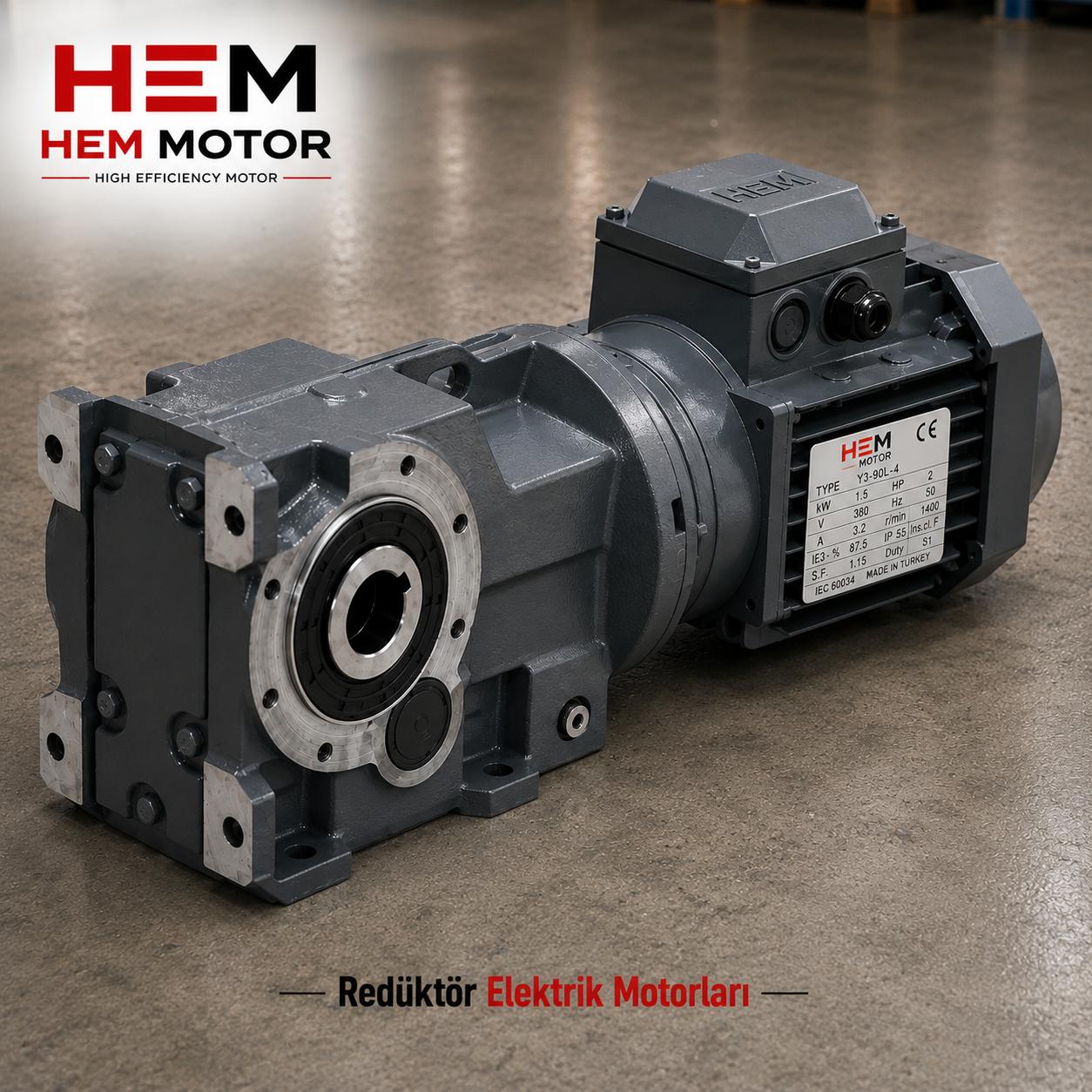

Foundries and casting mold plants host one of the harshest operating environments in all of industry. High temperatures, constant dust, metal particulate load, vibration and uninterrupted production pressure make every electric motor used here a serious engineering decision. From the sand mixer (muller) drive motor to the core machine motor, from the shakeout screen and vibration motor to dust-collection fans and pumps, every piece of equipment in the plant needs a motor selected with the right power, the right protection class and the right frame material. In this guide we cover electric motor and gearbox supply for foundry and casting mold plants from start to finish: kW selection, pole/speed, IP protection, insulation class, frame type, gearbox matching, VFD use and lead time. Our goal is to give both the maintenance engineer and the purchasing officer a clear technical framework when requesting a quote.
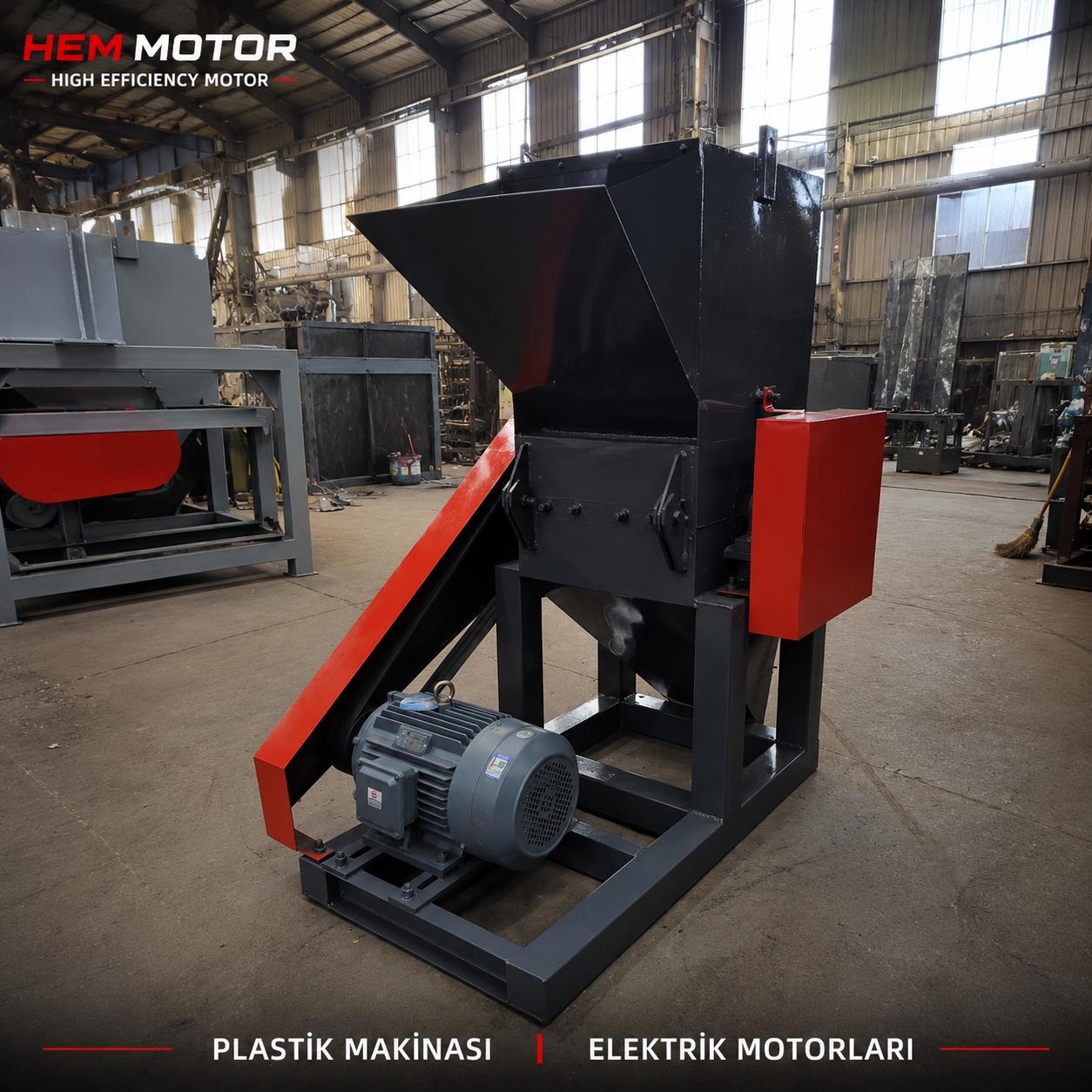
What Does the Foundry Environment Demand From a Motor?
In a casting facility, the conditions a motor faces are far more severe than in a standard factory. Molten metal heat, sand thermal treatment and the radiant heat of furnace zones raise the ambient temperature, which directly affects insulation class and duty type selection. At the same time, fine sand and graphite dust floating in the air can damage the bearings and windings of a poorly sealed motor in months rather than years. That is why, for foundry motors, we evaluate three core criteria without compromise: high protection class (IP55 base, IP65/IP66 on request), high-temperature insulation (F standard, H class when needed) and a cast-iron frame for heavy duty. We covered the details of these three topics in depth in our article on hot and dusty environment motor insulation class and cast iron; you can find a similar heavy-duty scenario in our rolling mill and foundry heavy-duty motor content.
Why Is a Cast-Iron Frame Essential?
For the vast majority of foundry applications we choose cast iron as the frame material. A cast-iron frame is far more resistant to mechanical impact, vibration and thermal load than aluminum; in continuously vibrating equipment such as sand mixers and vibration screens, this difference shows up directly as service life. An aluminum frame only makes sense for low-power auxiliary drives away from vibration. We explained which frame is right for which application with examples in our cast iron vs aluminum frame comparison. For factors affecting the bearing life of cast-iron motors, our bearing and bearing life guide, and for maintaining cooling fins under dirt and dust, our cooling fin dirt cleaning article, are practical references.
Sand Mixer (Muller) Drive Motor
On the sand preparation line, considered the heart of the foundry, the sand mixer (muller or kneading mixer) has a heavy and continuous load profile. Here the motor must rotate a viscous and abrasive sand-bentonite-water mixture with high torque; it demands high inertia at start and constant, high torque while running. For this reason, on sand mixer drives we typically use 4 or 6 pole motors (1500 or 1000 rpm synchronous, ~1450/960 rpm with slip), usually together with a gearbox. The power range varies over a wide band from 7.5 kW to 90 kW depending on the application; on large batch mixers, cast-iron motors of 110 kW and above also come into play. Since our production range includes asynchronous motors from 0.55 kW to 355 kW, it is possible to produce a solution suitable for almost any mixer size.
On drives that require low speed and high torque, such as a sand mixer, the healthiest approach is to connect the motor through a gearbox rather than directly. When low output speed and a compact structure are required, worm gear reducers (HEM30–HEM130 frame, 1/7.5 – 1/100 ratio range, self-locking feature) are ideal. For continuous drives requiring higher efficiency and large torque, bevel-helical reducers or helical-worm gear reducers (HEM H75/H130/H150) are preferred. To correctly calculate the output speed and required output torque in motor-gearbox matching, our motor power calculation (pump/fan/conveyor kW) article provides step-by-step guidance.
Starting Method and Torque Class
Starting the sand mixer fully loaded demands a high starting torque from the motor. With direct-on-line starting, the high inrush current can stress the grid and the mechanics; therefore, on medium and large powers we recommend star-delta starting or a softstarter. For the correct choice of starting method, see our asynchronous motor star-delta and softstarter guide. In applications requiring high starting torque, the torque class of the motor is also critical; you can find the difference between Design N and Design H and which is suitable for which drive in our torque class Design N/H starting content.
Core Machine Motors
Core production machines (cold-box, hot-box, shell core) require lower power but more precise drives than the sand mixer. For mixing, compaction, blowing and shaft movements, 2 or 4 pole motors (3000/1500 rpm) in the 0.55 kW – 22 kW band are generally used. Since the core area contains sand dust along with resin and gas vapor, at least IP55, preferably IP65 protection class is important here too. On motors working near heating plates in the hot-box process, H class insulation instead of F is a safer choice due to the high ambient temperature. When variable speed is required on the moving axes of the core machine, we supply motors with drive-compatible windings and insulation, suitable for operation with a VFD (frequency inverter).
Duty Type: S1 or S6?
In the foundry, most main drives run continuously; S1 continuous duty is essential for the sand mixer, dust-collection fan and main conveyors. In contrast, the core machine and some molding stations have a cyclical, intermittent load profile, so S6 intermittent duty may apply. The wrong duty type selection means either an unnecessarily large motor or early overheating. To determine the correct duty type, our electric motor duty type S1/S6 selection article offers a clear decision framework.
Shakeout Screens and Vibration Motors
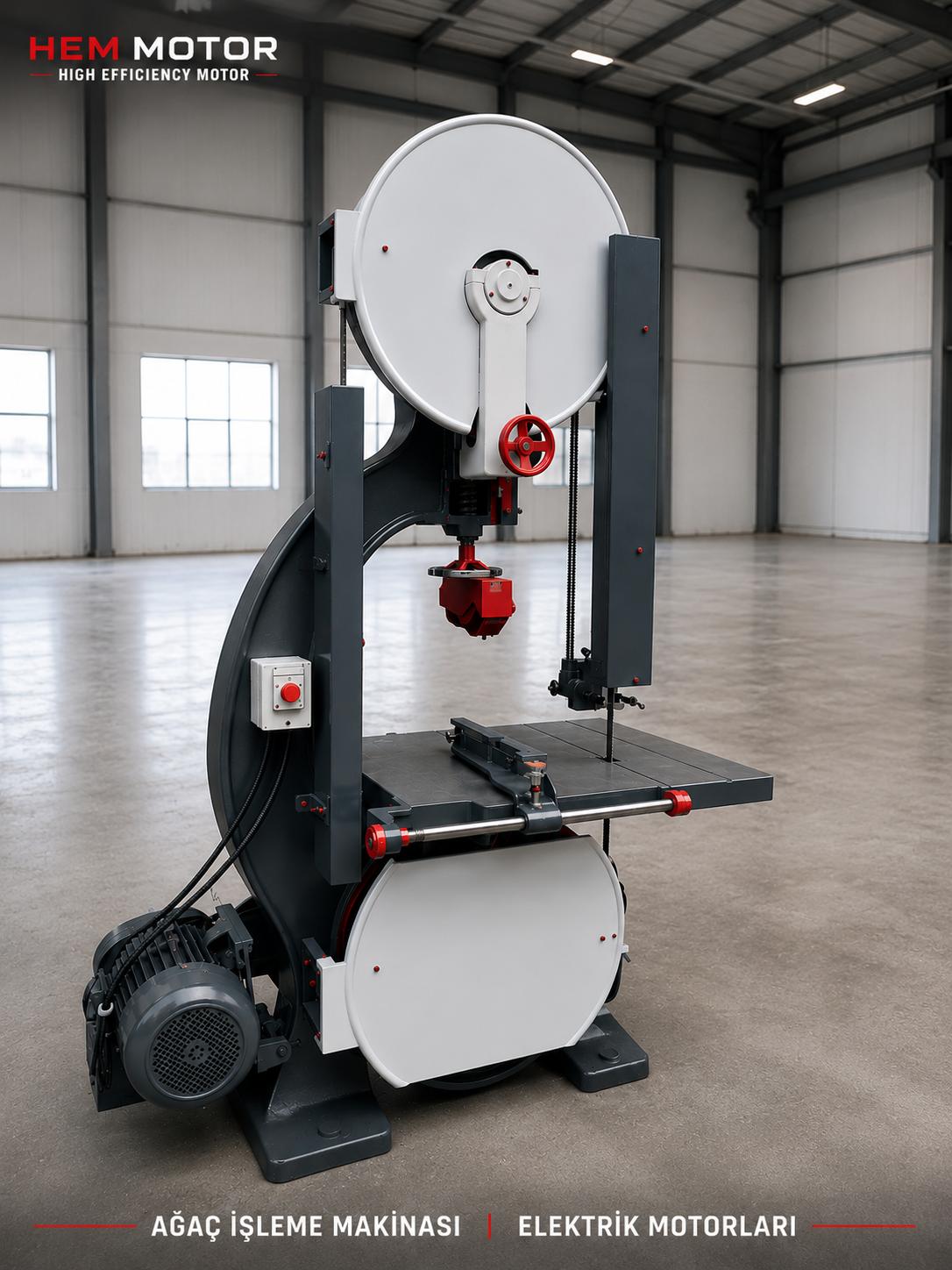
After casting, breaking the mold and separating the part from the sand is done with shakeout screens and vibrating screens. This equipment runs the motor under continuous vibration and impact load. Vibration motors are specially balanced, manufactured with reinforced bearings and a high protection class; using a standard motor for this task means early failure. On shakeout drives, a cast-iron frame is critical for resistance to vibration. On vibration and screen motor selection, our feeder, bunker and vibration motor article is a directly applicable resource. For the relationship between motors working under impact load and flywheel and inertia, you can refer to our impact load, flywheel and inertia content.
Dust-Collection Fans, Pumps and Conveyors
The auxiliary systems of the foundry are at least as important as the main drives. Aspirators and dust-collection fans that draw sand and fume dust run continuously and usually at high power; here, 2 or 4 pole motors selected according to the correct blade curve are required. We detailed fan motor selection in our aspirator and dust-collection fan motor selection article. When energy efficiency comes to the fore, our IE4 threshold in pump/fan/compressor content guides you in evaluating the IE4 threshold on fan and pump drives. For cooling water and mold sand moistening pumps, B5 or B35 mounted motors; for conveyor and elevator drives, low-speed geared motors are standard solutions.
Mounting Types: B3, B5, B35
Not every piece of equipment in the foundry demands the same mounting type. B3 for foot-mounted general drives, B5 (large flange) or B14 (small flange) for pump and gearbox flange connections, and B35 (foot + large flange) for conveyor and mixer drives that require both foot and flange. The correct mounting type is decisive for both mechanical connection and ease of maintenance. For the full list of mounting types and selection logic, you can review our efficient electric motors product page.
IP Protection Class: The Key to a Dusty and Hot Environment
In the foundry, the single most important parameter determining motor life is the protection class. Although standard IP55 is sufficient for many zones, IP65 or IP66 protection in sand preparation, shakeout and dust-intensive areas prevents fine dust from entering the motor and damaging bearings and windings. In sections where washdown cleaning is performed, IP66 is directly recommended. We clearly explained what the IP digits mean and which class to choose in which environment in our electric motor IP protection class selection article. You can find similar dusty plant examples in our fertilizer and lime plant dusty environment and brick and roof tile factory motor supply content.
Efficiency, VFD and Protection Devices
On continuously running foundry motors, the efficiency class directly affects operating cost. With IE3 Premium as the base, IE4 Super Premium and IE5 Ultra Premium options with synchronous reluctance technology shorten the payback period on high-operating-hour fan, pump and mixer drives. On drives requiring variable load and speed, using drive-compatible motors with a VFD provides both energy savings and soft starting. For the correct selection of devices that protect the motor, such as thermal, phase protection and overload relays, our protection devices purchasing guide offers a practical checklist. You can reach all of our motor and gearbox solutions from our homepage.
Foundry Motor Selection and Purchasing Checklist
- Clarify the application: is it a sand mixer, core machine, shakeout screen, fan, pump or conveyor drive?
- Calculate the required power (kW) from load and speed; do not forget the service factor (SF).
- Choose speed/pole: 2/4/6/8 pole (3000/1500/1000/750 rpm) according to the application speed need.
- Frame material: cast iron for vibrating and heavy-duty drives, aluminum for low-power auxiliaries.
- Protection class: at least IP55; IP65 in dusty/hot zones, IP66 in washdown zones.
- Insulation: F standard; H class for areas near furnaces and hot-box.
- Duty type: S1 on main drives, S6 on cyclical core/molding stations.
- Mounting type: B3 / B5 / B14 / B35 / B34 according to equipment connection.
- Gearbox: worm gear for low speed, bevel-helical or helical-worm for high efficiency.
- Starting: star-delta or softstarter at medium/large power; VFD for variable speed.
- Efficiency: evaluate IE4/IE5 on high-operating-hour drives.
- Gather all data before requesting a quote; use our required info when requesting a quote list.
Frequently Asked Questions
Which protection class motor should be used in a foundry?
IP55 may be sufficient in general zones; however, in sand preparation, shakeout and dust-intensive areas we recommend IP65. In zones where water or pressure washing is performed, IP66 protection is the safest choice. A high protection class significantly extends bearing and winding life by preventing fine sand and graphite dust from entering the motor.
Should I supply a motor or a motor-gearbox unit for the sand mixer?
Since the sand mixer is a drive requiring low speed and high torque, it is almost always supplied as a motor-gearbox unit. A worm gear is preferred for a compact and self-locking solution, and a bevel-helical or helical-worm gearbox for high efficiency and large torque. After the correct output speed and torque are calculated, the appropriate gearbox ratio is determined.
How long is the lead time?
Fast delivery from manufacturer stock is possible for standard power ratings and frames; for requests such as special protection class, H insulation or special gearbox ratio, the lead time is determined according to the application. To learn the most accurate timeframe, simply contact us with your technical data.
Get a Quote
For your foundry and casting mold plant, we supply sand mixer, core machine, vibration screen, dust-collection fan, pump and conveyor motors with the right kW, pole, protection class, insulation and gearbox matching. Share your application with us and let us offer a clear solution with the advantage of manufacturer stock and fast lead time. Reach us now from our contact page or call us at +90 (532) 345 49 86. You can start by reviewing our efficient electric motors and worm gear reducers product groups.