English
 Türkçe


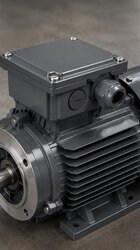
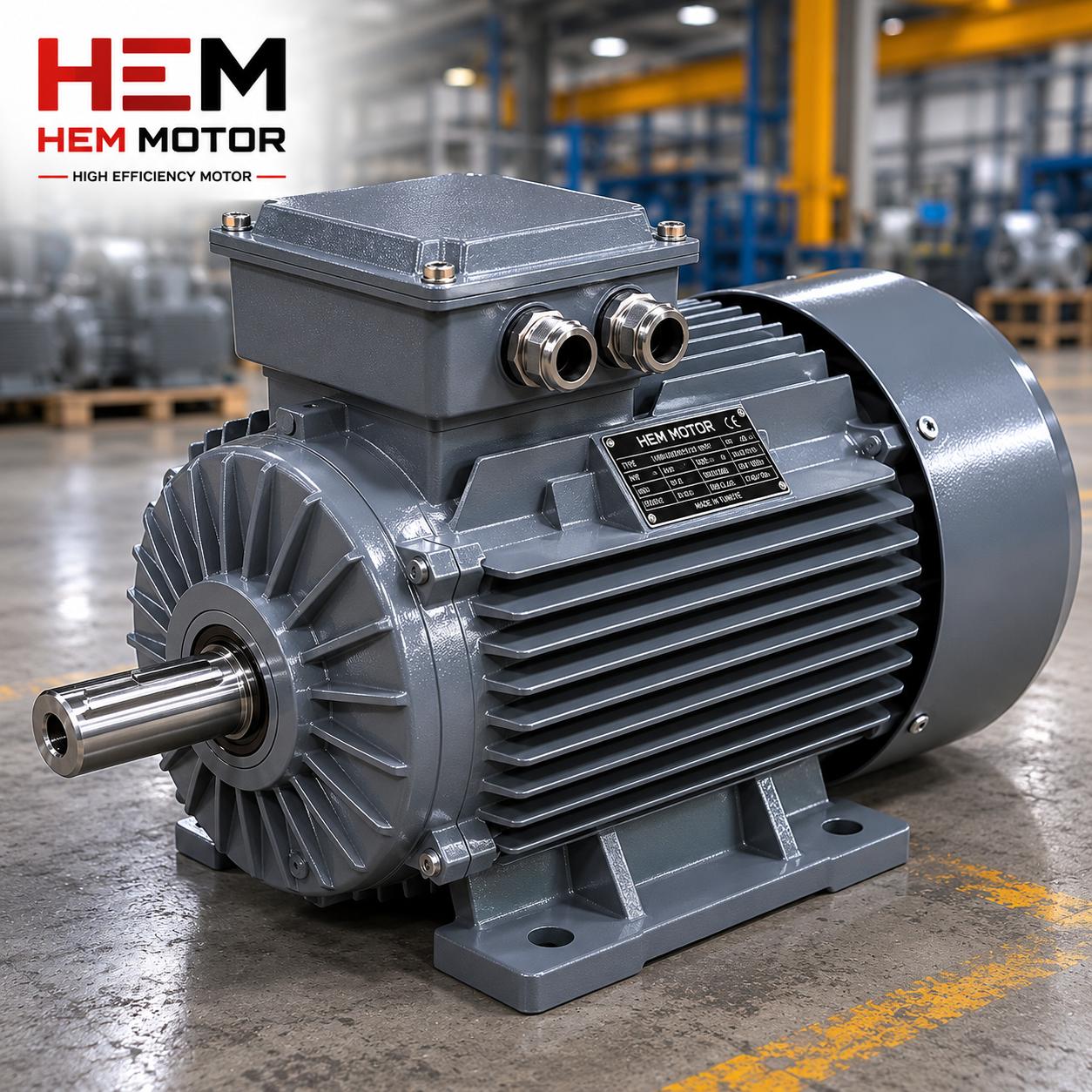

Chocolate and confectionery production is one of the most sensitive processes in the food sector. From the conching machine kneading chocolate for hours, to the tempering pump preserving its crystal structure, from mixers homogenizing the viscous mass to the precise portioning of the filling line, every stage turns with the right electric motor. Because the chocolate mass is highly viscous, most applications need high torque and low speed; moreover the whole environment is subject to food hygiene and precise speed control. In this article we cover motor selection for chocolate and confectionery plants step by step: conching high-torque low-speed drive, tempering pump, mixers, food hygiene and fine speed control with a VFD. As HEM Motor, we supply the right motor quickly from manufacturer stock.
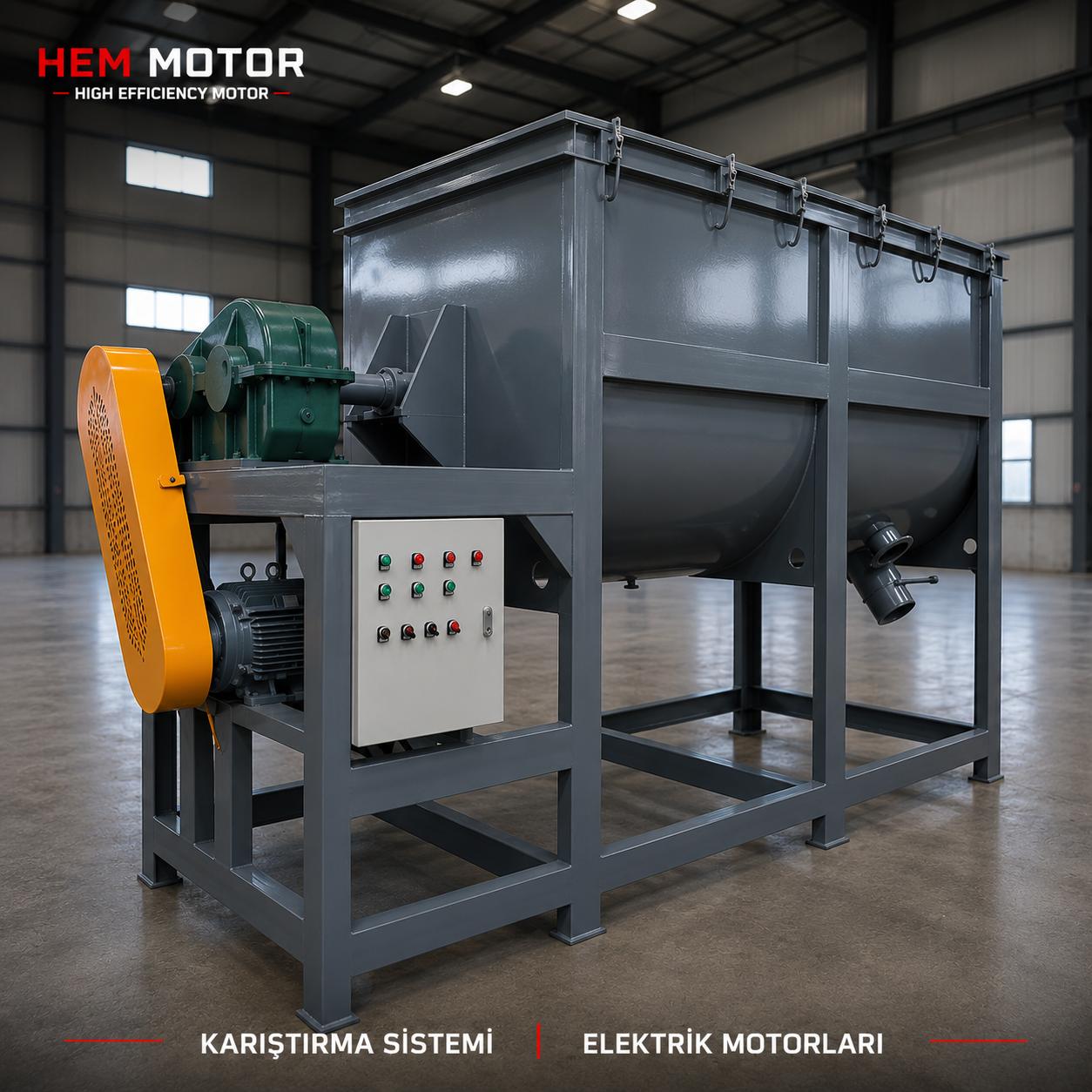
Motorized Equipment on the Chocolate and Confectionery Line
The main motor-driven equipment includes: cocoa mill/grinder, conche machine, tempering machine and pump, mixing tanks, heavy-mass mixers of storage tanks, depositing (filling) line, cooling tunnel conveyor and extraction fans. Because the chocolate mass is viscous, mixing and kneading applications need high torque, which means low speed and usually a reducer. For the hygiene perspective, our food factory electric motors article is a key reference.
Conching Motor: High Torque, Low Speed
Conching is the critical stage that kneads and aerates chocolate for hours to give a smooth taste and texture. The mass is very viscous, almost dough-like at the start. Therefore the conche motor needs very high starting and continuous torque and always runs with a reducer. A 1400 rpm motor is reduced to low output speed with a helical-bevel reducer or a worm gear reducer, and torque is multiplied. Since this is a high-torque, continuous-load application, cast iron body electric motors and F/H insulation are recommended. For the low-speed high-torque logic, our constant/variable torque motor selection article is illuminating.
Tempering Pump and Machine Motor
Tempering brings the cocoa butter crystals of chocolate into the right form; gloss and snap depend on this stage. The circulation pump and mixer in the tempering machine must run at a constant, precise speed. Speed fluctuation disrupts the crystal structure, so using a VFD with an asynchronous motor is almost standard in this application. For pump motors, the pump electric motors range is preferred together with a VFD for precise control.
Mixer and Storage Tank Motors
Chocolate storage and preparation tanks have slow but powerful mixers to keep the mass homogeneous. These mixers run at 10-60 rpm output speed with geared motors. For reducer type and ratio selection, our bevel helical vs worm gear article explains which reducer suits which job. For the geared-vs-separate decision, see geared motor vs separate motor and reducer.
Food Hygiene and IP Protection
Chocolate production is a dusty (cocoa, sugar, milk powder) and periodically washed environment. Motors should be at least IP55 to prevent fine dust ingress and moisture effects. In zones cleaned with CIP (cleaning in place), IP65 is recommended. Dust accumulation blocking cooling is a common problem; for cleaning the cooling fins, the maintenance principles in our external-factor protection on cast iron motors article apply. For IP class selection, our IP protection class selection article guides you.
Fine Speed Control with a VFD
In chocolate, speed directly affects taste and texture. Gradual speed adjustment during conching, constant precise speed in tempering, and line-synchronous operation in filling are required. A VFD provides this fine control and also offers energy savings. With a VFD-driven motor, winding insulation and cooling are more critical; for details see VFD with asynchronous motor. For the IE4 + VFD gain in pump and fan applications, our IE4 threshold in pumps, fans and compressors article is useful.
Speed, Pole and Power Selection
- 4-pole / 1500 rpm + reducer: Conching, mixer, tempering drive (most common).
- 2-pole / 3000 rpm: Some pumps and high-speed grinders.
- 6-pole and geared: Slow storage tank mixers, filling conveyor.
Power typically ranges from 0.55 kW to 4 kW for small pumps/mixers and 5.5 kW to 30 kW for conching and large mixers. For HP-kW conversion, our HP-kW motor power article helps.
Cooling Tunnel and Extraction
The shaped product passes through a cooling tunnel; tunnel fans and conveyor run continuously. industrial fan motors and conveyor belt electric motors suit this line. For fan motor selection for dust extraction, see our aspirator and dust collection fan motor selection article.
Purchasing and Selection Checklist
- Are the reducer type, ratio and output speed defined for conching and mixers?
- Is precise speed control with a VFD planned in tempering and filling?
- Is the protection class IP55 (IP65 at CIP-washed points) selected?
- Are cast iron body and F/H insulation requested for high-torque applications?
- Is S1 continuous duty confirmed?
- Are cooling tunnel fan and conveyor powers correctly sized?
- Is the dust extraction fan motor selected?
- Are stock and lead time confirmed?
Mounting Type and Reducer Mounting Compatibility
In a chocolate plant, conching, mixer and filling drives are mostly geared; therefore the motor usually connects directly to the reducer with a B5 or B14 flange. Pumps may be B5/B35 and conveyors B3. The IEC compatibility of the reducer body and the motor flange is critical; a wrong flange choice makes installation impossible. For flange types, see our B5 flange electric motors page. Shaft diameter, key and output speed should be clarified before ordering. For the product range, review our efficient electric motors category.
Hygiene, Cleaning and Dust Management
In chocolate and confectionery production, cocoa, sugar and milk powder stay suspended in the air; this fine dust can enter the motor cooling fins and terminal box. Regular cleaning and the correct IP protection prevent motor overheating and early failure. In CIP-washed zones, a sealed terminal box and IP65 are important. For food safety, an easy-to-clean, smooth and corrosion-resistant motor surface is preferred, which means a cast iron body and a suitable paint layer.
Emergency Substitution, Stock and Energy
If a conching or tempering motor fails on the chocolate line, a batch of product can spoil; therefore spare motors in critical powers and nameplate records are important. Correct nameplate matching prevents wrong delivery. Moreover, on continuously running pumps and fans, the IE3/IE4 efficiency class lowers the electricity bill and ensures compliance with the efficiency regulations in force. As HEM Motor, we keep the most requested powers and geared solutions ready in stock.
Bearings, Vibration and Low-Noise Operation
Chocolate mixer and conching motors run without interruption for long hours; therefore bearing life and low vibration matter. In a high-torque, geared application the motor shaft is under continuous load; a heavy-duty bearing and a balanced rotor reduce vibration and noise. Low vibration protects both product quality and reducer life. In the production area, low-noise motors also provide working comfort. On a continuously running motor, bearing lubrication and periodic checks prevent unexpected downtime.
Terminal Box, Grounding and Commissioning
In a dusty chocolate environment, terminal box tightness prevents fine dust ingress; a suitable cable gland and gasket must be selected. Grounding is essential for safety. In three-phase motors, the correct phase sequence determines the rotation direction in the mixer and pump; the wrong direction causes problems in the process. During commissioning, insulation resistance measurement and first-start checks (direction, current, temperature) should be done. On VFD-driven motors, grounding and a shielded cable reduce the risk of interference and bearing currents.
Correct Sizing and Load Profile
Since the chocolate mass is viscous, the starting torque is high; the motor must be sized for this starting load. An oversized motor lowers efficiency at low load ratio; a too-small motor strains at start and draws excessive current. In continuously high-torque applications such as conching, selecting the right power and duty type provides both energy efficiency and long life. Understanding the load profile correctly optimizes the reducer ratio and motor power combination.
Supply Process, Lead Time and Stock Planning
Since conching and mixer motors in chocolate and confectionery plants require special reducer combinations, supply must be planned in advance. The spare motor needs of critical equipment should be identified and the most used powers kept in stock. A failure of a conching or tempering motor can cause a batch of product to spoil. Delivery from manufacturer stock is much faster than a production order. For an accurate quote, the equipment list, reducer ratios, existing motor nameplate data and delivery address should be shared. The motor should be protected during shipping and damage checked on delivery.
Auxiliary Equipment and Packaging Line Motors
In a chocolate plant, alongside the main process there are auxiliary motors such as the cooling tunnel conveyor, enrobing line, packaging and wrapping machines, and waste extraction. These motors are usually small in power and geared; they need low, controlled output speed. conveyor belt electric motors and geared solutions are common on these lines. For the packaging line to run in sync with the line, a VFD and the correct output speed are important. On auxiliary equipment too, S1 duty type and suitable IP protection should be observed.
Frequently Asked Questions
Why are a reducer and high torque essential on the conching motor?
The chocolate mass is very viscous; mixing must be slow but very powerful. A standard motor cannot deliver this low speed and high torque alone. A 1400 rpm motor is reduced to low speed with a reducer, and torque is multiplied. Therefore conching always runs geared and high-torque.
Is a VFD really necessary in tempering?
Yes. In tempering, speed fluctuation disrupts the cocoa butter crystal structure; the product becomes dull and loses snap. A VFD provides constant, precise speed and also offers energy savings. That is why a VFD is almost standard on the tempering line.
Which IP protection class is enough in a chocolate plant?
IP55 is enough in the general environment for dust ingress and moisture. IP65 is recommended in zones washed with CIP/pressure water. Since dust accumulation blocks cooling, regular cleaning of the fins is also important.
Supply with HEM Motor
For chocolate and confectionery plants we ship geared and VFD-compatible motors quickly from manufacturer stock. For the Marmara region, Bursa and Marmara supply, and for a general food line motor inventory, our dairy, meat and beverage plant motors article is useful. For the information needed before a quote, see information to provide when requesting a quote.
Get a Quote
Share your plant machine list, the nameplate data of your existing motors (kW, speed, frame, mounting type) and your delivery address; we will supply the most suitable motor from manufacturer stock with fast delivery. For an up-to-date, clear quote instead of a fixed price, contact us at +90 (532) 345 49 86 or through our contact page. As HEM Motor, with our identity as both manufacturer and seller, we ship the right motor in the shortest time.