English
 Türkçe

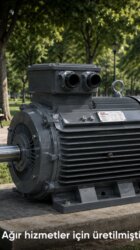
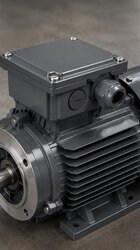
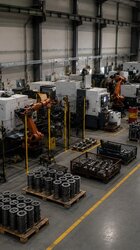
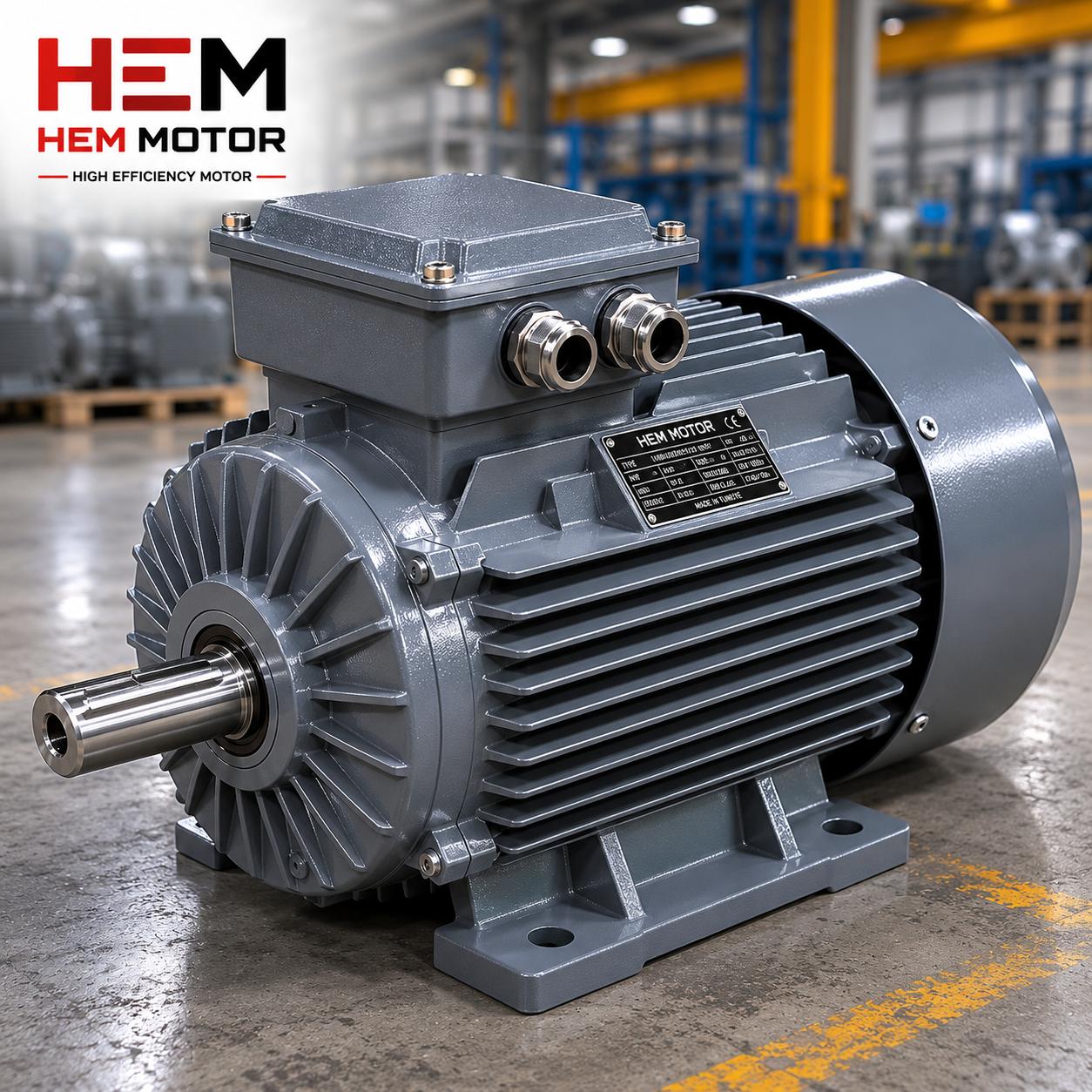

Cable and wire drawing factories draw copper or aluminum rod through successive dies to reduce it to the required diameter, anneal the wire, strand or bunch it for multi-wire conductors, apply insulation and sheathing, and finally wind it onto a reel (take-up). Throughout this chain the electric motor is decisive at every stage, from the drawing machine running at constant tension, to the stranding and take-up heads, the insulation extruder and line synchronisation. The most critical requirement in cable production is carrying the wire at constant tension and synchronised speed from start to finish; if the tension fluctuates, the wire breaks or the diameter tolerance is lost. For this reason the drawing, stranding and take-up motors mostly run under precise speed and torque control with a frequency drive (VFD). This article looks at the main motor groups of a cable/wire drawing factory (drawing machine, stranding, take-up, extruder and auxiliary drives) from a buyer's perspective and offers a practical framework for choosing the right power, speed, control and mounting type.
What the Motor Does on a Cable and Wire Drawing Line
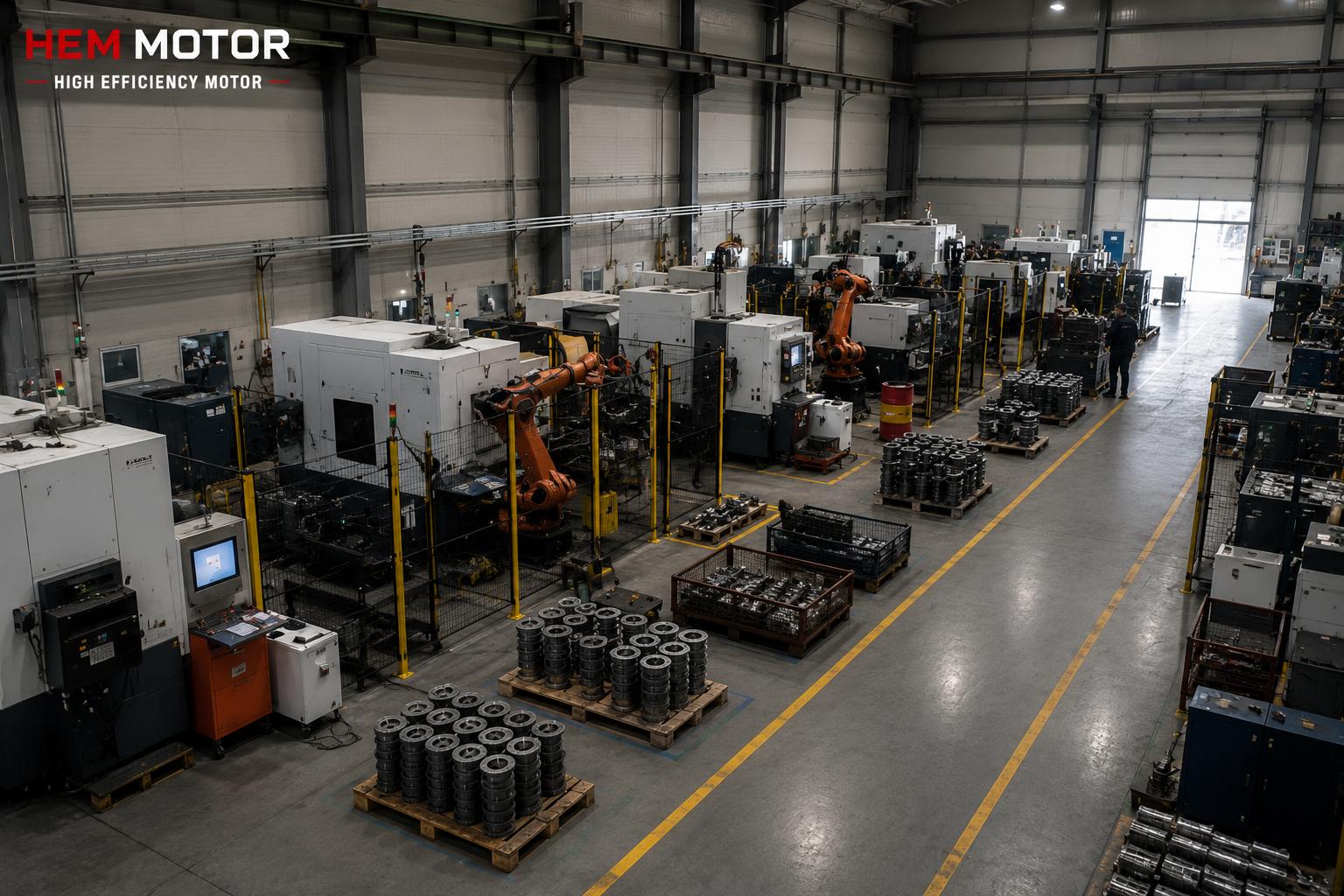
In a cable factory, production is roughly split into five sections: wire drawing (rod breakdown and fine drawing), annealing, stranding/bunching, insulation and sheathing extrusion, and take-up. Each section requires different motor groups, but the common denominator is carrying the wire at constant tension and synchronised speed along the line. Motor selection on a cable line is therefore a matter not only of power but also of speed/torque control and synchronisation.
Typical motor groups are: the drawing machine (capstan) main motor, intermediate drawing and tension (dancer) drives, stranding/bunching head motors, the insulation extruder motor, take-up and reel drives, and pay-off drives. Although the power and speed requirements of these groups differ, they all run continuously (S1) and need precise speed control. Because a cable line is usually long and runs without interruption, the reliability of the motors and their compatibility with drives is the most important criterion.
It helps to think of motor selection along three axes: mechanical load (power, torque and starting behaviour), speed control and synchronisation (the need for drives and feedback) and environmental protection (moisture, dust and heat). On a cable line the most critical of these is usually speed control, because product quality depends directly on tension stability. The motor and drive must therefore be selected as a whole, not separately. The right motor-drive match both lowers the scrap rate and lets the line run safely at higher speed.
Drawing Machine (Capstan): Constant Tension and VFD Control
The drawing machine (capstan) draws the wire through the dies to reduce it, and must do so at constant tension. If the tension is too high the wire breaks; if too low, diameter tolerance and winding quality suffer. The drawing motor is therefore configured as an asynchronous motor on a frequency drive (VFD); the drive adjusts motor torque dynamically using feedback from a dancer or load cell that measures wire tension. On multi-stage drawing lines, each stage runs synchronised with its own motor. Because it runs continuously, the duty type is S1; a motor running on a drive must have adequate cooling against low-speed heating and a drive-compatible winding, with forced (external-fan) cooling preferred where needed.
Stranding, Bunching and Strand Drives
For multi-wire conductors, single wires are brought together and twisted (bunching) or laid up in layers (stranding). The stranding head is a rotating system and can have high inertia, so starting torque and speed control matter. Synchronisation between stranding speed and drawing/take-up speed defines the lay-length tolerance; this synchronisation is achieved by communication between drives. Balanced, low-vibration motors are preferred on these drives, because imbalance in the rotating head affects both product quality and bearing life.
Annealing, Cooling and Auxiliary Drives
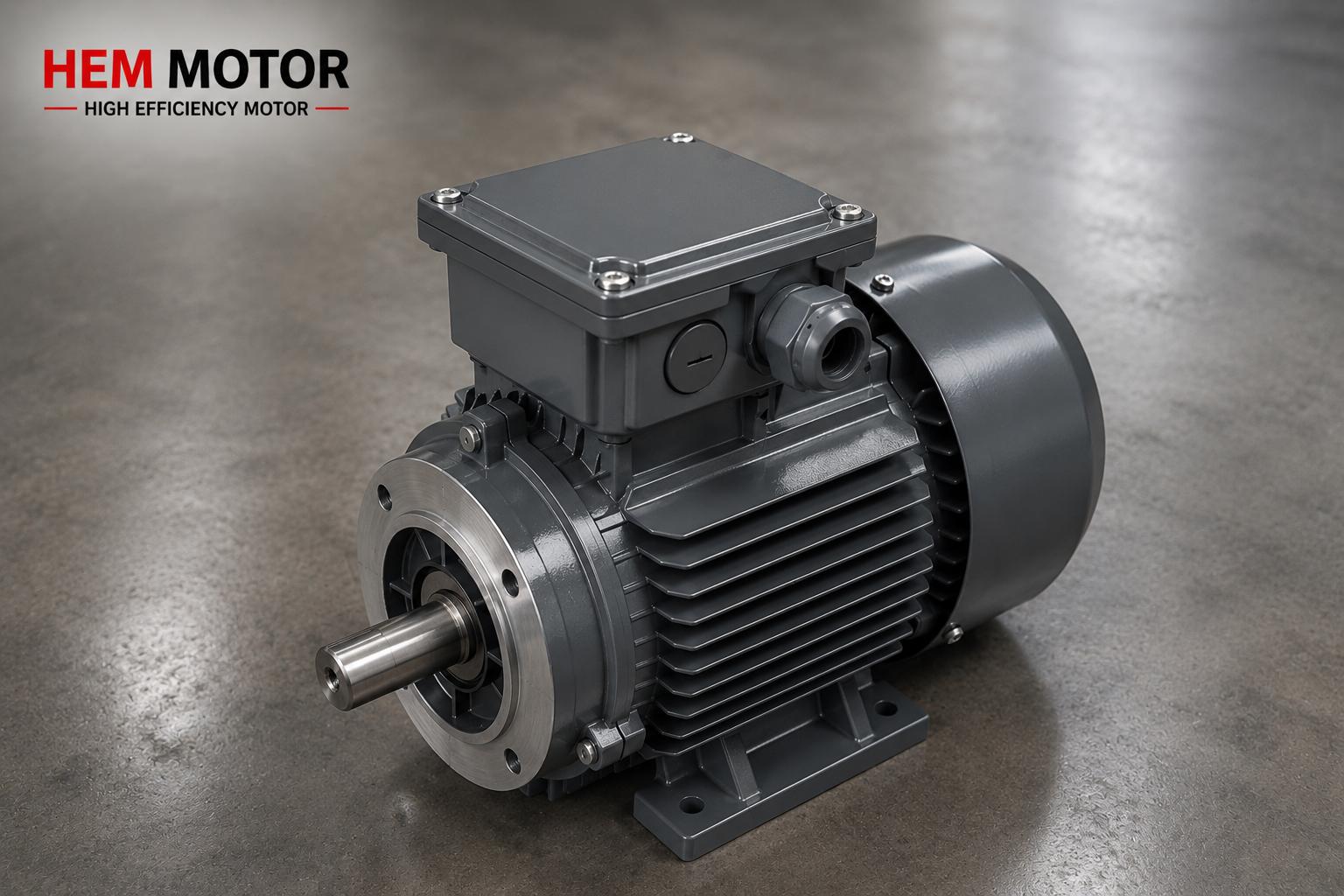
During drawing the wire work-hardens; for conductivity and flexibility it is passed continuously through an annealing unit and then cooled. This section includes annealing bath circulation pumps, cooling pumps and ventilation fans; these are continuously running, medium-power motors and require appropriate IP protection because of the humid environment. For the right protection class in a humid environment, use the thresholds in our IP protection class selection (IP55, IP65, IP66) article. The plant also has many auxiliary motors for reel handling, packaging and hydraulic units; selecting these at the right power and efficiency class lowers total energy consumption. The reliability of the auxiliary motors also matters for the uninterrupted operation of the line.
Take-up and Pay-off Drives
At the end of the line, the processed wire or cable is wound onto a reel at constant tension (take-up); at the start of the line, raw wire is unwound under controlled tension (pay-off). Tension control is critical on both drives: as the reel fills the diameter grows, so the motor speed must be continuously adjusted to maintain constant linear speed. For this reason take-up and pay-off motors run on a drive with dancer feedback. These drives are usually used with a reducer; to set output speed and torque correctly, apply the selection logic in our monoblock geared motor purchasing article. The basic rule is to combine 4/6-pole motors with a reducer on low-speed take-up and pay-off drives; you can find the effect of pole count on efficiency and torque in our asynchronous motor efficiency and pole count article.
Insulation and Sheathing Extruder Motors
An extruder is used to apply PVC, XLPE or rubber insulation and sheathing over the conductor; this extruder's screw motor is one of the high-torque, continuously running motors on the line. Because plastic or rubber melt forms a high-resistance load, the extruder motor is selected with high torque and a robust body; since it runs continuously, efficiency matters and an IE4 efficient electric motor is preferred. Extruder speed control is done with a drive to run synchronised with the line speed. You can also find the selection logic for plastic and rubber processing motors in our rubber and tire factory electric motors and plastic injection and crushing machinery motor selection articles.
Synchronisation, Speed Control and Drive Compatibility
The heart of a cable line is synchronisation: the pay-off, drawing, stranding, extruder and take-up motors form a connected speed chain. A speed error at one point causes tension fluctuation in the wire and a quality problem. For this reason the line motors operate integrated with their drives and feedback systems (dancer, load cell, encoder). When selecting a drive-compatible motor, the winding insulation should withstand the impulse voltage and cooling should be adequate at low speed. For when a frequency drive is needed and how it is selected, our asynchronous motor on a frequency drive (VFD) article is a comprehensive guide. On drive-fed lines, the service factor and winding temperature monitoring are an important safeguard for motor life.
Efficiency, Continuous Running and Operating Cost
Cable factories are high-tonnage, continuous-production facilities; the drawing, extruder and take-up motors run at full load for most of the year. This means the efficiency class feeds straight into the electricity bill. For continuous loads, choosing IE4 or IE3 pays the investment back over the operating life. At certain power and pole thresholds the efficiency class is also legally mandatory; you can find which power requires which class in our IE3 and IE4 efficiency mandate article. For total efficiency on geared take-up and pay-off drives, apply the gain calculation in our using an IE4 motor with a gearbox article. On drive-fed lines, a high efficiency class reduces losses and saves energy even on motors running at part load.
Supply, Stock and Like-for-Like Replacement
On a cable line an unplanned stoppage is very costly because of scrapped semi-finished wire and long re-setup times. It is therefore wise to keep a spare motor for critical drives (main drawing motor, extruder, take-up). If the spare will sit in storage for a long time, moisture and bearing protection must be considered. When replacing a failed motor, the fastest route is to share the existing motor's nameplate data (power, speed, voltage, mounting type, frame size, shaft diameter) and the drive settings in full; this allows a like-for-like motor to be supplied quickly. If the nameplate is unreadable, an equivalent is chosen from the frame dimensions and shaft diameter. For the question of whether to buy new or rewind, our rewind vs buy new article offers a clear comparison.
Motor Purchasing Checklist for a Cable and Wire Drawing Factory
To speed up procurement and avoid receiving the wrong motor, clarify these items before ordering:
- Speed/torque control: Specify VFD-compatible, precisely controlled motors for drawing, stranding, take-up and pay-off drives.
- Duty type: Continuous duty (S1) for all line drives.
- Power and speed: State kW, rated speed and required output speed (and ratio if geared) for each drive.
- Cooling: Forced (external-fan) cooling where needed on drive-fed motors running at low speed.
- Efficiency class: Prefer IE4 on continuous high-power drives such as drawing and the extruder.
- Mounting type: Specify B5/B14 flange for geared drives and B3 for foot-mounted drives as the mounting type.
- Spare plan: A spare motor and correct storage for the main drawing motor and the extruder.
You can review our main product range from our home page, and for similar sector guides see our textile and spinning machinery motor requirement list and corrugated cardboard and box factory electric motors articles.
Frequently Asked Questions
Why should I buy the drawing machine motor with a drive?
Because the drawing machine must reduce the wire at constant tension; if the tension fluctuates, the wire breaks or the diameter tolerance is lost. A motor running on a frequency drive (VFD) keeps the tension constant by dynamically adjusting torque using dancer or load-cell feedback. Adequate, and where needed forced, cooling is recommended to keep the drive-fed motor from overheating at low speed.
Why is synchronised operation of the line motors so important?
Because all drives from pay-off to take-up form a speed chain; a speed error at any point causes tension fluctuation in the wire and a diameter/winding quality problem. For this reason the motors operate integrated with their drives and feedback systems (dancer, load cell, encoder). Synchronisation directly determines cable quality and scrap rate.
What features are sought in an insulation extruder motor?
Because the extruder screw forms a high-resistance load, the motor is selected with high torque and a robust body; since it runs continuously, the IE4 efficiency class is preferred. Speed control is done with a drive to run synchronised with the line speed. Share your extruder capacity and line speed and we will define a suitable motor together.
Get a Quote
If you want to supply the drawing machine, stranding, take-up, insulation extruder and pay-off motors for your cable or wire drawing factory with the right power, speed/torque control and mounting type, our team is here to help. Share your line type, drive list, speed and drive requirements, and we will prepare a fast, accurate quote. Call us on +90 (532) 345 49 86 or reach us through our contact page.