English
 Türkçe


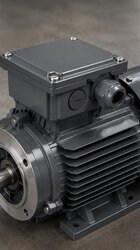
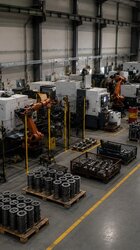
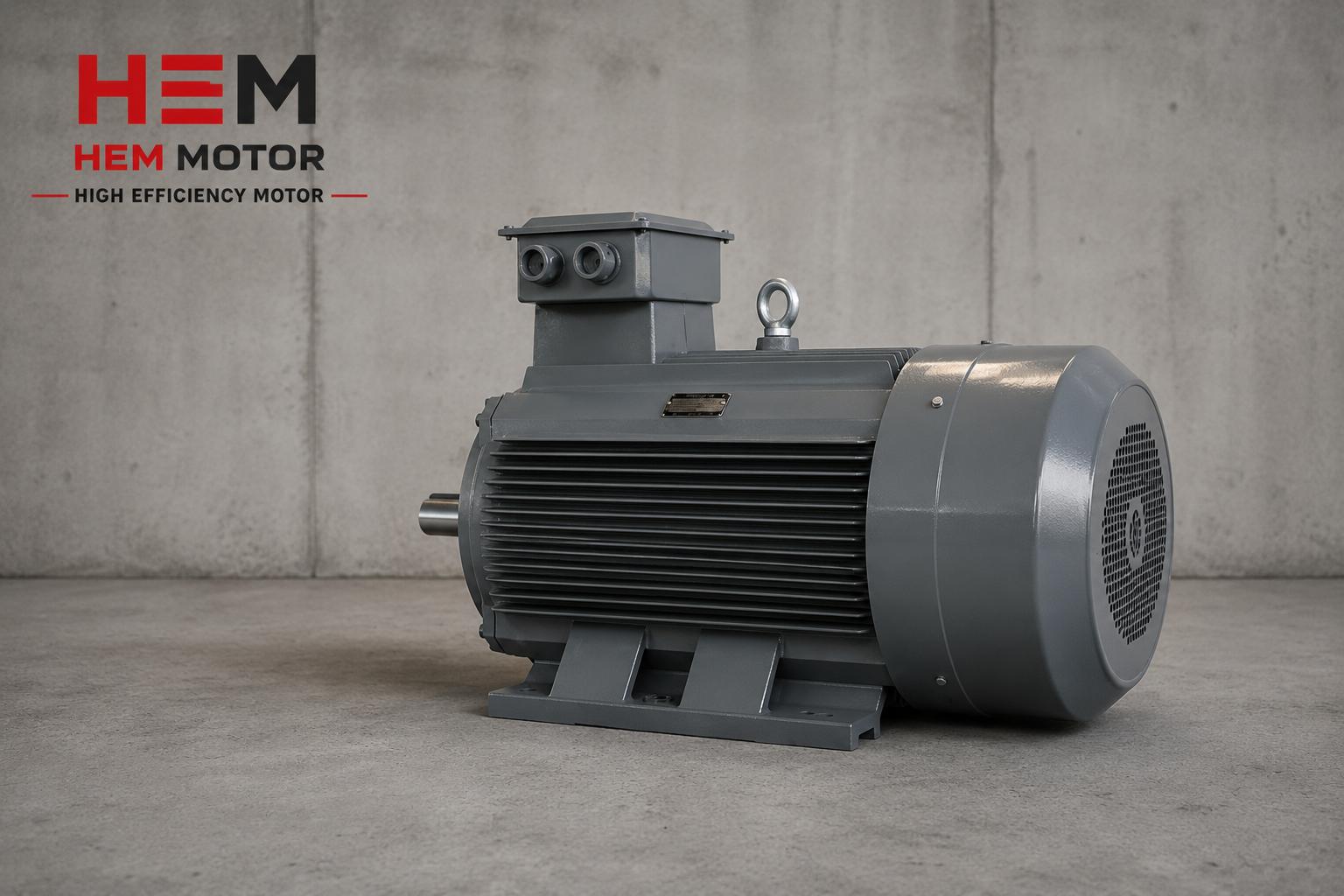

Rubber and tire factories are among the facilities that demand the highest starting torque and the heaviest-duty endurance from an electric motor. When a Banbury (internal) mixer starts while full of dense rubber compound, it demands very high starting torque from the motor; calender rolls require continuous, stable torque; and extruders run for long hours without stopping under heavy load. In all these applications, a wrong motor choice leads to both motor burnout and costly downtime. In this guide we cover rubber and tire factory electric motors machine group by machine group, explaining which torque characteristic, cooling and power is correct at the mixer, calender and extruder stations, and how to plan supply suited to heavy duty.
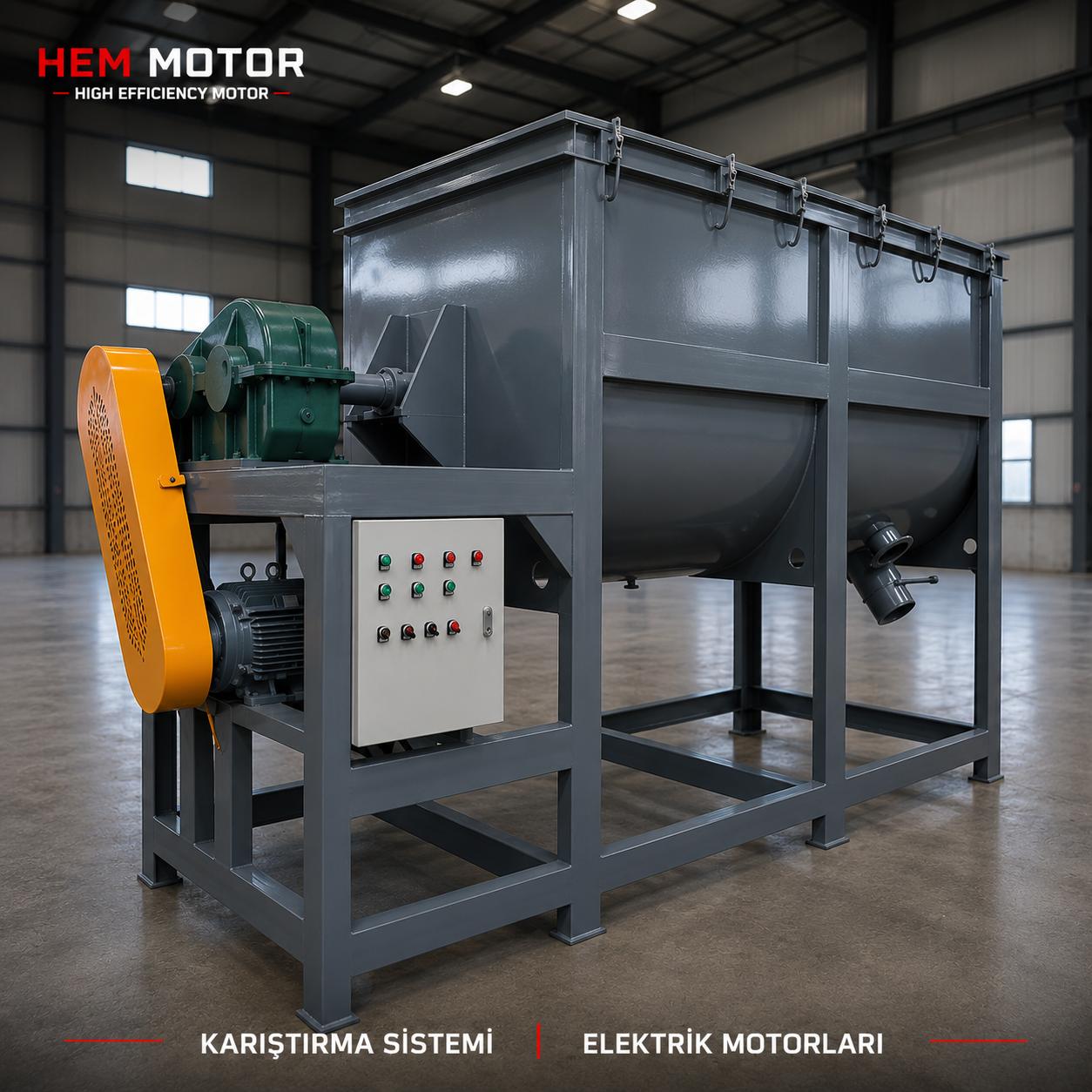
The Character of Motor Load on the Rubber Processing Line
The core feature that sets motor selection in rubber and tire production apart from other industries is the load character. We previously addressed the general load profile of plastic and rubber processing applications in our plastic injection and crushing motor selection article; in tire production this load becomes heavier and more shock-prone. Separating the stations by load character makes correct motor selection easier:
- Internal mixer (Banbury / intermix): Very high starting torque on a full start; heavy shock load.
- Open mill (two-roll mill): Continuous, high-torque, balanced load.
- Calender: A multi-roll continuous line requiring precise and stable torque.
- Extruder: A drive running for long hours under dense, continuous load.
- Vulcanisation and finishing: Press, fan and conveyor drives.
In these load groups, you must define not only the motor power but also the starting torque characteristic and duty type correctly. We clarified the difference between continuous S1 and heavy shock intermittent operation in our duty type (S1-S6) selection article.
Banbury Mixer: High Starting Torque
The internal mixer (Banbury) is the most demanding drive in rubber production. When the chamber is full of dense compound and the motor starts, a starting torque far above the rated torque is required. For this reason, the mixer motor must be selected in a torque class with high starting torque, and the starting method must suit the load.
Torque Class and Starting
In this application requiring high starting torque, torque class selection is critical; we addressed the correct class in our torque classes (Design N/H) article. To manage the high starting current, the starting method must also suit the application; you can find a star-delta and softstarter comparison in our starting methods article. For shock loads requiring high inertia, our motor selection under shock load article is also a guide for evaluating flywheel and inertia effects.
Power and Cooling
Banbury mixer motors can span the large power band from 90 kW to 355 kW and above depending on machine size. At these powers, supply planning requires a separate discipline; we explained lead time and shipping processes for high-power motors in our 90 kW and above high-power motor supply article. In motors running under continuous high-power load, cooling becomes critical; we addressed cooling methods in our IC411 and IC416 cooling article.
Calender and Open Mill Drive
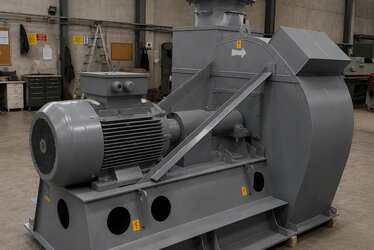
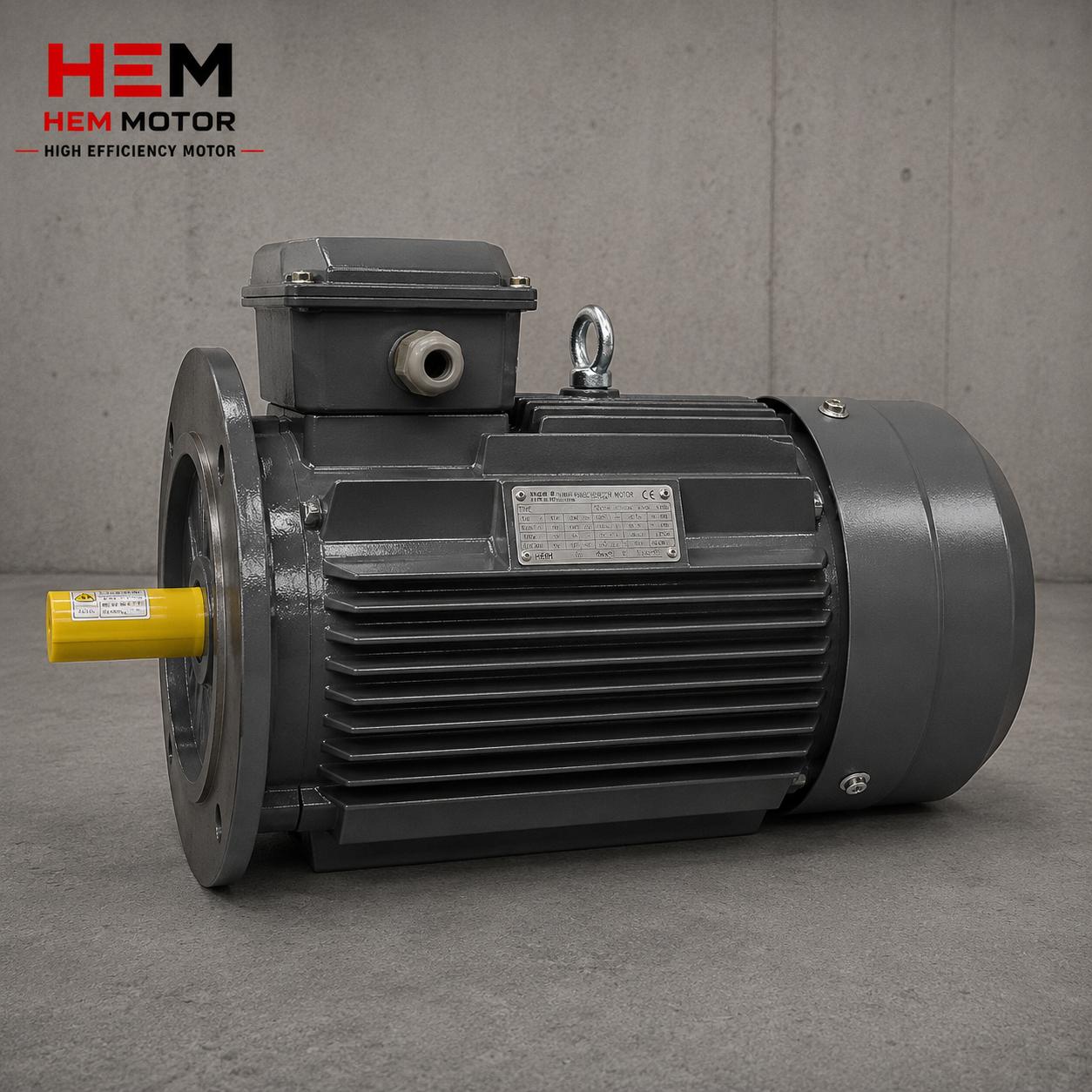
The calender is a continuous machine that produces sheet of controlled thickness by passing rubber compound between multiple rolls. Here the motor must produce stable and balanced torque, and the sync between rolls must be maintained. The open mill (two-roll mill) likewise runs continuously and at high torque. At these stations the motor is generally matched with a gearbox; to determine the output speed and torque correctly, worm gear reducers are preferred at medium powers and helical worm gear reducers at high power and heavy duty. We quantified the efficiency gain in a motor + gearbox combination in our IE4 motor + gearbox article.
In these machine-coupled drives, B5 flanged or B35 foot-and-flange mounting types are common; for the correct mounting type, you can review our mounting types page.
Extruder and Continuous Line Drives
Extruders are machines that produce profile or strip by pushing rubber through a die, running for long hours under dense and continuous load. In these drives, S1 duty, F-class insulation and a structure resistant to heating under continuous full load are essential. We addressed managing motor heating under continuous full load and overheating risk in our cooling under continuous full load article. In these high-power, continuously running motors, an efficient class significantly lowers energy cost; therefore IE4 Super Premium motors provide fast payback at these stations. For auxiliary units with lower running hours, IE3 motors or our high-efficiency electric motors range can be evaluated.
Replacement, Spare Motor and Correct Supply
When tire production lines stop, downtime cost is very high due to vulcanisation and continuous-flow processes. Therefore keeping spare motors for critical drives in stock is sensible; we addressed which powers to keep as spares in our critical spare motor list article. You can find our approach to heavy-duty and hot-environment motor supply in our rolling mill and foundry heavy-duty article.
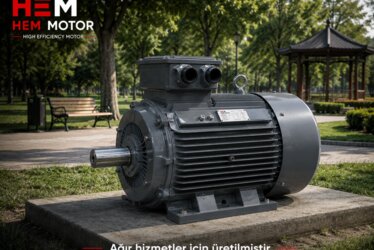
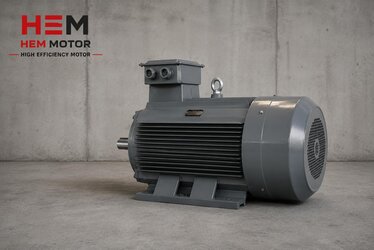
As HEM Motor, we supply rubber and tire plants with motors between 0.55 kW and 355 kW, in IE3 and IE4 efficiency classes, with cast iron frames, 100% copper windings, F-class insulation, suited to high starting torque and heavy duty, together with gearbox matching.
Frequently Asked Questions
Why is high starting torque required for a Banbury mixer?
The internal mixer (Banbury) starts while the chamber is full of dense rubber compound. In this case the motor must produce a starting torque far above its rated torque; otherwise the motor cannot start or burns out by drawing excessive current. For this reason, the mixer motor is selected in a torque class with high starting torque characteristic, and the starting method is planned to suit the load. If you share your machine and compound load information, we will recommend a suitable motor and starting solution.
What duty type and cooling are required for an extruder motor?
Extruders run for long hours under dense and continuous load; therefore S1 continuous duty, F-class insulation and a structure resistant to heating under continuous full load are essential. Additional cooling may be required at high power; forced cooling (IC416) solutions are evaluated if needed. Since dirt and dust accumulating on the cooling fins increase heating, regular cleaning must also be planned.
Should IE3 or IE4 be preferred for calender and extruder motors?
In drives running continuously for long hours a day, such as calenders and extruders, energy cost far exceeds the purchase cost. IE4 Super Premium motors provide fast payback at these stations. For auxiliary units with lower running hours, IE3 motors are a balanced choice. The correct choice is made according to the motor annual running hours and load ratio.
Get a Quote
If you want to supply mixer, calender and extruder motors for your rubber or tire factory with high starting torque and heavy-duty requirements, contact us with your machine nameplate information. Let us offer motor-gearbox solutions matched with the correct torque characteristic, power, speed and cooling at a suitable lead time and price. Call now on +90 (532) 345 49 86 or send your quote request through our contact page.