English
 Türkçe

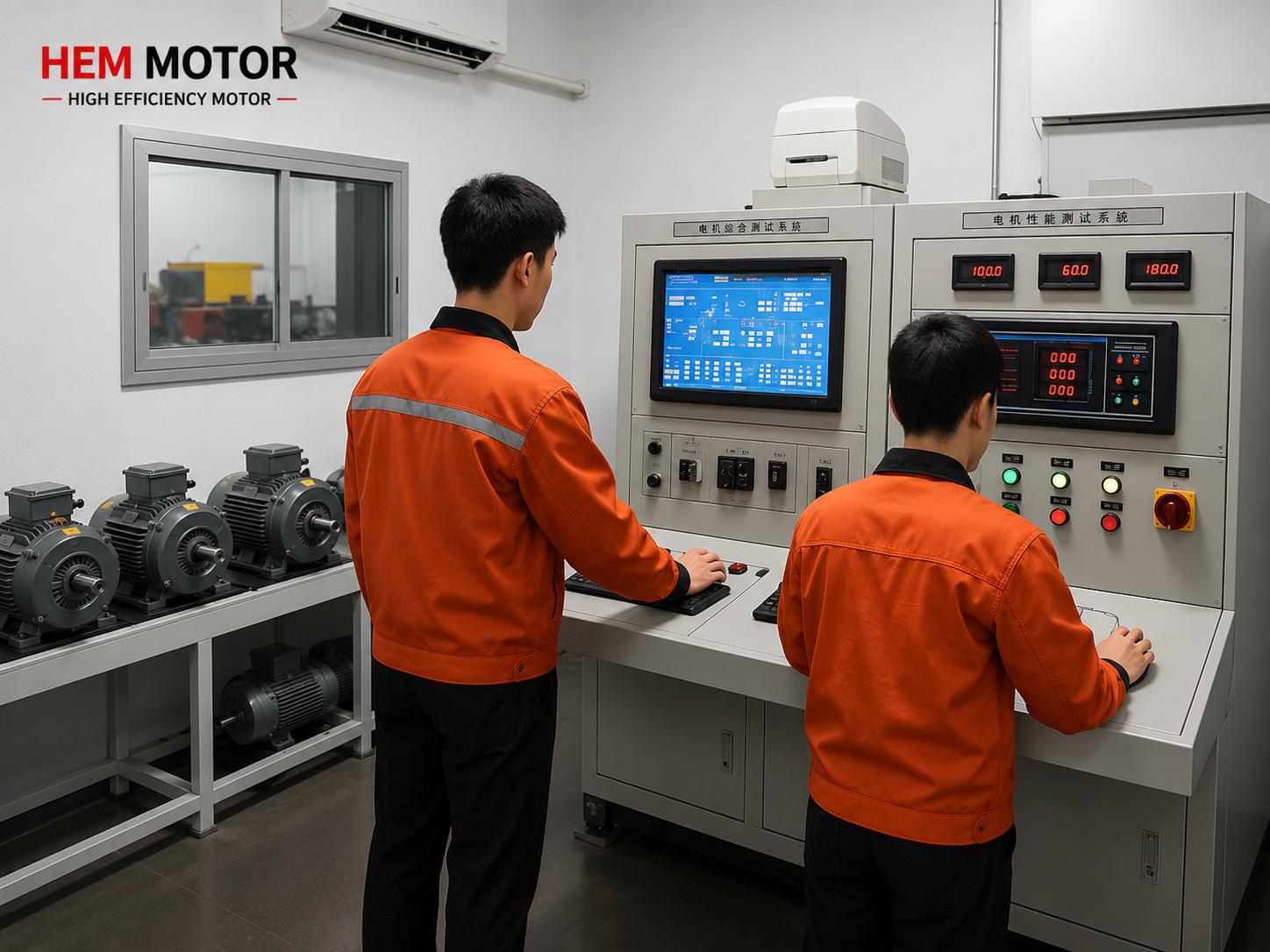

In an industrial plant, the electricity bill is determined not only by how much energy you consume; the time of day you draw that energy is at least as decisive as the consumption itself. Under multi-time tariffs, day, peak (evening peak) and night hours are priced differently; in addition, a demand charge may be calculated based on the instantaneous power (kW) drawn. It is exactly here that high-efficiency motors combined with a smart tariff and demand management strategy significantly reduce energy cost. Shifting energy-intensive motor loads from peak hours to night and low-tariff hours, running with fewer losses thanks to an efficient motor, and managing the instantaneous power draw; all three together ease both the bill and the grid load. In this article we examine, conceptually, the logic of multi-time tariffs, load shifting, demand management, the role of the efficient motor in this strategy, and storage/buffer approaches. (This article makes no fixed-price, tariff-figure or savings promises; the goal is to explain the right approach.)

What Is a Multi-Time Tariff and Why Does It Matter?
A multi-time (three-time) tariff is a billing model in which electricity is priced differently in different time slots during the day. Generally there are three slots: day, peak (evening peak demand hours) and night. During peak hours grid demand is highest and unit energy is most expensive; during night hours, because demand is low, unit energy is cheapest. This structure encourages the consumer to shift energy away from peak hours; because doing the same work at night means consuming the same energy at a lower cost.
In a plant, electric motors make up the bulk of consumption: pumps, fans, compressors, conveyors. When these loads run directly determines in which tariff slot the bill is formed. Therefore the tariff strategy is intertwined with motor operation planning. Even if a plant consumes the same total energy, the hourly distribution of that energy can markedly change the bill; a daytime peak-heavy profile and a night-heavy profile produce different costs for the same kWh. We covered how transitioning to efficient motors affects the bill in a scalable way from a single motor to a fleet in the single motor to fleet savings article. You can find the importance of taking a plant-wide motor inventory and determining efficiency classes in the energy efficiency audit and motor inventory article.
Peak Hour Avoidance and Load Shifting
Load shifting is the strategy of moving energy-intensive work from peak hours to night or low-tariff hours. Not every load can be shifted; it may not be possible to stop a process line that must run continuously. But many loads are shiftable: filling water storage tanks, pre-cooling in a cold storage room, filling compressed-air tanks, and work like material grinding and stocking usually have timing flexibility. Shifting these to the night tariff lets the same energy be consumed at a lower cost. What matters is that the shifted work has the output needed during the day (water, cold, pressure, ground material) ready on time; this is why load shifting is always considered together with a storage or buffer capacity.
Another dimension of load shifting relates to shift planning. In plants running multiple shifts, moving energy-intensive work to the night shift can provide an advantage for both tariff and operational efficiency. We covered managing the motor fleet and replacement schedule in three-shift plants in the three-shift facilities motor fleet management article.
The key here is to correctly identify which load is shiftable. Measuring the motor load profile and seeing which loads run when reveals the shiftable loads. We covered finding hidden savings with load profile measurement and data logging in the motor load profile and data logging article, and managing idle and standby losses in the idle and standby loss article.
What Is Demand (kW) Management?
Demand management is the strategy of keeping the highest instantaneous power the plant draws (the kW or kVA peak value) under control. In many industrial tariffs, in addition to the energy consumed (kWh), a charge is calculated based on the highest instantaneous power reached during the month. This means the bill can rise unexpectedly when many large motors start simultaneously or run at full load at the same time. Demand management aims to lower this peak value. The reason peak power matters is that the grid and plant infrastructure (transformer, cable, protection equipment) are sized to this highest value; a low peak value means smaller infrastructure and lower fixed cost. So demand management affects not only the bill but also future investment needs.
A practical example of demand management is plants running on a generator or with limited grid power. In these plants, several large motors starting simultaneously can overstress the generator or transformer. We covered the starting-current problem and its solutions in generator-powered sites in the generator-powered site motor selection article.
The main ways to lower peak power are: spreading the starts of large motors over time (not starting them simultaneously), reducing starting current with a soft starter or variable frequency drive, and distributing different loads across different hours via load shifting. You can find why starting current is high and how it is reduced in the starting current (LRA) article, and the role of the soft starter at this point in the soft starter compatibility article.
Speed and Power Control with a Variable Frequency Drive
A variable frequency drive (VFD) both lowers peak current with soft starting and, in loads like pumps and fans, reduces the power drawn by adjusting the speed to demand. In pumps and fans, due to the affinity law, when the speed is lowered a little the power drops much more; this is a big gain for both energy and demand. For example, lowering a fan's speed to need is far more efficient than blowing excess air and then throttling it with a damper; throttling wastes energy by turning it into heat, while speed control directly draws less power. So in variable-load applications the VFD is at the center of the tariff and demand strategy. We covered the real gain of lowering speed via the affinity law in the VFD pump and fan energy savings article.
Using an efficient motor together with a VFD multiplies the savings: the efficient motor reduces losses, while the VFD prevents unnecessary running and peak draw. You can find the savings high-efficiency motor and VFD provide in pumps and fans in the high-efficiency motor and frequency drive article. We covered regenerative drives that ease the demand load by returning braking energy to the grid in the regenerative energy recovery article.
The Role of the Efficient Motor in the Tariff Strategy
An efficient motor (IE3, IE4, IE5) draws less energy in every tariff slot because it does the same work with fewer losses. This forms the basis of the tariff strategy: whenever it runs, the efficient motor provides lower consumption. Load shifting and demand management are added on top of this base; starting with an efficient motor, then optimizing operating hours and managing peak draw lowers the total cost. So the efficient motor is the unchangeable foundation of the tariff strategy; every optimization built on it draws strength from this foundation. By analogy: the efficient motor is "plugging the hole," while load shifting and demand management are "using the remaining water at the right time." Full potential is not reached unless both are applied together.
We covered the investment decision and payback between efficiency classes in the IE3 vs IE4 investment article, and the total cost of ownership (TCO) calculation in the TCO calculation article. Correctly understanding the difference between nameplate efficiency and real field efficiency keeps savings expectations realistic; you can find this in the nameplate vs field efficiency article.
Enabling Night Operation with Storage and Buffer
The most powerful tool of load shifting is storage and buffer capacity. To do work at night and use the product during the day, a buffer is needed: a water tank, a compressed-air tank, the thermal mass of a cold storage room, a material silo or product stock. For example, filling a water tank on the night tariff makes it possible to use that water during the day's peak hours without running the pump. Likewise, storing compressed air produced at night in a tank reduces the compressor running during the day's peak hours.
This approach means running the motor at night and "storing" the energy in a buffer; what is stored is not directly electricity but the work the motor produces (pressure, cold, volume). This is a clever way of turning existing process equipment into energy buffers without setting up an expensive battery storage; most plants already have a water tank, air tank or cold storage room. We covered shifting fan and compressor motors to the low tariff in cold storage applications in the cold storage fan and compressor motors article, and the continuous load management of compressed-air and screw compressor motors in the compressed air and screw compressor motors article.
Energy Management System and Measurement
To see that the tariff and demand strategy is working, measurement is essential. The principle "you cannot manage what you cannot measure" applies exactly here. Power analyzers and energy monitoring systems show which motor draws how much power and when; without this data, load shifting and demand management remain based on intuition. To put plant energy management on a systematic framework, the ISO 50001 approach provides guidance; we covered this in the ISO 50001 energy management article.
Measurement is also necessary for sustaining the strategy; a load shifting plan, once set up, should be reviewed and updated with data as production conditions change. We covered verifying whether field efficiency is actually achieved with a power analyzer in the power analyzer field efficiency verification article, and lowering plant energy intensity (energy per unit of production) with motors in the energy intensity (SEC) article. We covered meeting the daytime load with your own generated energy by adding solar self-consumption in the efficient motor and solar energy article. You can reach all our efficient motor solutions via our homepage.
Correct Sizing: The Invisible Leg of the Tariff Strategy
A topic often overlooked when discussing tariff and demand management is correct motor sizing. A heavily oversized motor runs constantly at low load; this lowers both efficiency and power factor and causes unnecessary peak draw. So wrong sizing weakens even the best tariff strategy. Selecting the motor to suit the real load enables both drawing less energy every hour and keeping peak power low.
We covered what load a motor should run at and the right power margin in the motor load ratio and correct sizing article, and how the efficiency curve changes at partial load in the efficiency-load curve article. You can find how low power factor causes reactive draw and penalty at partial load in the power factor and reactive penalty article. A reactive charge, just like a demand charge, is a cost item that can be brought under control with the right equipment and correction.
Financing the Strategy with an Energy Performance Contract
Transitioning to efficient motors and tariff optimization requires an investment; but there are ways to finance this investment with the savings. Energy performance contracts (EPC/ESCO) are a model based on a savings guarantee, where the investment is repaid with the savings achieved. This approach makes the transition to efficiency possible without straining cash flow, especially in large plants where many motors need renewing. Government incentives and support programs can also ease this transition.
We covered financing the investment with savings via an energy performance contract in the EPC/ESCO article, and government incentives and KOSGEB supports in transitioning to efficient motors in the incentives and KOSGEB supports article. You can find the payback period of replacing an old standard motor with an efficient one in the replacing old motor with IE4 article.
Frequently Asked Questions
Can I shift every motor load to the night tariff?
No. Process lines that must run continuously and loads tied to instantaneous demand (for example a machine running per customer order) may not be shiftable. But loads based on storage and buffer (water filling, pre-cooling, compressed-air production, material grinding) are usually shiftable. First the load profile should be measured to determine which loads are flexible.
Does load shifting help even without an efficient motor?
Load shifting alone can lower the tariff cost; but combined with an efficient motor the gain multiplies. While the efficient motor draws less energy every hour, load shifting moves that energy to a cheaper tariff. Together they provide the highest benefit because they lower both consumption and unit cost.
How can I lower the demand (kW) charge?
Spreading large motor starts so they do not coincide, reducing starting current with a soft starter or variable frequency drive, and distributing loads across different hours lowers peak power. An energy management system that monitors instantaneous power makes it possible to act before a peak forms. Applied together, these measures bring the demand charge under control.
Get a Quote
Let us plan together the tariff and demand management strategy with efficient motors in your plant, and determine the efficient motor and drive solutions suitable for your load profile. You can reach us at +90 (532) 345 49 86 or create a request via our contact page.
Purchasing and Strategy Checklist
- Take a motor inventory of the plant and the efficiency classes; prioritize low-efficiency loads.
- Measure the motor load profile to determine which loads are shiftable.
- Evaluate storage/buffer capacity (water tank, air tank, cold storage mass).
- Plan to shift energy-intensive and flexible loads to night/low-tariff hours.
- Spread large motor starts over time; lower peak current with a soft starter/VFD.
- Evaluate speed control with a VFD in pumps and fans (affinity law gain).
- Set up instantaneous power (kW) monitoring and an energy management system (ISO 50001).
- Plan the efficient motor + drive + tariff strategy as a whole and verify with measurement.