English
 Türkçe


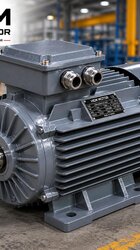
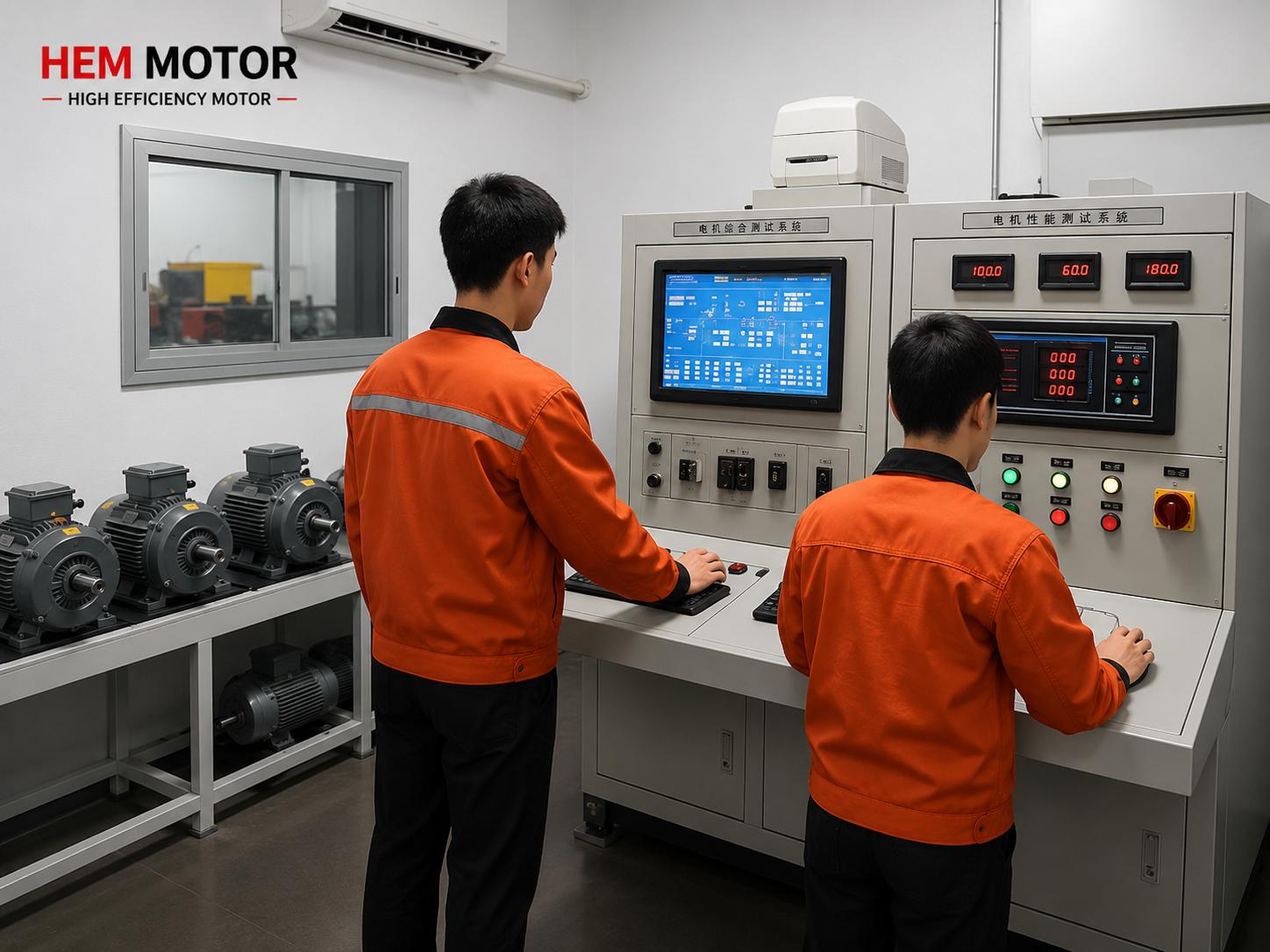

An efficient motor consumes electricity even while idling without drawing load. Although the motor seems to be doing nothing, the iron loss spent building its magnetic field and the mechanical friction loss continue constantly; this is the motor's no-load current and loss. In a plant running three shifts, motors idling for long periods during shift breaks or machine stoppages create an unnoticed standby draw and energy waste. This guide addresses, conceptually, no-load loss on an efficient motor, the decision to stop a motor during long idle periods, the balance with the cost of frequent start-stop, and stopping via automation/sensors. The aim is to see the cost of turning a motor unnecessarily and to make the right shutdown decision.
What Is No-Load Loss? Why Does a Motor Consume When Doing Nothing?
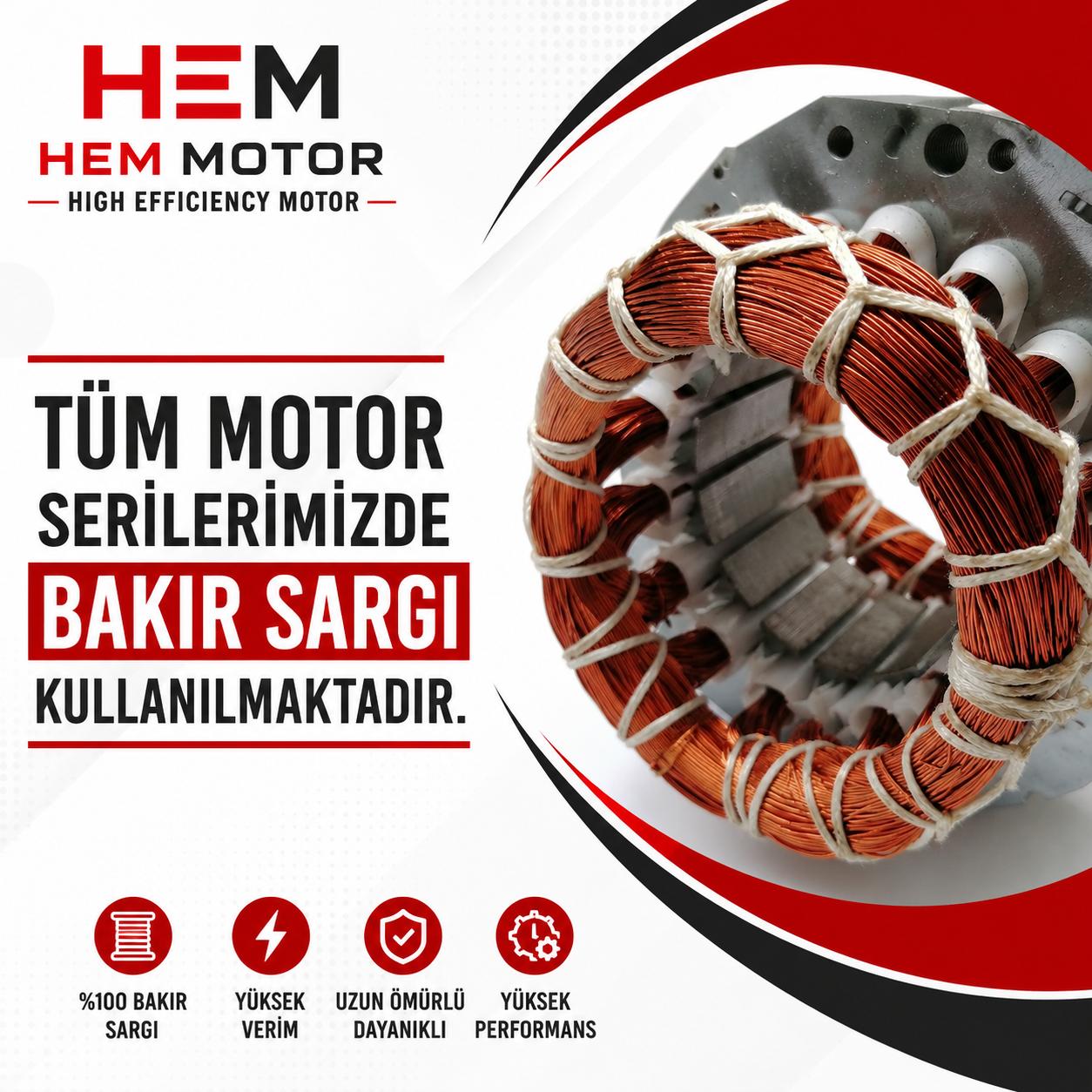
An asynchronous motor draws some current from the mains even while idling; this is called the no-load current. Most of this current is the magnetizing current needed to build the motor's magnetic field and is largely reactive. The power drawn at no load consists of two main losses: iron (core) loss and mechanical (friction and windage) loss. Iron loss is present continuously, depending on voltage, as long as the motor is energized; mechanical loss arises from bearing friction and fan windage as long as the rotor turns. So even if a motor carries no load, simply being energized and turning consumes energy. In efficient motors these losses are reduced; but they are not zero. We covered in detail where the losses are reduced in an efficient motor in our IE4 motor efficiency losses (iron, copper, friction) article.
At no load the motor's power factor is very low, because most of the current drawn is reactive magnetizing current. This raises the need for reactive draw and power factor correction at part/no load. We addressed this in our power factor (cos phi) and correction article, and power factor and reactive penalty in a high-efficiency motor in our power factor and reactive penalty article.
Oversizing Magnifies No-Load Loss
An interesting point: the larger the motor is selected, the larger its no-load and low-load loss. An oversized motor (larger than needed) usually runs at a low load ratio; this both lowers efficiency and produces more iron and friction loss even when idling. So correct sizing saves at both full load and no load. We explained why oversizing eats savings in our IE4 motor part and low-load efficiency article, and at what load to run a motor in our motor load ratio, efficiency and correct sizing article.
A correctly sized motor turns with less loss at no load too; but turning it unnecessarily for long periods is still waste. So besides sizing, the decision of when to stop the motor is also important. We covered calculating motor power correctly for pump, fan and conveyor in our motor power calculation article.
Seeing the Standby Draw: Load Profile Logging
Knowing which motors in a plant idle and for how long reveals hidden energy waste. Measuring and logging the load profile of motors shows which motor idles unnecessarily and which should be changed/stopped. We covered this method in detail in our motor load profile and data logging article. We explained preparing for an energy efficiency audit and producing a motor inventory in our energy efficiency audit and motor inventory article.
The Shutdown Decision: Balance With Frequent Start-Stop
Stopping an idling motor looks like saving at first glance; but stopping and restarting a motor very frequently is also a cost. At each start the motor draws a high starting current (several times the rated current), and this heats both the winding and the mechanical parts. Very frequent start-stop can cause the motor to heat up and shorten its life; each start also wears the contactor and starter components. So the shutdown decision is a matter of balance: for short stoppages (for example, a few minutes of machine waiting) stopping the motor is usually not sensible; for long stoppages (for example, long shift breaks, meal breaks, night stoppages) stopping the motor saves energy.
In striking this balance, the motor's permitted number of starts per hour and the heating limit in frequent start-stop must be considered. We addressed this in our starts per hour limit article, and jogging and inching in our jogging and frequent start-stop heating article. You can find making frequent start-stop safer by reducing starting current in our starting current (LRA) reduction article.
Stopping via Automation and Sensors
Instead of leaving the shutdown decision to a person, managing it with automation protects both the savings and the motor. For example, a conveyor can be stopped automatically by a sensor signal when there is no material on it and restarted when material arrives; this removes unnecessary idling but also avoids unnecessary frequent start-stop. With a variable frequency drive (VFD), a motor can be held at low speed instead of stopping completely when the load drops; this reduces both the start shock and the no-load loss. We covered when a VFD is needed in our frequency drive (VFD) with asynchronous motor article. A smart stopping strategy, when spread across the plant's entire motor fleet, provides scalable savings; we explained this in our single motor to fleet savings article.
Managing the Standby Draw: For Real Savings
Investing in an efficient motor is the first step of saving; the second step is managing correctly when you run and when you stop that motor. Seeing the no-load loss, stopping the motor during long idle periods, striking the balance with frequent start-stop cost, and stopping via automation/sensors where possible complete the savings expected from an efficient motor. The standby draw that looks small on a single motor becomes a serious annual cost in a plant with many motors. We covered measuring and documenting annual savings in our measuring and documenting annual energy savings article, and investment prioritization with ISO 50001 in our ISO 50001 and motor efficiency article.
You can review all efficient motor options from our high-efficiency motors blog category, and motor fleet management in three-shift plants from our motor fleet management in three-shift facilities article. For our general products, visit the HEM Motor home page.
Practical Ways to Reduce No-Load Loss
There are several practical ways to reduce no-load loss. The first is correct sizing; a motor of the right power produces less iron and friction loss at no load than an oversized one. The second is choosing a high-efficiency class (IE4/IE5) motor where possible; in these motors no-load losses are reduced by design. The third is stopping the motor during long stoppages or holding it at low speed with a variable frequency drive. The fourth is running the motor only when truly needed, using automation and sensors. When all these ways are applied together, the plant''s total standby draw is reduced significantly. We covered the effect of correct sizing on savings in our efficiency class and correct sizing article, and critical spare motor planning in our critical spare motor list article.
Managing no-load loss affects not only the energy bill but also the plant''s carbon footprint; every unnecessarily turning motor means extra carbon. We addressed this in our lowering the carbon footprint article, and in terms of CBAM and exporting plants in our carbon border (CBAM) article. We covered financing the investment with savings through an energy performance contract in our energy performance contract (EPC/ESCO) article.
Reducing Standby Draw With a VFD
A variable frequency drive (VFD) is one of the most flexible tools for managing no-load loss. Instead of stopping the motor completely when the load drops, the VFD turns the motor at low speed to keep it ready while reducing magnetizing loss by lowering voltage/speed. The VFD also reduces the wearing effect of frequent start-stop by starting and stopping the motor smoothly; this makes it easier to safely stop and restart the motor during long stoppages. In variable-load applications such as pumps and fans, reducing speed with a VFD provides large savings under the affinity law; we addressed this in our VFD pump and fan affinity law article. We explained the savings of a VFD with a high-efficiency motor in pumps and fans in our high-efficiency motor + frequency drive article.
Shift Pattern and Standby Draw Management
Managing standby draw in a three-shift plant requires understanding the shift pattern well. Machines stop during shift breaks, meal breaks, cleaning and maintenance stoppages, but motors are often left running; summed up, these periods create a serious idle time. Correct management is to identify these stoppage durations and stop the motor during the long ones while leaving it running during short ones. Setting up an automatic stop-start plan at shift transitions both saves energy and reduces dependence on the operator. We covered motor fleet management in three-shift plants in our motor fleet management in three-shift facilities article, and critical spare motor stocking in our critical spare motor list article.
Reducing No-Load Loss by Choosing the Right Efficiency Class
The most lasting way to reduce no-load loss is to choose a high-efficiency class motor from the start. Moving from IE3 to IE4 or IE4 to IE5 reduces losses at both full load and no load, because in these motors iron and friction losses are reduced by design. On motors that run for long periods and often idle, this difference turns into a serious annual saving. We covered the IE3 vs IE4 decision in our IE3 or IE4 electric motor investment article, and the payback of replacing an old standard motor with IE4 in our replacing an old motor with IE4 article. You can also review investment prioritization with ISO 50001 in our ISO 50001 and motor efficiency article.
Frequently Asked Questions
How much energy does an idling motor consume?
An idling motor consumes energy continuously due to iron (core) loss and mechanical friction loss even when carrying no load; most of the current it draws is the reactive magnetizing current that builds the magnetic field. Consumption depends on the motor's power, efficiency class and sizing; an oversized motor loses more at no load. This loss, which looks small on a single motor, reaches a serious annual cost in a plant where many motors idle for long periods. You can measure this waste with load profile logging.
Should I stop the motor during short breaks?
Usually no. Stopping and restarting a motor during very short stoppages (a few minutes) heats the motor because a high starting current is drawn at each start, and frequent start-stop shortens life. During short waiting periods, leaving the motor running is more sensible to avoid the wearing effect of frequent starts. By contrast, during long stoppages (long shift breaks, night, weekend) stopping the motor saves energy. The decision is made on the balance between the stoppage duration and the motor's permitted number of starts per hour.
Does stopping via automation really save energy?
Yes. With sensors and automation, the motor is run only when it will actually do work; for example, a conveyor stops automatically when there is no material on it and starts when material arrives. This removes unnecessary idling and avoids delays that depend on human decisions. With a VFD, a motor can be held at low speed instead of stopping completely; this reduces the start shock and no-load loss together. Automated stopping provides scalable and sustainable savings, especially in multi-motor plants.
Get a Quote
To reduce the no-load loss of motors in your plant, select correctly sized efficient motors and plan automated stopping solutions, get in touch with us. Tell us your motor powers, operating profile and shift pattern; we will offer a quote with an efficient motor and a recommendation to reduce standby draw. Phone: +90 (532) 345 49 86. For a fast quote, use our contact page.
Purchasing and Selection Checklist
- Are the motors correctly sized to need (not oversized)?
- Is it measured/logged which motors idle and for how long?
- Is there a shutdown plan for long stoppages (shift breaks, night)?
- Is unnecessary start-stop avoided during short breaks?
- Is the motor's permitted number of starts per hour considered?
- Is sensor-based automatic stopping applicable (e.g. when no material on a conveyor)?
- Is holding at low speed with a VFD an option?
- Is the low power factor and reactive draw at no load evaluated?
- Is the saving scaled from a single motor to the whole fleet?
- Is annual savings measurement and documentation planned?