English
 Türkçe



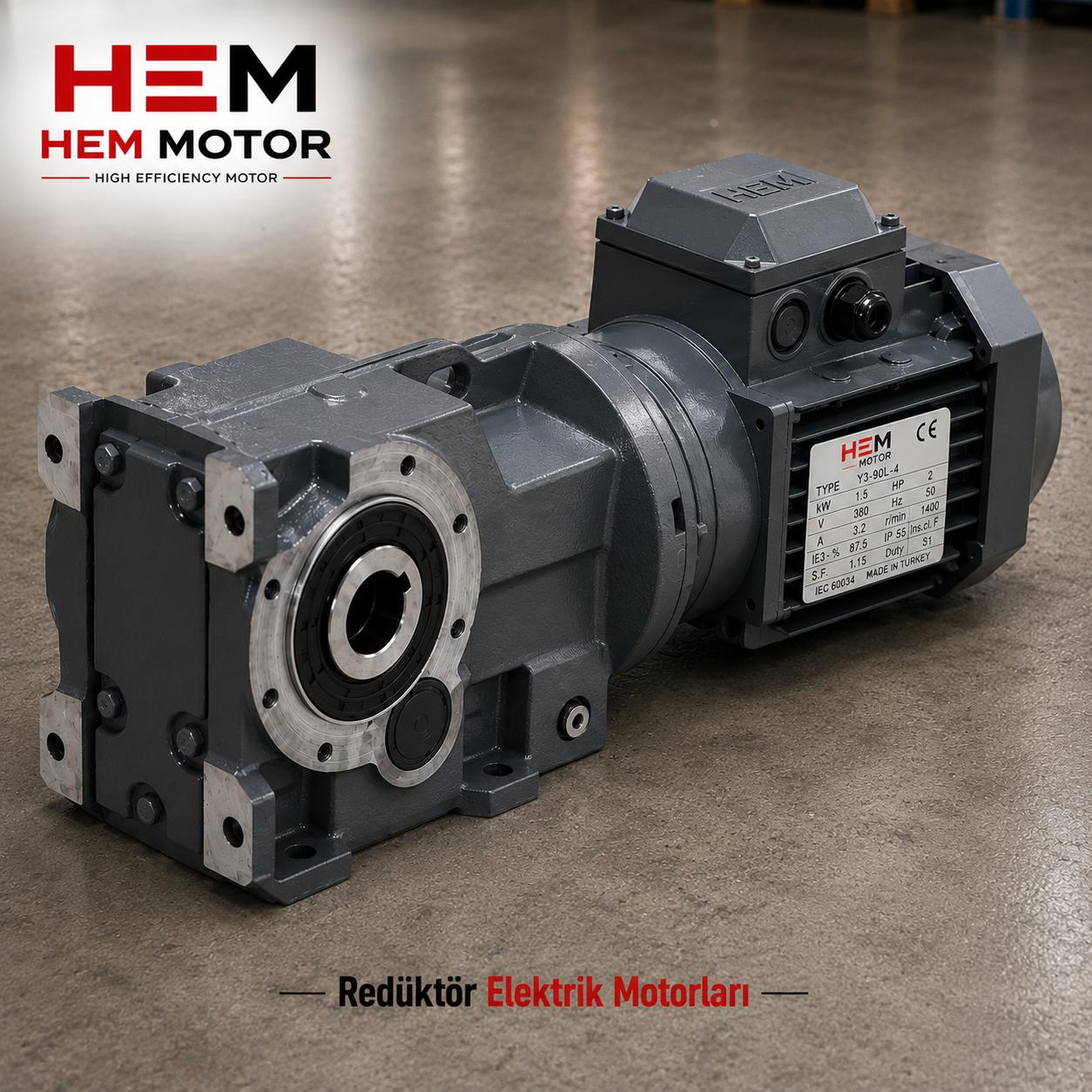

Dewatering is one of the most critical yet least discussed systems in mines and quarries. Water that collects in galleries, on the overburden bench or at the pit floor becomes a slurry loaded with abrasive solids, and the load profile facing the motor that pumps it is completely different from that of an ordinary clean-water pump. Abrasive slurry wears down both the pump impeller and casing, and it forces the motor to run continuously at high power in a dusty, humid and vibrating environment. A wrongly selected motor can fail within weeks through a bearing failure, a winding burnout or a seal leak, and as the water level rises in the pit, production stops. In this guide we walk step by step through the selection of a mine dewatering and slurry pump motor in terms of power, protection class, duty type, starting method and supply. Our goal is to help the buyer ask the right questions and select a long-lasting field motor on the first attempt.
Why Is the Load Profile Different in a Slurry Pump?
A clean-water pump moves a fluid of constant density and low abrasiveness. A slurry pump, by contrast, carries a high-density mixture containing sand, silt, ore fragments and fine solids. This difference has three direct effects on the motor. First, as the solids ratio rises the specific gravity of the fluid increases; delivering the same flow at the same head therefore requires noticeably more power than clean water. Second, as the impeller wears the pump efficiency drops and the motor is pushed harder to keep the system in balance. Third, the irregular flow of slurry and possible blockages create sudden load surges (torque shocks) in the motor.
For this reason a slurry pump motor is always selected with a power margin (service factor). A safety margin is added on top of the calculated shaft power to cover the rising power demand from impeller wear and density changes. Our content on motor load ratio and correct sizing explains why selecting a motor neither too large nor too small is critical for efficiency and life. For practical methods of pump power calculation, our guide on required kW for pumps, fans and conveyors is a good starting point.
Specific Gravity and Power Relationship
The specific gravity of slurry can rise from the 1.0 of clean water to 1.3 or even higher. Because the hydraulic power of a pump is directly proportional to fluid density, in a high-solids slurry the motor power requirement at the same flow-head point grows proportionally. In field practice the motor power must not be finalised without knowing the slurry specific gravity and the maximum solids ratio. These values come from the pump manufacturer curve and the project specification; when shared with the motor supplier, the correct power and speed combination is determined.
Torque Shocks and Inertia
A slurry pump demands high torque, especially at first start-up and during a line blockage. This means the motor starting torque and overload capacity matter. To understand motor behaviour under shock and variable load, our article on asynchronous motor torque classes (Design N/H) and starting torque clarifies which torque class suits which load. The contribution of the service factor to overload capacity can be found in our service factor and overload capacity content. In practice a slurry pump is usually driven by 2- or 4-pole motors; speed selection follows the pump operating point. We covered the effect of pole count on efficiency and torque in our 2, 4, 6 poles which for which job article and the correct speed-power combination in our motor selection in variable-speed applications content.
Considering Pump System Efficiency as a Whole
The real efficiency of a slurry pump is determined not only by the motor efficiency but by the system efficiency formed together by the pump, the pipeline and the worn impeller. A worn impeller causes energy loss no matter how efficient the motor is. For this reason the whole system must be considered together with the pump when selecting the motor. We covered system efficiency in our real efficiency in a pump system article and the difference between nameplate and field efficiency in our nameplate vs field efficiency content. In a continuously running high-power dewatering motor even a small efficiency difference creates a noticeable annual energy saving; that is why efficiency class selection is also part of the supply decision.
Continuous Duty (S1) and Duty Type
Mine dewatering is usually uninterrupted; the pump runs for hours or even days without stopping to discharge the water entering the pit. This means the motor will run at full load in S1 continuous duty. In S1 duty the motor reaches thermal equilibrium and the winding temperature must stay below the permitted limit. We covered the purchasing impact of duty types in detail in our duty type (S1-S6) selection guide. Cooling and insulation class are also critical for managing heat at continuous full load.
Temperature Rise Class and Insulation
In continuous heavy duty, F-class insulation with B-class temperature rise is a safe combination that extends motor life. The relationship between insulation and temperature rise is explained in our temperature rise class (Delta T 80K) article, and the effect of winding insulation class on life in our winding and insulation class (F/H) content. In dusty and hot environments insulation selection must be considered together with the cast iron body; our insulation class and cast iron body in hot, dusty environments article guides this choice.
Cooling and Fin Cleaning
In a muddy, dusty environment the dirt that builds up between the motor cooling fins impairs cooling and overheats the motor. At continuous load this is one of the most insidious causes of shortened winding life. We covered cooling methods in our cooling methods IC411 and IC416 article and fin dirt and cleaning in our cooling fins and dirt build-up content.
Protection Class: IP65/IP66 and Submersible IP68
In mine dewatering the motor works in two basic architectures. The first is the dry-mounted (surface) layout where the pump and its motor stand in a slurry-affected environment; here at least IP55, and IP65 or IP66 in harsh sites, is needed against dust and water splash. The second is the submersible layout where the motor is fully submerged with the pump; here the motor must have IP68 sealing and be designed for permanent operation underwater. We covered protection class selection generally in our IP protection class selection: IP55, IP65, IP66 guide.
Dust Sealing
The pit environment is heavily loaded with dust. If dust enters through the terminal box and shaft seal it threatens both insulation and bearing. We detailed dust sealing in mine and crusher sites in our dust sealing and IP65/IP66 protection article, and general protection against dust, moisture and impact in quarries and mines in our motor protection in quarries and mines content.
Protection Against Washing
In the field motors may be cleaned with pressurised water. Motors exposed to high-pressure cleaning need a higher protection class. We covered this subject in our IP69K protection and high-pressure washdown article.
Corrosion and Moisture Protection
Mine water is often acidic or saline, which means corrosion risk for the motor body and shaft. The cast iron body is preferred in this environment for its mechanical strength, but surface protection matters too. Cataphoresis coating and a suitable paint system protect the body from corrosion. We covered this in detail in our paint and cataphoresis coating and corrosion protection and open-field use articles. For measures specific to saline and coastal environments, our protection in saline environments at marine and coastal plants content is also useful.
Oil Seal and Sealing
In a muddy environment the shaft seal is the first line of defence preventing water and solids from reaching the bearing. A double seal or a seal + V-ring combination noticeably extends bearing life in non-submersible layouts. We covered seal and sealing selection in our oil seal and sealing article. In vertically mounted pumps seal selection in the shaft-down position is also important; this is found in our vertical mounting V1/V5 shaft-down selection content.
Bearing, Vibration and Mechanical Strength
Vibration is unavoidable in an abrasive slurry pump; as the impeller wears imbalance grows, which loads the bearing. A heavy-duty bearing, correct greasing and vibration monitoring determine bearing life in this system. We covered bearing type and life in our asynchronous motor bearing type and life article, and greasing and lubrication in our bearing greasing and lubrication content. The impact and vibration damping advantage of the cast iron body can be found in our impact strength and body rigidity article.
Vibration and Balance Acceptance
Measuring the motor vibration level at stock receiving and commissioning prevents early failure. We explained acceptance values in our vibration and balance ISO 10816/20816 acceptance values article and temperature monitoring in our protection with PT100 and PTC thermistor content.
Starting: Correct Start-Up at High Power
When the slurry pump motor is at high power, direct-on-line starting (DOL) imposes a heavy inrush current on the grid. This is especially problematic at generator-fed pit sites. A soft starter or star-delta reduces the inrush current and the mechanical shock. We covered starting methods in our star-delta or soft starter and soft starter compatibility articles. The source of inrush current and ways to reduce it can be found in our starting current (LRA) content.
Generator-Fed Sites
At pits the grid does not reach, the motor is fed from a generator; the inrush current directly affects generator sizing. We detailed this subject in our motor selection on generator-run sites and how many kVA generator for how many kW motor articles.
Notes on Running with a VFD
In some dewatering systems the flow is adjusted with variable-speed (VFD) control according to the water level. This both saves energy and offers a soft start; however, with drive operation, matters such as additional motor heating and bearing currents must be observed. We covered when a frequency drive is needed in our frequency drive (VFD) with asynchronous motor article and the gain from reducing speed via the affinity law in pumps and fans in our VFD energy savings in pumps and fans content.
Terminal Connection and Grounding
Electrical safety is critical in a humid, conductive slurry environment. Terminal box sealing, correct cable gland selection and solid grounding are essential for both personnel safety and insulation life. We detailed the terminal box and cable connection in our terminal box and cable connection article and grounding and electrical safety in our grounding and electrical safety content.
Supply and Redundancy at the Mine Site
When the dewatering pump stops, the pit floods and production halts; therefore a critical spare motor must be kept in stock and the supply contract must guarantee redundancy. We covered critical spare motor planning in our critical spare motor list article and supply contracts in mining in our motor supply contracts in mining content. The high-torque supply of mine and ore mill motors can be found in our mine and ore mill motors article. To explore our product families, you can visit our homepage.
Frequently Asked Questions
Should I select a slurry pump motor like a clean-water pump motor?
No. The solids ratio in slurry increases fluid density, and impeller wear raises the power the pump draws over time. For this reason a slurry pump motor must always be selected with a power margin (service factor), in continuous S1 duty and with a protection class suited to the abrasive environment. The maximum shaft power and specific gravity data from the pump manufacturer curve are shared with the supplier to determine the correct combination.
Is a submersible motor or a dry surface motor more suitable?
This depends on the pump layout and pit conditions. If the pump will run underwater, a submersible motor with IP68 sealing is required. If the pump is dry-mounted at the surface, a cast iron body motor with at least IP55, and IP65/IP66 in harsh sites, is suitable against dust and water splash. When deciding, maintenance access, water level and wear margin should be evaluated together.
What extends motor life in an abrasive environment?
The most effective measures are: a cast iron body with a suitable corrosion protection coating, double seal or seal + V-ring sealing, a heavy-duty bearing with regular greasing, keeping cooling fins clean, temperature and vibration monitoring, sizing with the correct power margin and soft starting. When all these measures are applied together, the motor runs long even in an abrasive slurry environment.
Get a Quote
Let us determine together the right power, speed, protection class and sealing options for your mine dewatering and slurry pump application, ready from stock to delivery. Share your pump curve, your maximum flow-head point and your ambient conditions; we will quickly offer you a suitable solution. To request a quote, reach us through our contact page or call now: +90 (532) 345 49 86.
Purchasing and Selection Checklist
- Has the maximum specific gravity and solids ratio of the slurry been determined?
- Have the maximum shaft power and flow-head point been taken from the pump curve?
- Has a power margin (service factor) been added to cover impeller wear?
- Has the duty type been confirmed as S1 continuous operation?
- Has the protection class been chosen (IP65/IP66 for surface, IP68 for submersible)?
- Have a cast iron body and corrosion protection coating been requested?
- Has double seal or seal + V-ring sealing been specified?
- Have a heavy-duty bearing and grease nipple been selected?
- Have temperature (PT100/PTC) and, if needed, vibration monitoring been planned?
- Have the starting method (soft starter/star-delta) and generator compatibility been evaluated?
- Has the motor been added to the critical spare stock plan?