English
 Türkçe



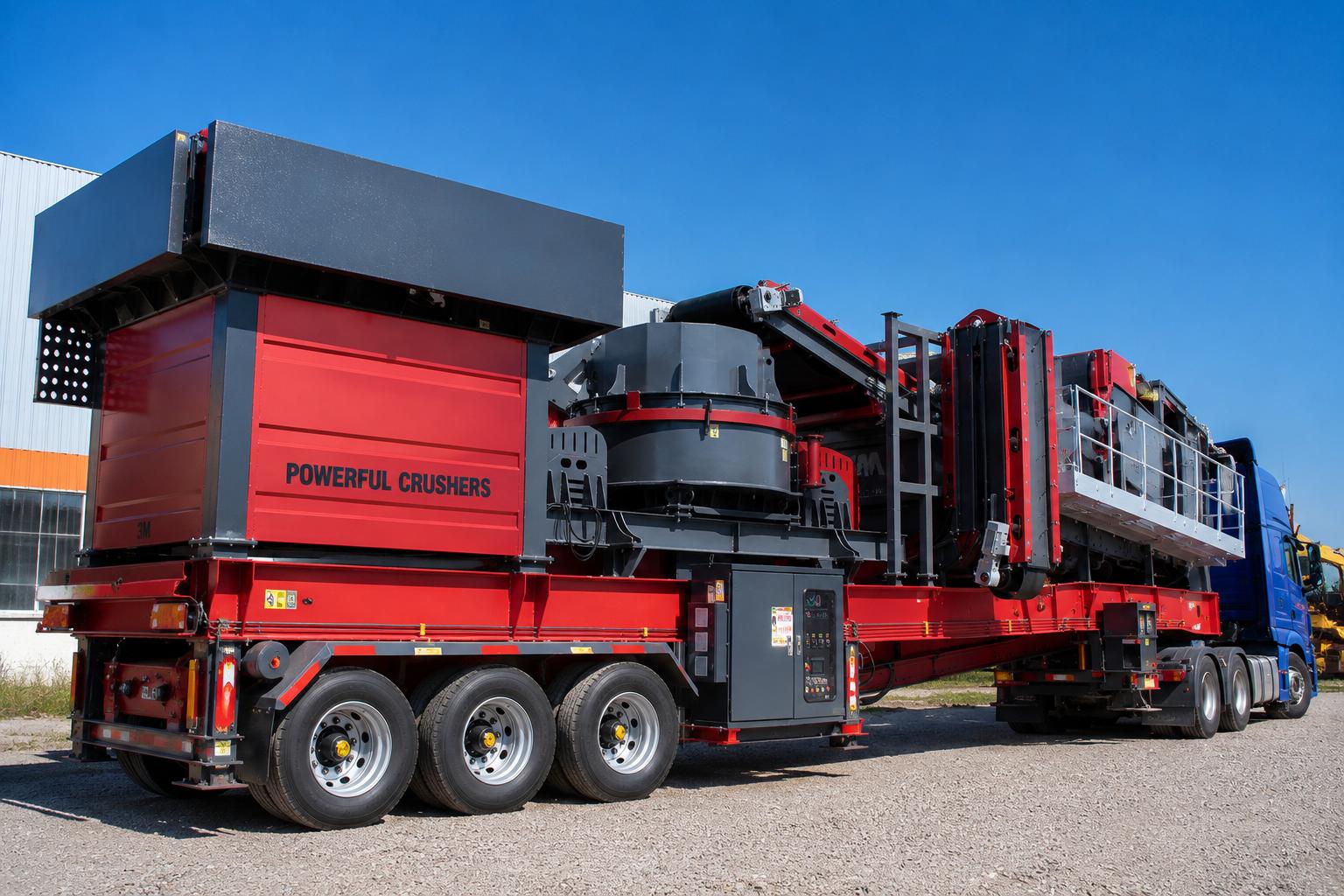

At a mine, time is the most unforgiving component of cost per ton. When the motor driving an ore conveyor stops, it is not only that belt that goes idle; the crusher feeding it, the loader feeding the crusher and a shift crew of dozens all start running for nothing at the same moment. Every hour spent waiting means unsold ore, an irrecoverable lost shift and delays on contracted shipments. This is precisely why electric motor supply in mining is not an ordinary purchasing line item but a strategic engineering decision that secures the continuity of production.
Many operations run for years on an "order as it breaks" logic. In an office, or in a plant near a city centre, this model works after a fashion, because a supplier can reach the door within hours. But a mine site is usually hundreds of kilometres from the nearest settlement, behind mountain roads that close in winter, or on a plateau reachable only by special vehicles. In this terrain there is no such thing as "order it right now". Even if a motor is in stock, freight does not arrive in a day; customs, road conditions, bad weather and site logistics stack up so that a one-day failure can easily become a one-week stoppage. Distance and access quietly collapse the reactive supply model.
In this article we examine the tools that turn motor supply in mining from crisis management into a planned assurance system: long-term contracts with annual volume commitments, consignment stock models, near-site storage and clear lead-time clauses. The goal is to build a structure in which the motor is already accessible "before it fails".
The Real Cost of a Motor Stoppage in Mining
A motor's price tag looks small next to the value that motor creates on site. In a typical ore-preparation line, the stoppage of the main drive motor means hundreds of tons of unprocessed material per hour, fixed overheads draining away for nothing and, very often, breach of sales contracts carrying penalty clauses. Calculating the cost of downtime correctly is the first step in choosing the right supply strategy.
- Direct production loss: the hourly tonnage of the stalled line multiplied by the sale value of the ore. On most sites this figure is many times the motor itself.
- Idle labour: even when the line is down, the cost of the shift crew continues; for safety reasons the crew cannot simply be dismissed.
- Cascading downtime: the stoppage of a single drive motor halts the successive conveyor, screening and flotation units as well.
- Contract penalties: a shipment that fails to reach the port or plant on time triggers the delay penalties in buyer contracts.
- Expedited logistics premium: express freight on an emergency-sourced motor costs many times a normal shipment.
Why the Reactive Order Model Collapses at a Mine
The "buy it when it breaks" approach that works in an urban plant fails at a mine for three core reasons. The first is access time: even if the motor is in stock, reaching the site takes days. The second is critical spare diversity: a mine runs many motors across different power and speed ranges, and finding all of them on a supplier's shelf at once is not guaranteed. The third is hero dependency: the reactive model leans on one experienced maintenance technician who solves each crisis individually; if that person is on leave or has left, the system is paralysed.
At a mine the right question is not "what do we do if the motor breaks?" but "when the motor breaks, is its spare already on site or in the nearest depot?" This mental shift moves purchasing from a one-off transaction to a contractual relationship that manages continuity. Getting a fast quote at the moment of need is not enough; stock must be positioned before the need arises.
Components of a Long-Term Supply Contract
The contract that builds motor assurance in mining is far more than a price negotiation. A well-structured long-term agreement benefits both parties, giving the operation stock security and the supplier predictable demand.
Annual Volume Commitment
Based on past failure and wear data, the operation commits to roughly how many motors of which types it will need over a year. In return for this predictability, the supplier brings the product into its production plan and guarantees lead time. The annual volume commitment largely eliminates the risk of being told the motor is "out of stock", because the supplier has already reserved those units.
Consignment Stock
In the consignment stock model, critical motors physically sit on the operation's site or in a nearby depot, but ownership remains with the supplier until they are used. The operation ties up no capital simply to fill a shelf; an invoice is issued when it draws the motor. This means both zero waiting time and low stock cost. In mining, consignment is the most practical form of the guarantee that "the motor is already behind the door at the hour of failure".
Near-Site Storage and Min-Max Levels
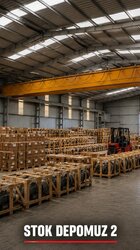
Setting up an intermediate depot within a few hours of the site ensures the spare is on hand even if a mountain road closes. Min-max stock levels are written into the contract: when stock falls to the defined lower bound, the supplier replenishes automatically. This eliminates the "we forgot to place the order" error; replenishment depends on the contract, not on one person.
Clear Lead Times and Penalty Clauses
The backbone of the contract is committed lead times. Net lead times are defined in hours for emergency items and in days for planned items, with remedies for delay written in. These clauses discipline the supplier while giving the operation a reliable calendar to plan around.
Redundancy Strategy: Which Motor Is Critical?
Holding every motor on site in consignment is neither economical nor necessary. Smart redundancy begins with distinguishing critical equipment. The following criteria determine whether a motor belongs on the "critical stock" list:
- Singularity: main drive motors with no backup that halt the whole line when they stop are the highest priority.
- Sourcing difficulty: motors in special power, speed or frame sizes are not readily available on the market and require shelf assurance.
- Failure frequency: motors running at high speed in dusty, humid, vibrating environments are replaced more often; past data is reviewed.
- Access difficulty: motors in the most remote, hardest-to-reach units of the site demand an on-site spare.
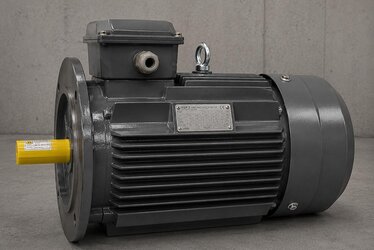
This classification keeps the right motors in the right place rather than stocking the whole catalogue. Since protection class and resistance to environmental conditions are critical when selecting heavy-duty motors suited to the site, it is practical to build the critical-item list together by reviewing our broad range of electric motors and reducers according to need.
What Contractual Supply Brings the Operation
A long-term, redundancy-focused supply agreement does more than reduce downtime; it puts the operation's entire maintenance and budget planning on a solid footing.
- Predictable budget: with annual volume and a price framework defined, surprise emergency purchase items disappear.
- Minimum downtime: consignment and near-site storage cut motor replacement from hours to minutes.
- Low tied-up capital: in the consignment model, stock cost is paid as it is drawn; no idle money sits on the shelf.
- Single-source technical continuity: working with the same supplier builds institutional memory in motor selection and spare compatibility.
- Negotiating power: volume commitment gives the operation an advantage in both price and delivery priority.
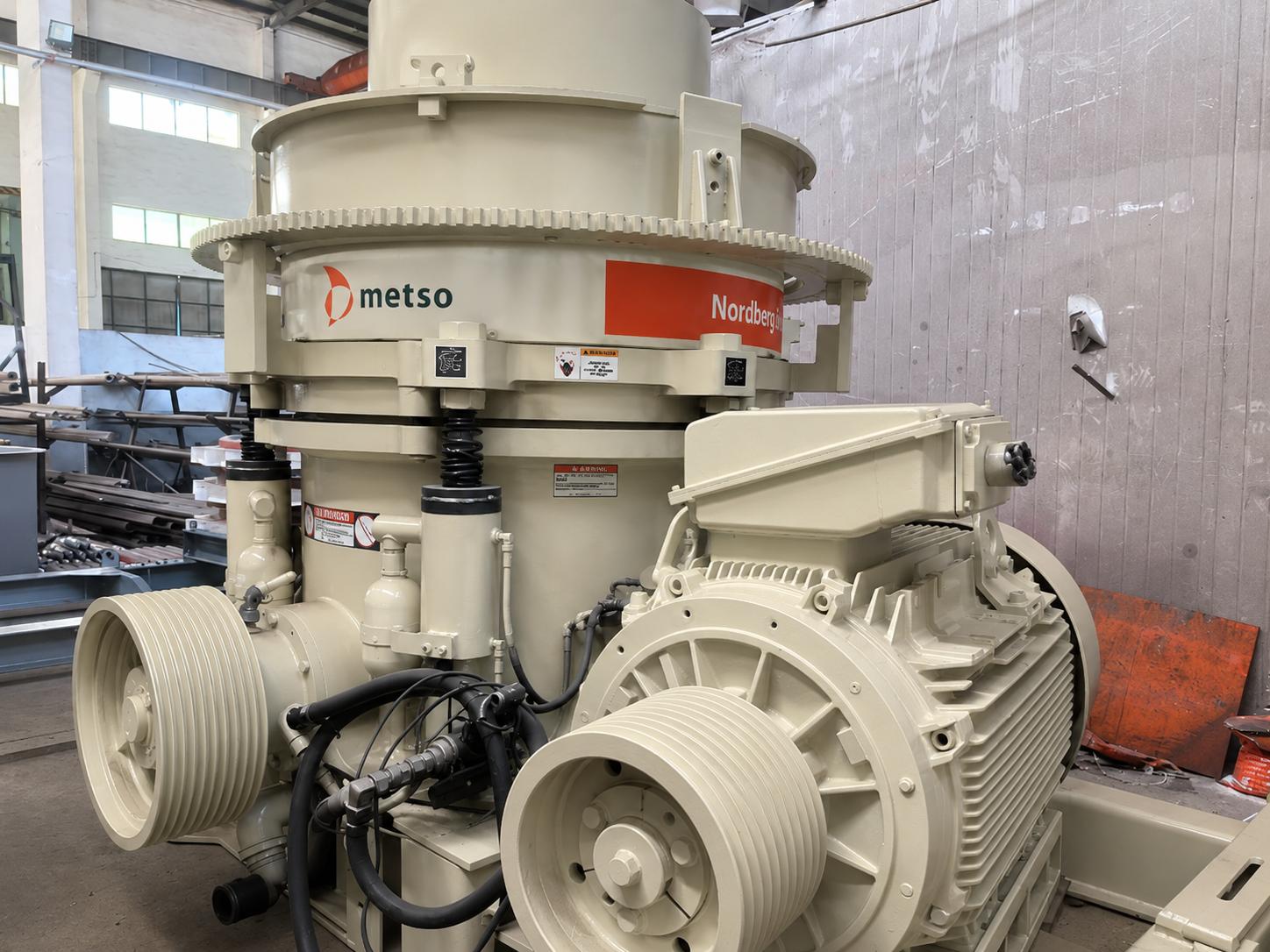
When planning mine-specific drive solutions, evaluating our heavy-duty motor and reducer options to pin down the right power and protection class is the practical way to match the critical-stock list to real field data. The first step is to inventory all drive equipment on site and combine it with failure history; then build a supply and stock-assurance quote for the critical items.
What to Watch When Setting Up the Contract
A supply contract signed in good faith but poorly structured may fail at the moment of crisis. The points most often overlooked in practice are:
- Stock levels not matching real consumption: min-max values should be set from past consumption, not desk estimates.
- Vague lead-time clauses: not phrases like "as soon as possible" but clear figures in hours and days should be written.
- Neglecting spare-part compatibility: compatible couplings, pulleys and mounting hardware must be secured alongside the motor.
- Ignoring environmental conditions: dust, humidity and temperature values must be reflected in the product specification in the contract.
These details make the contract work on site rather than only on paper. Structured correctly, long-term supply becomes the mine's quietest yet strongest production insurance.
Frequently Asked Questions
How much capital burden does the consignment stock model place on the operation?
The biggest advantage of the consignment model is that, even though the stock sits on site, ownership stays with the supplier until the moment of use. The operation pays not for placing the motor on a shelf but for drawing and using it. This way, critical spares wait physically ready while tied-up capital is minimised. In practice the operation gains both zero waiting time and low inventory cost at the same time.
Which motors should I put on the critical stock list?
Four criteria decide whether a motor counts as critical: it halts the whole line when it stops (singularity), it is not readily available on the market (sourcing difficulty), it has failed frequently in the past (failure frequency) and it sits in a hard-to-reach location on site. Combining an inventory of all drive motors with their failure history is the soundest way to draw up this list objectively. The aim is to back up the right items, not the entire catalogue.
How should a lead-time clause be written for a remote, hard-to-reach site?
For remote sites the lead-time clause should be two-tiered: delivery in hours from a near-site depot for emergency critical items, and delivery in days from the central depot for planned items. The clauses should include backup logistics scenarios and delay remedies for exceptional events such as closed roads and bad weather. Clear numerical lead times make it possible to act on the contract rather than guess in the moment of crisis.