English
 Türkçe


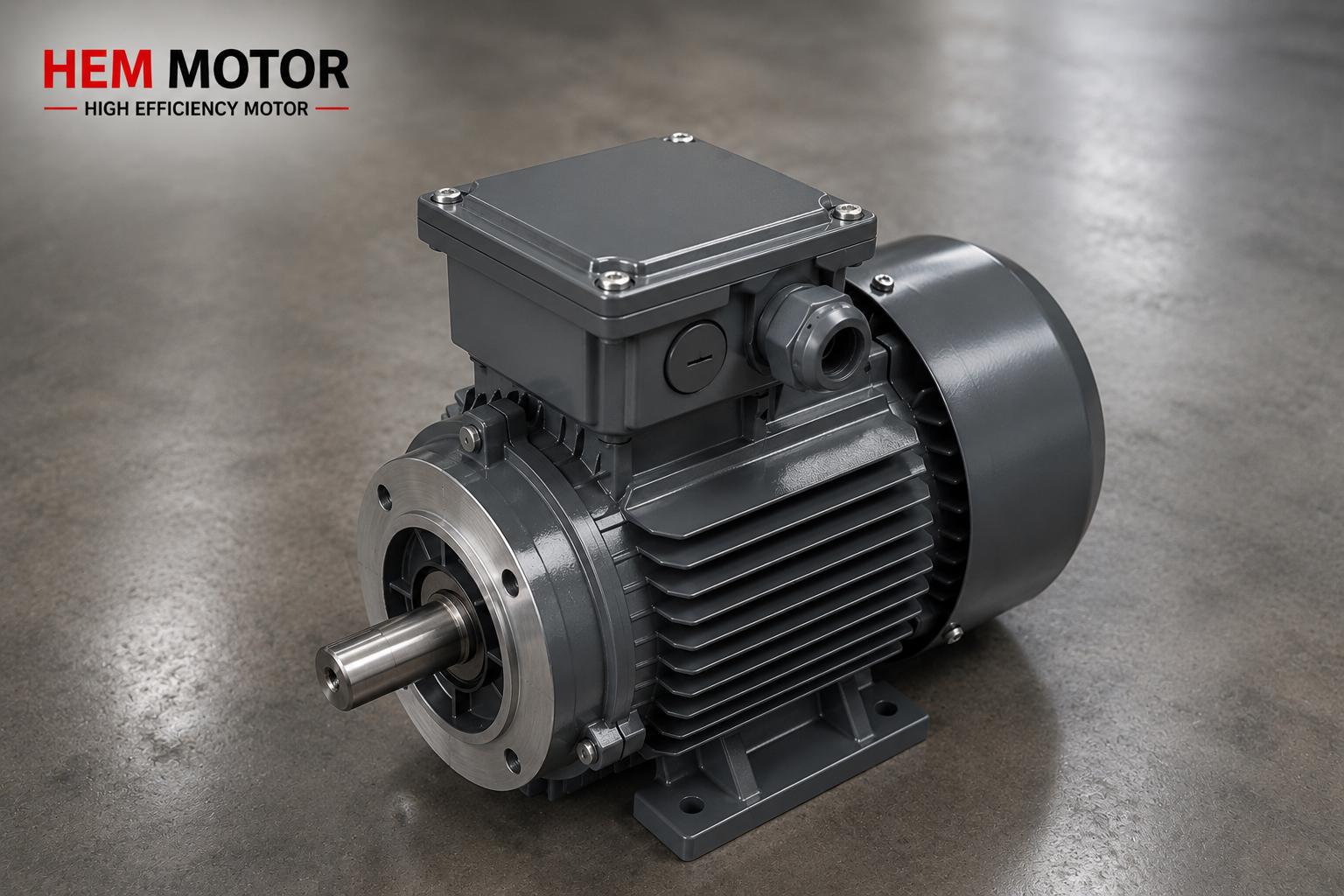

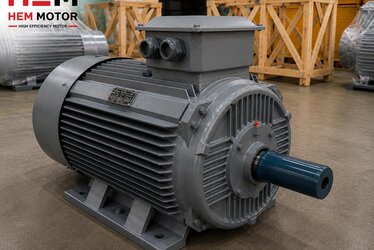
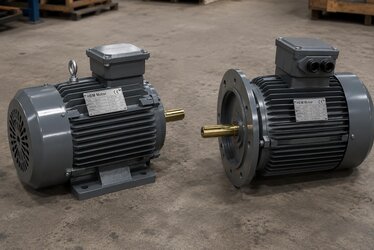
When buying an electric motor, most buyers ask about kW, speed, mounting type and efficiency class; yet which casting material grade the frame is made from is often overlooked. Yet the life, vibration behavior and mechanical strength of the motor are directly related to the frame material. Cast (gray) iron frames are classified according to the EN-GJL standard, and the two most common grades are EN-GJL-200 (formerly GG20) and EN-GJL-250 (GG25). In this article we cover the tensile strength, vibration damping and rigidity difference between the two grades; which power and application requires which grade; and how the buyer should check the casting quality.
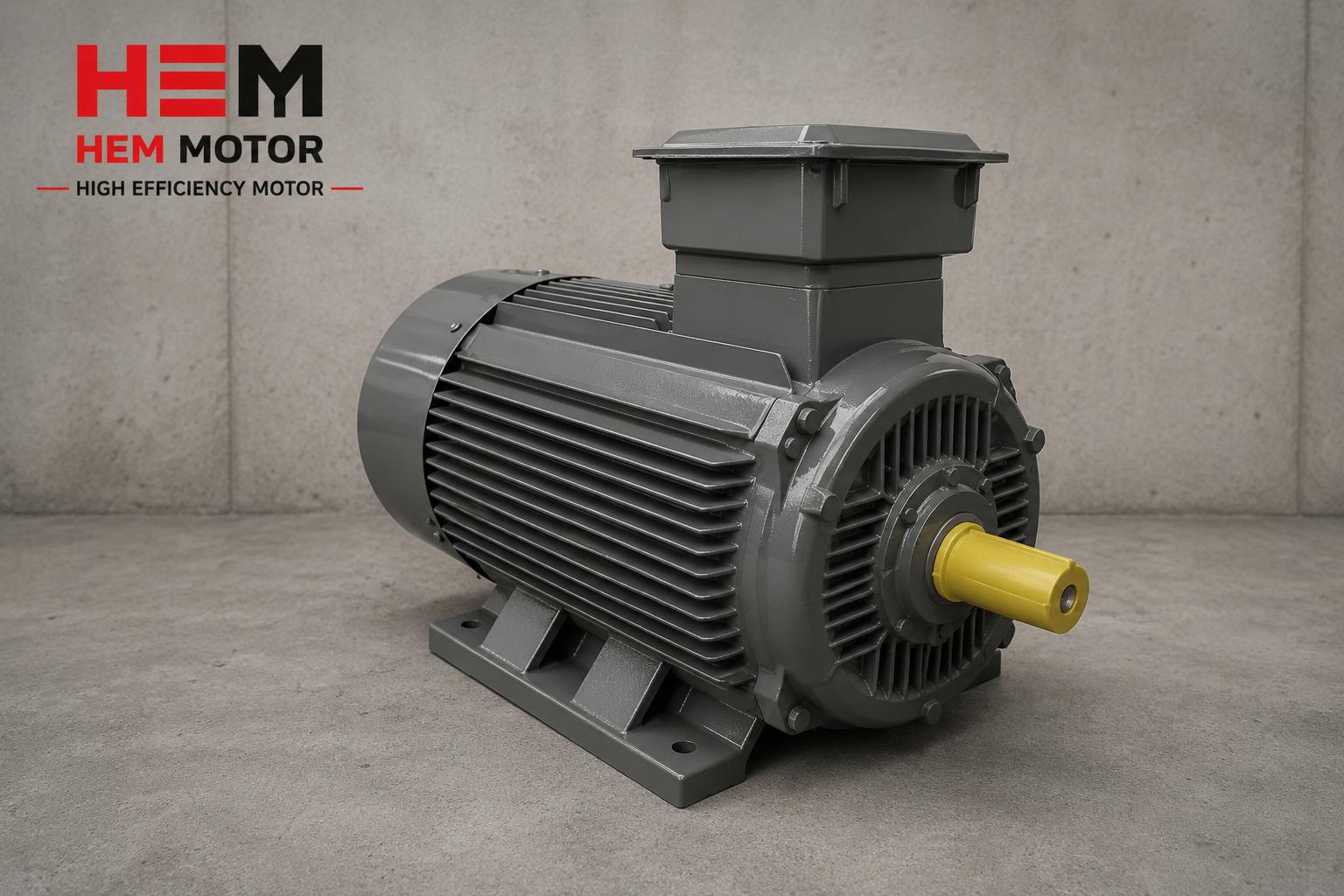
What Is EN-GJL? Gray Cast Iron Classification
EN-GJL is the material abbreviation for gray cast iron (lamellar graphite cast iron) under the European standard EN 1561. The letters "GJL" stand respectively for casting (G), iron-based (J) and lamellar graphite (L). The grade number indicates the minimum tensile strength of the material in MPa:
- EN-GJL-200 (GG20): Minimum tensile strength of about 200 MPa. A softer, easily machined, economical gray cast grade.
- EN-GJL-250 (GG25): Minimum tensile strength of about 250 MPa. Higher strength, tighter microstructure, higher rigidity.
The critical point here is this: the phrase "cast iron frame" alone is not enough. Both motors may have cast iron frames, but if one is cast from GG20 and the other from GG25, their mechanical behavior differs. For a general overview, our article on cast iron versus aluminum frame is a good starting point. Note: unlike our article on casting quality and porosity, this article focuses on the material grade (EN-GJL) axis.
Tensile Strength (MPa) Difference and Its Meaning
Tensile strength indicates the stress a material can withstand before breaking. EN-GJL-250 has about 25% higher minimum tensile strength than EN-GJL-200. In practice this means the frame stays safer under higher static and dynamic loads. In heavy-impact and high-vibration applications this difference becomes decisive; we examined this topic in depth in our article on impact strength and rigidity in cast iron frames.
Hardness and Machinability
Because GG20 is softer, it is easier to machine (milling, turning, drilling) and lower in cost. GG25, being harder and stronger, is somewhat more demanding to machine, but the resulting frame surface and tolerance precision are more stable under high loads. We examined frame machining and tolerance quality in our article on frame machining, tolerance and concentricity.
Vibration Damping: The Natural Advantage of Gray Cast Iron
One of the most valuable properties of gray cast iron is that it inherently damps vibration thanks to its lamellar graphite structure. Lamellar graphite creates micro-discontinuities within the material that convert vibration energy into heat and prevent its propagation. This is why motors with gray cast frames run quieter and with lower vibration than their fabricated steel or aluminum frame counterparts.
While the damping capability is similar between EN-GJL-200 and EN-GJL-250, the higher-rigidity GG25 frame shifts resonance frequencies upward, making vibration control easier at high powers. For motor vibration and balance acceptance values, our article on ISO 10816/20816 acceptance values is useful. For low-noise motor selection, see our article on low-noise motor selection in noise and vibration.
Rigidity and Frame Design
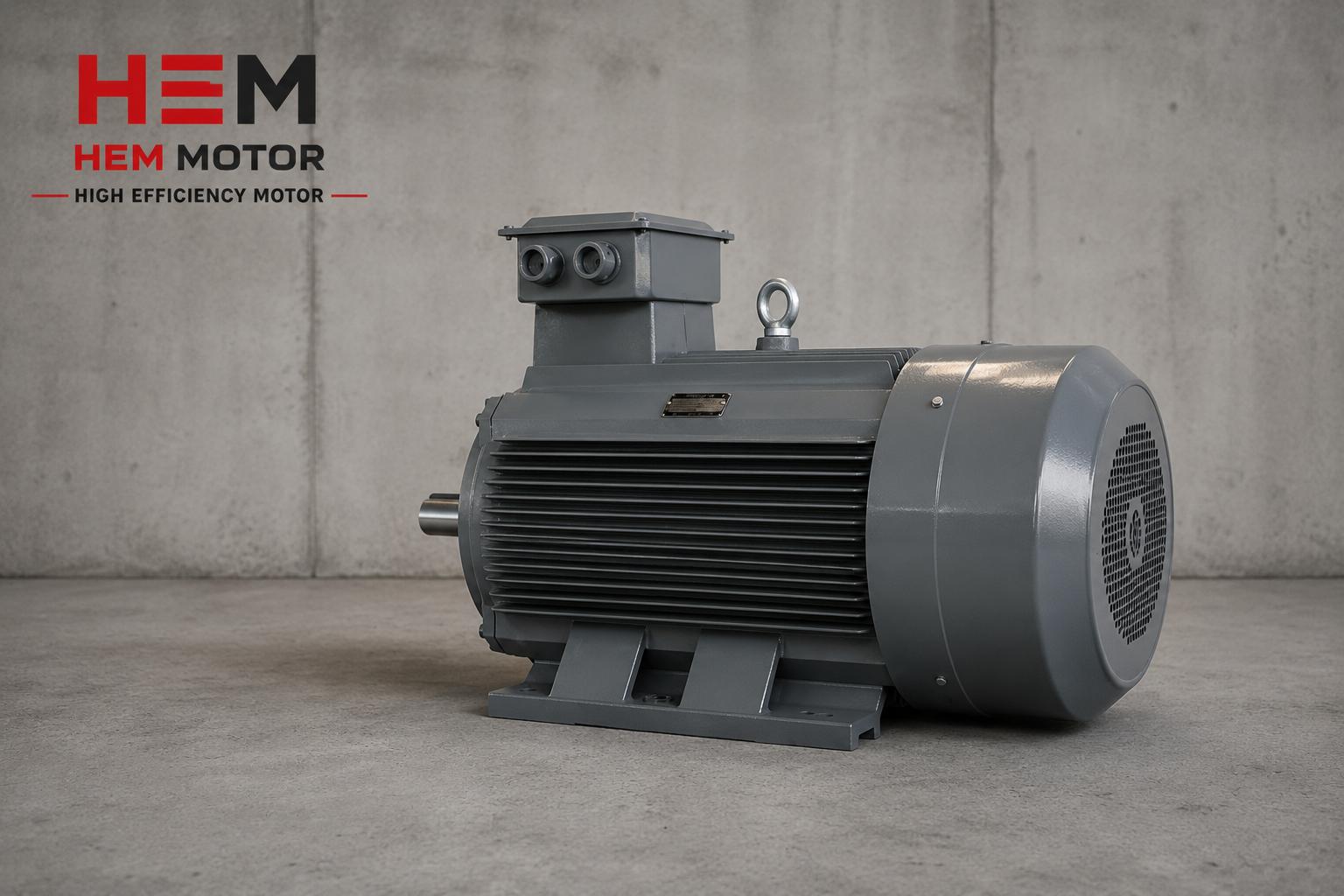
Rigidity is the frame resistance to deformation under load. High rigidity is critical for maintaining shaft concentricity, keeping coupling alignment intact and preventing deformation of the bearing seats. The EN-GJL-250 frame is preferred at high powers thanks to both its high modulus of elasticity and the rib structure in the frame design. We described the effect of frame rib design on rigidity and heat dissipation in our article on rib design. For frame size and power matching, our frame size and power matching guide will help.
Which Grade for Which Power and Application?
As a general approach:
- Small and medium powers, light/medium duty: EN-GJL-200 (GG20) generally provides sufficient mechanical strength; economical and machinable.
- High powers, heavy duty, impact/vibration load: EN-GJL-250 (GG25) is preferred. Applications such as crusher and stone crushing and heavy-duty conveyor drive are examples.
In hot and dusty environments, insulation and frame selection must be evaluated together; on this topic our article on motors in hot and dusty environments helps. For power reduction at high ambient temperature, see our article on derating and correct selection.
Cast Iron or Fabricated Steel? Grade Selection at High Power
At very high powers, some manufacturers offer a fabricated steel (welded steel) frame instead of cast iron. A steel frame may be lighter, but it lacks the natural vibration damping advantage of gray cast iron. Therefore in applications where vibration and noise are critical, the EN-GJL gray cast frame is preferred even at high power. We addressed the choice between cast iron and fabricated steel in our article on cast iron or fabricated steel frame. The EN-GJL-250 grade is frequently preferred at high powers because it offers both the strength and damping advantage of a cast frame together.
The frame material grade selection also affects frame weight and handling. The higher-strength GG25 gives design flexibility because it can provide the same strength with a thinner wall. We examined the relationship between frame size, weight and handling in our article on frame sizes (IEC 56-355) and weight. For correct lifting and handling, the lifting eyebolt on the motor is also important; we explained this topic in our article on the lifting eyebolt and safe handling.
Shaft Material and Torque Transmission
As much as the frame material grade, the material quality of the motor shaft also affects long life. The shaft is the critical part that transmits torque from the motor to the machine; it is usually made of C45 or alloy steel. Under high torque and impact loads, the quality of the shaft material determines the risk of deformation in the keyway and shaft twisting. We addressed shaft material and steel quality in our article on shaft material and steel grade (C45/alloy).
The compatibility between the frame and the shaft also covers the shaft height (H dimension) and axial alignment. In replacement orders and coupling mounting, the correct selection of these dimensions is the foundation of vibration-free operation; our article on shaft height (H dimension) and axial alignment explains this topic. We examined shaft diameter, key and coupling compatibility in our article on shaft diameter, key and coupling.
Quality Mark: How Does the Buyer Check the Casting Grade?
As a buyer, you can follow these steps to verify whether the frame is really of the expected EN-GJL grade:
- Request the technical document: Ask the manufacturer to state the frame material grade (for example EN-GJL-250) in writing.
- Observe surface and casting quality: Porosity, casting pores and wall irregularities indicate a quality problem. For details, see our article on casting quality, porosity and wall thickness.
- Check corrosion protection: Cataphoresis or quality paint extends the field life of the frame. Our article on cataphoresis coating explains this topic.
- Perform incoming inspection: Use our incoming and acceptance inspection checklist for insulation, rotation direction and frame integrity checks.
To avoid mistakes commonly made when buying motors in general, our article on mistakes made when buying an electric motor and our quality marks in bearing and seat life guide will be helpful.
The Relationship Between Wall Thickness, Cooling and Heat Dissipation
As much as the frame material grade, the wall thickness and casting geometry of the frame also determine the behavior of the motor. Sufficient wall thickness is needed for both mechanical rigidity and dissipating heat out of the frame. The heat generated in the winding and laminations while the motor runs is conducted to the frame and from there to the cooling fins. The thermal conductivity of gray cast iron supports this transfer; a well-designed rib and fin structure speeds up the release of heat into the air. Dirt accumulation on the cooling fins disrupts this process; we addressed the relationship between cleaning and efficiency in our article on cooling fins and dirt accumulation.
The EN-GJL-250 frame, thanks to its higher rigidity, can provide sufficient strength even with a thin wall; this gives flexibility to preserve heat dissipation while balancing the frame weight at high powers. However, what is critical from the buyer perspective is that the wall is cast porosity-free and consistent. Wall irregularity or internal voids weaken both heat dissipation and mechanical strength.
Corrosion, Ambient Condition and Frame Life
The casting material grade determines the mechanical strength, but the field life of the frame depends largely on corrosion protection. In open field, coastal, salty and humid environments, a gray cast frame can corrode without proper paint and coating. Therefore the material grade selection must be considered together with the corrosion protection strategy. For open field use, see our article on corrosion protection and open field use, and for marine and coastal facilities, our article on protection selection in salty environments.
In humid and outdoor environments, condensation can form inside the frame; a condensation drain hole is important for draining this water. We explained this topic in our article on the condensation drain hole. Care is also needed in the transport and stacking of heavy-frame motors; our article on transport, packaging and stacking addresses this topic. For more, you can visit our electric motors blog homepage.
Frequently Asked Questions
Are GG20 and GG25 the same thing as EN-GJL-200 and EN-GJL-250?
Yes. GG20 and GG25 are designations from the old German DIN 1691 standard; EN-GJL-200 and EN-GJL-250 are the designations of the current European standard EN 1561. The number expresses the minimum tensile strength of the material in MPa. The two designations correspond to the same material grades in practice.
Should I always prefer GG25?
No. GG25 offers higher strength and rigidity, but not every application requires it. At small and medium powers, under light and medium duty conditions, EN-GJL-200 (GG20) is generally sufficient and more economical. For high power, heavy duty, impact and vibration loads, EN-GJL-250 (GG25) should be preferred. The right choice depends on the load profile of the application as well as the power.
Why does gray cast iron run quieter than a steel frame?
The lamellar graphite structure of gray cast iron creates micro-discontinuities within the material that damp vibration energy. This natural damping means lower vibration and noise compared with fabricated steel frames. This is why gray cast frames are preferred in heavy industrial motors.
Get a Quote
Get support from our team to select the right cast iron frame motor with the frame material grade, power, speed and mounting type suited to your application. For an error-free order and fast supply, contact us at +90 (532) 345 49 86 or reach us via our contact page.
Cast Iron Frame Purchasing Checklist
- Verify the frame material grade (EN-GJL-200 / GG20 or EN-GJL-250 / GG25) in the technical document.
- Determine the load profile of the application: light/medium duty or heavy/impact duty?
- Check the power and frame size match.
- Clarify your vibration and noise expectation with ISO 10816/20816 acceptance values.
- Observe the casting surface: there should be no porosity or pores.
- Confirm corrosion protection (cataphoresis/paint) and the IP protection class.
- At delivery, inspect insulation, rotation direction and frame integrity.