English
 Türkçe


When you buy an electric motor and bring it to your plant, connecting it straight to the machine and running it can be one of the most expensive mistakes. A motor that has been struck during transport, has drawn moisture in storage, has been shipped incorrectly or whose nameplate does not match your order can damage both itself and the connected machine the moment it is commissioned. That is why professional facilities perform an acceptance inspection before taking the motor into stock or onto the line. An acceptance inspection is a quality-control (QC) process that, when receiving the motor and before commissioning, verifies with a short checklist that the motor is sound, matches the order and is in a condition fit to be commissioned. In this guide we list every step the buyer and the warehouse supervisor should know, from insulation resistance (megger) measurement to free rotation of the rotor, from direction of rotation to no-load vibration and noise, from nameplate-order matching to shaft and seal checks. The aim is to catch a problem motor right at the door and send only a sound motor to the field.
Why Is Acceptance Inspection Necessary?
Buying a motor is not a single transaction but a supply process. The final link of this process is the moment the motor reaches the plant. Problems such as shaft impact in transport, bearing brinelling (marks on the raceway surface), a cracked terminal box or moisture ingress may not be visible at a glance. The acceptance inspection reveals these hidden problems before the motor is run. At the same time it confirms that the correct product has arrived; connecting a motor that arrives with the wrong power, wrong speed or wrong mounting type to the line is a mistake that stops production. We covered shipping damage checks in our shipping damage risks article and preventing the wrong motor in our pre-order nameplate matching content.
The Final Check Before Commissioning
Acceptance inspection and commissioning complement each other. Acceptance inspection covers the soundness and suitability of the motor; commissioning covers performing the first start-up safely. We detailed the first start-up checklist in our commissioning and first start-up checklist article. The most common mistakes when buying can be found in our 7 most common mistakes when buying an electric motor content.
For Which Motors Is Inspection More Critical?
Acceptance inspection is useful for every motor, but in some cases skipping it leads directly to production loss. High-power and critical process motors, motors that have sat in storage a long time, imported and long-distance shipments, motors transported in humid or dusty environments, and spare motors brought in for emergency replacement top this group. We covered the high-power supply and commissioning plan in our supply of high-power motors above 90 kW article and finding an emergency replacement motor in our conveyor belt motor emergency replacement and swap content. The importance of acceptance inspection on a second-hand motor can be found in our second-hand or new stock motor article.
1. Nameplate and Order Matching
The first step of the inspection is comparing the motor nameplate with the order. Power (kW), speed (rpm), voltage and connection (Δ/Y), frequency, efficiency class (IE3/IE4), protection class (IP), mounting type (B3/B5/B35) and frame size (IEC) must each match the order document. A single mismatch can mean the motor does not fit the machine. We covered nameplate reading in our reading the IE3 motor nameplate article and catalog reading in our how to read an electric motor catalog content.
Mounting Type and Frame Verification
Even if the nameplate is correct, if the mounting type and frame size do not fit the machine the motor cannot be installed. A mix-up such as B14 instead of B5 or B35 instead of B3 makes mounting impossible. We covered mounting types in our B5 or B14 mounting type selection article and the frame and shaft table in our shaft diameter and frame table (IEC 56-355) content. If you are replacing an old motor, our direct replacement of an old-brand motor article guides equivalent selection.
2. Insulation Resistance (Megger) Measurement
The most critical electrical step of acceptance inspection is the insulation resistance measurement. With a megger (insulation resistance tester) the resistance between the winding and the body is measured. A low insulation resistance shows that the winding has drawn moisture or that the insulation has weakened; running such a motor can lead to a winding burnout. This measurement is essential, especially for motors that have sat in storage for a long time or have been transported in a humid environment. We covered the megger test and the check on stock motors in detail in our insulation resistance and megger test article.
What to Do at Low Insulation?
If the insulation resistance is below expectation, the motor must not be run immediately. Most often the cause is moisture in the winding; with controlled drying the resistance can recover. As a drying method, holding the motor in a warm, dry environment or energising the anti-condensation heater if fitted is preferred. We covered storage and the effect of moisture on insulation in our storage and long-term holding: moisture and bearings article, where you can also find the commissioning of a long-stored motor. If low insulation is permanent, the motor warranty comes into play; we covered the warranty in our what an electric motor warranty covers article. Noting the ambient temperature and humidity during measurement is also important; insulation resistance changes with temperature and measurements made under different conditions can only be compared after correction.
Early Failure and Quality Signs
Acceptance inspection also gives clues about the quality level of the motor. High insulation resistance, balanced phase resistances, low no-load vibration and quiet running are indicators of a well-made motor. We covered the early failure causes that shorten motor life in our motor life and 7 causes of early failure article, where understanding quality at purchase is also addressed. The symptoms of manufacturing-related problems such as broken rotor bars can be found in our broken rotor bar content.
Winding Resistance and Phase Balance
Besides insulation resistance, it is checked that the winding resistances of the three phases are close to each other. A noticeable difference between phases can be a sign of a winding problem or a connection error. We detailed the correctness of the terminal connection and voltage selection in our terminal connection: star and delta bridging article and the star-delta wiring diagram in our star-delta wiring diagram content.
3. Free Rotation of the Rotor and Mechanical Check
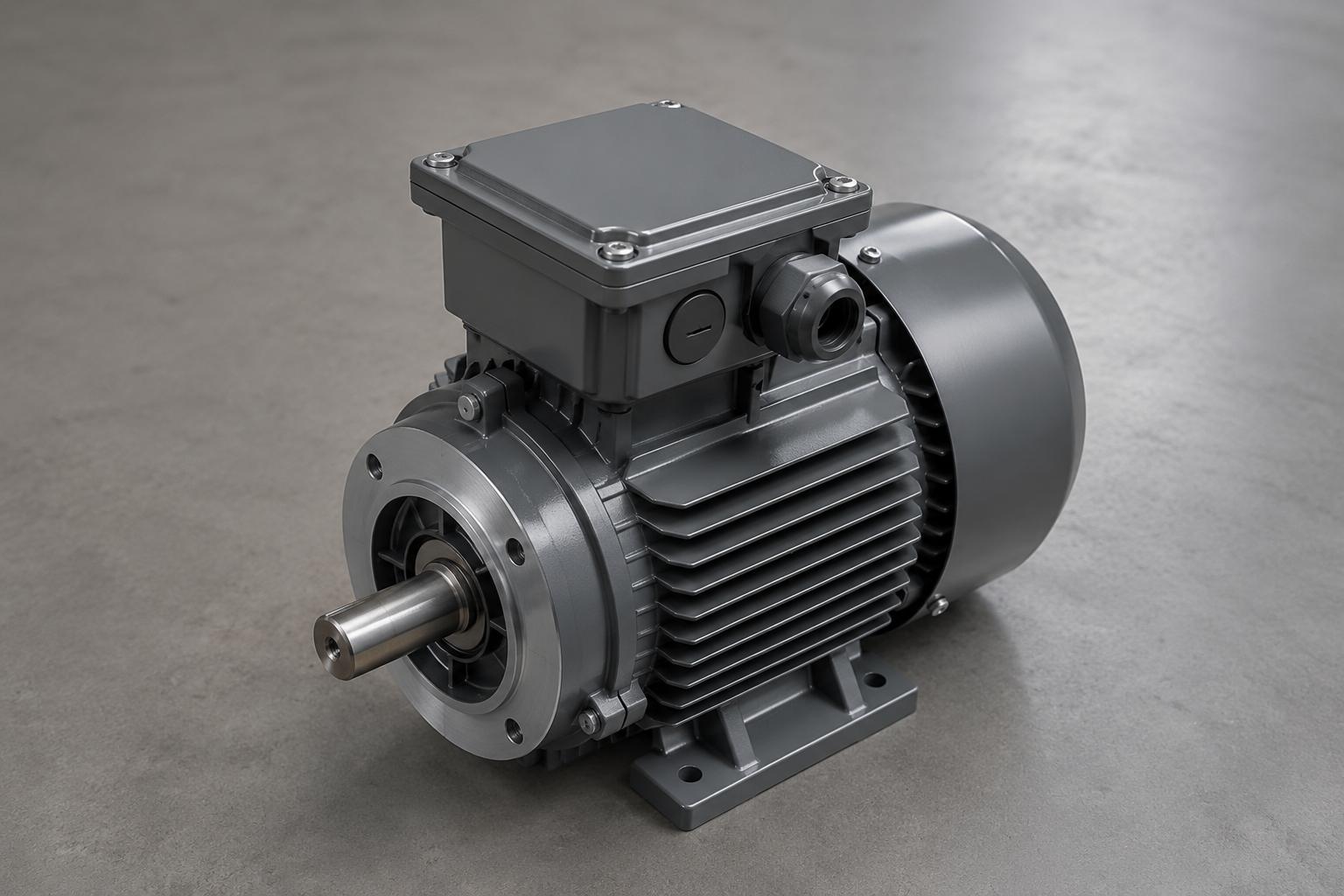
Before the motor is energised, the shaft is turned by hand to check whether the rotor rotates freely. If the shaft binds, makes a friction noise or feels rough, there may be bearing damage or a foreign object. In bearings that stood still during transport, brinelling (marks on the raceway surface) may have formed; this means noise and early failure later. We covered bearing type and life in our bearing type and life article and failure symptoms in our motor failures: symptoms and causes content.
Shaft, Key and Seal Check
The shaft diameter, keyway and shaft end must be compatible with the coupling or pulley to be fitted. A sound oil seal in its correct position prevents dust and moisture from entering the motor. We covered shaft and key dimensions in our shaft diameter and key dimensions article and seal and sealing in our oil seal and sealing content. We covered coupling selection in our flexible or rigid coupling article.
4. Direction of Rotation and Phase Sequence
The motor is run briefly at no load to check the direction of rotation. The wrong direction can cause reverse operation and damage in a pump, fan or conveyor. The direction of rotation is set by the phase sequence and can be reversed by swapping two phases. We covered this subject in detail in our motor direction of rotation and phase sequence article. Especially in fan and pump applications, direction must always be checked before commissioning.
No-Load Current and Behaviour
The current the motor draws at no load and its behaviour give clues about the winding and mechanical condition. An abnormally high no-load current can indicate a connection or magnetic-circuit problem. The no-load current is usually a certain fraction of the rated current; a noticeable deviation from this ratio should be investigated. We covered protection selection by rated current in our rated current: cable, fuse and contactor selection article and motor protection circuit breaker setting in our motor protection circuit breaker (MPCB) selection and setting content. The parts that should be requested with the motor among protection devices can be found in our protection devices purchase article.
Voltage and Connection Verification
Before checking the direction of rotation, it must be verified that the motor is connected suitably to the grid voltage. On a 230/400V motor, wrong bridging (star instead of delta or vice versa) either runs the motor weakly or burns it. The connection data on the nameplate must always match the terminal bridging. We covered voltage tolerance and grid fluctuation in our voltage tolerance and grid fluctuation article and thermal protection and fuse selection in our protection: thermal, relay and fuse selection content.
5. No-Load Vibration and Noise
The vibration and noise of the motor running at no load are listened to. A sound motor rotates quietly and in balance; a rattle, hum or high vibration points to a bearing, balance or mounting problem. The vibration level is evaluated by comparison with acceptance values. We detailed acceptance values in our vibration and balance ISO 10816/20816 acceptance values article and noise and low-noise motor selection in our noise and vibration: low-noise motor selection content. We covered noise sources in our noise sources: magnetic, mechanical and aerodynamic article.
6. Stock Entry, Storage and Records
When a motor that has passed the acceptance inspection is taken into stock, the measurement results (insulation resistance, no-load current, vibration, nameplate data) should be recorded. This record becomes a reference later in commissioning and warranty processes. Correct storage conditions keep the motor sound even after it has entered stock. We covered storage and moisture in our storage and long-term holding article and fleet management in three-shift plants in our motor fleet management content. You can find stock planning of critical spare motors in our critical spare motor list article. For our product range you can visit our homepage.
Periodic Check for Long-Stored Motors
If a motor entering stock will sit for a long time, turning the shaft by hand a few revolutions at regular intervals prevents single-point load build-up and brinelling on the bearing surface. Likewise, periodic insulation measurement shows whether moisture has increased over time. These checks ensure the motor is fit to be commissioned even when taken onto the line months later. We detailed the periodic maintenance schedule in our maintenance and periodic check schedule article and early warning through temperature monitoring in our protection with PT100 and PTC thermistor content. At the moment of commissioning, direction of rotation and vibration checks must always be repeated.
Providing Correct Information at the Quote Stage
The success of acceptance inspection begins with ordering the right motor. Providing complete information on power, speed, voltage, mounting type, protection class and application when requesting a quote prevents the wrong motor from the very start. We covered the information that should be provided when requesting a quote in our 8 pieces of information to provide when requesting a quote article and the difference between stock delivery and production order in our stock delivery or production order content.
Frequently Asked Questions
Should I do a megger (insulation) test on a new motor too?
Yes. Even if a new motor left the factory sound, it can draw moisture or be damaged during transport and storage. A short insulation resistance measurement before commissioning confirms that the winding is dry and sound. This measurement must not be skipped, especially for motors that have sat in storage a long time or been transported in a humid environment; because a motor run with low insulation can fail with a winding burnout in the first minutes.
Why is turning the motor by hand important?
When the motor shaft is turned by hand it shows whether the rotor rotates freely and whether there is binding, friction or a foreign object in the bearing. In motors that stood still during transport, brinelling marks can form on the bearing raceway; this means early failure and noise. If the shaft is hard to turn or feels rough, the problem should be investigated before the motor is energised. This simple check reveals most mechanical problems before commissioning.
How long does acceptance inspection take and who should do it?
For a standard motor the acceptance inspection is completed by an experienced technician in anywhere from a few minutes to half an hour. Nameplate-order comparison, megger measurement, shaft rotation, direction of rotation and no-load vibration checks are the basic steps. The inspection can be done by the warehouse or maintenance supervisor or by an electrician; what matters is that results are recorded and the non-conforming motor is set aside before being sent to the line.
Get a Quote
Let us determine together the motors in the right power, speed, mounting type and protection class for your facility, ready from stock to delivery and ready for acceptance inspection. Share your pre-order nameplate data and your application; we will quickly offer you a suitable solution. To request a quote, reach us through our contact page or call now: +90 (532) 345 49 86.
Acceptance Inspection Checklist
- Do the nameplate data (kW, speed, voltage, IP, mounting type, frame) match the order?
- Are the mounting type and frame size suitable for the machine?
- Has the insulation resistance (megger) been measured and is it above the expected limit?
- Are the winding resistances of the three phases close to each other?
- Does the shaft turn freely by hand, with no binding or friction?
- Are the shaft, key and seal sound and of the correct dimension?
- Are the terminal box, cable entry and body undamaged?
- Is the direction of rotation correct and has the phase sequence been checked?
- Are the no-load vibration and noise normal and within acceptance values?
- Is the no-load current within the expected range?
- Have the measurement results been recorded and the motor stored in correct conditions?