English
 Türkçe

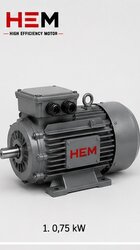
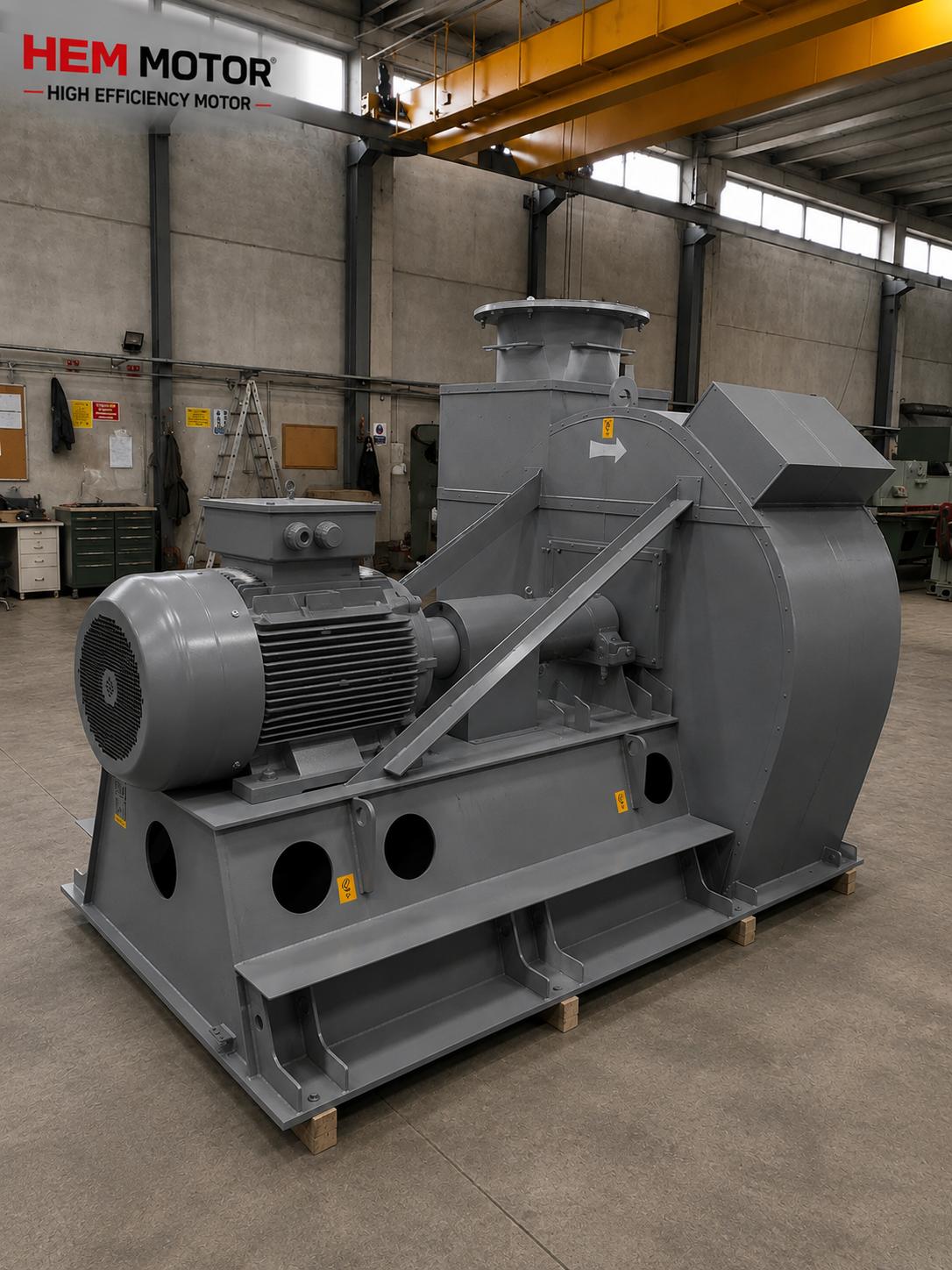

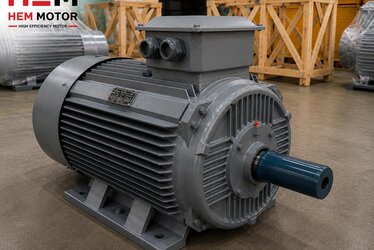
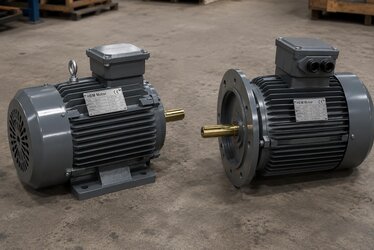
In high-power electric motors, the frame is not just a shell that houses the windings; it is the load-bearing structure that determines the motor's rigidity, vibration damping, heat dissipation and long field life. Especially in high power classes, two main manufacturing methods appear: cast iron frame and fabricated steel (welded) frame. In this article we compare the two frame types in terms of strength, rigidity, vibration damping, weight, manufacturing and cost; we discuss which is more appropriate in which power class and how heat dissipation changes. The comparison is made directly with fabricated steel, not with aluminium.
The Fundamental Difference Between the Two Frame Types
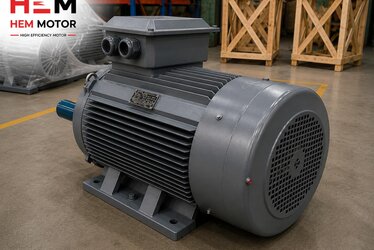
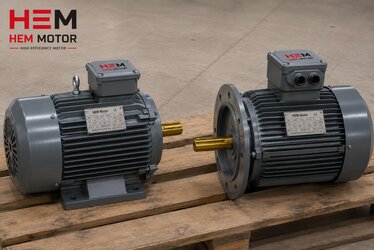
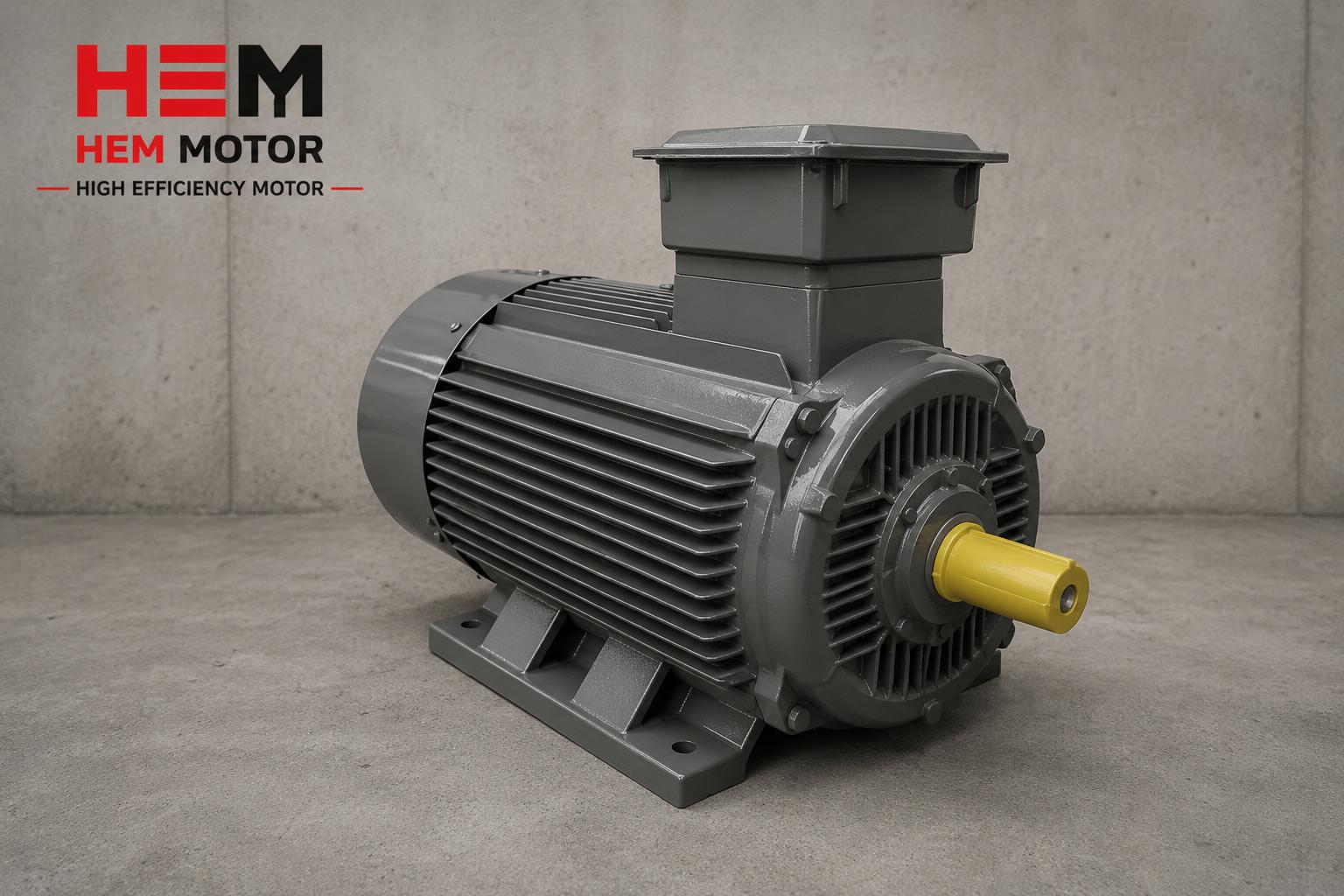
A cast iron frame is produced as a single piece by pouring molten cast iron into a mould. This structure lets everything, including cooling fins, feet and the terminal box seat, integrate into one casting. A fabricated steel frame is formed by cutting steel sheet and profiles and joining them by welding; the frame, feet and reinforcements are welded as separate parts. In the HEM Motor product range, standard motors are made with a cast iron frame; you can find the general advantages of the cast iron frame in our cast iron vs aluminium frame article. However, in very high powers and special projects, the fabricated steel frame also comes into play.
The choice between these two methods is mostly determined by power class and frame size. In small and medium powers, cast iron is almost always preferred, because the casting mould is economical in series production and the result is an extremely rigid structure. In very large frames, the practical limits of casting are stretched and welded fabricated steel gains the advantage. We covered the relationship between frame size and power in our frame size and power matching and IEC 56-355 weight and handling articles.
Strength and Rigidity
Rigidity is the resistance a frame shows against deformation under load. Rigidity is critical in a motor, because the air gap between rotor and stator must remain equal at every point. If the frame flexes under load, the air gap is disturbed, which causes vibration and efficiency loss. Cast iron, thanks to its high carbon content, is a material that is very resistant to compression and naturally rigid; the single-piece casting structure gives the frame high integrity.
A fabricated steel frame, on the other hand, is made with a material of high tensile strength, and with correctly designed reinforcements, adequate rigidity can be achieved even in very large frames. However, rigidity depends on weld quality and reinforcement placement; without good engineering, local weakness can form in the weld zones. Cast iron behaves more predictably under impact loads; we detailed this in our impact strength and frame rigidity article. For heavy impact applications, the heavy duty conveyor drive motor content is also useful.
Under Impact Loads Such as Crushers and Mills
In applications that produce impact loads such as stone crushing and milling, the frame's ability to damp vibration becomes decisive. In these applications, cast iron stands out thanks to its inherent damping property. For crusher drives, we recommend our motor selection under impact load and crusher motor kW selection articles. For ball mill main drives, the ball and rod mill main drive motor content gives comprehensive information.
Under impact load, the frame must absorb not only its own vibration but also the recoil shocks coming through the coupling or belt. The high mass and inherent damping of cast iron soften these shocks, reducing the load on the bearings and shaft. This indirectly extends bearing life; we covered bearing life in crushers and mills in our bearing life, shock and dust article. You can also read the bearing and seat life content for quality markers in cast iron motors.
Vibration Damping
One of cast iron's strongest technical properties is its inherent vibration damping capability. The graphite structure of cast iron absorbs mechanical vibration and noise; this lets the motor run quieter and more stable. A fabricated steel frame has less inherent damping as a material, but the vibration level can be brought to acceptable limits by adding mass and reinforcement. If low vibration and quietness are priorities, this difference must be taken into account.
Vibration affects both the motor's life and the quality of the connected machine. For conformity of acceptance values to standards, read our vibration and balance ISO 10816/20816 article. For low-noise motor selection, our noise and vibration low-sound selection and noise sources content also guide you.
Feet, Shaft and Connection Surfaces
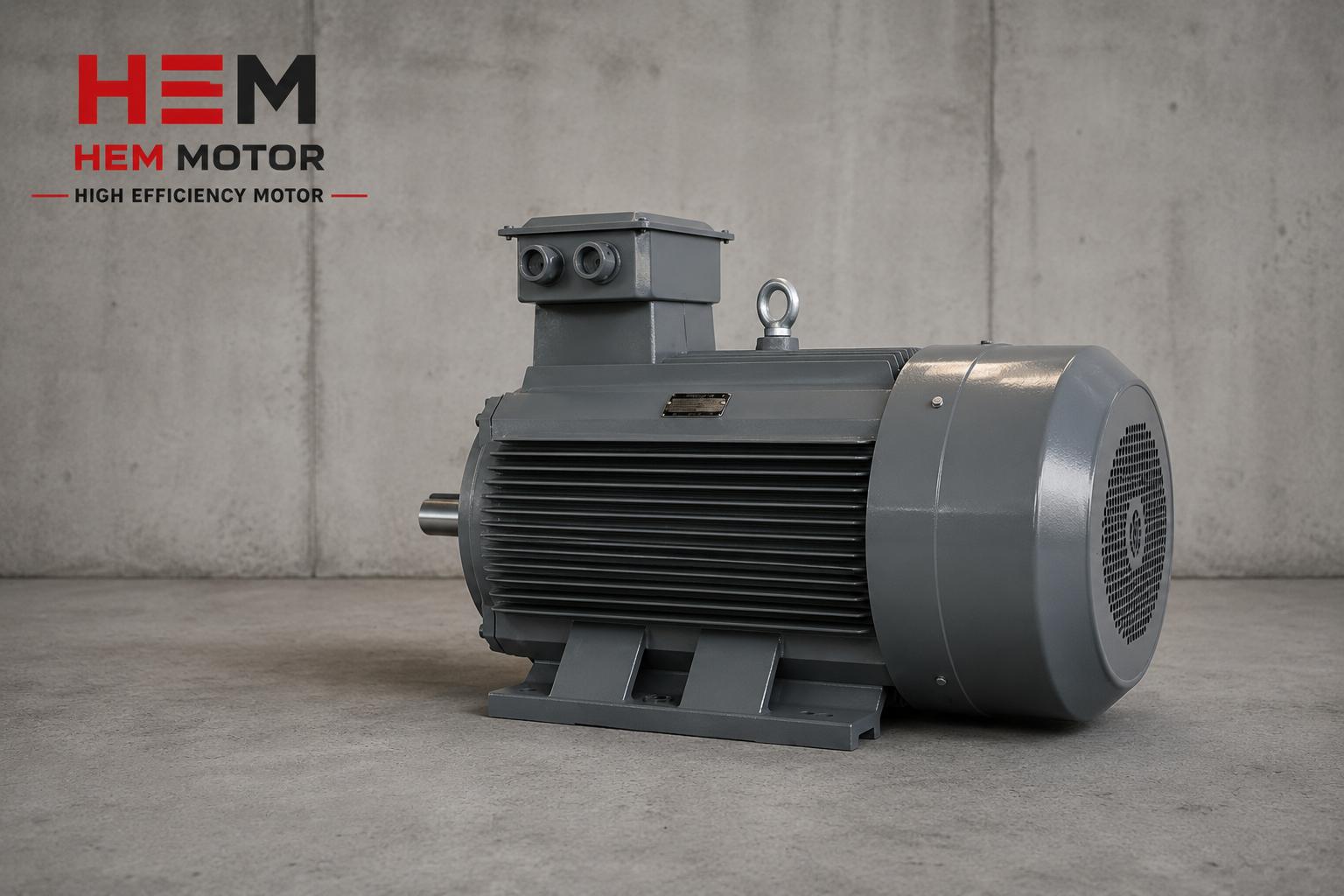
The frame type also affects how the motor connects to the machine. In cast iron, the feet, flange surface and shaft bearing seat integrate with the frame in a single casting; this ensures the position of the connection surfaces relative to each other is highly precise and stable. The relationship between the shaft axis and the foot base (shaft centre height) is guaranteed by the casting mould. In fabricated steel, these surfaces are machined after welding; precision is achieved with correct machining, but the process requires more labour. We recommend our B5 vs B14 mounting type article for mounting selection and the shaft diameter, key and coupling article for shaft-coupling compatibility.
The terminal box and cable entries are also related to the frame structure. In cast iron, the terminal box seat is mostly cast with the frame and IP protection integrity is easier to maintain. For correct cable gland and IP protection, review our terminal box and cable connection article. For grounding and electrical safety, the grounding and electrical safety content is a guide.
Weight and Handling
A cast iron frame is generally heavier than a fabricated steel one. This weight is not a disadvantage in small and medium powers; on the contrary it is an advantage for rigidity and damping. However, at very high powers the total motor weight becomes challenging for handling, lifting and installation. This is exactly where the fabricated steel frame is preferred, because it can offer the same strength at a lower weight; this advantage becomes pronounced especially on very large machines above frame 355.
Lifting and handling the motor becomes a separate engineering topic as weight increases. For lifting eyebolt, crane capacity and balanced handling, review our lifting eyebolt and safe handling article. For shipping planning in high-power supply, the high power motor supply above 90 kW content also helps you plan the process.
Manufacturing and Cost
Cost varies with production quantity and frame size. For cast iron, mould preparation is an initial investment; but once the mould is ready, series production is very economical. Therefore, in standard powers and high-volume production, cast iron is superior in terms of cost. Fabricated steel requires no mould; each frame is produced one by one by cutting and welding. For this reason, in low-volume, very large and special projects, fabricated steel is more flexible and sometimes more economical.
So the decision is not made on a single line item; production quantity, frame size, lead time and application are evaluated together. We compiled the whole set of factors affecting price in our factors affecting electric motor prices article. You can find the difference between stock delivery and production order in our stock delivery vs production order content.
Heat Dissipation
Heat dissipation is a topic jointly determined by frame material and geometry. Cast iron allows cooling fins to integrate with the frame in a single casting; this helps heat transfer efficiently from the frame to the environment. The thermal conductivity and high mass of cast iron also soften sudden temperature fluctuations thanks to thermal inertia. In fabricated steel, cooling surfaces are provided by welded fins or separate coolers; if designed correctly, adequate cooling is achieved, but the geometry is not as integrated as cast iron.
Cooling has a large effect on motor life; overheating wears the winding insulation. We covered cooling methods in our cooling methods IC411 and IC416 article. For the effect of insulation class on durability, read our winding and insulation class F/H content, and for frame selection in hot and dusty environments, the motor in hot and dusty environment article.
Corrosion and Surface Protection
The frame material also affects behaviour against corrosion. Cast iron, when painted correctly and given a coating such as cataphoresis, lasts a long time in the open field; the dense structure of cast iron supports surface protection. We covered the effect of painting and cataphoresis coating on corrosion in our painting and cataphoresis coating article. In fabricated steel, weld zones are more sensitive to corrosion and the surface protection of these zones requires special care; otherwise local corrosion can start at the weld seams.
In coastal, salty and humid environments, frame protection is even more critical. For these conditions we recommend our protection in marine and coastal facilities article, and for the effect of dirt accumulation on cooling fins on efficiency, the cooling fins and dirt accumulation content. For power derating at high ambient temperature, the high ambient temperature and derating article is a guide.
Which One in Which Power Class?
To draw a general framework: in the major part of small, medium and high powers, the cast iron frame is standard and the most balanced choice; rigidity, damping and heat dissipation come together. When moving to very large frame sizes, the welded fabricated steel frame steps in because of weight and the production limits of casting; these applications are usually project-based, low-volume and custom requests. For high-power selection and supply planning, we recommend our 160 and 200 kW high power motor and 315 kW motor selection articles. For frame protection in corrosion and open-field use, the corrosion protection and open field content is also valuable. You can review our product range on the high efficiency electric motors page and reach other categories via our HEM Motor home page.
Frequently Asked Questions
Is a cast iron frame always better than fabricated steel?
No, but it is the most balanced choice in the vast majority of small and medium powers. It offers rigidity, vibration damping and integrated heat dissipation together. The advantage of fabricated steel appears in special projects that require weight and production flexibility at very large frame sizes.
Is a fabricated steel frame less durable?
Not when designed correctly. Steel has high tensile strength and, with suitable reinforcements, provides adequate rigidity even in very large frames. The difference is in inherent vibration damping and predictable behaviour under impact load; cast iron is advantageous in these areas.
Which is quieter in terms of vibration?
Cast iron absorbs vibration and noise better thanks to its graphite structure, so it generally runs quieter. In fabricated steel, vibration can be brought to acceptable limits by adding mass and reinforcement, but the material's natural damping is lower.
Get a Quote
Let us evaluate together whether your high-power motor project requires a cast iron or a fabricated steel frame. Share your power, speed, application and environmental conditions; we will determine the most suitable frame type and delivery plan. You can reach us at +90 (532) 345 49 86 or send your request via our contact page.
Purchasing and Selection Checklist
- Determine the motor's power class and frame size; consider fabricated steel for very large frames.
- Question whether the application produces impact loads; cast iron is advantageous under impact load.
- Define your vibration and quietness priority; cast iron leads in inherent damping.
- Check the total weight, crane capacity and installation conditions.
- Evaluate production quantity and lead time; cast iron is economical in series production.
- Select heat dissipation and insulation class according to ambient temperature and dust conditions.
- If there is corrosion risk, determine frame protection and paint/coating requirements.