English
 Türkçe

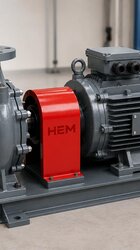
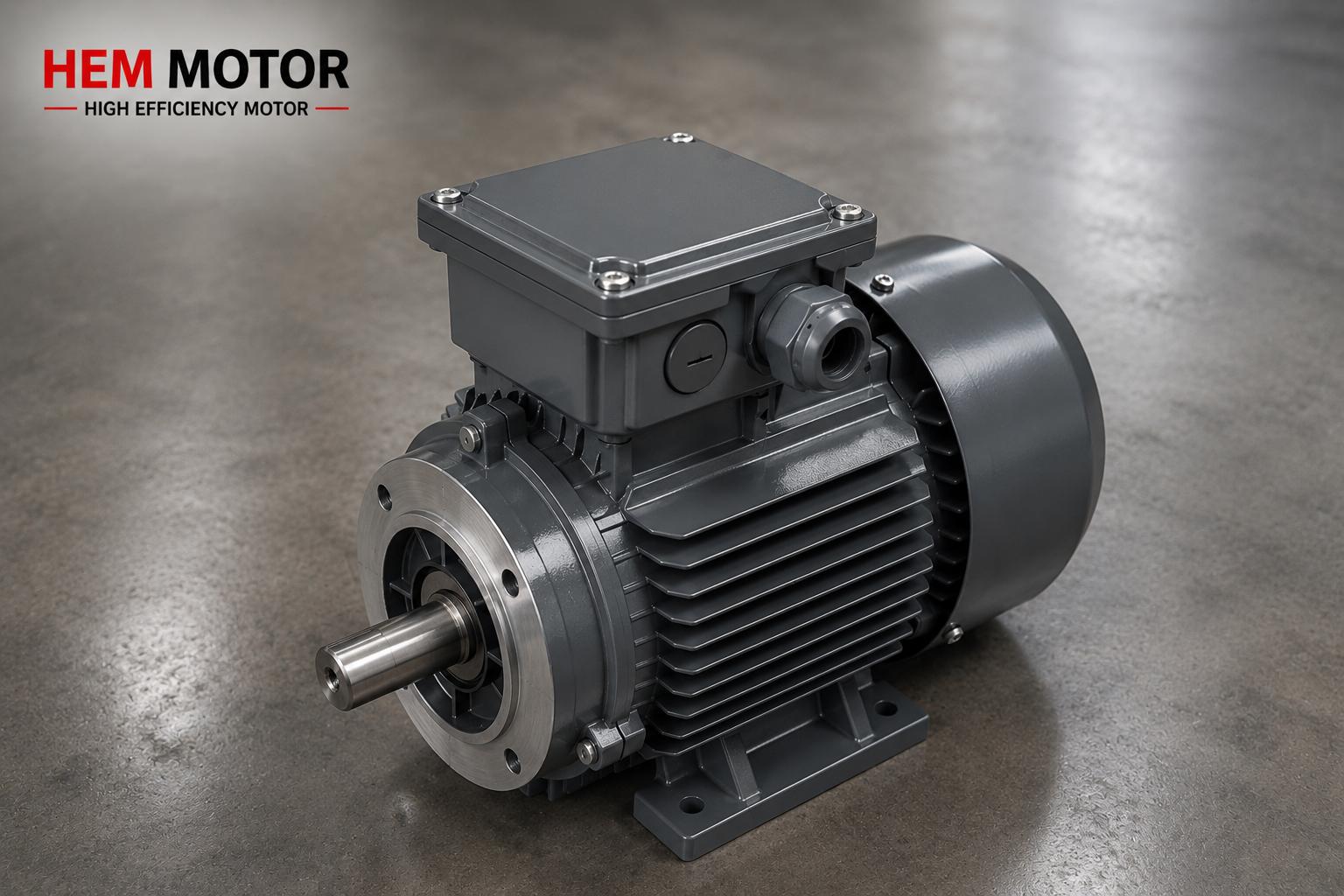

Two motors may have the same power, the same speed and the same efficiency class; yet one runs silently for years while the other soon changes bearings, wears its housing and stops your line. The difference is often invisible: vibration and balance quality. In this article we explain, from a buyer's viewpoint, why vibration matters in an electric motor, how rotor balancing is done, how vibration is measured in mm/s rms and, most importantly, how to choose a quality motor using the acceptance limits in ISO 10816 and its successor ISO 20816. Vibration is the most honest mirror of motor quality.
Why Is Vibration So Important?
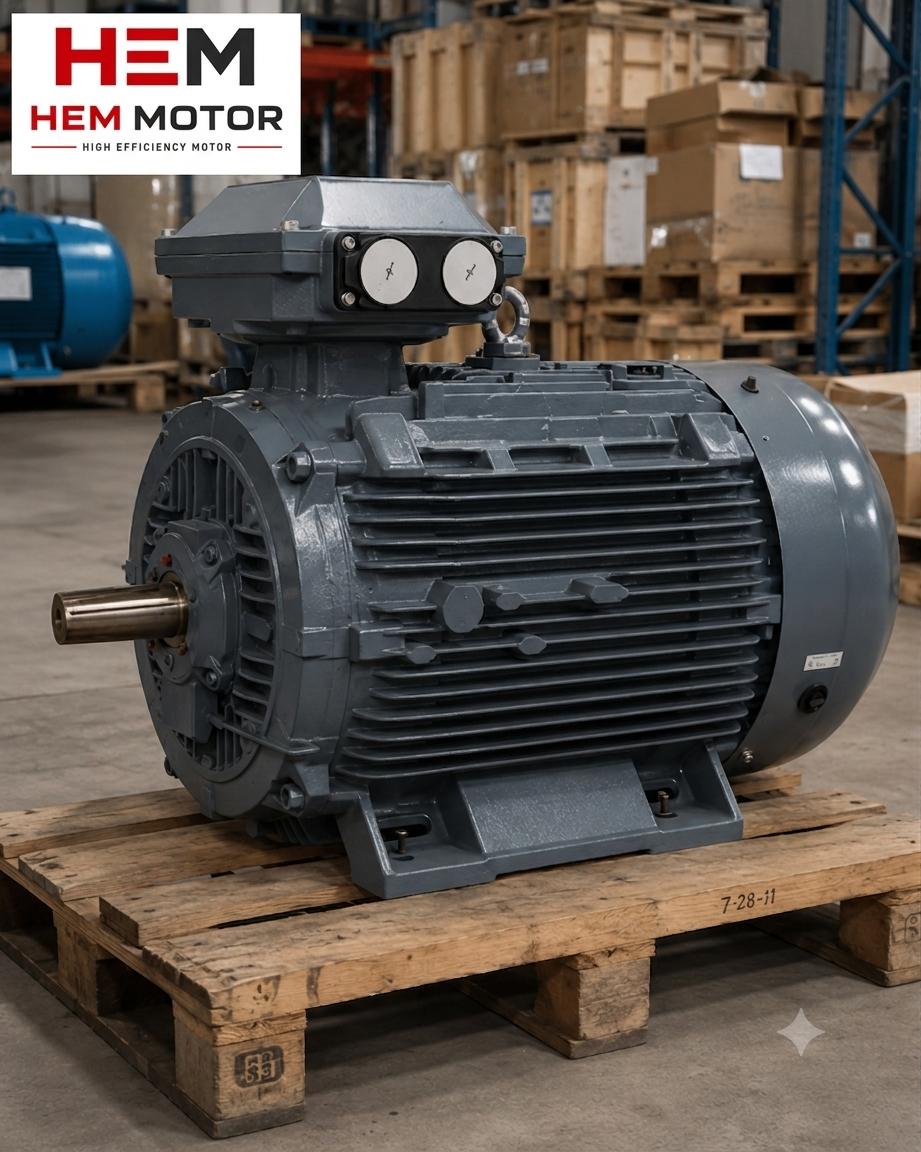
Vibration is the outward result of unbalance in rotating parts, mounting errors and wear. High vibration is not just an annoying hum; it shortens bearing life, tires the shaft and coupling, and stresses the connected machine. A motor's vibration level is a direct indicator of the balancing workmanship and cast-body quality in production. So vibration should be treated as a quality criterion in the purchasing decision. We also covered this practically in our noise and vibration low-sound motor selection article.
Vibration sources can be magnetic, mechanical or aerodynamic; you can find the distinction in our asynchronous motor noise sources article. Unbalanced running is a major cause of early failure; our early failure causes article complements this.
Rotor Balancing: Half-Key or Full-Key?
Rotor balancing brings the centre of mass of the rotating assembly onto the axis of rotation. At the manufacturer the rotor is spun in a balancing machine and material is added or removed at the unbalanced points. There is a critical detail here: which key condition was the balance done with? The keyway on the shaft affects balance. Standards now use the half-key method; that is, balancing is done assuming the keyway is half filled. This keeps the balance when a pulley or coupling is fitted. In poor production with an inconsistent key method, a motor may look balanced alone but vibrate once the load is fitted.
You can find the mechanical side of shaft, key and coupling fit in detail in our shaft diameter and key dimensions and shaft, key and coupling articles.
How Is Vibration Measured? (mm/s rms)
Motor vibration is usually measured as vibration velocity (mm/s rms). The sensor is placed on the motor bearing (per bearing) and the effective (rms) value of vibration velocity is read in a defined frequency band. The lower this value, the better balanced the motor. The measurement is taken on three axes (vertical, horizontal, axial) and the highest value is used. Making this measurement part of periodic maintenance in the field catches faults early; our maintenance and periodic check schedule article guides you here.
ISO 10816 and ISO 20816 Acceptance Zones (A/B/C/D)
The international reference for vibration assessment is ISO 10816 (formerly) and ISO 20816 (current). This standard divides the measured vibration velocity into four zones:
- Zone A: the low vibration expected of newly commissioned, factory-fresh motors. The ideal state.
- Zone B: the range considered acceptable for unlimited long-term operation. Most healthy motors run here.
- Zone C: suitable for limited-time operation; should be monitored and improvement planned.
- Zone D: an unacceptable vibration level that can cause damage. Urgent action required.
A newly purchased motor is expected to be within Zone A limits at factory dispatch. If the value measured at delivery is above B, there is a balancing or mounting problem in production. This can be a reason for rejection in acceptance control.
Limits That Change with Frame Size
An important point: the acceptable vibration limit changes with motor size. The standard groups motors by frame (shaft height), for example 56-132 mm, 132-225 mm and above 225 mm. The limit is tighter for small frames and slightly higher for large frames. Whether the motor is mounted on a rigid floor or a flexible base (rigid/flexible support) also changes the limit. We covered frame size selection in our frame size and power matching article.
Low-vibration production stands out as a quality commitment in high efficiency classes such as IE4; our IE4 motors quiet and low vibration article explains this.
Vibration in Delivery and Acceptance Control
A buyer who wants a quality motor should check vibration at delivery, not only when a fault appears. If possible the motor is run at no load, bearing vibration is measured and the ISO 20816 zone is checked. This check catches a motor damaged in transit or poorly balanced before it is even mounted in the field. Evaluate transit damage together with our shipping damage checklist. For insulation and general health check of a stock motor, see our insulation resistance and megger test article.
How to Choose a Quality Motor
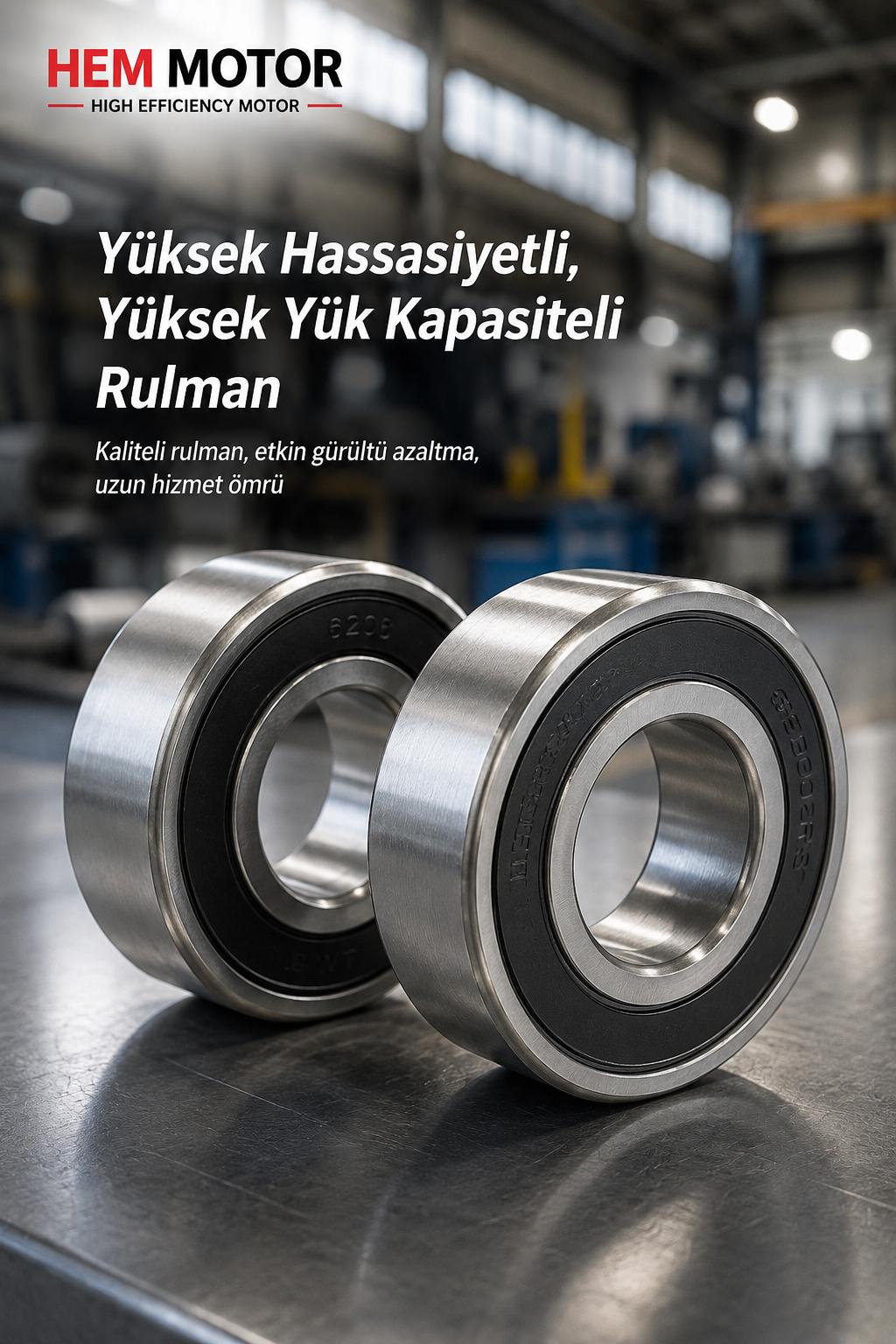
When choosing a quality motor for vibration and balance, look for these signs: a cast-iron body (provides mechanical stability and damping), quality bearings, a half-key balance commitment and a documented low vibration value. HEM Motor efficient electric motors, IE3 and IE4 ranges are designed for cast-iron bodies and low-vibration running. Bearing life is directly linked to vibration; our bearing types and life and cast-iron motor bearing and bearing life articles deepen this topic. For lines needing continuous, low-vibration running such as textiles, see our motor selection for weaving and knitting textile machines article.
Sources of Vibration: Mechanical, Magnetic and Aerodynamic
To interpret a vibration value correctly you need to understand its source. Mechanical vibration arises from rotor unbalance, bearing wear, coupling misalignment and loose mounting. Magnetic vibration comes from winding or rotor faults, a broken rotor bar or air-gap imbalance. Aerodynamic vibration comes from the cooling fan and airflow. Quality production keeps all three sources to a minimum from the start: a balanced rotor, quality bearings and a proper fan design. We covered the magnetic-mechanical source distinction in our noise sources article, and the effect of the cooling fan on efficiency and vibration in our IE4 motors cooling and fan design article. Diagnosing the source correctly prevents unnecessary part replacement in the field.
Vibration, Bearing Life and Noise
There is a direct relationship between vibration and bearing life: high vibration tires the bearing early, and as the bearing wears vibration rises further, forming a vicious circle. So a low-vibration motor actually means long bearing life. We examined bearing selection and life in our bearing types and life article. Vibration is also the main source of noise; a quiet motor is usually a balanced and quality motor. You can find low-noise motor selection in our noise and vibration article, and the effect of pole count on efficiency and vibration in our efficiency and pole count article.
Vibration with VFD and Variable Speed
In motors driven by a frequency inverter (VFD), vibration changes as speed changes. At some speeds, mechanical resonance points may be hit and vibration can rise suddenly. A quality motor and correct installation reduce these resonance risks. To understand vibration behaviour in drive applications, see our VFD with asynchronous motor and variable speed motor selection articles. On variable loads such as pumps and fans, combining a low-vibration IE4 motor with a drive gains both efficiency and mechanical durability; we covered this in our IE4 2-pole 3000 rpm pump and fan article.
Writing Acceptance Criteria into the Contract
In high-power or critical motor purchases, writing the vibration acceptance criterion into the order specification provides strong protection. For example, a phrase such as "shall be within ISO 20816 Zone A/B limits at delivery" binds the manufacturer to low-vibration production and gives the buyer recourse in case of dispute. To add this approach to the quote process, see our information to give when requesting a quote article. In high-power motors, the lead time and shipping plan also matter for vibration; a motor damaged in transit shows high vibration in the field. So take into account the delivery planning in our high-power motor supply above 90 kW article. The HEM Motor IE4 range is produced with a low-vibration target that meets acceptance criteria.
Mounting, Alignment and Base: Field Factors That Determine Vibration
Even a quality, balanced motor can show high vibration if mounted incorrectly. The three most important field factors that determine vibration are a solid base, correct coupling/pulley alignment and non-loose bolt connections. A flexible or cracked base amplifies the motor's vibration instead of damping it. Coupling misalignment causes both vibration and early bearing failure. So to preserve the performance of a quality motor in the field, correct mounting is essential. We covered shaft, key and coupling fit in our shaft, key and coupling article. If the motor is belt-driven, belt tension and pulley alignment also affect vibration; you can review this in our motor speed and pulley-belt article. In short, low vibration requires all three legs to be sound together: quality production, correct mounting and suitable selection.
Frequently Asked Questions
What is the acceptable vibration value for a new motor?
A factory-fresh new motor is expected to be within Zone A limits per ISO 20816; this is a low mm/s rms value that varies with frame size and mounting type. A value above B at delivery is a sign of a production or transit problem.
What is the difference between ISO 10816 and ISO 20816?
ISO 20816 is the updated and consolidated version of the ISO 10816 series. The basic logic (vibration velocity measurement and A/B/C/D zones) is the same; 20816 is the more current reference. Many technical specifications cite both numbers together.
What can I do in the field to reduce vibration?
First check the base and bolts, correct coupling/pulley alignment and remove looseness. If vibration is still high after these are fixed, the problem is rotor balance or bearings; at that point production quality is decisive. Starting with a quality, low-vibration motor is the most economical solution.
Get a Quote
If you want a low-vibration, cast-iron-body motor that meets acceptance criteria, share your requirement. The HEM Motor team recommends a vibration-suitable motor based on your application, power and speed. Call +90 (532) 345 49 86 for a quote or use our contact page.
Vibration and Balance Checklist
- Is the motor cast-iron body? (Better damping and stability.)
- Does the manufacturer give a low vibration and half-key balance commitment?
- Was no-load vibration measured at delivery, and which ISO 20816 zone?
- Was the acceptance value interpreted correctly for frame size and mounting type?
- Were bearing quality and coupling/pulley alignment checked?
- Are the base and bolt connections firm?
- Is periodic vibration measurement added to the maintenance plan?