English
 Türkçe



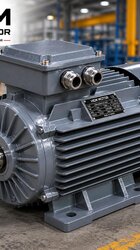
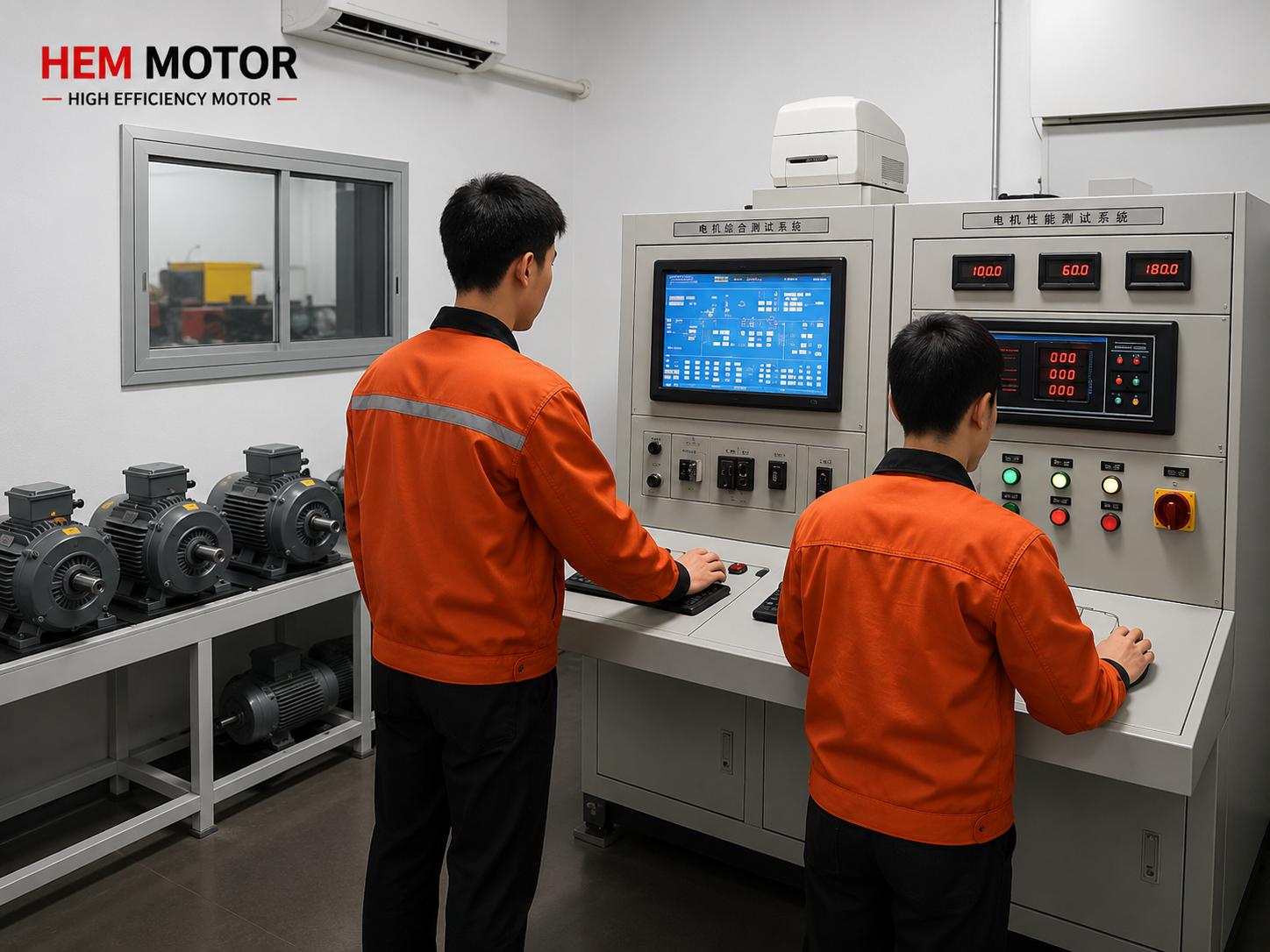

An efficient electric motor is concerned with energy not only when it drives the load, but also at the moments it brakes or decelerates the load. When a crane lowers a load, a centrifuge comes to a stop, an elevator descends, or a conveyor carries material downhill, the motor behaves like a generator and produces energy. In traditional systems this energy is dissipated as heat in a braking resistor; that is, it is wasted. Yet with a four-quadrant (regenerative) drive the same energy can be returned to the grid and turned into real savings. In this article we conceptually cover how braking energy arises, the difference between dissipating it in a braking resistor and regenerative recovery, what a four-quadrant drive is, and when this investment makes sense.
Where Does Braking Energy Come From?
A motor draws energy from the grid while accelerating a load. However in situations where the load pushes the motor (deceleration, braking, downhill movement, controlled lowering of a heavy load), the motion energy flows in reverse: the load drives the motor and the motor goes into generator mode, producing electricity. This generated energy has to go somewhere. In high-inertia loads (large fans, centrifuges, flywheels) and loads with potential energy (crane, elevator, descending conveyor) this energy can be quite high. In the energy management of efficient motors and systems, this back-flowing energy is a source that should not be ignored. We covered measuring real savings in an efficient motor in our measuring annual energy savings article.
What Is Four-Quadrant Operation?
A motor-drive system is evaluated in four operating quadrants according to the direction of speed and torque. The first and third quadrants are where the motor drives the load (draws power), and the second and fourth quadrants are where the motor brakes (produces power). A standard drive operating in only two quadrants cannot return the generated energy. A four-quadrant drive can manage both motor operation and generator operation; it takes the energy produced during braking and feeds it back to the grid. This capability is usually provided by an input stage called an Active Front End (AFE). You can find correct motor and drive selection in variable-speed applications in our motor selection in variable-speed application and when a drive is needed in our VFD with asynchronous motor articles.
Dissipating Energy in a Braking Resistor
The most common solution is to direct the braking energy to a braking resistor and convert it to heat. When the DC bus voltage rises, the drive activates a braking chopper that burns the excess energy in the resistor. This method is simple and cheap, but has two disadvantages: the generated energy is completely lost and the heat radiated by the resistors requires panel or ambient cooling. In applications with frequent and high-energy braking, this loss can become a significant item in the annual energy bill. We explained DC and dynamic braking in an asynchronous motor in our braking in asynchronous motor article.
Regenerative Recovery: Returning Energy to the Grid
The four-quadrant / regenerative drive feeds the generated energy back to the grid instead of burning it in a braking resistor. Thus the energy arising during braking is not wasted; it is used by the other consumers in the plant or returned to the grid. This provides significant savings especially in the following cases: presses with short and frequent stops, cranes that continuously raise and lower loads, large-inertia centrifuges and fans, and long downhill conveyors. We detailed savings with an efficient motor in pumps and fans in our high-efficiency motor + frequency drive and the gain of reducing speed with the affinity law in our VFD pump-fan savings articles.
In Which Applications Does Regenerative Recovery Make Sense?
A regenerative drive is not required in every application; its extra cost only pays off if the recovered energy is high enough. Typical cases where it makes sense are:
- Cranes and lifting systems: Potential energy flows back continuously while the load is lowered. We covered brake motor and lifting applications in our IE4 brake motor conveyor and crane and crane and hoist lifting motors articles.
- Centrifuges and high-inertia fans: Large kinetic energy is released in every stopping cycle. You can find centrifuge and blower selection in our centrifugal and turbo blower motor article.
- Elevators and escalators: Energy flows back in descent and unbalanced load conditions; see our elevator and escalator motor supply content.
- Descending (downhill) conveyors: The load continuously pushes the motor while material is carried down; our conveyor drive applications are suitable for recovering this energy.
- Presses and machines with frequent start-stop: As cycle time shortens, the braking frequency and recoverable energy increase.
A total cost of ownership calculation should be made in these applications; we explained the TCO approach in efficient motors in our TCO in high-efficiency motor article.
System Effects of the Regenerative Drive
The regenerative (active front end) drive also keeps harmonic generation low to provide clean feedback to the grid; this is an additional advantage for power quality. We covered the effect of harmonics and power quality on efficiency in our effect of harmonics and power quality on efficiency article and the risks of VFD-induced extra heating and bearing current in our VFD and harmonic-induced heating and bearing current content. You can find grounding and EMC measures in a VFD system in our grounding and EMC article. A correctly installed regenerative system both recovers energy and does not degrade grid quality.
Thinking Together with the Efficient Motor
When regenerative recovery is combined with a high-efficiency (IE4/IE5) motor, the total system efficiency is maximized. Reducing the motor's own losses (efficiency class) and recovering braking energy (drive) complement each other. We covered thinking about system efficiency holistically in our real efficiency in a pump system and the effect of maintenance on efficiency in our effect of maintenance on motor efficiency articles. Managing idle and no-load loss is also part of total savings; see our idle and no-load loss article.
An Alternative to Storing Braking Energy: DC Bus Sharing
The regenerative drive is not the only solution. In systems where multiple drives are connected on a common DC bus, the energy one motor produces while braking can be used directly to feed another motor running on the same bus. This DC bus sharing allows the energy to be reused within the plant without ever going out to the grid, and is efficient especially in multi-motor machines with continuous acceleration-deceleration on one axis (for example winding lines, robot cells). We covered motor selection in multi-drive systems and continuous process in our continuous process paper and textile line article and efficiency at continuous high load such as extruders in our plastic extruder and process line content. Which method to choose depends on the number of motors on the machine and the load profile.
The Effect of Recovery on Facility Energy Intensity
Recovering braking energy lowers the energy the facility consumes per unit of production (energy intensity, SEC). This is not only a bill saving; it is also a measurable gain in terms of energy management systems and sustainability targets. We covered facility energy intensity and motor efficiency in our facility energy intensity (SEC) article and investment prioritization within the ISO 50001 energy management framework in our ISO 50001 and motor efficiency content. The regenerative investment can be evaluated as one of the priority items in an energy audit and inventory study; our energy efficiency audit and motor inventory article explains this process.
Verifying Recovery with Field Measurement
How much energy a regenerative system actually recovers must be measured with a power analyzer after installation. Measured rather than estimated recovery shows whether the investment is justified. We covered verifying field efficiency with a power analyzer in our verifying field efficiency with a power analyzer article and the difference between nameplate efficiency and field efficiency in our nameplate vs field efficiency content. Measurement is essential both to document the recovery and to confirm that the system is operating correctly.
Frequently Asked Questions
Can a regenerative drive be fitted to any motor?
Regenerative recovery requires a motor system operating with a drive; it is not possible on an asynchronous motor running directly from the grid. If you drive your motor with a VFD, you can perform recovery by selecting this VFD as a regenerative (four-quadrant) type. Frequent and high-energy braking of your load makes this choice worthwhile. You can find the drive selection logic in our VFD with asynchronous motor article.
What is the basic difference between a braking resistor and a regenerative drive?
A braking resistor converts the braking energy to heat and dissipates it; the energy is not recovered and heat is radiated to the environment. A regenerative drive feeds the same energy back to the grid, so the energy is reused in the plant. The braking resistor is cheap and simple; the regenerative drive is more expensive but can amortize itself by recovering energy in frequent braking.
How much energy is recovered?
The recovered energy depends on the inertia of the load, the braking frequency and the potential energy. Recovery is high in applications that stop very frequently, lower heavy loads or have high inertia, and low in continuous loads that rarely brake. To make the right decision, the load profile of the application must be measured; our motor load profile and data logging article guides you here.
Get a Quote
Let us plan together the combination of an efficient motor and a regenerative drive for your applications with high braking energy such as cranes, centrifuges, elevators or descending conveyors. We evaluate the load profile of your application and determine together whether recovery makes sense. You can reach us at +90 (532) 345 49 86 or request a quote through our contact page. You can review the full range from our homepage and the efficient motor investment decision from our IE3 vs IE4 investment article.
Evaluation and Decision Checklist
- Is there frequent or high-energy braking in the application (crane, centrifuge, elevator, descending conveyor)?
- Is the load high-inertia or potential-energy?
- Does the existing system dissipate braking energy in a resistor?
- Was the load profile measured and the recoverable energy estimated?
- Was the four-quadrant / active front end drive cost compared with savings?
- Were the harmonic and power quality effects evaluated?
- Were the motor efficiency class (IE4/IE5) and drive considered together?
- Were grounding and EMC measures planned?