English
 Türkçe


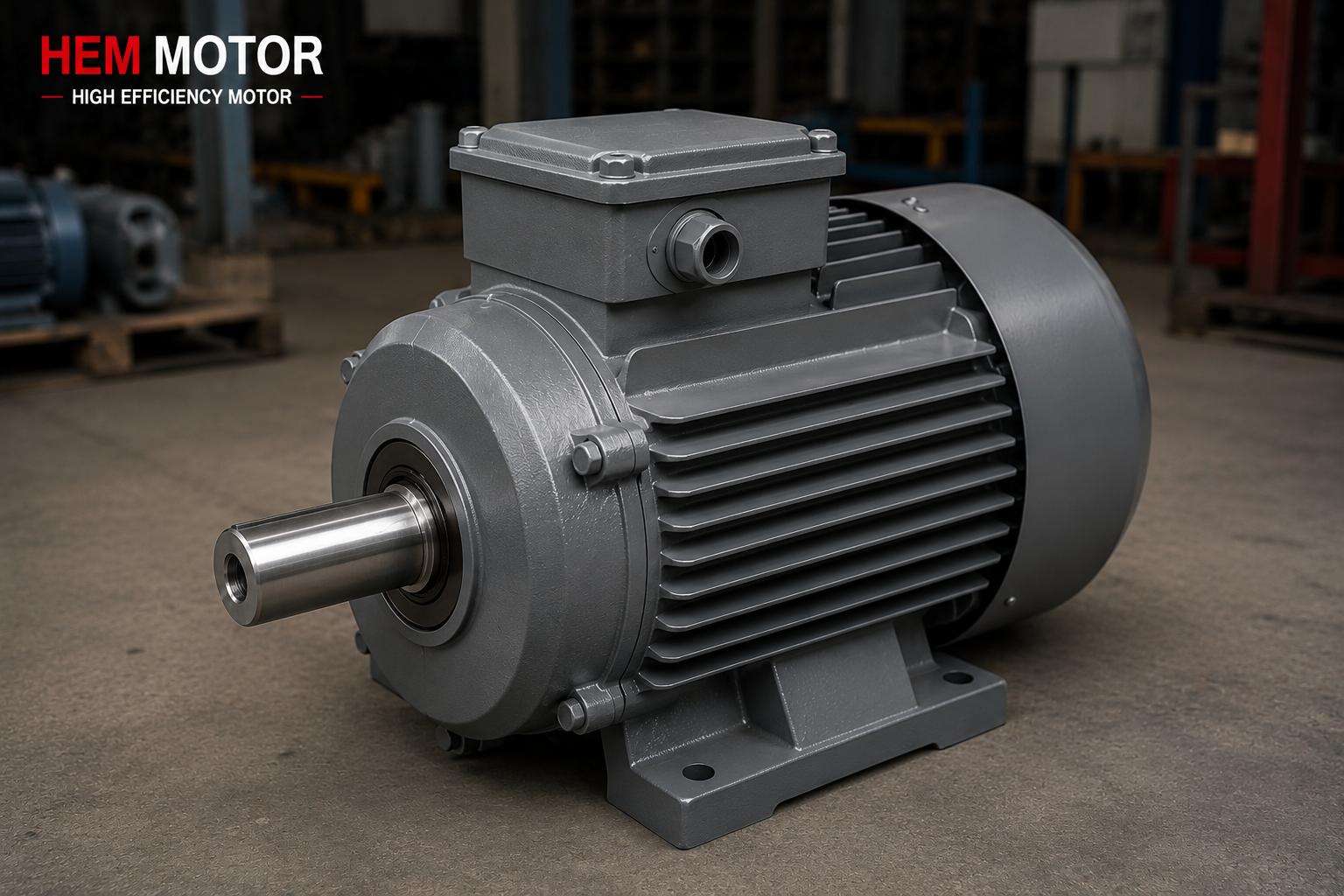

When a conveyor stops, the load must not slide back; a crane must hold the suspended load safely; on an emergency stop the motion must be cut instantly. These three needs are met not by a standard motor but by a brake motor carrying an electromagnetic brake. Combining the energy advantage of the IE4 efficiency class with the mechanical safety of a brake motor is a supply decision that both lowers operating cost and increases safety. To source the right brake motor for a conveyor, crane, hoist or any application requiring position holding, you can contact us and review the product family on our IE4 electric motors page.
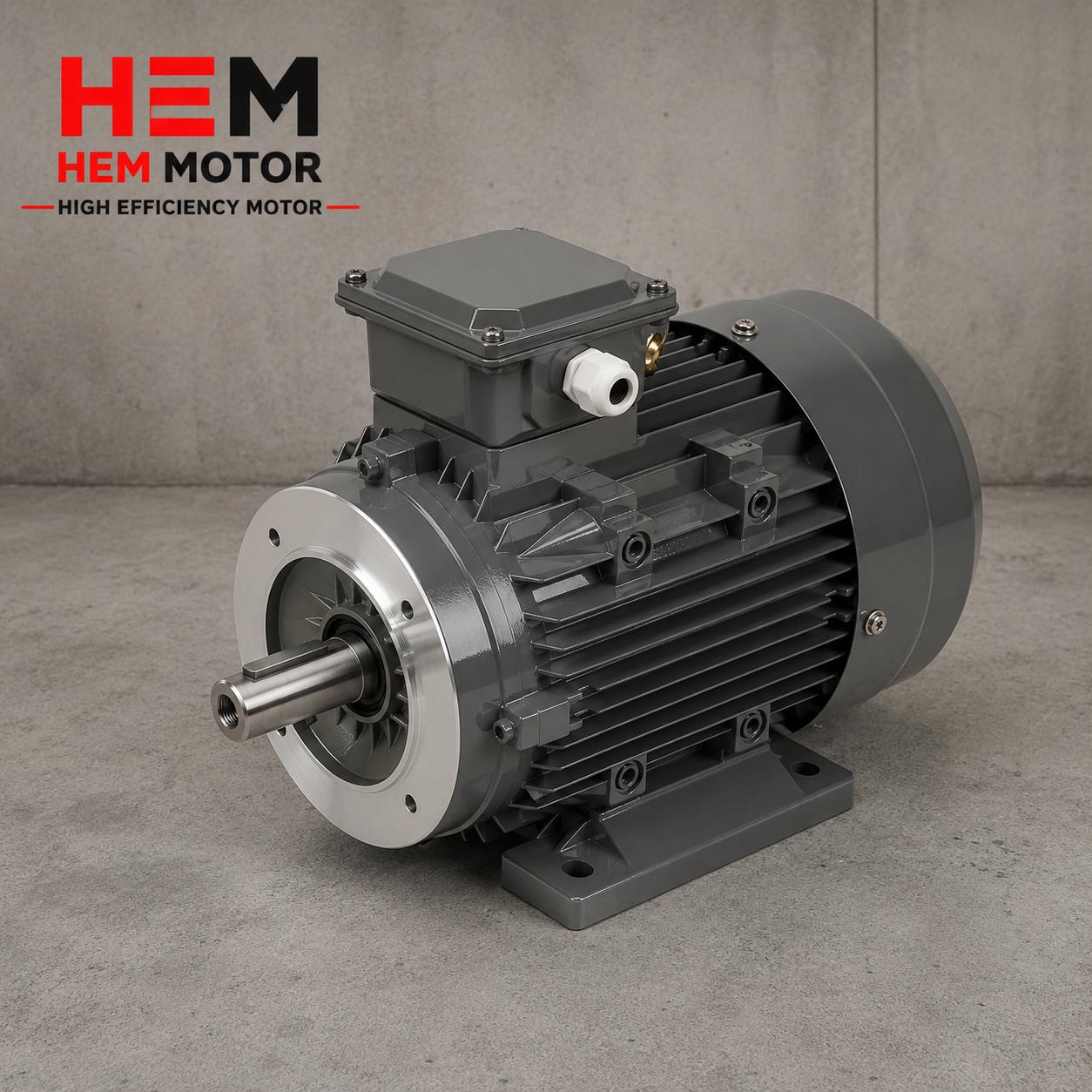
What Is a Brake Motor and How Does It Differ From a Standard Motor?
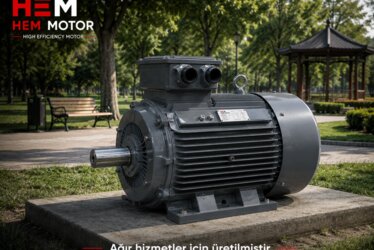
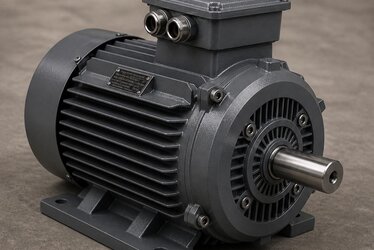
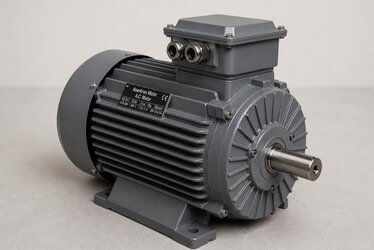
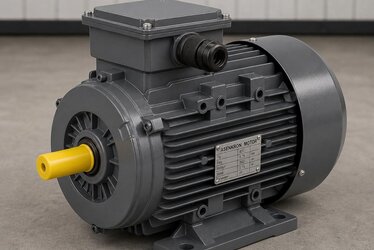
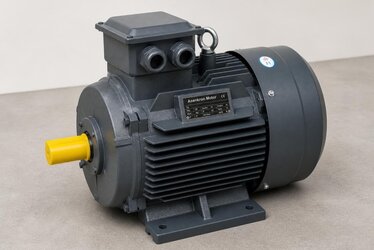
A brake motor is an electric motor carrying an electromagnetic brake unit integrated into the rear of its body. When the motor is energised the brake releases and the shaft turns freely; when power is cut the brake closes with spring force and locks the shaft instantly. This logic is called a "fail-safe brake," because even if the power is cut the brake moves to the safe side, that is, the closed position. In a standard motor, when power is cut the shaft turns freely and the load can continue to move with inertia or slide back. This is the fundamental difference that sets a brake motor apart from a standard motor.
This feature makes the motor's stopping behaviour predictable. In applications needing low noise and low vibration, our article on noise and vibration in electric motors can also be assessed; in brake motors the quiet operation of the brake mechanism is a separate comfort factor.
Why Together With the IE4 Efficiency Class?
Conveyor and lifting systems run long hours in most plants. This long running time reflects motor efficiency directly onto the energy bill. The IE4 super premium efficiency class does the same job with less energy, providing significant savings over the years. Sourcing the brake motor in the IE4 class combines safety and efficiency in a single product. We addressed the gain the efficiency class brings to the application in detail in our article on efficiency losses in IE4 motors.
DC and AC Electromagnetic Brake: Which One When?
There are two basic brake supply types in brake motors: direct current (DC) supplied brake and alternating current (AC) supplied brake. Both rest on the same basic principle of closing with spring force and releasing with an electromagnet; the difference is in how the brake is supplied and in the response time.
DC Brakes: Precise and Smooth Engagement
DC supplied brakes work through a rectifier and generally engage more quietly, more smoothly and in a more controlled way. They are preferred in applications needing precise positioning, frequent start-stop and low noise. The response time can be adjusted according to the rectifier type; when fast braking is wanted, special rectifiers are used.
AC Brakes: Fast Response and Simple Wiring
Because AC supplied brakes can be fed directly from the motor supply, their wiring is simple and the brake response is very fast. They provide an advantage in applications needing instant intervention on the load and fast stopping. On the other hand, the operating noise can be more noticeable than a DC brake. Which brake type suits your application is determined by the stopping speed, noise sensitivity and positioning need.
Brake Torque: The Key to Correct Selection
The most critical technical parameter of a brake motor is the brake torque. Brake torque is the torque capacity the brake can apply while holding the shaft, and it must be chosen correctly for the application. Insufficient brake torque cannot hold the load; excessive brake torque creates harsh stopping, mechanical strain and unnecessary wear.
How Is Brake Torque Determined in a Conveyor?
In a horizontal conveyor the brake must have a torque able to stop the line within a certain distance and time. In an inclined conveyor the brake must not only stop but also prevent the load from sliding back down the incline after stopping; so on inclined lines the brake torque is chosen higher. Our article on conveyor belt motor emergency replacement also sheds light on critical stock planning in brake-motor systems.
Brake Torque in Cranes and Lifting
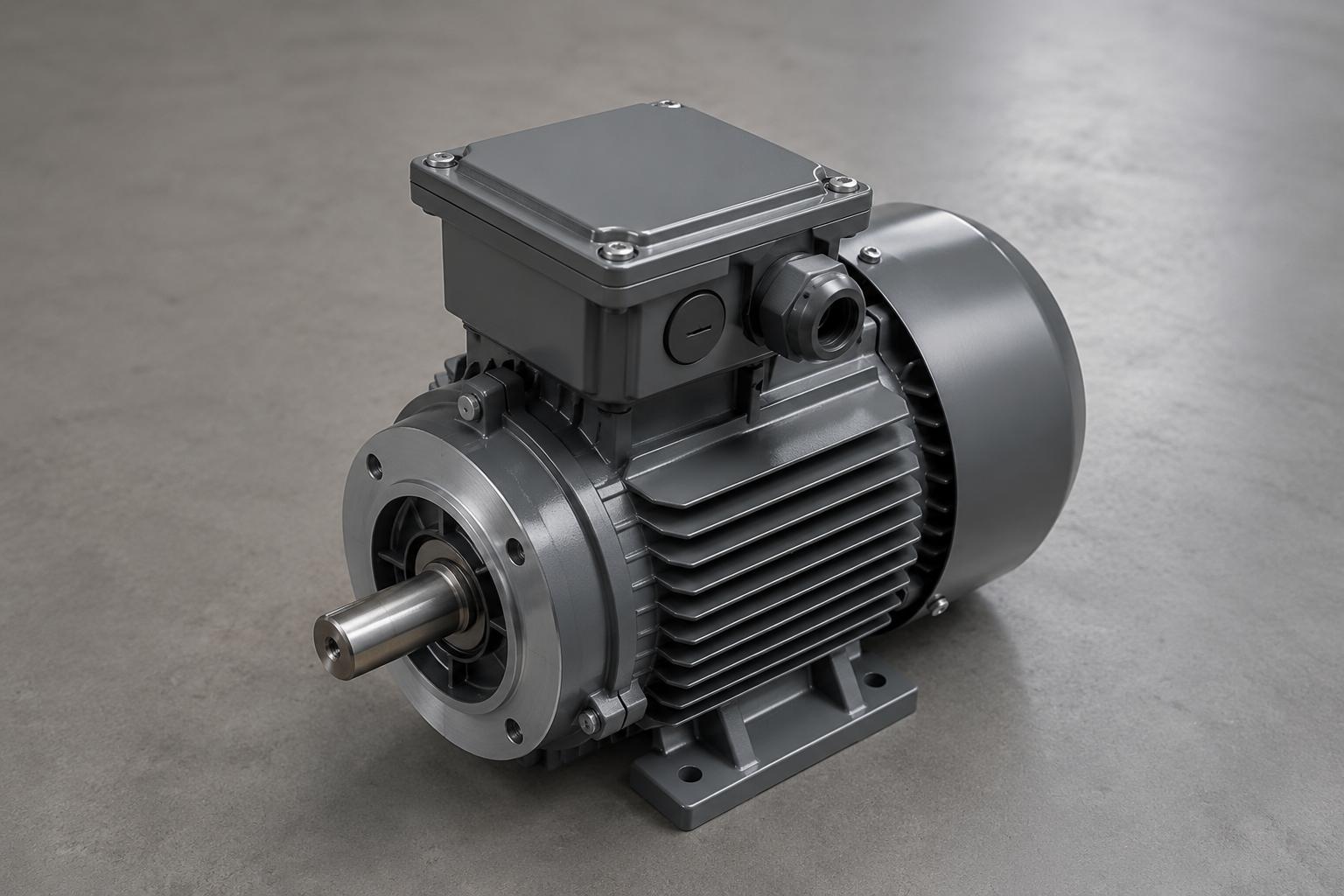
In cranes, hoists and lifting systems the brake torque is chosen with a certain safety factor so the heaviest load to be lifted can be held suspended safely. In lifting applications the brake is not merely a stopping element but directly an element of life and property safety; so the brake torque must never be chosen insufficient. Most lifting standards require the brake torque to be a certain multiple of the load torque.
Position Holding and Emergency Stop Applications
The three scenarios in which a brake motor is most valuable are position holding, preventing runback and emergency stop. In automation lines an axis must stay in place when power is cut; the brake motor provides this with spring force, without waiting for an additional command. In lift and platform applications the cabin or platform must stay at its level even if power is cut; this relates directly to safety.
The Role of the Brake in Emergency Stop
When the emergency stop button is pressed or a safety relay activates, the motor power is cut. While in a standard motor the shaft keeps turning with inertia, in a brake motor the brake closes instantly and stops the motion in the shortest distance. This is critical for both operator safety and product/equipment protection. We addressed the need to plan protection devices together with the motor in our article on electric motor protection devices.
Manual Brake Release (Hand Release)
Many brake motors can be supplied with a manual release lever that allows the brake to be opened by hand when there is no power. This is needed to safely move a lift cabin or a jammed conveyor in the event of a fault. At the supply stage it should be clarified from the outset whether this feature is required.
What to Watch in IE4 Brake Motor Supply?
To order the right brake motor a few details should be clarified: motor power (kW) and speed (pole count), required brake torque (Nm), brake supply type (DC/AC), mounting type (B3 foot, B5 flange, B35 combined), protection class (IP) and the need for a manual release lever. When these come together a motor that fits the application exactly can be chosen. For mounting type selection our electric motor mounting types page and our article on B5 or B14 mounting type selection offer guidance.
A brake motor most often works with a gearbox; the motor-gearbox combination is common in conveyors and lifting. We examined the gain of combining an efficient motor with a gearbox in our article on using an IE4 motor with a gearbox. You can reach all our IE4 topics from the IE4 electric motors category, and our entire product range from our home page. For an equivalent product and lead time, our article on IE4 premium motor supply will also be useful.
Start-Stop Frequency and Running With a Variable Frequency Drive
A parameter often skipped but critical in brake motor selection is the number of engagements (start-stops) per hour. In automation lines a brake motor may engage hundreds of times an hour; this high frequency causes both the motor and the brake to heat up and wear. In applications with high start-stop frequency a motor designed to handle this load, and if necessary one with a larger frame, should be chosen. Stating the hourly engagement count at the order stage ensures the right motor is selected.
Many modern conveyor and lifting systems run with a variable frequency drive (VFD) for speed control. The drive provides soft starting and stopping, reducing mechanical strain; the brake then engages only at full stop and for position holding. In this combination the control connection must be set up correctly so the drive commands the brake at the right moment. We addressed the finer points of running a motor with a variable frequency drive in our article on asynchronous motors with a variable frequency drive (VFD). IE4 brake motors running with a drive offer the most advanced solution in terms of both efficiency and safety.
Brake Pad Wear and Air Gap Adjustment
Electromagnetic brakes work through a mechanical pad (friction disc) and, like every friction system, wear over time. As the pad wears, the air gap needed for the brake to release grows; once this gap exceeds a certain limit the brake either releases late or its holding torque drops. So in frequently starting-stopping conveyor and crane applications the brake air gap should be checked periodically and, if necessary, adjusted or the pad replaced.
The wear rate depends on how many times an hour the brake engages and the inertia of the load it stops. A crane brake continuously stopping heavy loads wears far faster than a conveyor brake carrying light loads. For this reason, when supplying a brake motor not only the motor but also the brake maintenance period should be planned. For a general maintenance framework, our article on the electric motor maintenance and periodic check schedule offers a ready start.
Spare Pad and Critical Stock
In lifting and continuous production lines the brake motor is a critical component; when it fails the line stops. So keeping either a complete spare of critical brake motors or at least wear parts such as the brake pad and coil in stock is a smart supply strategy that shortens downtime. We addressed which motors should be kept in stock in our article on the critical spare motor list.
Speed and Power Selection of the Brake Motor
The basic motor selection in a brake motor is made just as in a standard motor: the power (kW) and speed (pole count) the application requires are determined. In conveyors and lifting, 4-pole (1500 rpm) and 6-pole (1000 rpm) motors are generally preferred, because these applications want torque and control rather than high speed. When used with a gearbox, the output speed is reduced and the torque increased according to the application.
Correct power selection should allow the motor to be neither overloaded nor larger than needed. A motor chosen too large runs constantly at part load and creates a disadvantage in both efficiency and cost. We detailed the effect of running a motor at the right load on efficiency in our article on what load to run a motor at. The efficiency advantage the IE4 class offers is fully achieved only with correct sizing.
Protection Class and Ambient Condition
If the brake motor will run in an open field, in a dusty crushing plant or in a humid environment, the protection class (IP) of both the motor and the brake unit should be chosen suitable for the environment. Dust and moisture directly affect the life of the brake pad and coil. In brake motors running outdoors, additional protection covers or high-IP solutions are preferred. Our article on IP protection class selection in electric motors offers guidance on choosing the protection class.
Frequently Asked Questions
Does a brake motor hold the load when power is cut?
Yes. In brake motors the brake closes with spring force; it releases when the motor is energised and closes when power is cut. Thanks to this fail-safe logic, during a power cut the brake moves to the safe side, that is, the closed position, and holds the load by locking the shaft. This is a fundamental safety requirement, especially in crane, lift and inclined conveyor applications.
My conveyor is inclined; how should I determine the brake torque?
On an inclined conveyor the brake serves not only to stop but also to prevent the load from sliding back after stopping; so the brake torque should be chosen higher than on a horizontal line. The correct torque depends on the load carried, the incline angle, the line speed and the desired stopping distance. If you share these details with us, we can help you determine an IE4 motor with the right brake torque for your application.
Should I choose a DC brake or an AC brake?
DC brakes generally engage more quietly, more smoothly and in a more controlled way; they are preferred in applications wanting precise positioning and low noise. AC brakes have simpler wiring and a very fast response; they are advantageous in applications needing instant stopping. The choice is made according to your stopping speed, noise sensitivity and positioning need.
Get a Quote
Would you like support on supplying an IE4 brake motor for your conveyor, crane, hoist or position-holding application? Send us your power, speed, required brake torque, brake type and mounting details, and we will quickly offer the most suitable solution. Call now on +90 (532) 345 49 86 or send your quote request via our contact page.