English
 Türkçe

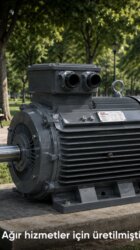
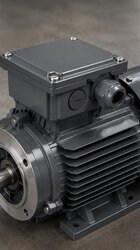
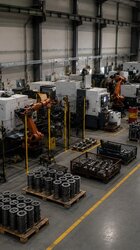
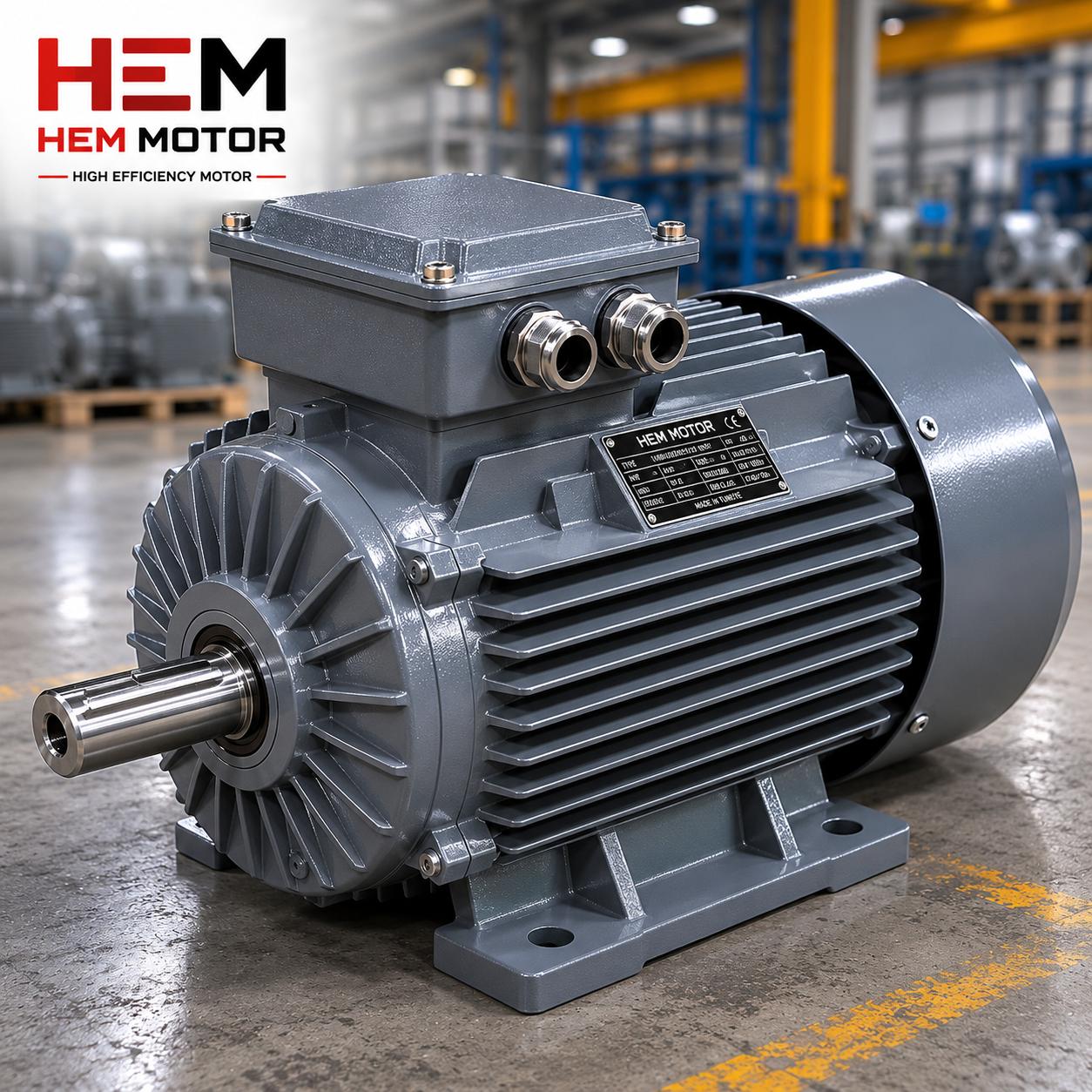

Leather and tanning factories present one of the most demanding industrial environments for an electric motor. Tanning drums and tumblers demand high torque at low speed; presses and squeezing machines produce shock loads; and almost the entire line is in constant contact with water, lime, chrome solutions and acidic chemicals. Under these conditions a standard motor quickly corrodes and suffers winding failure. In this guide we cover leather and tanning factory electric motors machine group by machine group, explaining which speed, torque, IP protection and frame material is correct at the drum, press and squeezing stations, and how to plan supply suited to harsh environments.
Conditions a Motor Faces on the Leather Tanning Line
Three core challenges set motor selection in a leather processing plant apart from an ordinary industrial application:
- Constant moisture and water: Washing, soaking and tanning processes raise the environment to saturated humidity; water splashes directly onto the motor body.
- Chemical attack: Chrome, lime, acid and salt solutions make both the air and the floor corrosive; standard casting and paint deteriorate quickly.
- Low speed, high torque: Tanning drums turn heavy loads slowly but powerfully; sudden starts and stops create shock torque.
When these three conditions combine, the frame material, IP protection class, insulation class and torque characteristic must all be chosen correctly at the same time. We addressed the logic of motor selection in environments open to hygiene and washing in a similar framework in our food factory motors article; since the chemical load in a leather plant is heavier, the protection requirements move up a notch.
Tanning Drum and Tumbler Drive: Low Speed High Torque
The tanning drum is a large drum that rotates the heavy leather load together with the solution. In this application the motor runs not at high speed directly but at low output speed through a gearbox. Typical output speed is around 10-20 rpm, and to reach this speed the motor is always matched with a gearbox.
Motor + Gearbox Combination
In the drum drive, a 4-pole (1500 rpm) motor is combined with a high-reduction-ratio gearbox. At medium powers worm gear reducers are preferred, and at higher power and continuous heavy duty helical worm gear reducers. We explained step by step how the reduction ratio (for example 1/30, 1/50) determines output speed and torque in our monoblock geared motor selection article. If you want to evaluate the low-speed direct-drive alternative, our high-pole low-speed motor article is also a guide.
Starting Torque and Duty Type
When a full tanning drum stops, high starting torque is required to start again. Therefore the motor starting torque characteristic must match the application. You can examine torque class selection by load in our torque classes (Design N/H) article. Since drums do not run continuously but intermittently (load-empty-rotate), an S6-like duty profile rather than S1 is often involved; we clarified this difference in our duty type selection article.
Press, Squeezing and Vacuum Machines
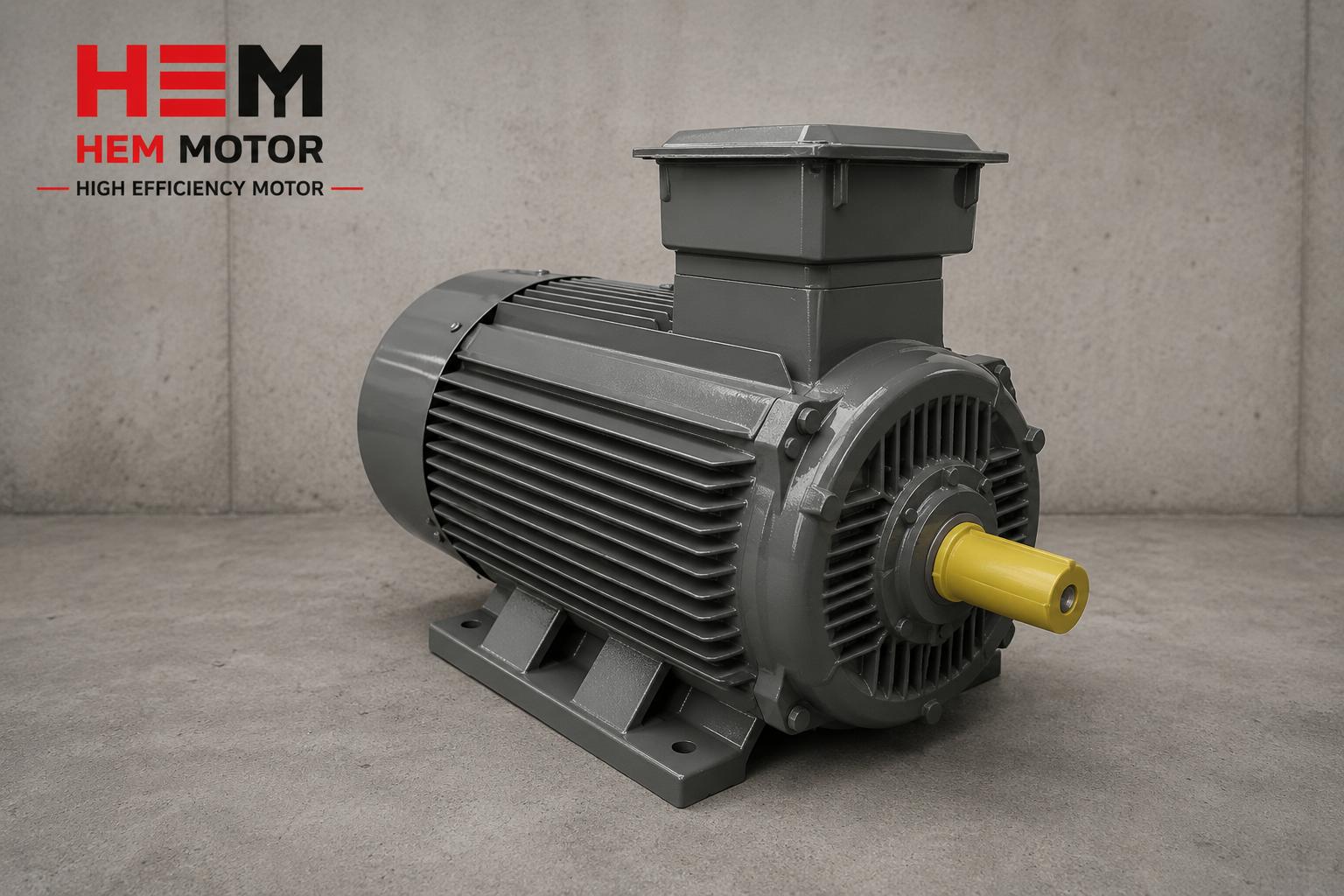
After tanning, the leather passes through squeezing (sammying), press and vacuum drying machines. These machines produce shock and high-torque loads. Squeezing rollers and hydraulic units demand motors resistant to sudden load changes. When evaluating motor selection in hydraulic press units and heat management under continuous load, you can find our approach to heavy-duty applications in our rolling mill and foundry heavy-duty article.
At these stations B5 flanged or B35 foot-and-flange mounting types are common; for units directly coupled to the machine, choosing the correct mounting type is important, with details on our mounting types page.
Wet and Chemical Environment: IP Protection and Corrosion Resistance
The most critical motor selection parameter in a leather plant is the protection class. In areas exposed to constant water splash and chemical vapour, IP55 falls short; IP65 protection is recommended at these points. We explained the difference between IP55, IP65 and IP66 and where each is required in detail in our IP protection class article.
Frame Material and Surface Protection
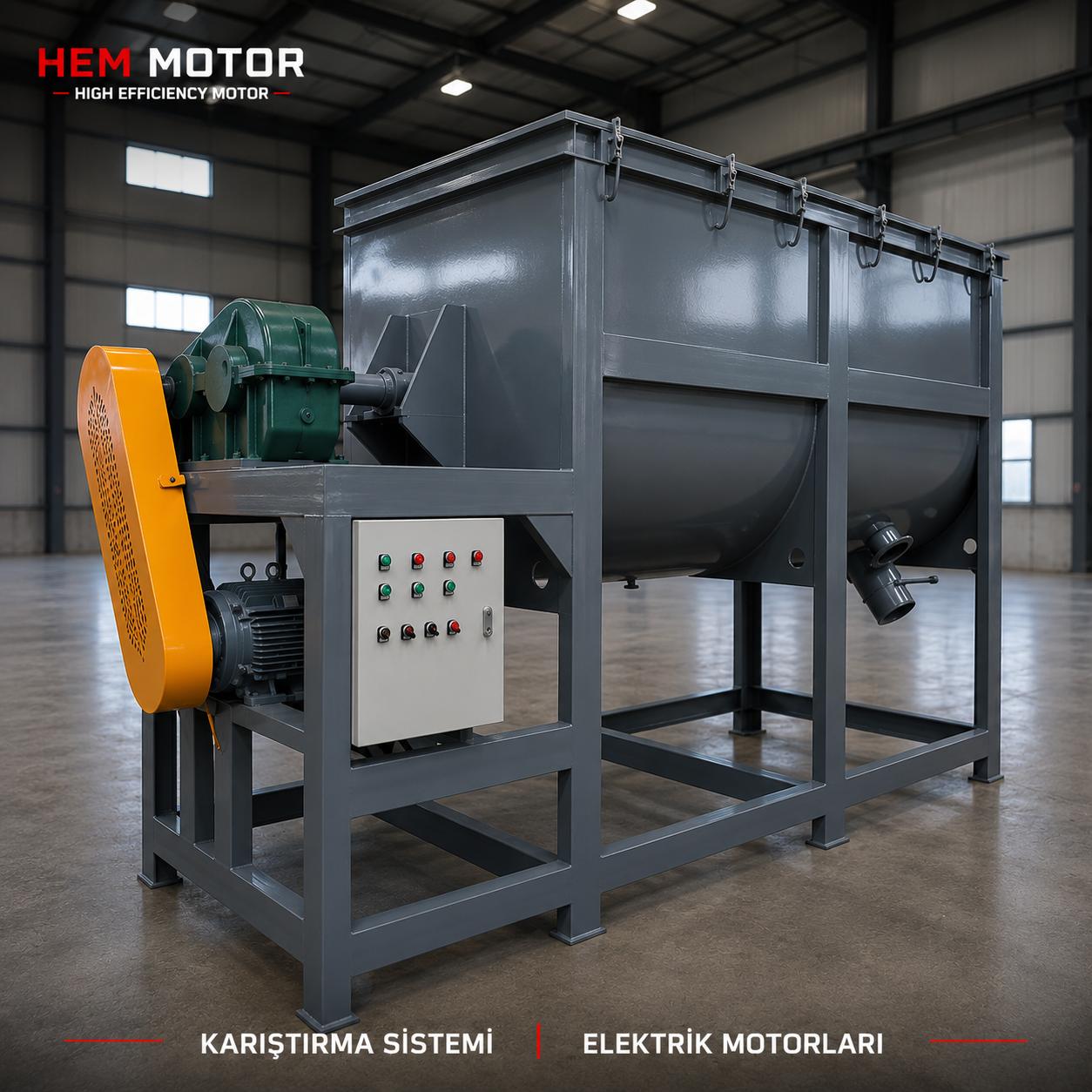
In a corrosive environment, a cast iron frame is generally a more durable base than aluminium; when cataphoresis coating and epoxy paint are applied over it, its life is significantly extended. You can find surface protection and painting options against corrosion in our cataphoresis coating article, and the protection approach in salty and chemical environments in our salt environment protection article. The sealing of the terminal box is at least as important as the frame; for the correct cable gland and IP-protected box selection, see our terminal box and cable connection article.
Efficiency and Correct Supply
Since drums and presses run long hours in leather plants, efficient motor selection lowers energy cost. IE4 Super Premium motors are a strong choice for continuously running main drives, and IE3 motors a balanced one for auxiliary units with lower running hours. When extra protection is required in a corrosive environment, cast iron frames and special coating options can be offered in our high-efficiency electric motors range. Our chemical and detergent factory motor selection article, where we cover motor selection in chemical-intensive reactor and mixer applications more broadly, is also complementary for leather plants.
As HEM Motor, we supply leather and tanning plants with motors between 0.55 kW and 355 kW, in IE3 and IE4 efficiency classes, with 100% copper windings, F-class insulation and, where required, IP65 protection, together with gearbox matching.
Frequently Asked Questions
What speed and torque are required for a tanning drum?
Tanning drums run at low output speed (typically 10-20 rpm) and high torque. Therefore a 4-pole (1500 rpm) motor is matched with a high-reduction-ratio worm gear or helical worm gear reducer. Since restarting a full drum requires high starting torque, the motor torque class and duty type must be selected according to the application. If you share the drum diameter, leather load and tipping load with us, we will recommend a suitable motor-gearbox combination.
Is an IP55 motor sufficient in a leather factory?
IP55 may be sufficient in dry storage and office areas, but tanning, washing and press areas have constant water splash and chemical vapour. IP65 protection is recommended in these areas; IP66 can be considered at some points. Alongside the protection class, protecting the frame with cataphoresis and epoxy paint and sealing the terminal box are decisive for long life.
Should cast iron or aluminium frame be preferred in a corrosive environment?
In the chemical-intensive environment of a leather plant, a cast iron frame, together with cataphoresis coating and epoxy paint applied over it, is generally a more durable solution. An aluminium frame is light but, without surface protection, is affected faster in acidic and chrome environments. The correct choice is made according to the chemical and moisture load at the motor location; protected cast iron is recommended in critical areas.
Get a Quote
If you want to supply drum, press and squeezing motors for your leather or tanning factory with a protection class suited to wet and chemical environments, contact us with your machine and environment information. Let us offer motor-gearbox solutions matched with the correct speed, torque, IP protection and corrosion resistance at a suitable lead time and price. Call now on +90 (532) 345 49 86 or send your quote request through our contact page.