English
 Türkçe

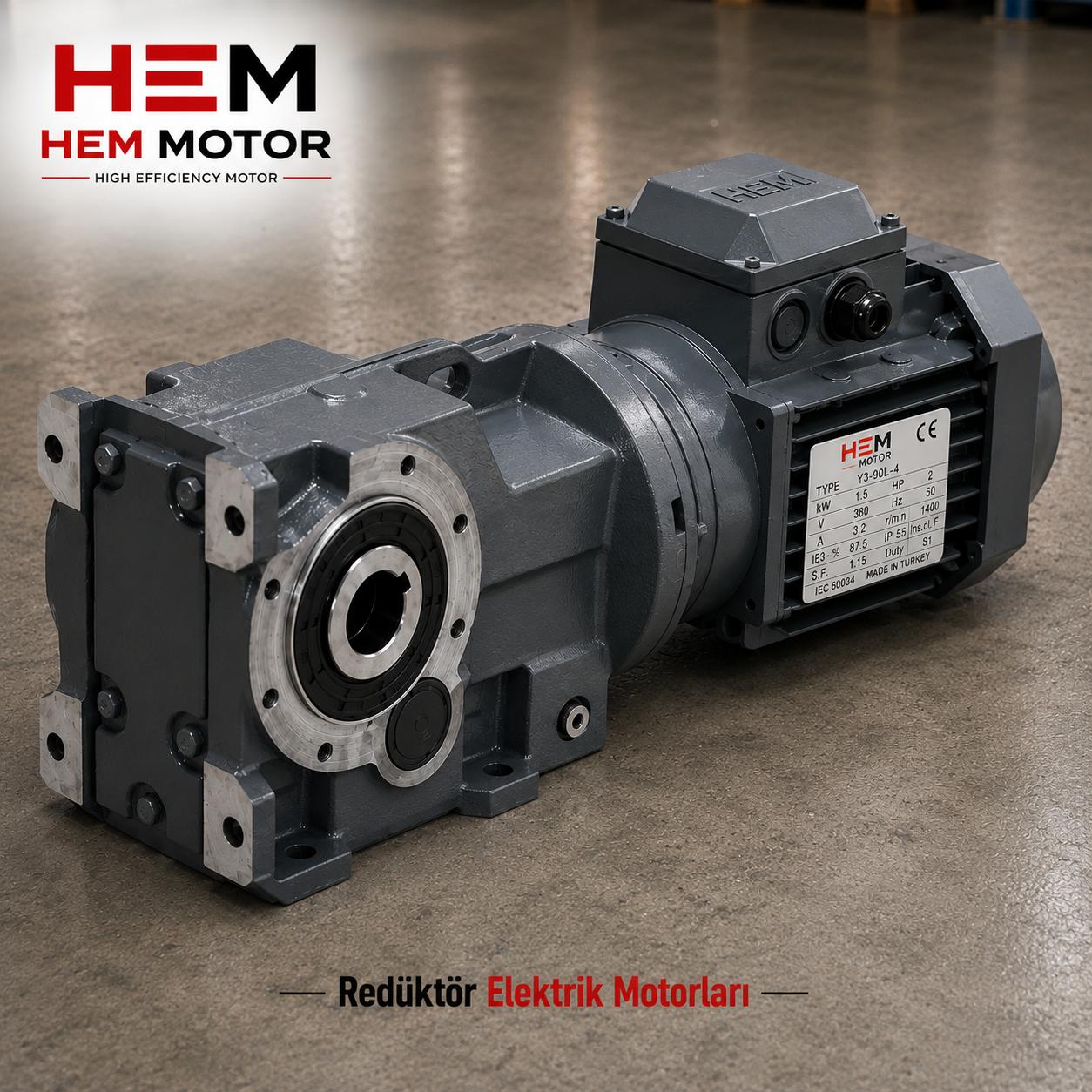

In quarry and crusher yards, dust is not just an environmental problem; it is also a serious risk for occupational health, visibility and equipment life. Fine dust thrown into the air at crushing, screening and transfer points threatens workers' health, wears down machines and reduces visibility on site. The most common and effective way to suppress this dust at the source is water spray and misting (nebulization) systems. At the heart of these systems is the pump that delivers water under pressure to the nozzles and the electric motor that drives it. This motor must work in the harshest conditions of the site, in an extremely dusty and at the same time wet environment, often continuously throughout the shift. This article covers the selection of the dust suppression water spray pump motor in quarries and crushers; the flow-pressure relationship, the continuous (S1) duty requirement, the IP protection level for extremely dusty/wet environments, corrosion protection, and gearless centrifugal pump drive.
The Job of the Dust Suppression Pump
The dust suppression system delivers pressurized water to special nozzles to form a curtain of fine water droplets. These droplets stick to the dust particles in the air, weigh them down and bring them to the ground, preventing the dust from spreading. The effectiveness of the system depends directly on the pressure and flow at which water reaches the nozzles. At insufficient pressure, the nozzles cannot produce fine enough droplets and dust suppression fails.
The motor that drives the pump providing this pressure and flow determines the reliability of the system. When the motor stops, dust suppression stops too; this motor is therefore one of the most critical auxiliary pieces of equipment on the site. For the general motor selection principles of a crusher yard, our article on crusher and stone crushing plant electric motor selection provides the general framework.
Flow and Pressure: The Basis of Pump Motor Power
The power of the dust suppression pump motor is determined by the flow (m³/h or L/min) and pressure (bar) values the system needs. Misting systems usually require high pressure (for example on the order of 40-70 bar), while coarser spray systems can work at lower pressure. The number and type of nozzles determine the total flow needed; the pump and motor are selected according to these values.
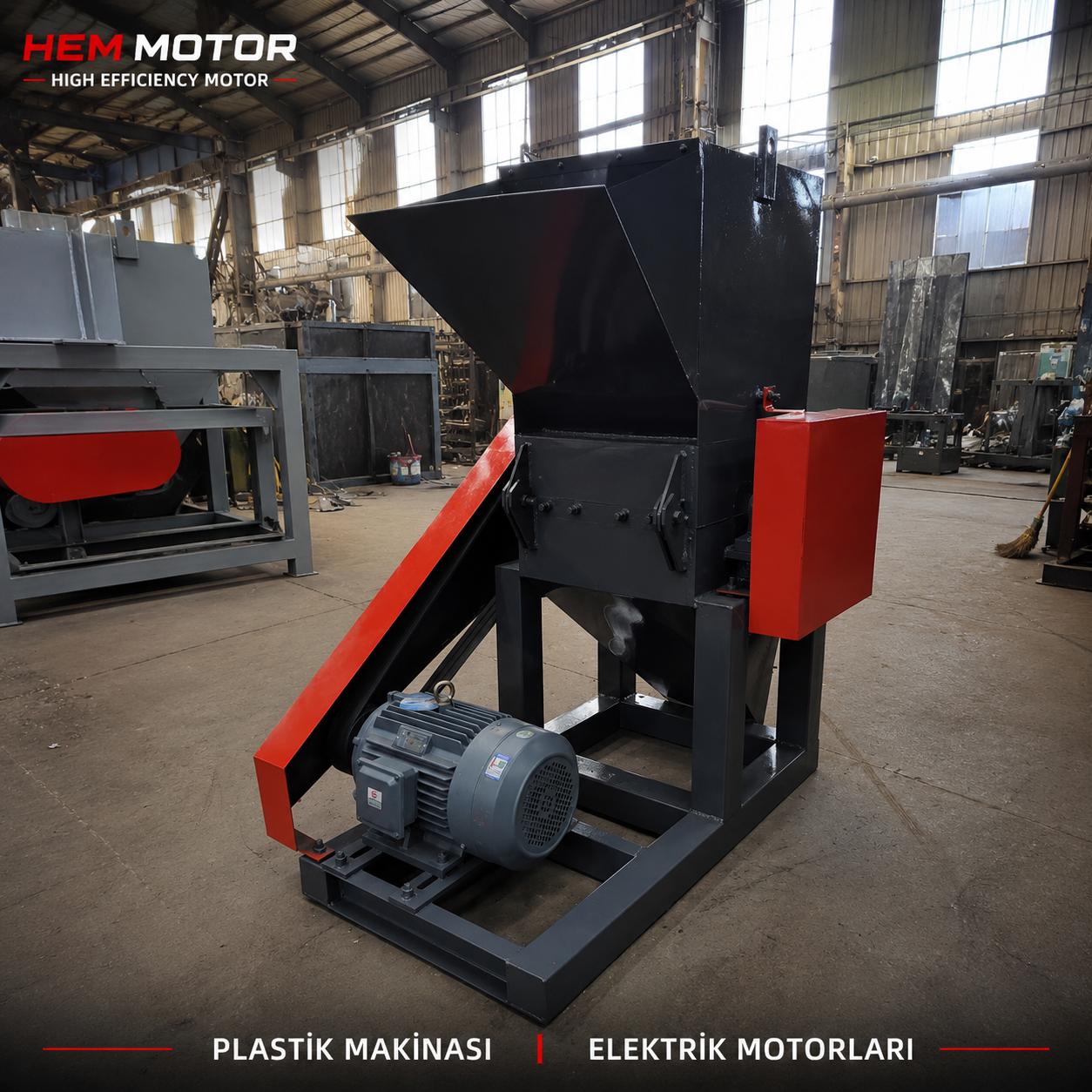
The motor power calculation is made starting from the flow and head at the pump's operating point. For a correct calculation, our article on motor power calculation for pumps and fans is a basic reference. To establish the flow-head relationship correctly in centrifugal pump applications, our article on centrifugal pump motor selection: flow and head is also a guide.
Continuous Duty (S1) Requirement
The dust suppression system is in continuous operation for as long as the crushing-screening plant runs; that is, the pump motor works throughout the shift, often 8-12 hours without interruption. This makes it mandatory to select the motor in S1 (continuous) duty type. S1 duty type means the motor can reach and maintain thermal balance while running continuously at full load.
In a continuously running motor, cooling and insulation class are of critical importance. Class F insulation and a good cooling design keep the motor at a safe temperature over long operating hours. For duty types and the continuous-operation distinction, our article on duty type (S1-S6) selection provides detailed information. The impairment of motor cooling by dust must also be taken into account; this topic is covered below.
Extremely Dusty and Wet Environment: IP Protection Level
The dust suppression pump motor literally experiences two harsh conditions at once: dense fine dust in the air and the water spray/mist it produces itself. Standard IP55 protection is therefore often insufficient; IP65 or IP66 protection is recommended in this application. IP65 provides full protection against dust (dust-tight) and resistance to low-pressure water jets, while IP66 protects against stronger water jets.
Whether the IP protection is genuinely achieved in the field depends on shaft-exit sealing; an IP66 marking on the nameplate means nothing in practice if the shaft seal is not suitable. For shaft sealing in extremely dusty yards, our article on dust sealing in crusher motors (IP65/66) provides detailed information. For the general meaning of IP classes, our article on IP55, IP65, IP66 selection is a good reference.
The Effect of Dust on Cooling
Fine dust sticks to the motor's cooling fins and fan cowl, making heat dissipation harder. The dust layer acts like an insulator and causes the motor to run hotter. In dusty yards it is therefore important to clean the cooling fins regularly and to protect the fan cowl against dust/fibre wrapping. For cooling-fin cleaning and the dirt issue, our article on cooling fins and dirt cleaning in cast-iron motors contains practical recommendations.
Electrical Protection of the Motor
Because the dust suppression pump motor runs continuously and usually remotely under automatic control, electrical protection is of critical importance. On site, conditions such as single phasing (phase loss), voltage unbalance or the pump running dry can quickly burn out the motor. The motor must therefore be equipped with a thermal overload relay correctly set to the rated current and with a phase-protection relay. Long cable runs and voltage fluctuations under field conditions in particular are cases where the motor needs additional protection.
In a continuously running motor, monitoring the winding temperature is valuable for early warning. PTC thermistor or PT100 sensors stop the motor when the winding overheats, preventing burnout. For temperature protection and phase-loss risk, our articles on motor winding temperature monitoring (PT100/PTC) and thermal relay and fuse selection provide practical information. Against dry-running risk, dry-run protection (flow/pressure switch) is recommended on the pump side.
Starting and Frequent Stop-Start
Dust suppression systems sometimes run continuously and sometimes cut in and out during periods when dust intensifies. In a motor that stops and starts frequently, each start creates a current surge that heats the motor. Exceeding the limit for the number of starts per hour leads to overheating of the motor. In dust suppression pumps that cut in frequently, attention should therefore be paid to the motor's starts per hour, and a soft starter should be used if necessary. On this topic our article on the starts-per-hour limit in asynchronous motors is useful. In large pumps, star-delta or soft starter starting methods can be considered to reduce the starting current.
Corrosion Protection
Because the water spray pump motor is constantly exposed to moisture and water spray, corrosion is an important risk. A cast-iron frame combined with the right protective paint (for example a cataphoresis or multi-layer paint system) provides long life. For corrosion protection in the open field and damp environments, our articles on open-field corrosion in cast-iron motors and paint, cataphoresis and corrosion protection provide complementary information.
Gearless Centrifugal Pump Drive
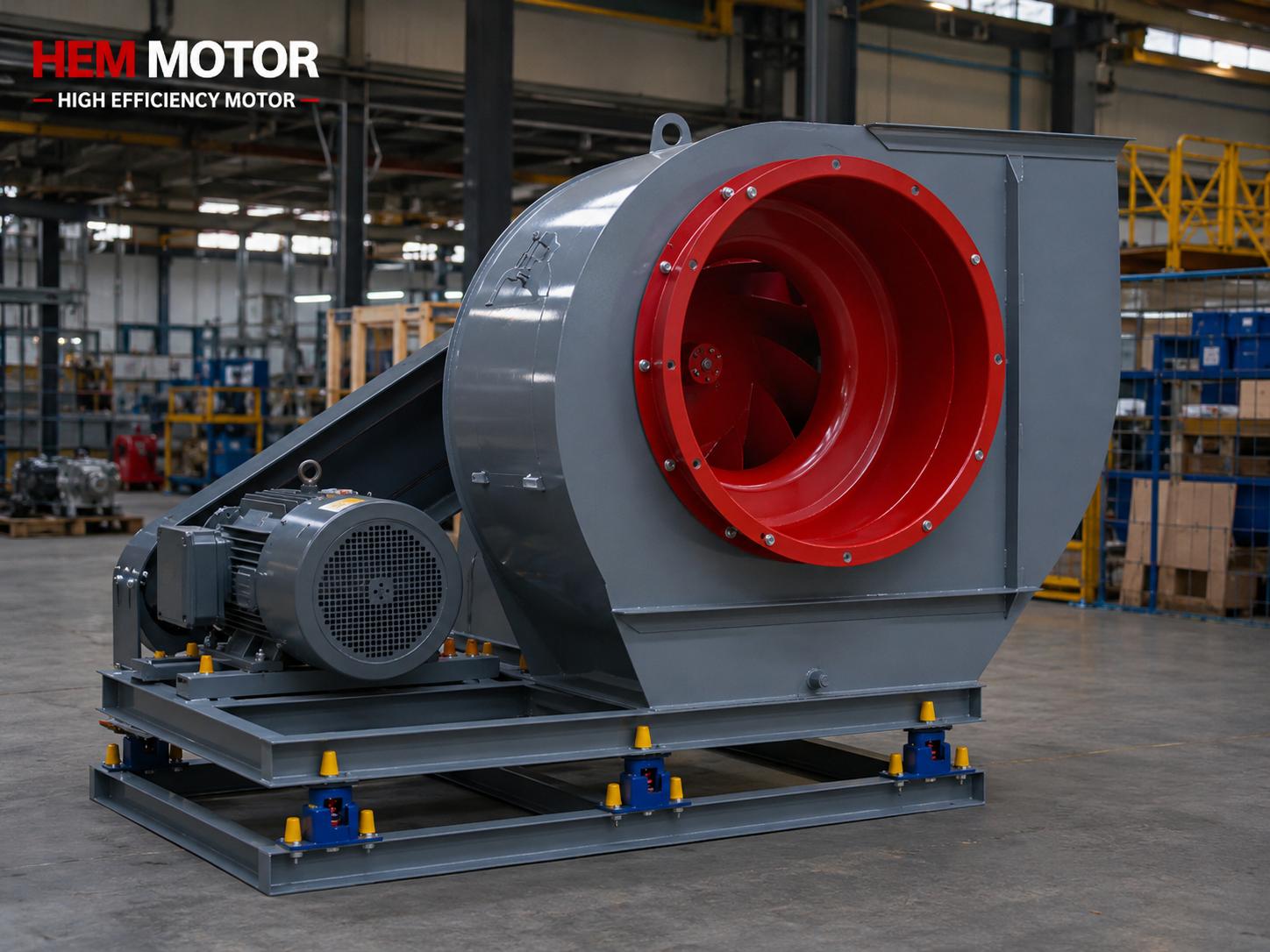
Centrifugal pumps are usually used in dust suppression systems, and these pumps are often connected directly (gearless) to the motor. A centrifugal pump turns at the same speed as the motor; therefore the speed the pump requires (usually 2900 rpm or 1450 rpm) must match directly with the motor's pole count. In high-pressure misting systems, 2-pole (3000 rpm) motors are usually preferred.
Correctly matching the motor and pump affects both the efficiency of the system and the life of the motor. The shaft connection, coupling or direct flange connection must be made carefully; shaft alignment errors shorten bearing life. Flanged motors (B5/B35) are ideal for direct connection to the pump. For connection types, our article on bolt, nut and foundation/base mounting is useful for mounting quality.
The Site's Other Water Pump Needs
In quarry and mine sites, besides dust suppression there are other water pump needs: pit and gallery dewatering, aggregate washing and slurry transfer. Each of these applications creates a different motor requirement. For dewatering and slurry pumps, our article on mine dewatering and slurry pump motor selection, and for aggregate washing in wet environments, our article on aggregate washing and sand screw motor selection go into detail.
For general motor protection on site and resistance to harsh conditions, our article on stone quarry and mine motor protection is also a complementary resource.
Choosing the Right Dust Suppression Pump Motor
At HEM Motor, with the experience we have gained in harsh field applications since 1979, we evaluate the dust suppression water spray pump motor according to the real conditions of the site. A cast-iron frame, class F insulation, IP65/66 protection, corrosion-resistant paint and a design suitable for continuous operation (S1); all of these ensure the motor runs with long life in an extremely dusty and wet yard. For our crusher and mining application range you can review our crusher and stone crushing motors category, and for pump applications our pump, fan and blower motors category.
Frequently Asked Questions
Is IP55 sufficient for a dust suppression pump motor, or is IP65/66 needed?
In a dust suppression application that is both extremely dusty and at the same time wet, IP55 is usually insufficient; IP65 or IP66 is recommended. IP65 provides full protection against dust and resistance to low-pressure water jets; in the dense water environment created by misting nozzles, IP66 is safer. The final decision should be made according to the dust density and water spray level on site; it is enough to share your conditions with us.
How many poles does the motor in a dust suppression pump have?
In high-pressure misting systems, 2-pole (about 3000 rpm) motors are usually preferred, because centrifugal pumps produce high pressure at high speed. In coarse spray systems that require lower pressure and higher flow, 4-pole (about 1500 rpm) motors can be used. The correct choice is made according to the speed-pressure point the pump requires.
Why does a motor heat up more in a dusty yard?
Because the dust layer that sticks to the cooling fins and fan cowl acts like an insulator that hinders heat dissipation. The motor runs hotter at the same load, and this shortens insulation life. In dusty yards, regular cleaning of the cooling fins and protection of the fan cowl is therefore a critical maintenance step for motor life.
Get a Quote
Let us choose the right pump motor for the dust suppression system of your quarry or crusher site together. Our expert team evaluates your flow-pressure, IP protection, corrosion resistance and continuous-operation requirements and provides a fast quote. You can call us at +90 (532) 345 49 86 or reach us through our contact page.
Checklist
- Determine the flow (m³/h) and pressure (bar) the system requires and calculate the motor power.
- Select a motor in S1 duty type for uninterrupted operation throughout the shift.
- Request IP65 or IP66 protection for the extremely dusty and wet environment.
- Make sure the shaft-exit sealing genuinely meets the requested IP class.
- Prefer a cast-iron frame and corrosion-resistant paint.
- Choose the pole count (2 or 4 pole) according to the speed the centrifugal pump requires.
- Add cooling-fin cleaning to periodic maintenance in the dusty yard.