English
 Türkçe

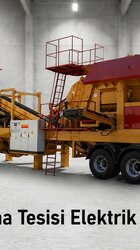
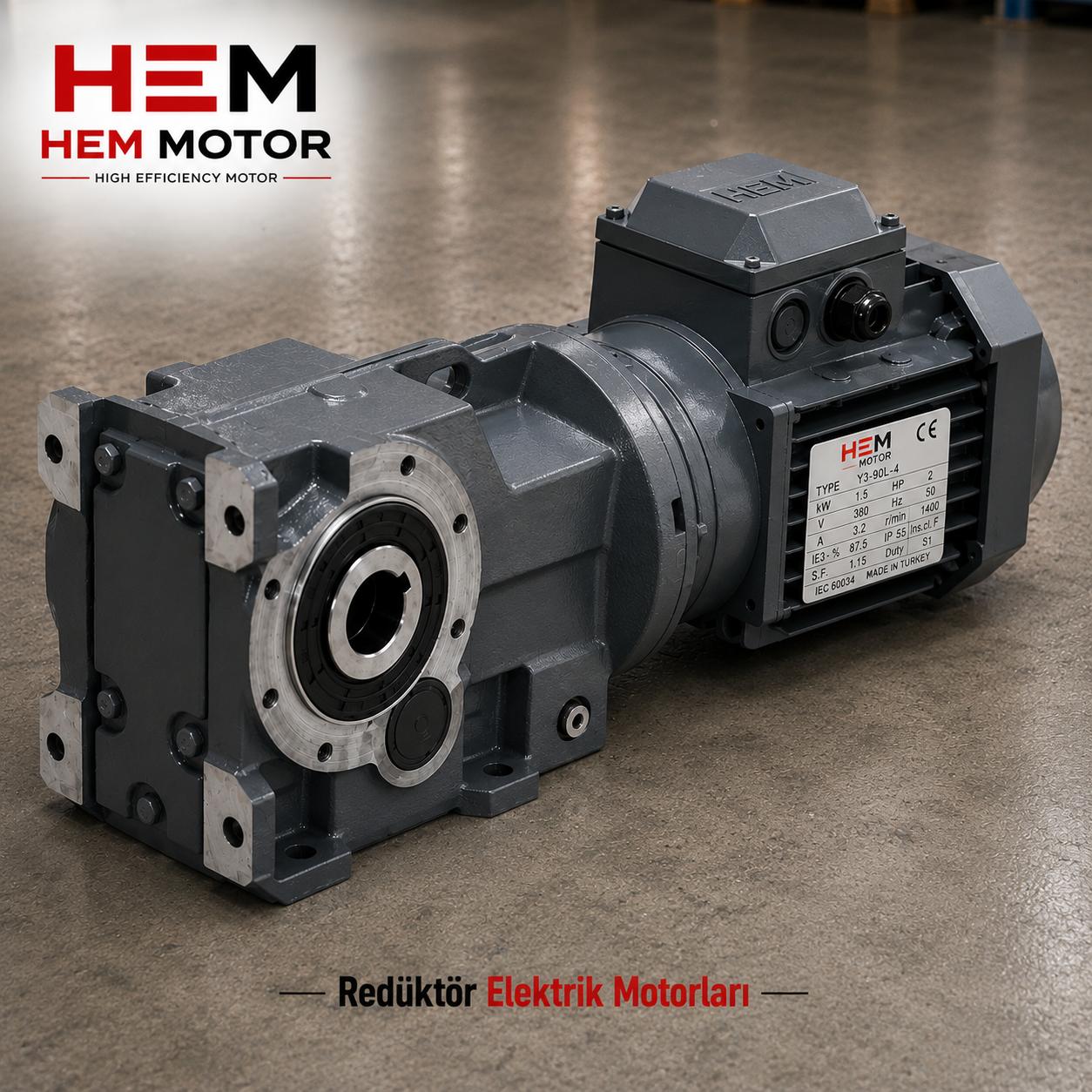

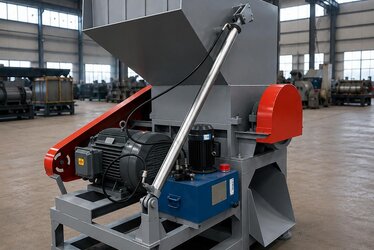
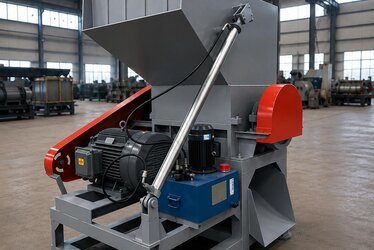
An aggregate washing sand screw (also called a log washer) is a screw-type machine used in sand quarries and aggregate plants to wash sand and aggregate with water, separating the clay, silt and fine dust within it. A large screw (auger) rotating in an inclined trough carries the washed material up out of the water while leaving the mud and waste water behind. The drive motor of this machine is exposed to one of the most demanding operating conditions in the industry: continuous water splash, mud, abrasive sand particles and a need for high torque at low speed all occur together. A poorly chosen or inadequately protected motor will soon suffer bearing failure, oil seal destruction or winding burnout due to water and abrasive dust. In this guide we cover sand screw motor selection in detail: low speed-high torque (geared drive), IP66 protection, corrosion resistance and continuous operation.
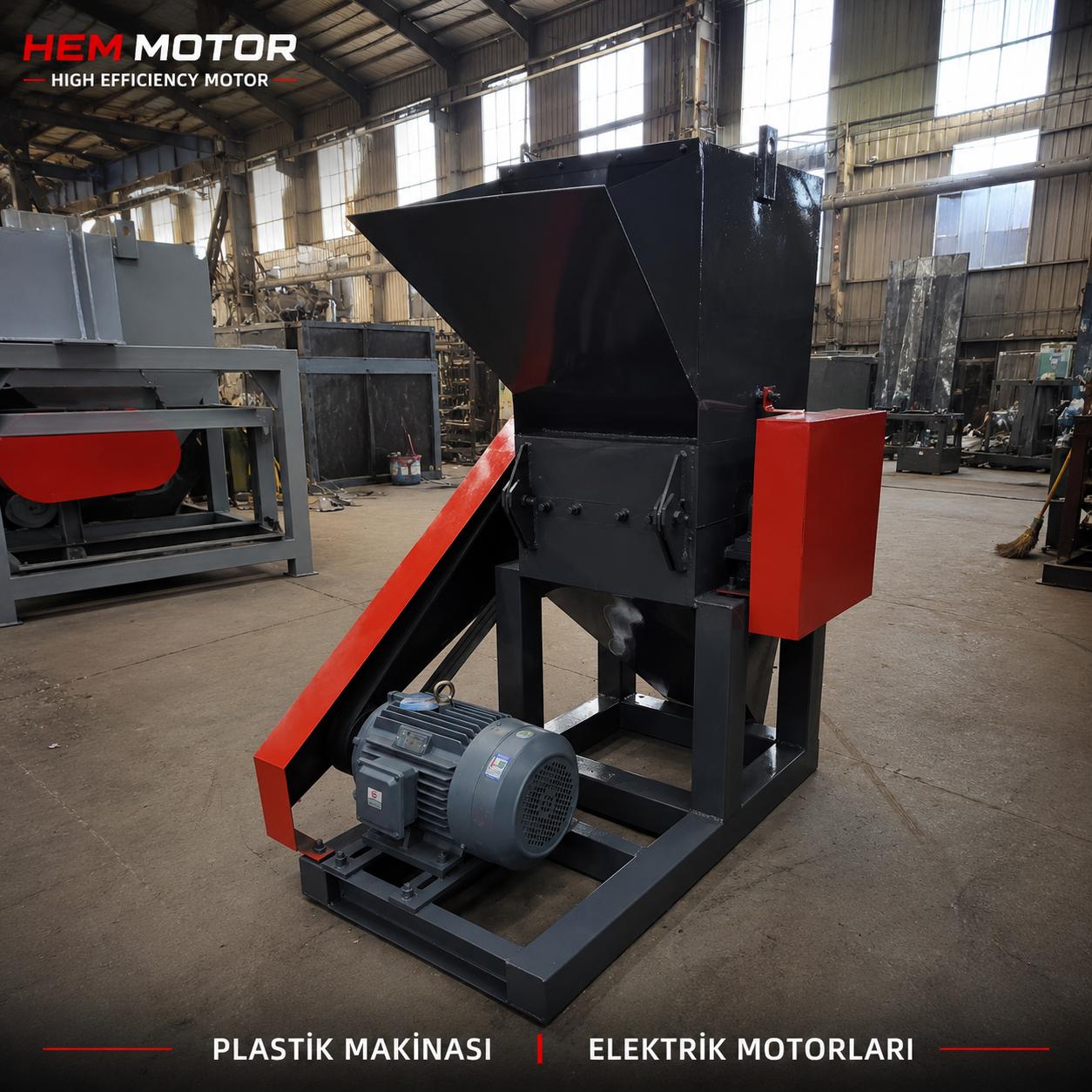
Operating Conditions in a Sand Screw: Wet and Abrasive Environment
By its nature, a sand screw works in one of the harshest environments where water and solid particles coexist. The auger is in constant contact with water and mud; as washing continues, fine sand particles seep into every surface. In this environment the motor's three greatest enemies are water, abrasive dust and corrosion. Motor selection must address all three threats at once.
Low Speed, High Torque Requirement
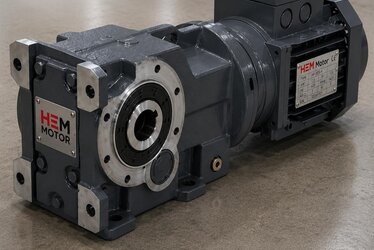
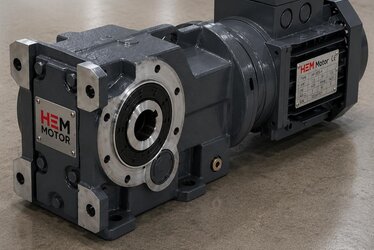
A sand screw auger rotates at a very low speed of only a few to a few tens of revolutions per minute, because a slow and powerful motion is needed to gently carry the material up and to wash the fine particles in water sufficiently. This low speed means high torque. Since an electric motor cannot run directly at such a low speed, the drive is always via a gearbox: the speed of a standard 1500 rpm motor is reduced to an output speed suitable for the auger through a worm or bevel-helical gearbox, and the torque is greatly increased. For gearbox selection, our geared motor vs separate motor + reducer and bevel-helical vs worm gear articles are the basic resources. You can also find the low-speed drive logic in our low-speed motors article.
Gearbox-Motor Matching
To obtain the output speed suitable for the auger, the correct reduction ratio and matching motor power must be selected. If IEC frame and flange compatibility is overlooked, the gearbox and motor will not mate mechanically. For correct matching, review our worm gear reducer motor matching (IEC) and reducer mounting positions and lubrication articles. For monoblock solutions our monoblock geared motor selection guide is practical.
IP66 Protection: Water and Dust Sealing
The greatest threat the motor faces in a sand screw is direct water splash and moist abrasive dust. Standard IP55 protection is designed for dry, dusty environments; however, in a sand washing plant with powerful water jets and constant wetness, IP66 protection is recommended. IP66 provides full protection against powerful water jets. Our IP protection class selection article explains which class is needed in which environment; in plants with high-pressure washing we also recommend our IP69K washdown protection article.
Oil Seal and Labyrinth Sealing
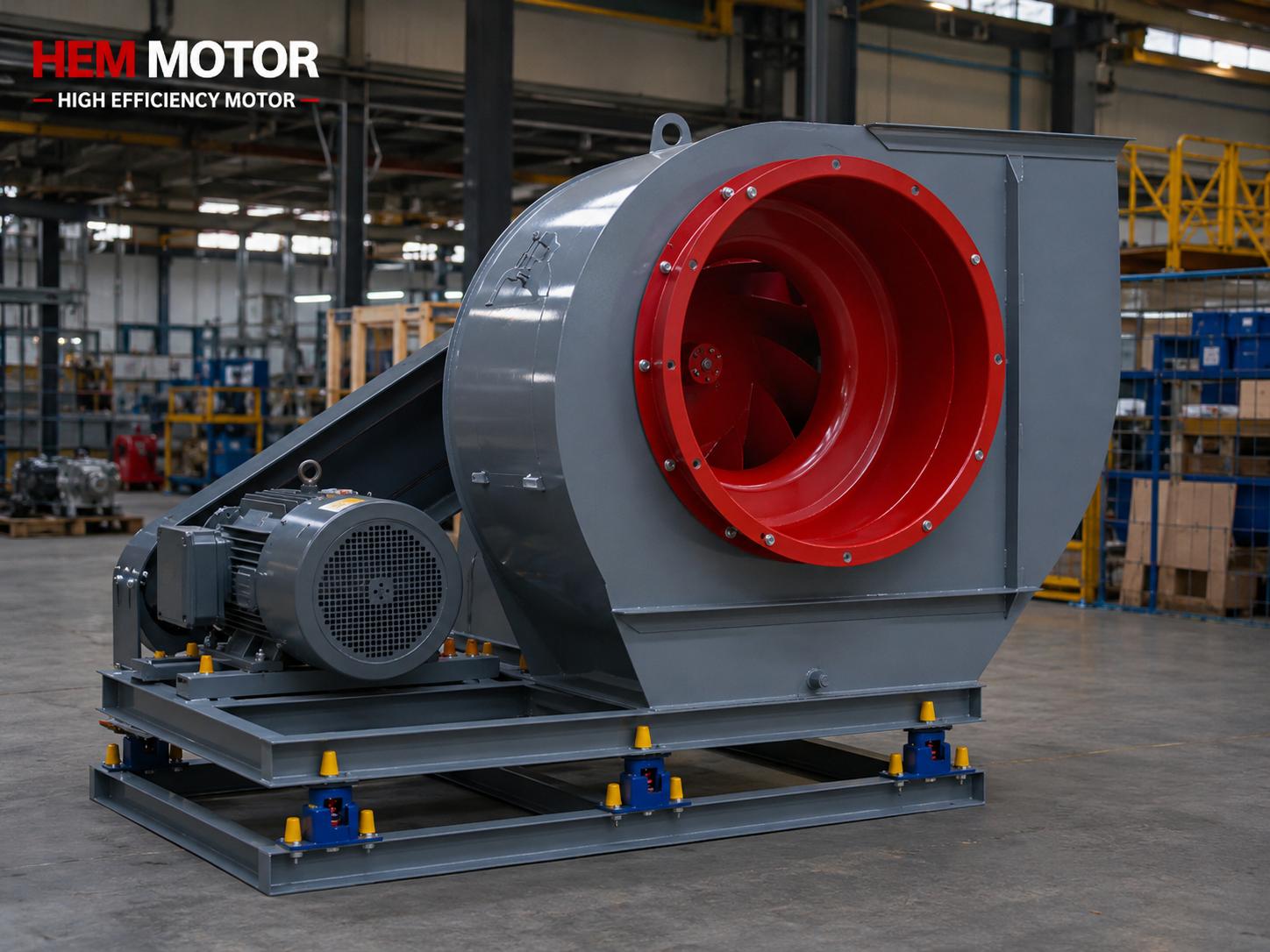
Another element as important as the IP protection class is the sealing at the shaft exit. Water and abrasive sand try to reach the bearing housing between the shaft and the body. For this reason double oil seals or labyrinth (V-ring) sealing solutions are used. The oil seal keeps water and dust away from the bearing; the labyrinth seal forms a mechanical barrier that prevents particles from entering. We covered this in detail in our oil seal and sealing in cast iron motors article. In vertically mounted applications sealing becomes even more critical; see our vertical mounting (V1/V5) and oil seal article.
Corrosion Resistance: Paint, Cataphoresis and Body Selection
In a constantly wet environment, corrosion seriously shortens the life of the motor body and connection parts. A cast iron body provides a good base against corrosion as well as mechanical strength; however, surface protection is essential. Cataphoretic (CED) coating followed by a quality paint layer protects the motor against rust. We covered this in depth in our paint and cataphoretic coating and corrosion protection and open-field use articles. For coastal and saltwater environments, our protection in salty environments article explains additional protective measures.
The Importance of a Cast Iron Body
In a sand screw environment, an aluminium body is inadequate in terms of both corrosion and mechanical strength. A cast iron body lasts far longer in a wet and abrasive environment. Our cast iron vs aluminium article helps you decide on this choice. To prevent water condensation inside the body in a humid environment, also see our condensation drain hole article.
Continuous Operation (S1) and Thermal Management
Aggregate washing plants generally run uninterrupted throughout the shift; the sand screw also operates in continuous (S1) duty. A motor producing high torque at low speed generates heat under continuous load. Class F insulation and an appropriate temperature rise class are required for long life. For duty type, our duty type (S1-S6) selection guide, and for winding protection, our temperature monitoring article, provide guidance. An efficient and correctly sized motor provides both energy savings and lower temperature; our correct sizing article explains this balance.
Protection Equipment: Thermal, Phase Protection and Megger
Insulation weakening in a wet environment is a serious risk. The motor must therefore be protected with a thermal relay, a motor protection circuit breaker (MPCB) and, if possible, a phase protection relay. A megger (insulation resistance) test should be performed before commissioning and periodically; a drop in insulation resistance in a humid environment is a sign of an approaching failure. Our protection: thermal relay and fuse selection, motor protection circuit breaker (MPCB) and insulation resistance and megger test articles explain this protection layer.
Related Sector and Product Pages
The sand screw is an inseparable part of crusher and stone-crushing plants. Our crusher and stone-crushing plant motor selection, screen and feeder motors in crushing-screening plants and, for abrasive mud transfer, slurry pump motor selection articles are directly relevant. For the water treatment side see our water treatment and wastewater plant motors article, and for our full product range visit the HEM Motor home page.
Frequently Asked Questions
Why does a sand screw need a geared drive rather than a direct motor?
The auger runs at only a few to a few tens of revolutions per minute and requires high torque. Since a standard electric motor rotates at a high speed such as 1500 rpm, it is essential to reduce this speed with a gearbox and simultaneously increase the torque. A directly coupled motor can provide neither the required low speed nor the high torque, which is why a worm or bevel-helical geared drive is standard.
Which IP protection class should be chosen in a wet environment?
Because a sand screw involves continuous water splash and moist abrasive dust, IP66 protection is recommended. IP66 provides full protection against powerful water jets. In plants with high-pressure washing, IP69K-level protection can also be considered. In addition, regardless of the IP class, the use of double oil seals or labyrinth sealing at the shaft exit is essential.
How do I protect the motor against corrosion?
A cast iron body, cataphoretic (CED) coating and a quality top paint layer provide the basic protection against corrosion. In constantly wet and salty environments, additional protective paints and stainless fasteners can be used. Periodic checking of paint integrity and drain holes largely prevents corrosion-related failures.
Get a Quote
Let us select together a geared, IP66-protected, corrosion-resistant cast iron motor that provides low speed-high torque for your aggregate washing sand screw. Share your auger speed, required torque and current gearbox details; we will determine a suitable motor-gearbox combination and delivery time. Reach us now through our contact page or call us at +90 (532) 345 49 86. For an accurate quote, our information needed when requesting a quote article will help you.
Purchasing and Selection Checklist
- Have the auger output speed (rpm) and required torque been determined?
- Have the reduction ratio and a matching gearbox type been selected?
- Has the motor-gearbox IEC frame and flange compatibility been verified?
- Has IP66 protection been selected for the wet environment?
- Have double oil seals or labyrinth sealing at the shaft exit been planned?
- Have a cast iron body, cataphoretic coating and corrosion protection been provided?
- Have duty type S1 (continuous) and Class F insulation been verified?
- Have a thermal relay, MPCB and phase protection relay been planned?
- Has a megger (insulation) test been performed before commissioning?
- Have a condensation drain hole and a periodic maintenance program been set up?